Travelling the Philippines well has less to do with planning the perfect itinerary and more to do with the people you meet along the way. Filipinos are genuinely warm, quick to laugh, and almost disarmingly welcoming to strangers. That combination makes even an ordinary afternoon, waiting for a ferry, sharing a table at a carinderia, getting lost in a wet market, feel worth remembering.
You do not need to speak Filipino to connect with people here. Knowing a little about how locals communicate, joke, and socialize goes a long way toward making those connections feel real rather than transactional.
Laughter is everywhere in the Philippines. You hear it on jeepneys, in public markets, at family gatherings spilling out onto the street. Filipino humor tends to be light and self-aware, often turning on wordplay, funny nicknames, or jokes about everyday struggles. It is rarely pointed or aggressive. If someone is joking with you, it almost always means they are comfortable around you.
One thing that catches many visitors off guard is asaran, the Filipino tradition of friendly teasing between people who know each other. Friends might tease each other about being late, eating too much, or supporting a losing basketball team. It reflects a kind of social ease that Filipinos extend surprisingly quickly even to people they have just met. You do not need to match it straight away. Smiling and going along with it is enough.
Charot is another word worth knowing early. It gets added to the end of a joke to signal “just kidding,” softening any remark that might otherwise land badly. You will hear it constantly, and understanding it helps prevent unnecessary confusion.
English is one of the official languages of the Philippines and is widely used in cities, tourist areas, restaurants, hotels, and most service interactions. But learning a handful of Filipino slang words makes a real difference, less for practical reasons than for what it signals to locals.
Here are the most useful Tagalog and Filipino slang terms for travellers:
These words come from Taglish culture, the natural mixing of Tagalog and English that shapes how most Filipinos speak day to day. Using even one or two in the right moment reliably gets a smile and shows you are paying attention.
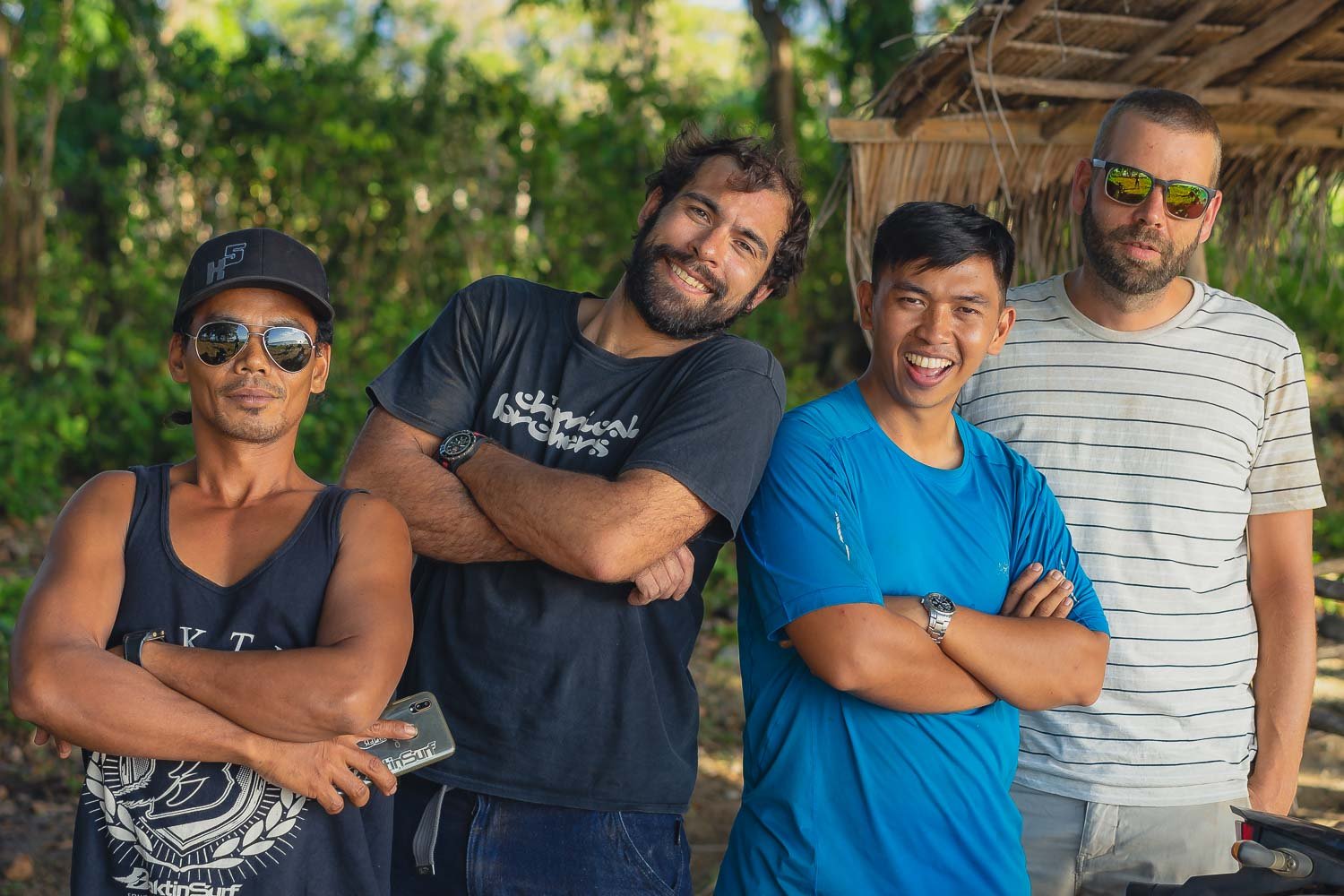
Visitors notice early on that Filipinos smile frequently, even in situations that do not obviously call for it. A Filipino smile does not always signal happiness in the straightforward sense. It can express politeness, acknowledgment, gratitude, mild embarrassment, or simply a way of keeping a conversation comfortable. Understanding that nuance prevents a lot of small misreadings, particularly if you come from a culture where expressions tend to be more literal.
Filipino hospitality, known in Tagalog as magiliw na pagtanggap or warm welcome, is one of the country’s most consistently observed cultural values. It is rooted in pakikisama (maintaining harmony in relationships) and bayanihan, the centuries-old tradition of communal unity and mutual assistance. These are not abstract concepts. They shape how people treat guests in practice, whether in a high-rise in Manila or a small house in a rural province.
In smaller towns especially, being invited to share a meal, join a gathering, or come inside someone’s home can happen faster than you would expect. These invitations are almost always genuine. You are not obligated to accept every one, but responding warmly rather than deflecting awkwardly matters to people. A polite thank you and a genuine smile go a long way.
Food is usually the entry point. The moment you step into a Filipino home, you will likely hear “Kain na!” (Let’s eat). This is not a formality. Stretching a meal to accommodate an extra person, even an unexpected one, is considered completely normal.
Filipino family culture is one of the strongest foundations of daily life in the country. Multi-generational households are common, and family obligations carry real weight in decisions around work, finances, and social commitments. This context is useful when someone asks within minutes of meeting you whether you are married or have children. In many Western contexts, that would feel intrusive. Here it is small talk, a way of placing you socially and showing genuine interest.
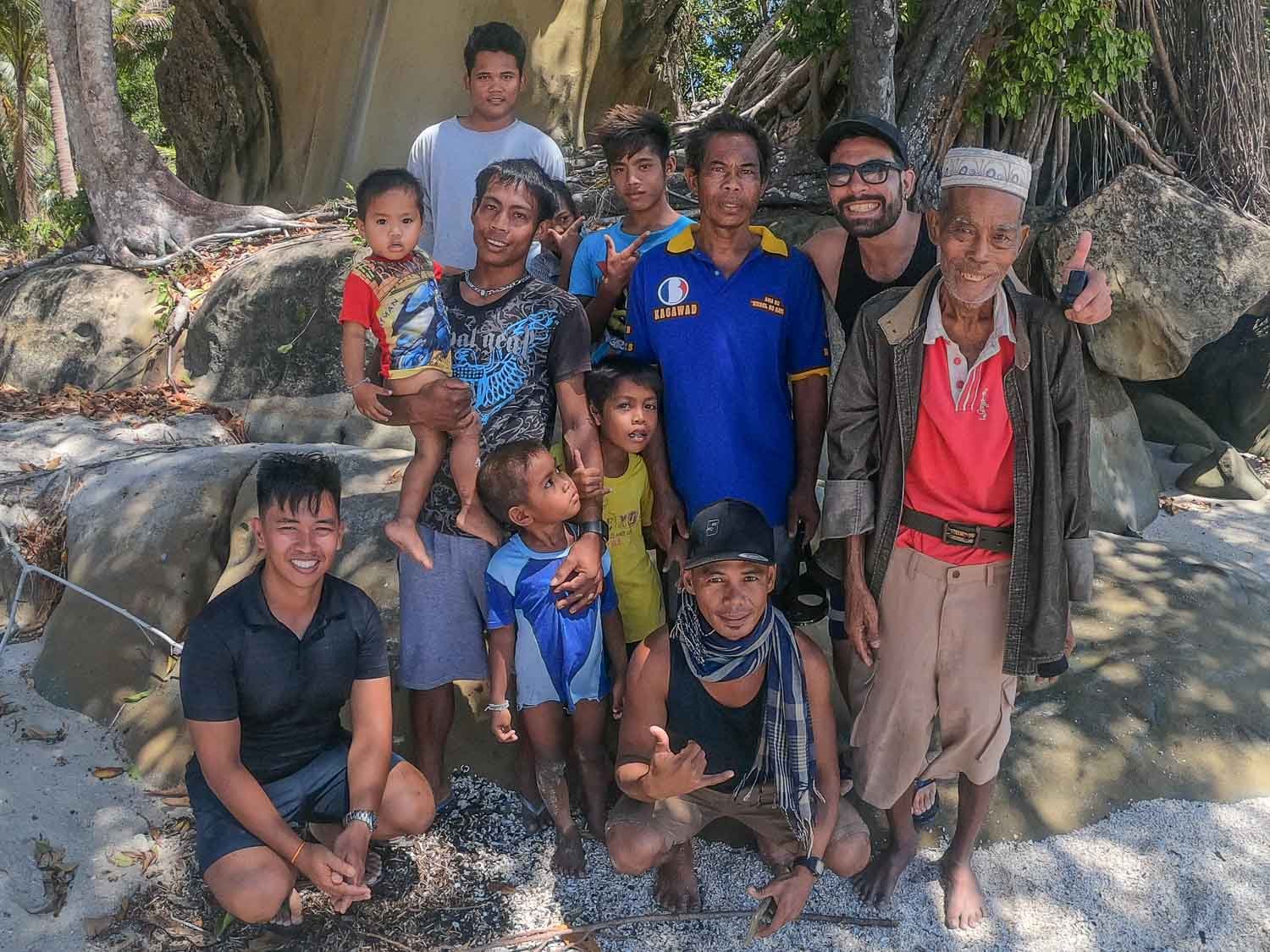
Respect for older people is visible throughout Filipino society, in language, gestures, and daily behavior. Younger Filipinos commonly use po and opo when speaking to elders as markers of deference. Po is added to sentences to show respect, while opo is the respectful form of yes. You are not expected to use these yourself, but hearing them constantly is a reminder that age carries real social weight in the Philippines. Adjusting your own behavior accordingly, greeting older people first, offering your seat, speaking a little more carefully, tends to be noticed and appreciated.
In the Philippines, Filipino food culture runs deeper than nourishment. Meals are how relationships are built, how celebrations happen, and how communities stay connected. Sharing food is how people signal that they consider you worth their time. Trying local Filipino dishes is one of the most natural ways for travellers to start conversations with locals, whether over street foods, fresh seafood, or home-cooked dishes in a provincial town.
The Philippines is one of the most digitally active countries in the world. According to the Digital 2026: Philippines Report by DataReportal, Meltwater, and We Are Social, the country was home to 95.8 million social media users in late 2025, equivalent to 81.9 percent of the total population. The average Filipino spends 3 hours and 32 minutes daily on social media, with Facebook, TikTok, and YouTube the dominant platforms.
This matters for travellers because social media in the Philippines is woven into how Filipinos socialize and build relationships. It is common for new acquaintances to ask for your Instagram or Facebook account after a conversation. Sharing experiences online is a normal part of how many Filipinos stay connected with friends and family, not a superficial habit.
One of the best ways to understand Filipino traditions and Filipino cultural identity is by attending a local festival. These events take place throughout the year across different regions and reflect deep ties between faith, history, and community. Major Filipino festivals include the Sinulog Festival in Cebu, Ati-Atihan in Aklan, and the Pahiyas Festival in Lucban, Quezon. Each is distinct, shaped by local history and regional character. You can expect traditional Filipino dances, colourful costumes, religious processions, street food, and live music. They are community events that welcome outsiders, and attending one gives you a window into local life that no beach or viewpoint can match.
For a full calendar of festivals across the country, the Philippine Department of Tourism maintains an updated guide to regional events.
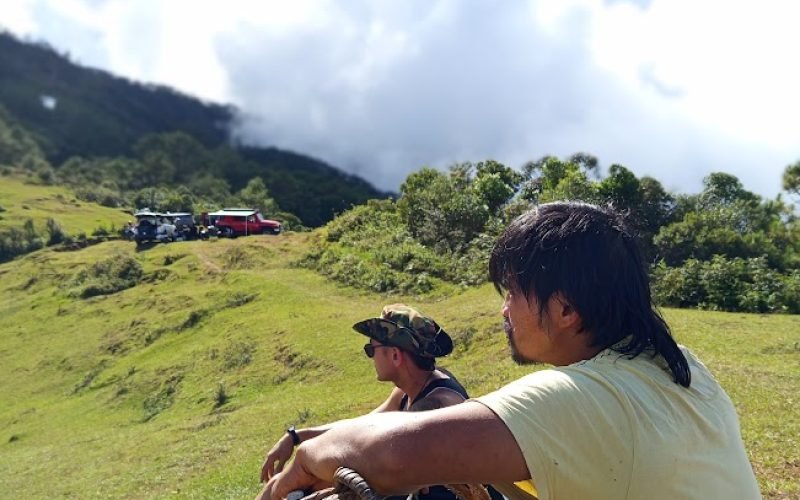
You do not need perfect language skills to connect with people in the Philippines. Small actions consistently make the biggest difference. Smile and greet people politely. Use a few basic Filipino words when you can. Be respectful of local customs, especially around religion. Ask questions with genuine curiosity rather than detached observation. Support local businesses, family-run restaurants, and market vendors where possible. Dress modestly when visiting churches or rural communities. Always ask before photographing people.
Avoid strong opinions about religion or politics with people you have just met. Both topics run deep, and attitudes vary significantly across regions. The Philippines is a culturally diverse country with over 180 languages spoken across more than 7,641 islands. Customs in Ilocos are different from customs in Mindanao, which are different again from Cebu or Palawan. Approaching each region with fresh curiosity rather than assumptions will always serve you better.
For more background on language and cultural identity across the archipelago, the Komisyon sa Wikang Filipino (Commission on Filipino Language) is the official government body overseeing the national language.
Yes. English is one of the official languages of the Philippines alongside Filipino. It is used in schools, government, business, media, and most tourist-facing environments, making communication straightforward for the vast majority of international visitors.
No. A few basic greetings go a long way toward warming up interactions. Start with salamat (thank you) and kumusta (how are you) and build from there. Locals generally appreciate any effort, however small.
Usually yes. Filipino humor is generally light, friendly, and inclusive. Some jokes rely on local slang or cultural context, but spending time with locals helps you pick it up naturally. Learning what charot and asaran mean early on helps a lot.
Very much so. Filipino hospitality is one of the most consistently observed aspects of travel in the country. Most visitors find locals approachable, helpful, and genuinely happy to share recommendations, directions, or a meal.
These are markers of respect used when speaking to elders or authority figures. Po is added to statements or questions to show politeness. Opo is the respectful form of yes. You are not expected to use them yourself, but understanding them helps you read Filipino social dynamics more accurately.
Questions about your marital status, family, or job are standard small talk in the Philippines, not intrusive probing. They reflect genuine interest in helping you fit in socially and in making conversation feel personal. Answering briefly and warmly is always well-received.
Yes. According to the Digital 2026 report, Filipinos spend an average of nearly four hours a day on social media, making the Philippines one of the most active social media markets in the world. Do not be surprised if social media comes up quickly in conversation or if someone asks to connect with you online.
Bayanihan is a centuries-old Filipino value of communal unity and mutual help. Traditionally represented by neighbors helping carry a house together to a new location, it lives on today in how communities support each other during difficult times, including typhoons and other hardships. Understanding it helps explain why Filipino hospitality often feels like more than just personal warmth.


Philippines Travel Guide seeks to share the vibe of an authentic experience through our idea of adventure travel for explorers and memory seekers in the Philippines.