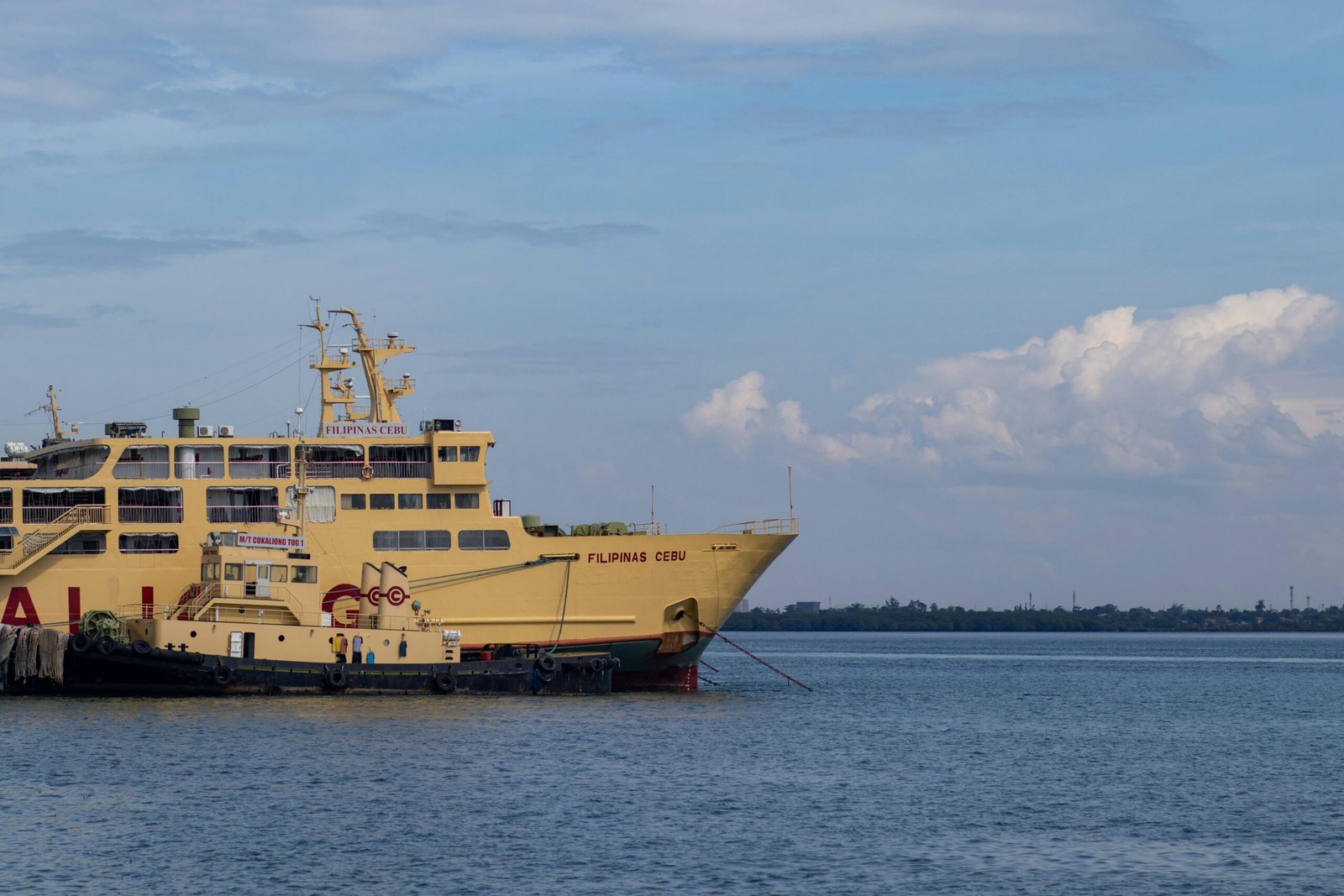
Many first-time visitors think Manila represents the entire Philippines. That’s understandable, since it’s the country’s largest city and the place where most international flights arrive. But once you leave the capital, you’ll quickly realize how different the rest of the country feels.
Outside Metro Manila, you’ll find quiet fishing villages, mountain towns, rice fields, island communities, and beaches that look nothing like the capital’s busy streets. Life slows down, people know their neighbors, and every province has its own traditions, food, and personality.
Neither is better than the other. Manila gives you a taste of modern city life, while Provincial Philippines lets you experience the country’s natural beauty and local culture. If it’s your first visit, understanding these differences will help you build a better itinerary and know what to expect before you arrive.
If you are still planning your trip, our guide to where to go in the Philippines for first-time visitors covers the best destinations to start with, along with what to expect from each one.
Here’s a quick look at how Metro Manila compares with Provincial Philippines.
Feature | Manila | Provincial Philippines |
Lifestyle | Busy and fast-paced | Relaxed and slower |
Transportation | MRT, LRT, buses, jeepneys, Grab | Jeepneys, tricycles, buses, ferries, motorbikes |
Cost | Generally higher | Usually more affordable |
Traffic | Heavy during rush hour | Lighter in most areas |
Shopping | Large malls and international brands | Local markets and independent shops |
Nature | Parks and historical sites | Beaches, waterfalls, mountains and islands |
Nightlife | Vibrant | Mostly quiet, except tourist destinations |
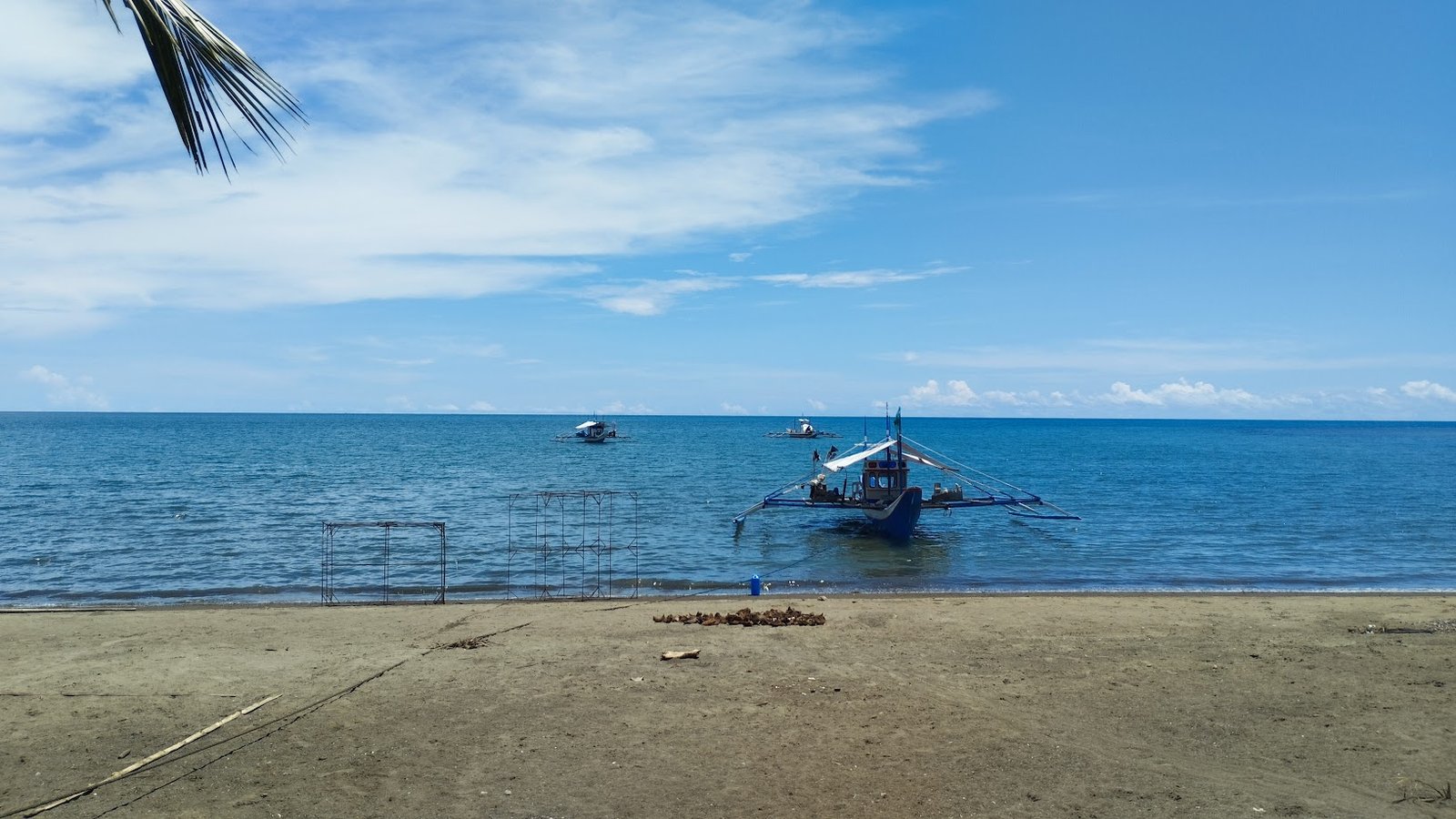
When Filipinos say they are “going to the province,” they simply mean they are leaving Metro Manila.
The provinces include everything from large cities like Cebu, Davao, and Iloilo to small coastal towns, farming communities, mountain villages, and remote islands. Every region has its own local dishes, festivals, language, and traditions, which is why travelling around the Philippines never feels repetitive.
You could spend one week exploring the limestone cliffs of Palawan, then head north to the rice terraces of Ifugao, or visit the heritage streets of Vigan. Each destination feels completely different from the last.
With more than 7,600 islands, the Philippines is one of the world’s largest archipelagos. That geography has shaped not only the scenery but also the culture, food, and way people live. It is one of the reasons so many visitors return to explore a different part of the country each time. Our guide to the most popular destinations in the Philippines is a good starting point for deciding where to go first.
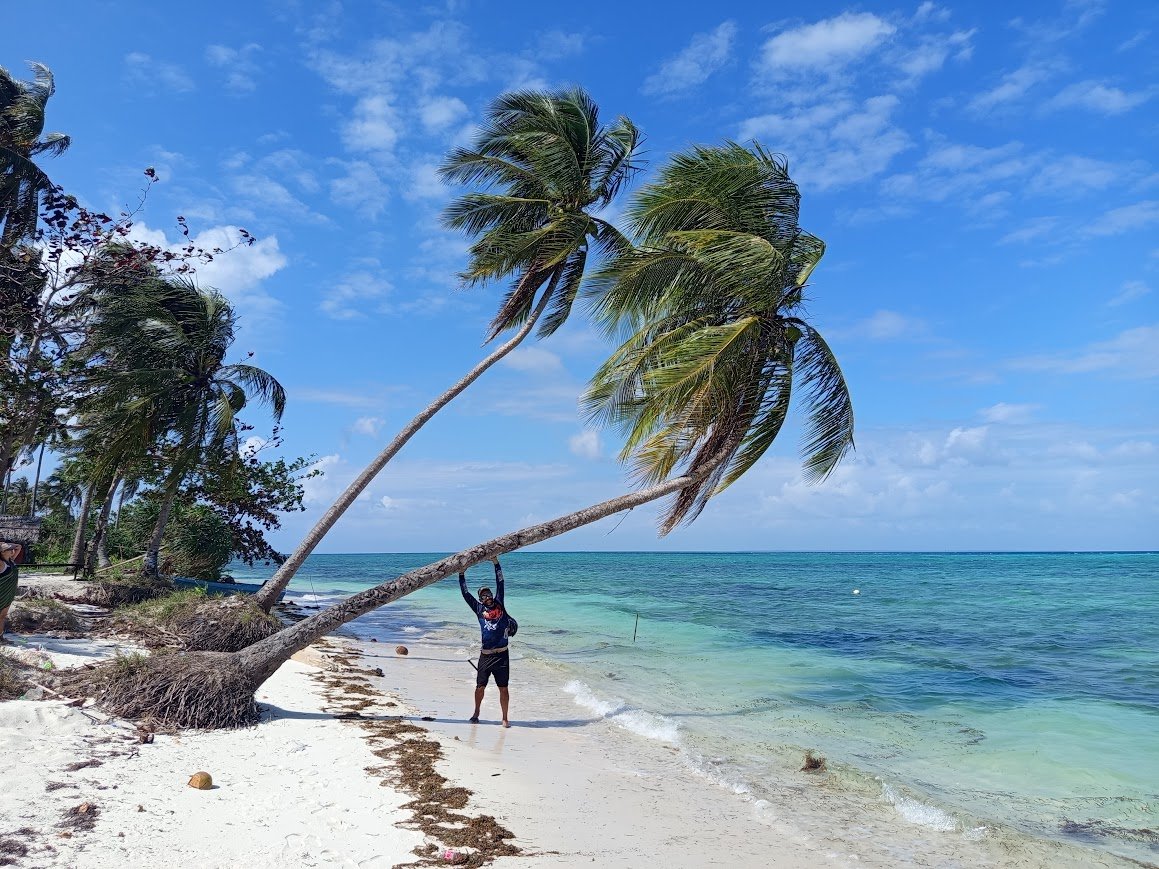
The biggest difference isn’t the buildings or the beaches. It’s the pace of life.
In Metro Manila, people are almost always on the move. Roads stay busy throughout the day, shopping centres are packed on weekends, and long commutes are simply part of everyday life. It is exciting, energetic, and full of things to do, but it can also feel overwhelming if it is your first time visiting.
Life in the provinces is noticeably calmer. Mornings often start with local markets opening, fishermen returning to shore, or farmers heading to work. Shops usually close earlier than they do in Manila, and evenings are quieter. Instead of spending hours in traffic, many people walk, cycle, or take a short tricycle ride into town.
This slower pace is exactly what many visitors fall in love with. It gives you more time to enjoy the scenery, chat with locals, and appreciate the small moments that often become the most memorable part of the trip.
Getting around Manila and the provinces is straightforward, but the options differ.
In Metro Manila, you can travel by MRT, LRT, buses, jeepneys, taxis, and Grab. While transport is widely available, heavy traffic can significantly increase travel times. Our guide to navigating Manila’s public transport covers everything you need to know about getting around the capital, including routes, fares, and tips for avoiding the worst of the congestion.
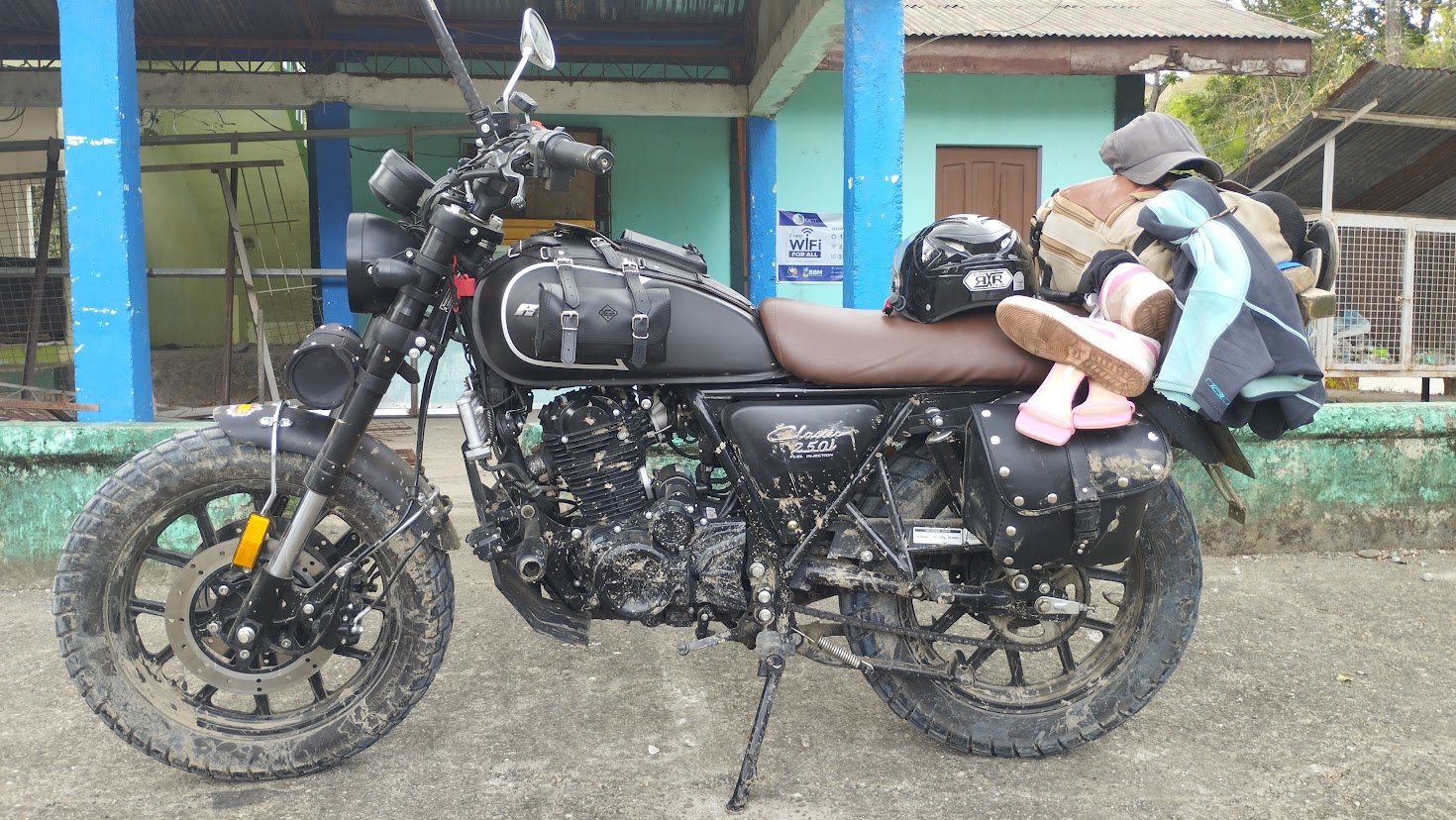
In the provinces, you will mainly use jeepneys, tricycles, buses, ferries, and vans. For longer overland routes, the provincial bus experience is an affordable and practical option that connects most major towns and cities. Renting a motorbike is also popular, especially in destinations like Palawan, where it gives you the freedom to explore scenic routes, quiet beaches, and hidden attractions at your own pace. If that appeals to you, our ultimate guide to motorbike rentals in Palawan has everything you need before you head out.
For the latest transport updates and travel advisories, the Department of Transportation (DOTr) is the official government source.
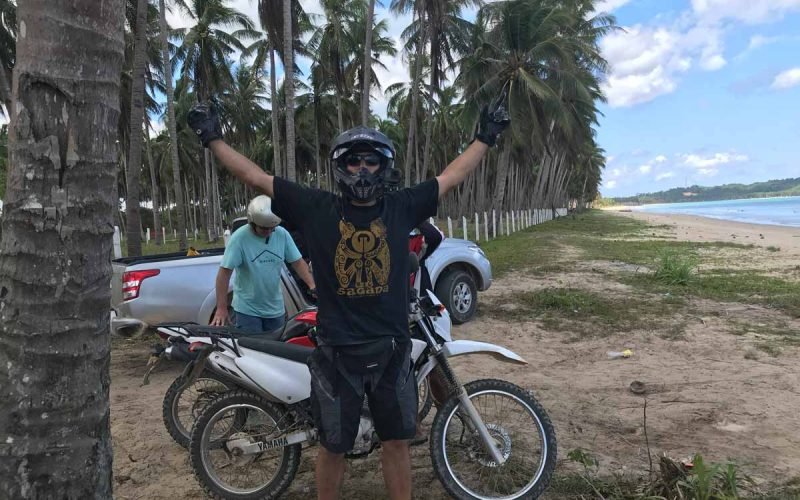
Compared with many destinations in Southeast Asia, the Philippines is still an affordable place to travel. Even so, you will usually spend more in Metro Manila than you would in most provinces.
Hotels, restaurants, transport, and entertainment generally cost more in the capital, especially in business districts and popular shopping areas. Outside Manila, your budget often stretches much further. Family-run guesthouses, local restaurants, and small resorts usually offer excellent value, and many of the country’s best attractions, including beaches, waterfalls, hiking trails, and scenic viewpoints, cost very little to visit.
There are exceptions. Well-known destinations like Boracay, El Nido, Coron, and parts of Siargao can be just as expensive as Manila during peak season because of their popularity. If you are travelling on a tighter budget, our list of the cheapest places to travel in the Philippines is worth reading before you finalise your plans.
Whichever region you visit, it is worth knowing whether to rely on cash or cards. Our guide on whether you need cash in the Philippines explains what to expect across different destinations.
One thing you won’t struggle with in the Philippines is finding good food. Whether you’re in the middle of Manila or a small town several hours away, eating well is part of the experience. The difference lies in what you’ll find and how you’ll experience it.
In Metro Manila, almost every cuisine is available. You can have breakfast in a local carinderia, lunch at a Japanese ramen shop, and dinner at a rooftop restaurant serving modern Filipino dishes. The city is also home to many of the country’s top chefs, making it the best place to try contemporary versions of classic Filipino favourites.
The provinces tell a different story.
Meals are often cooked using ingredients sourced nearby. Fish comes straight from the morning’s catch, vegetables are harvested locally, and recipes have been passed down through generations. Instead of trendy cafés, you’ll often find family-run eateries serving dishes they’ve perfected for decades.
Every province also has its own signature food.
Some favourites include:
If you’re the type of traveller who enjoys eating where the locals eat, you’ll probably enjoy the provinces even more than Manila.
If your dream holiday involves beaches, waterfalls, mountains, and island hopping, you’ll spend most of your time outside Manila.
The capital has plenty to see. You can explore Intramuros, walk through Rizal Park, visit the National Museum Complex, or spend hours shopping in some of Asia’s largest malls. It’s an excellent place to learn about Philippine history and experience the country’s modern side.
Once you leave the city, the scenery changes completely.
You’ll find limestone cliffs in Palawan, the famous Chocolate Hills in Bohol, surfing beaches in Siargao, volcanoes in Albay, and the breathtaking Banaue Rice Terraces, a UNESCO World Heritage Site that has been farmed for centuries.
Many travellers only plan to visit one island but end up wishing they had more time.
Some of the country’s most popular outdoor activities include:
If adventure is your priority, the provinces are where you’ll spend most of your trip.
Shopping is another area where Manila and the provinces feel very different.
Metro Manila is home to some of the biggest shopping malls in Asia. Places like SM Mall of Asia, Greenbelt, and SM Megamall combine shopping, cinemas, restaurants, museums, and entertainment under one roof. If you are looking for international brands or luxury shopping, you will have plenty of choices.
Outside Manila, shopping is usually more personal. Instead of department stores, you will find public markets, weekend bazaars, artisan shops, and family-owned businesses selling handmade souvenirs, woven products, locally roasted coffee, and regional delicacies.
The nightlife is different too. Manila has rooftop bars, clubs, live music venues, and restaurants that stay open late. Provincial towns are generally quieter, although popular destinations like Boracay, El Nido, Coron, Cebu, and Siargao still have lively beach bars and relaxed nightlife without feeling as crowded as the capital. If authentic souvenirs rather than international brands are what you are after, shopping in the provinces is usually the better experience.
Reliable internet has become important for almost every traveller, whether you’re working remotely or simply navigating with Google Maps.
In Metro Manila, internet speeds are generally faster. Hotels, shopping malls, cafés, coworking spaces, and restaurants usually offer Wi-Fi, while 4G and 5G coverage is widely available.
Connectivity has improved across much of Provincial Philippines as well, especially in popular tourist destinations. Resorts, cafés, and hotels often provide reliable internet, making it easier than ever for digital nomads to work while travelling.
That said, don’t expect the same level of service everywhere.
Remote islands, mountain villages, and protected natural areas may still have weak or intermittent mobile signals. Before heading off the beaten path, it’s worth downloading offline maps and saving important travel documents on your phone.
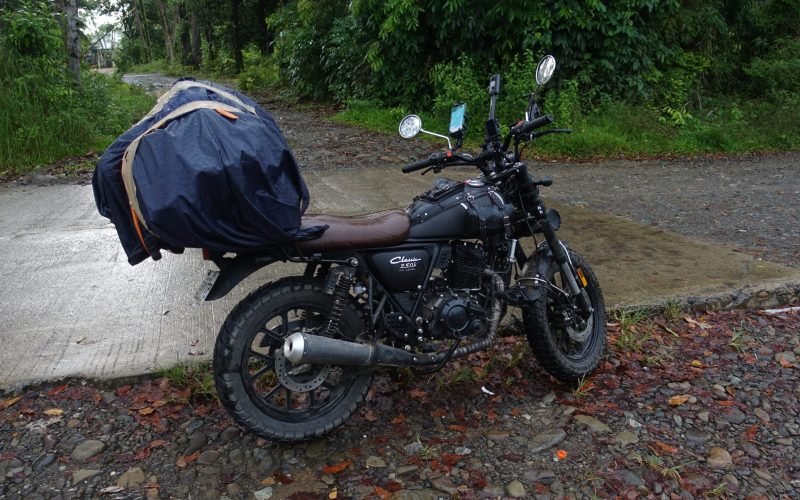
Many first-time visitors ask whether it’s safer to stay in Manila or travel around the provinces.
The truth is that both can be enjoyed safely with a little common sense.
Like any large city, Metro Manila experiences petty crime such as pickpocketing, especially in crowded transport hubs, markets, and tourist areas. Staying alert, keeping valuables secure, and using trusted transportation services are usually enough to avoid problems.
In the provinces, crime rates are generally lower, and many travellers comment on how welcoming local communities are. It’s common to receive directions, travel tips, or even invitations to local celebrations from people you meet along the way.
No matter where you’re travelling, it’s always worth following a few basic precautions:
There isn’t a right or wrong answer because both offer completely different experiences.
If you’re interested in history, museums, shopping, food, and nightlife, spending a few days in Metro Manila is well worth it. It’s the country’s cultural and commercial hub, and many of the Philippines’ most important historical sites are found here.
If you’re hoping to spend your holiday on white-sand beaches, explore waterfalls, go island hopping, or experience local life at a slower pace, you’ll probably enjoy Provincial Philippines even more.
Most visitors don’t have to choose one over the other.
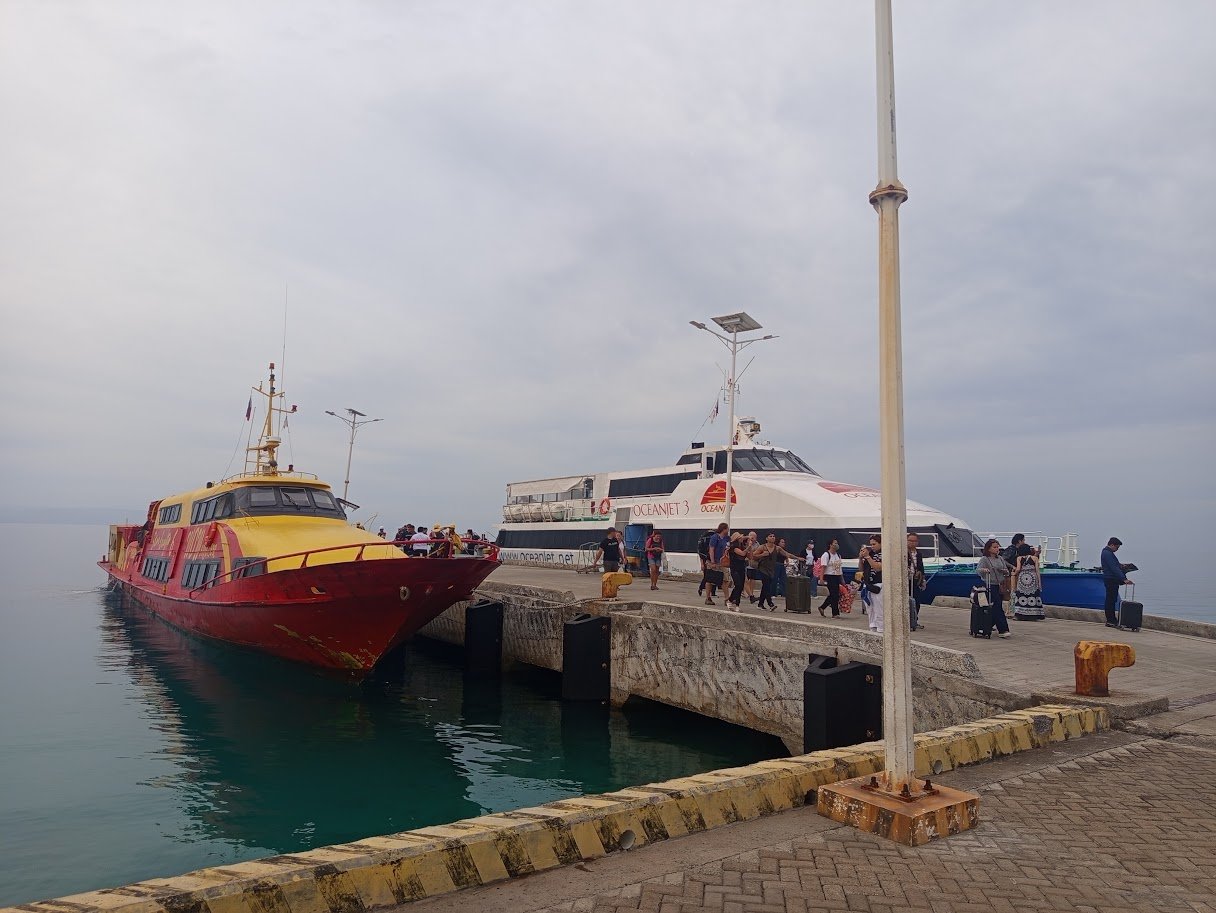
A popular itinerary is to spend one or two days in Manila before flying or taking a ferry to destinations like Palawan, Cebu, Bohol, Siargao, or Siquijor. That way, you get a glimpse of city life before discovering the landscapes the Philippines is famous for.
A little preparation goes a long way, especially if it’s your first time visiting the Philippines.
Here are a few simple tips to make your trip smoother:
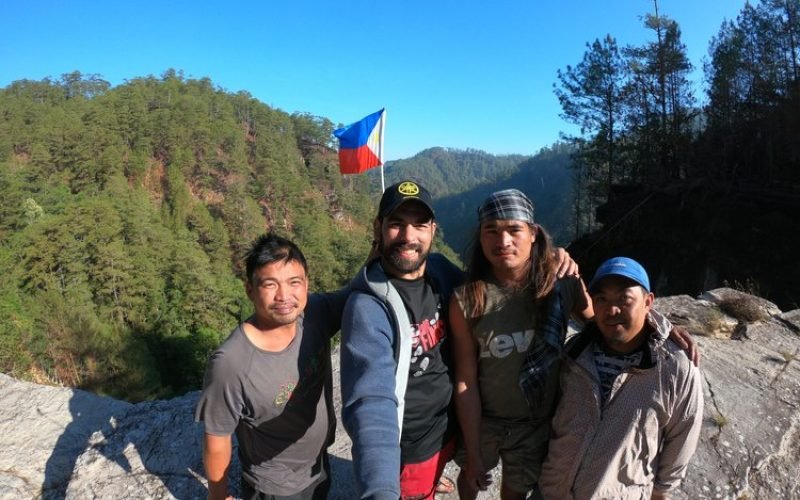
Still deciding whether to spend more time in Manila or the provinces? Here are answers to some of the questions travelers ask most often.
Is Manila worth visiting?
Yes. While many people use Manila as a gateway to the islands, it is also home to Intramuros, the National Museum, Rizal Park, vibrant food districts, and some of the country’s best shopping and nightlife.
Is Provincial Philippines cheaper than Manila?
Generally yes. Accommodation, local transport, and restaurants are usually more affordable outside Metro Manila. Prices may be higher in popular tourist destinations like Boracay, El Nido, and Coron, especially during peak season.
How many days should I spend in Manila?
Most first-time visitors spend two or three days exploring Manila before travelling to other islands.
Which is better for beaches?
If beaches are your priority, Provincial Philippines is the clear winner. Destinations like Palawan, Boracay, Siargao, and Camiguin offer some of the country’s best coastal scenery. Our guide to beaches beyond Boracay is worth reading if you want to go beyond the obvious choices.
Is English widely spoken?
Yes. English is widely spoken throughout the Philippines, especially in hotels, restaurants, airports, and tourist destinations, making it easy for international visitors to communicate.
What is the best way to travel between islands?
Domestic flights are the quickest option for longer distances, while ferries connect many neighbouring islands.
Is renting a motorbike a good idea?
For experienced riders, yes. Renting a motorbike is one of the best ways to explore destinations like Palawan, Siargao, and Bohol. It allows you to travel at your own pace and visit places that public transport does not always reach.
Which destination is better for first-time visitors?
Most travellers enjoy combining both. Spend a short time in Manila, then continue to one or two provinces to experience the country’s beaches, mountains, and local culture.
What is the best time to visit the Philippines?
The dry season, which generally runs from November to May, is considered the best time to visit. Weather conditions vary by region, so it is always worth checking before travelling. Our guide on what no one tells you about travelling during typhoon season is useful if your dates fall outside the dry season window.


Philippines Travel Guide seeks to share the vibe of an authentic experience through our idea of adventure travel for explorers and memory seekers in the Philippines.