Best Filipino Foods in the Philippines: The Complete Guide (2026)
The Philippine Islands are truly blessed with natural wonders, rich culture, and breathtaking landscapes. Home to stunning mountains, active volcanoes, pristine white-sand beaches, remarkable marine life, and some of the warmest people in Southeast Asia, the Philippines is one of the most fascinating countries in the world to explore.
Whether you are planning your first visit or simply want to learn more before you travel, these interesting and fun facts about the Philippines will give you a deeper appreciation of this incredible archipelago. Understanding the country’s geography, history, culture, and people makes for a more meaningful and rewarding travel experience.
Table of Contents
What are the Interesting and Fun Facts About the Philippines?
Many travelers visiting the Philippines want to learn some fun facts about the country before exploring its beaches, mountains, and cultural landmarks. Here is a comprehensive list of facts that make the Philippines one of the best destinations in Asia.
Geography and Islands
The Philippines is an archipelago of 7,641 islands clustered into three major island groups: Luzon, the Visayas, and Mindanao. Only about 2,000 islands are inhabited, and thousands of smaller islands remain unnamed or uninhabited.
The Philippines is divided into 18 regions, 82 provinces, 149 cities, 1,493 municipalities, and 42,011 barangays.
Luzon is the largest island, located in the northern Philippines. It is home to the capital city Manila, the Cordillera Mountains, and iconic destinations including Baguio City, Sagada, Banaue, and Pangasinan.
The Hundred Islands National Park in Alaminos, Pangasinan, is one of the most remarkable geographic features in the country and an ideal starting point for first-time visitors.
The total land area of the Philippines is 298,170 square kilometres (115,124 sq. miles), and the population density is 395 people per square kilometre as of 2026. Despite this relatively modest land area, the Philippines has a coastline of approximately 36,290 kilometres, making it one of the longest coastlines in the world. According to Britannica, the archipelago stretches about 1,150 miles (1,850 km) from north to south.
The Mindanao Trench, also known as the Philippine Trench, reaches a depth of approximately 10,540 metres (34,580 feet) below sea level, making it the third deepest ocean trench on Earth. The Philippines sits directly along the Pacific Ring of Fire, making it one of the most seismically and volcanically active countries in the world. This geological positioning is responsible for its dramatic terrain, hot springs, and landscapes that draw adventure travelers globally.
The Visayas island group covers the central Philippines and includes popular destinations such as Cebu, Leyte, Siquijor, Guimaras, and Negros Island. Mindanao, the second-largest island, is home to Mt. Apo, diverse indigenous communities, and some of the most unexplored natural landscapes in the country.
Capital City and Language
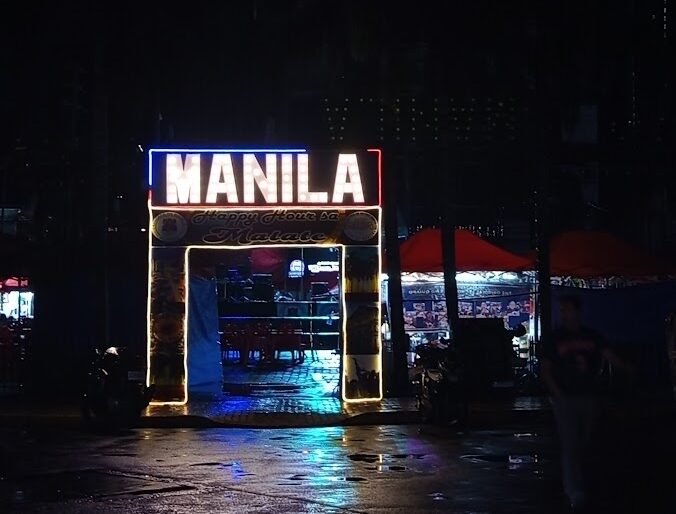
The capital of the Philippines is Manila, named after the “Nilad,” a type of white-flowered mangrove plant that once lined the shores of Manila Bay. Metro Manila is home to approximately 13.48 million people, making it the country’s most populous metropolitan area.
Metro Manila blends colonial heritage, modern skyscrapers, and vibrant street life. Key districts include Intramuros, the historic Spanish-era walled city, Bonifacio Global City (BGC), the modern financial district, and Binondo, the world’s oldest Chinatown established in 1594.
The national languages of the Philippines are Filipino and English. The Philippines is also recognized as the third-largest English-speaking country in the world, according to Britannica.
Learning some essential Filipino phrases before your trip can go a long way in connecting with locals and showing respect for the culture.
Religion and Festivals
The Philippines is the only predominantly Christian nation in Asia. Islam is the country’s second-largest religion, with 6.4% of the population according to the 2020 census. Most Muslims live in Mindanao and nearby islands.
The country is also home to communities of Iglesia ni Cristo, Aglipayan, and various Protestant denominations. Understanding religion in the Philippines helps travelers appreciate the country’s deep spiritual diversity.
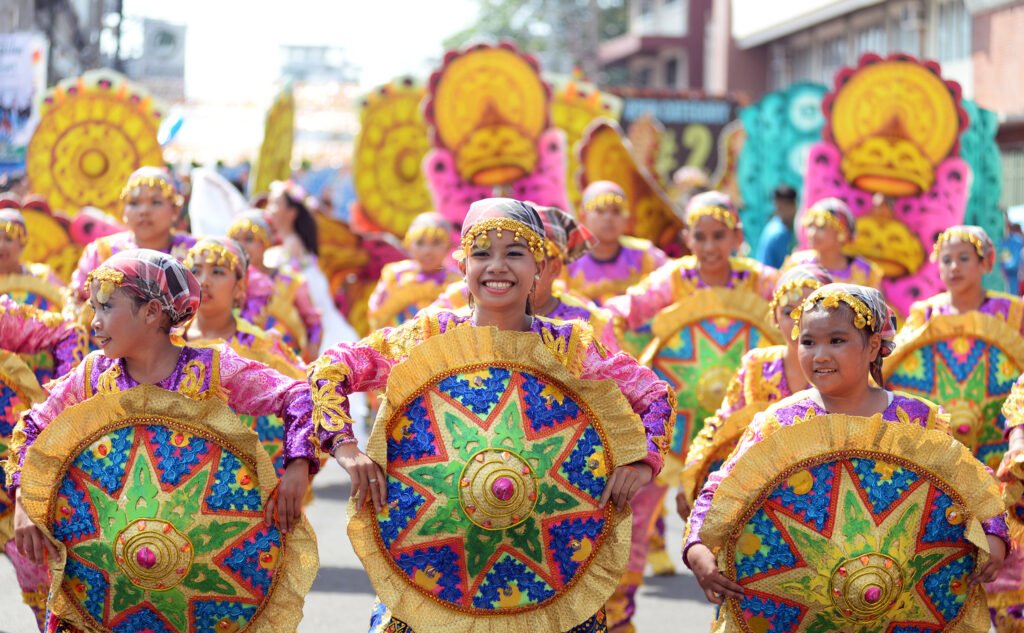
Filipino festivals, known as “fiestas,” are vibrant expressions of faith, culture, and community. Some of the most famous include the Sinulog Festival in Cebu, the Ati-Atihan Festival in Aklan, the Panagbenga Flower Festival in Baguio, and the Pahiyas Festival in Quezon. Read more about traditional Filipino festivals you must experience at least once.
The Philippines also holds the distinction of having the longest Christmas season in the world, with celebrations traditionally beginning as early as September. Discover why in why Filipinos celebrate Christmas for four months.
Volcanoes and Natural Wonders
The Philippines has over 200 volcanoes, with around two dozen classified as active by the Philippine Institute of Volcanology and Seismology (PHIVOLCS). Notable examples include Mount Pinatubo, known for its powerful 1991 eruption, and Mayon Volcano, famous for its near-perfect cone shape.
Mount Apo, the country’s highest peak, is a top destination for trekking in the Philippines and outdoor adventure. Travelers planning mountain trips can explore more in this Philippines travel guide.
The Puerto Princesa Subterranean River National Park in Palawan is a UNESCO World Heritage Site and one of the New Seven Wonders of Nature, featuring an underground river flowing through a limestone karst landscape. Learn more in the Puerto Princesa travel guide.
Other natural highlights include the Chocolate Hills in Bohol, with over 1,200 cone-shaped hills that turn brown during the dry season, and the Tubbataha Reefs Natural Park, a world-class diving destination in the Philippines known for its rich marine biodiversity. For more, see the best diving spots in the Philippines.
The Banaue Rice Terraces in Ifugao were carved into the mountains by indigenous communities over 2,000 years ago and are often called the “Eighth Wonder of the World.” You can explore more cultural landmarks in the Philippines destinations guide.
Archaeological discoveries in the Tabon Caves in Palawan suggest human presence in the Philippines dating back tens of thousands of years. For more insights, read the history of the Philippines.
History and Independence
Ferdinand Magellan, a Portuguese explorer sailing under the Spanish flag, was the first European to reach the Philippines in March 1521. He landed on the island of Homonhon in Eastern Samar before establishing an alliance with Rajah Humabon of Cebu. Magellan was killed in the Battle of Mactan on April 27, 1521, by the indigenous chieftain Lapu-Lapu, celebrated today as the first Filipino hero to resist foreign colonization.
The Philippines was a Spanish colony from 1565 to 1898, a period of 333 years that deeply shaped Philippine religion, language, architecture, and culture. Spanish rule was followed by American colonial administration from 1898 to 1946, during which the modern public education system, infrastructure, and democratic institutions were established.
The Philippines declared independence on June 12, 1898, and became officially recognized as an independent republic on July 4, 1946, making it the first Southeast Asian country to gain full independence following World War II. The Battle of Leyte Gulf in October 1944, fought in Philippine waters, remains one of the largest naval battles in recorded history, involving over 200,000 naval personnel, according to the Naval History and Heritage Command.
Understanding this rich history adds depth to visiting heritage sites, old churches, and cultural museums across Manila and other historic cities. The National Historical Commission of the Philippines (NHCP) maintains detailed records of key historical sites and events across the archipelago.
The Philippine Flag
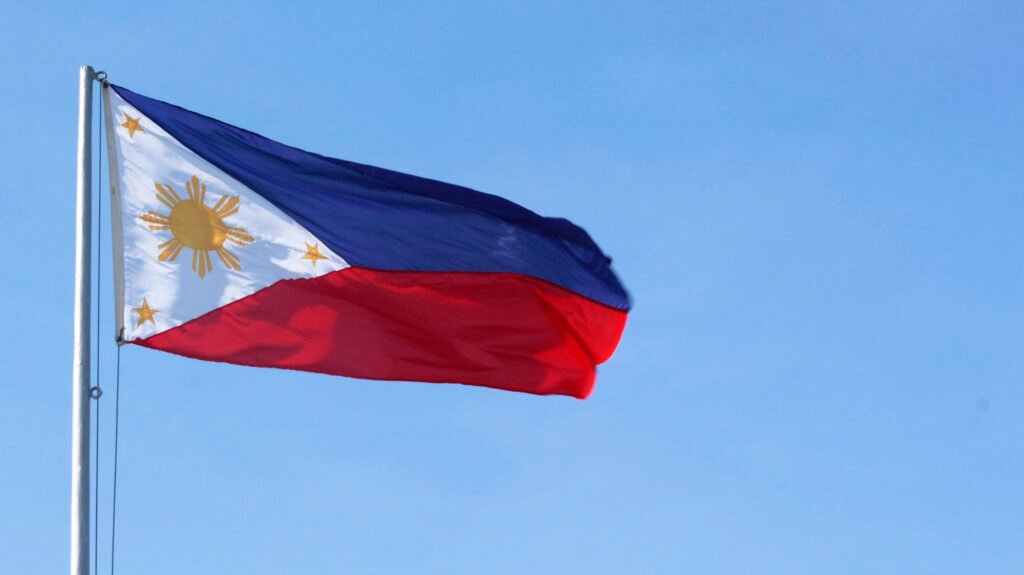
The current Philippine flag features three stars, a sun, and the colors white, yellow, red, and blue. The three stars represent Luzon, Visayas, and Mindanao. The sun’s eight rays symbolize the eight provinces that first revolted against Spanish colonization: Cavite, Bulacan, Pampanga, Nueva Ecija, Tarlac, Laguna, Batangas, and Manila.
The original flag was designed and sewn in Hong Kong in 1898 by Filipino revolutionaries during the Philippine Revolution. A unique tradition: the Philippines displays its flag upside down to signal a state of war, one of the few countries in the world with such a practice.
Food and Cuisine
Filipino cuisine reflects centuries of cultural exchange, blending Malay, Spanish, Chinese, and American culinary influences. Iconic dishes include adobo, sinigang, lechon, kare-kare, and sisig from Pampanga. Street food favorites like balut, isaw, and kwek-kwek are found at roadside stalls nationwide.
The Philippine Carabao mango was recognized by the Guinness World Records as the sweetest mango variety in the world. Mangoes peak during April and May, making summer the best time to enjoy this prized tropical fruit at wet markets and roadside stalls across the country.
For travelers with dietary preferences, vegetarian and vegan travel in the Philippines is increasingly accessible in urban areas and tourist destinations.
Marine Life and Biodiversity
The Philippines is situated within the Coral Triangle, the global center of marine biodiversity, covering approximately 2.3 million square kilometres across six countries. According to the Coral Triangle Initiative, Philippine waters are home to more than 12,000 species of seashells, over 2,000 species of reef fish, and more than 500 coral species.
The Philippines is recognized as one of the world’s 17 megadiverse countries by Conservation International, containing a disproportionately large share of global biodiversity relative to its land area.
Marine life highlights include whale sharks (butanding), thresher sharks, manta rays, dugongs, and sea turtles. Top dive sites include Tubbataha Reef, Apo Island, Moalboal, and the waters around Palawan. Read the full best diving spots in the Philippines guide for a complete overview.
The Philippine Eagle, the national bird, is one of the largest eagles in the world with a wingspan of up to 2 metres. It is critically endangered, with fewer than 800 individuals estimated to remain in the wild, primarily in Mindanao, according to the Philippine Eagle Foundation.
Adventure and Outdoor Activities
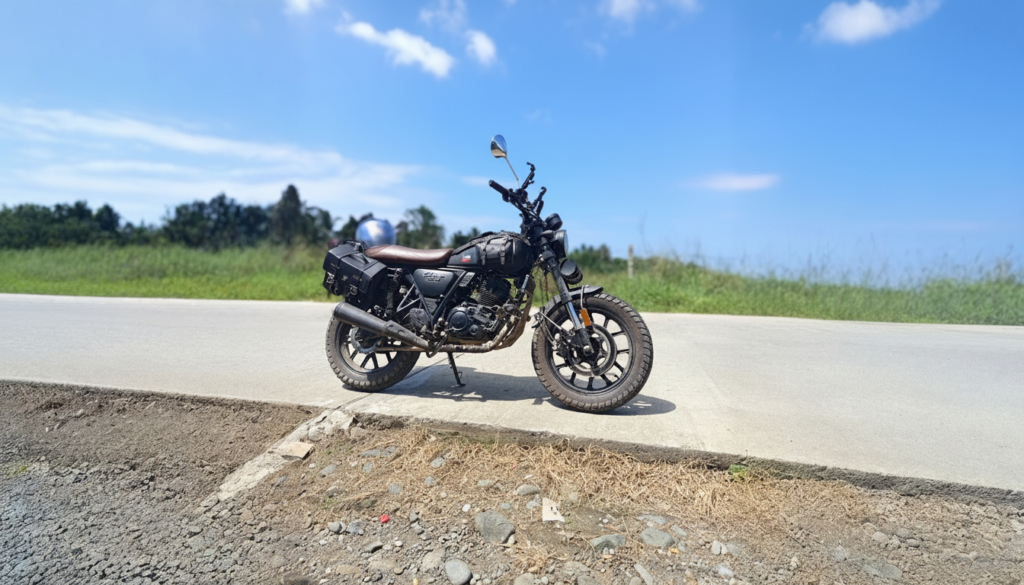
The Philippines is a world-class destination for outdoor adventure and nature-based tourism. Popular activities include island hopping, scuba diving, surfing at Cloud 9 in Siargao, rock climbing, waterfall trekking, caving, kayaking, and motorbike touring across Palawan and Visayas.
For thrill-seekers, rock climbing destinations in the Philippines offer challenging routes across limestone karsts and volcanic formations. Those exploring at their own pace can read more about how to travel around by motorbike in the Philippines.
For those new to outdoor adventure, reading about first-time hiking in the Philippines and safety tips for solo adventure travelers in remote areas is strongly recommended. Camping in the Philippines is also growing in popularity, with designated campsites near mountains, waterfalls, and coastal areas.
Why Do You Need to Visit the Philippines?
The Philippines is much more than white-sand beaches and tropical sunsets. It is a destination that offers adventure, culture, history, and natural beauty in one of the most geographically diverse archipelagos in the world.
From island hopping in Palawan and exploring El Nido to trekking the Cordillera Mountains via Sagada and Buscalan, from the vibrant streets of Metro Manila to the quiet beauty of Siquijor Island and Guimaras, the Philippines has something for every type of traveler.
For travel requirements, visit the Bureau of Immigration or the Department of Foreign Affairs. You can also check the Philippines travel checklist for 2026 before your trip.
Summary
The Philippines is a destination unlike any other. Its combination of 7,641 islands, world-class marine biodiversity, and warm Filipino hospitality makes it one of the most remarkable countries to explore in Southeast Asia.
Before you pack your bags, read the Philippines travel checklist for 2026, review the geography of the Philippines, understand local customs and etiquette, and check the full Philippines Travel Guide to begin planning your adventure with confidence.
The Philippines is waiting.
Follows us on Facebook
Tips and Tricks
- Bringing Regulated Items
- Transport Options
- Popular Destinations
- Religion in the Philippines
Travel Adventures Diary
- Adventure Tours in Manila
- Adventure Tours on Bantayan Island
- Adventure Tours in Cebu
- Adventure Tours on the Island of Negros
- Adventure Tours Siquijor
- Adventure Tours in Guimaras
- Adventure Tours Gigantes
- Adventure Tours in Metro Manila
- Adventure Tours Puerto Princesa
- Adventure Tours in El Nido
- Adventure Tours in El Nido and Puerto Princesa
- Adventure Tours Baguio City
- Adventure Tours Sagada
- Adventure Tours Buscalan
- Adventure Tours Banaue
- Adventure Tours Pangasinan
- Adventure Tours Hundred Islands
- Adventure Tours in Metro Manila
- Adventure Tours in Leyte
- The Bamboo Paraiso Beach Resort
- Best Tour in Pangasinan