Quick Answer:
A complete Philippines travel checklist includes a valid passport, return ticket, eTravel registration, local currency (Philippine Peso), SIM card or internet access, accommodation bookings, transport planning, and weather-appropriate clothing. Preparing these essentials before departure ensures a smooth and stress-free travel experience.
Planning a trip to the Philippines requires more than just booking flights and hotel rooms. Whether heading to El Nido, Cebu, Siquijor, or Manila, proper preparation helps avoid delays, unexpected costs, and travel disruptions. This checklist covers documents, money, connectivity, packing, and transport planning in one place.
Not sure where to go first? Read our guide on where to go in the Philippines as a first-time visitor before diving into the checklist, or browse the most popular destinations in the Philippines for inspiration.
Preparing the correct travel documents is the most important step before departure. Missing requirements can lead to boarding issues, delays at immigration, or refusal of entry, so it is essential to double-check everything before flying. Read our NAIA airport travel guide to know what to expect on arrival, and check the NAIA 2026 updates for the latest changes at the terminal.
Essential Documents Checklist:
Important: Review official customs rules before packing to avoid bringing restricted items into the Philippines. Before you pack, review the official guide on bringing regulated items to the Philippines to avoid customs complications.
Cash is still king in the Philippines, particularly on smaller islands and in rural areas. While major cities like Manila and Cebu have widespread card acceptance, a significant number of restaurants, guesthouses, tour operators, and markets operate on a cash-only basis. Managing your money properly is one of the most overlooked steps in any Philippines trip preparation.
Daily Budget Guide:
Money Checklist
Pro tip: When travelling to places like Siargao, Coron, or Siquijor, withdraw a generous amount of cash in advance. ATM access is limited and often unreliable on remote islands. Running out of cash mid-trip is one of the most common mistakes first-time travellers make in the Philippines.
Staying connected across multiple islands is essential for navigation, booking accommodation on the go, and communication. Tourists should buy a local SIM card as soon as they land — it is significantly cheaper than roaming on a foreign plan and provides much faster data speeds.
SIM and Internet Checklist
Globe: Best for urban areas: Strong signal in Metro Manila, Cebu, Boracay, and most tourist hubs. Competitive unlimited data promos.
Smart / TNT: Best for rural reach: Wider coverage in provincial areas and some remote islands. Often, the better choice for off-the-beaten-path travel.
Coverage note: Expect limited or no signal in remote mountainous areas and smaller uninhabited islands. Download offline maps (Google Maps or Maps.Me) before departing from major towns.
For a full comparison of plans, registration steps, and eSIM options for 2026, read the Philippines SIM cards and mobile data guide for tourists.
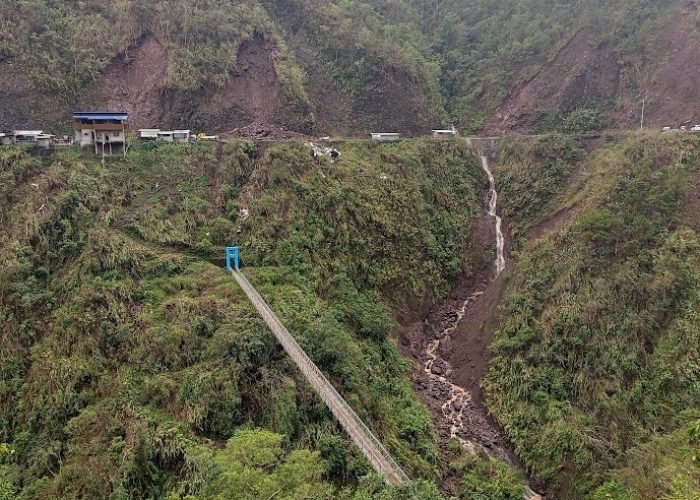
The Philippines is a tropical archipelago with high humidity, intense sun, and unpredictable afternoon rain — especially outside the dry season. Packing smart means travelling lighter, staying comfortable, and being prepared for anything. For a season-by-season breakdown of weather conditions across different regions, see the guide to weather in the Philippines.
Clothing Essentials
Travel Gear
Health and Safety Items
For a complete, season-by-season packing list including gear for hiking and adventure travel, see the ultimate Philippines packing list.
Beyond the obvious essentials, several important preparations are consistently overlooked — and they can significantly affect the quality of your trip.
Plan Inter-Island Transport in Advance
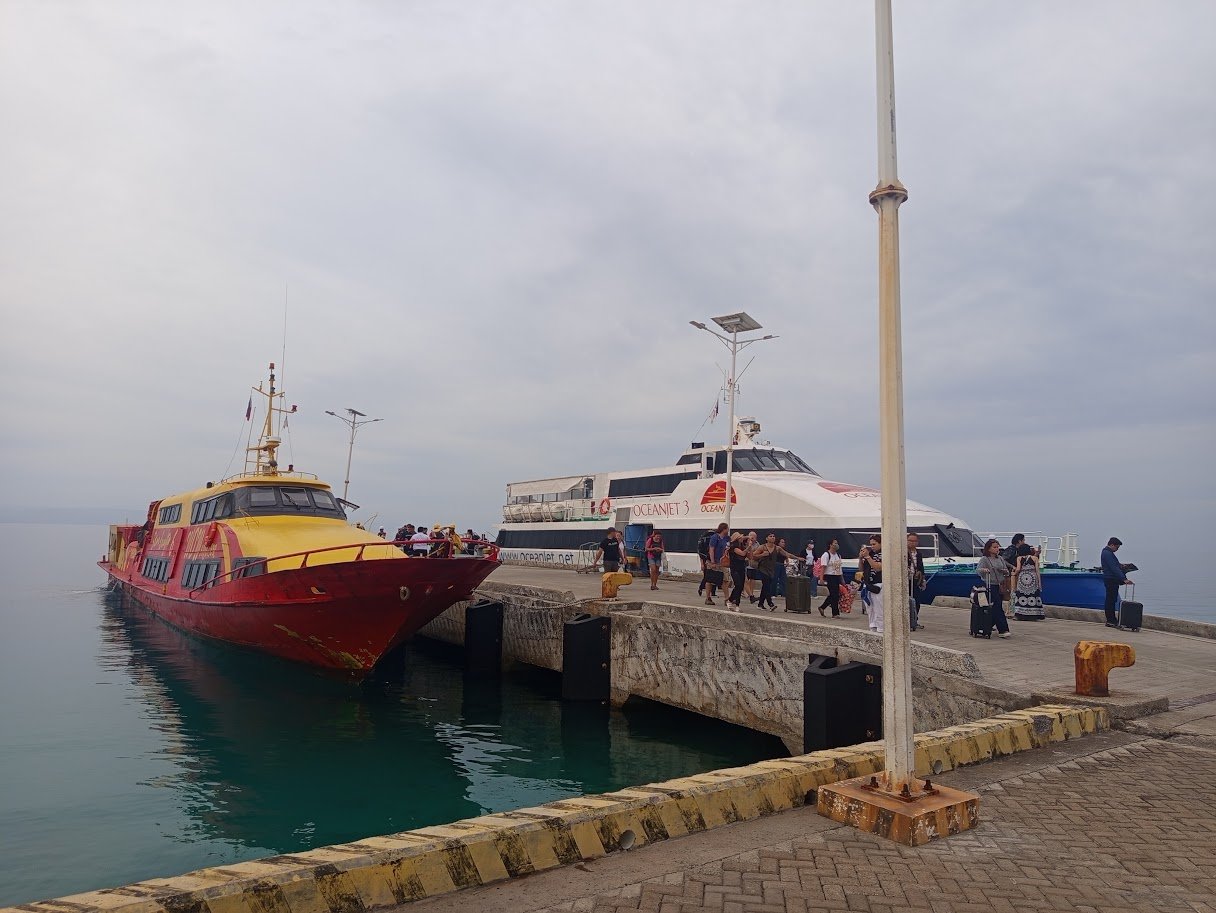
The Philippines is made up of over 7,600 islands, which makes transport planning one of the most critical parts of your itinerary. Ferries, small aircraft, and bangka boats are the main ways to move between destinations, and popular routes sell out weeks in advance during peak season. Plan your ferry travel between Philippine islands early, and understand the full range of transport options before you arrive.
Navigate Metro Manila Like a Local
If your trip starts or ends in the capital, understanding how to get around Metro Manila will save you hours. Jeepneys, the MRT, UV Express vans, and ride-hailing apps like Grab all serve the city, each with different coverage and costs. The guide to transport options in Metro Manila and navigating Manila’s public transport covers everything you need.
Learn a Few Basic Filipino Phrases
English is widely spoken across the Philippines, but knowing even a handful of Filipino words will earn you genuine warmth from locals. Simple greetings and polite expressions go a long way in rural communities. Start with the list of essential Filipino phrases every traveller should know.
Know the Geography Before You Go
Understanding the three main island groups — Luzon, Visayas, and Mindanao — helps you plan a logical, time-efficient route. Many first-time visitors underestimate distances and try to cover too much ground. The geography of the Philippines guide gives you the spatial context to plan smarter. Pair it with the best Philippines destinations to visit each month in 2026 to time your trip perfectly.
Understand Typhoon Season
The Philippines sits in the Pacific typhoon belt and experiences an average of 20 tropical cyclones per year. Travelling between June and November requires extra planning — some destinations become inaccessible, and flights get cancelled. Read the honest guide on travelling the Philippines during typhoon season before locking in your dates.
What documents do I need to travel to the Philippines?
You need a valid passport with at least 6 months of remaining validity, a return or onward ticket, and a visa if your nationality requires one. Travel insurance is strongly recommended. Check the Bureau of Immigration for the current visa-free country list, and review the rules on bringing regulated items into the Philippines.
How much money should I bring to the Philippines?
Budget travellers typically spend around $30 to $50 per day, while mid-range travellers spend $70 to $150, depending on location and activities. Always carry Philippine Peso in cash, especially when heading to smaller islands where ATMs are scarce. See the full Philippines currency and money guide for ATM tips and exchange rate advice.
Do I need a SIM card in the Philippines?
Yes. A local SIM card or eSIM is highly recommended. It is essential for navigation, making bookings, and staying in touch. Globe and Smart are the two main providers. SIM registration is legally required. Full details are in the Philippines SIM card guide for tourists.
What should I pack for the Philippines?
Pack lightweight breathable clothing, swimwear, a rain jacket, high-SPF sunscreen, insect repellent, and a dry bag for water activities. A power bank and universal adapter are essential. Check the complete Philippines packing list for a full breakdown by season.
When is the best time to visit the Philippines?
The dry season from November to May is generally the best time to visit most parts of the country. However, weather varies significantly by region — the East Coast has an inverted season. The month-by-month destination guide for 2026 helps you match your travel dates to the right islands.
Is the Philippines safe for solo travellers?
Many travelers visit the Philippines without incident, especially in established tourist areas, but safety varies by destination. Check current travel advisories and avoid higher-risk areas in parts of Mindanao and the Sulu archipelago. Read the comparison of solo vs group travel in the Philippines for a balanced perspective.
A well-prepared Philippines travel checklist is the difference between a trip that runs smoothly and one that wastes days fixing avoidable problems. By sorting your documents, cash, SIM card, and packing essentials before departure, you free yourself to focus on what actually matters — exploring one of the world’s most beautiful and diverse countries.
Before you go, check whether you have missed any of the common mistakes first-time travellers make in the Philippines. And if you are still deciding where to go, the guide on the best destinations for first-time visitors is the best place to start.
Safe travels, and enjoy the Philippines.

Philippines Travel Guide seeks to share the vibe of an authentic experience through our idea of adventure travel for explorers and memory seekers in the Philippines.