Flying into one Philippine destination and taking a ferry to another sounds simple until you have to coordinate your arrival, airport transfer, and sailing time. A delayed flight, heavy traffic, or a missed check-in deadline can quickly disrupt your plans.
Whether you’re flying to Cebu before visiting Bohol or combining several islands in one trip, here’s how to plan a flight-to-ferry connection in the Philippines and avoid common booking mistakes.
Start by checking flight arrivals and ferry departure schedules in the Philippines for your travel dates. Some routes have limited sailings, so your preferred ferry may not operate every day.
Before booking, confirm:
Don’t assume you can catch a ferry shortly after landing. Depending on your route, you may need to arrive a day early or stay overnight near the port.
Still deciding which islands to visit? Start with our first-time Philippines travel guide featuring five islands.
One common mistake is booking a ferry too soon after your flight lands.
Your scheduled arrival time isn’t when you’ll be ready to leave the airport. You’ll need time to collect your luggage, exit the terminal, arrange transport, and reach the port. International arrivals also require time for immigration and customs.
Domestic flights can be delayed, and traffic around busy airports can add another problem.
Before choosing a connection, consider:
There’s no single transfer window that works for every Philippine airport and port. Check your route and the ferry operator’s requirements before booking.
If you’re travelling on separate flight and ferry tickets, consider arriving the day before your sailing. It may cost more for an overnight stay, but it reduces the risk of missing a departure because of a delayed flight.
How far is the airport from the ferry terminal? Check this before paying for either ticket.
Some airports are close to passenger ports. Others require a long road transfer, and certain itineraries involve travelling to another town before boarding a ferry.
Confirm the following:
A short distance on a map doesn’t always mean a quick journey. Traffic, road conditions, and waiting times can affect your transfer.
If you’re travelling through Manila, our guide to jeepneys, buses, and the MRT in Manila can help you understand local transport options.
Compare your next connection: Check available ferries, buses, vans, and other transport through 12Go. Compare departure points and travel times before choosing a service. Availability depends on your route and dates.

When you book flights and ferries separately, don’t assume the ferry operator will accommodate a late-arriving flight.
Airlines and ferry companies have different rules for missed departures, refunds, cancellations, and rebooking. You may have to pay for another ticket if you arrive after check-in closes.
To reduce the risk:
Read the insurance policy carefully. Some plans exclude missed connections involving separate bookings or insufficient transfer time.
If you’ve booked a hotel, tour, or onward transport, check those cancellation terms too. One missed sailing can affect the rest of your itinerary.
Booking ahead can help during public holidays, peak travel periods, and busy island-hopping seasons. However, the best time to book a ferry in the Philippines depends on the route and operator.
Compare more than ticket prices. Check:
You can compare available Philippine ferry and bus tickets through 12Go when planning your route.
Before paying, make sure the departure time leaves enough room for your airport transfer. A cheap ticket isn’t much help if you can’t reach the terminal on time.
Routes with limited sailings may require more careful planning, especially when you have a hotel booking or another connection waiting at your destination.
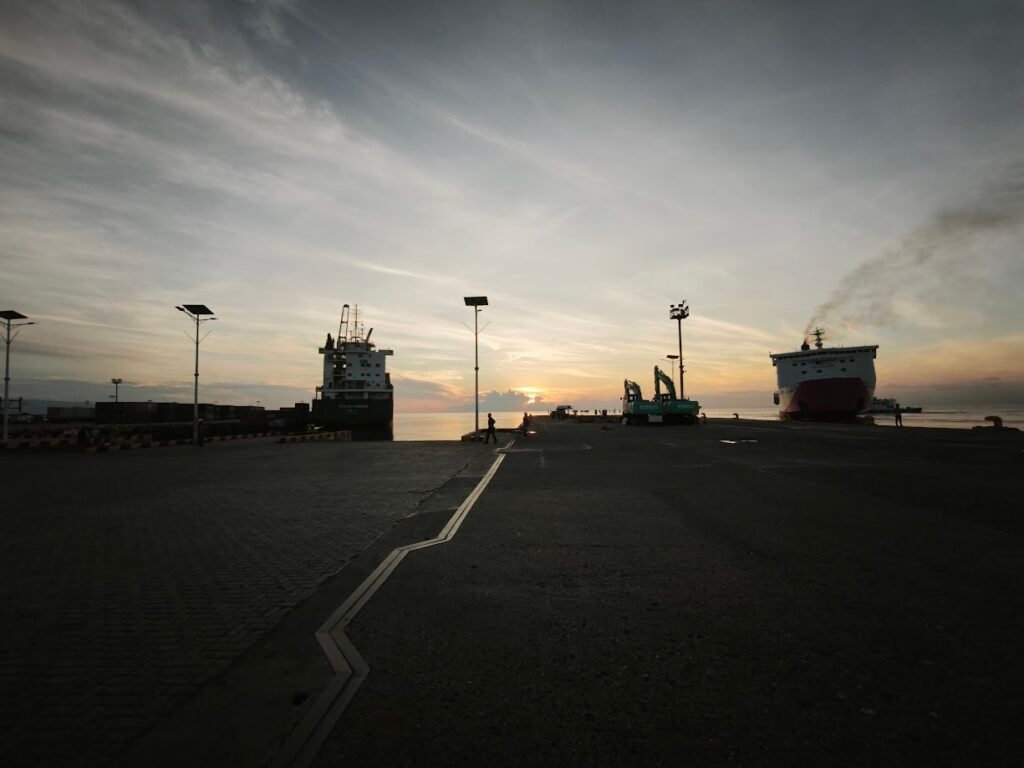
A confirmed booking doesn’t mean the schedule can’t change. Weather, sea conditions, and operational issues can affect ferry departures in the Philippines.
Check your airline’s flight status and the ferry operator’s latest announcements before leaving for the airport. Check again before travelling to the port.
For example, 2GO Travel publishes sailing schedules and travel advisories. If you’re travelling with another operator, check its official website or customer service channels.
Keep your booking contact details up to date and watch for messages about schedule changes, terminal information, or cancellations.
For broader trip-planning advice, visit our Philippines travel guide.
A few preparations can make travelling from the airport to the ferry terminal easier.
Keep these items ready:
Keep your important documents and valuables within reach rather than packing them in checked luggage.
If your flight arrives late at night or your ferry leaves early the next morning, consider booking accommodation near the airport or port.
For a more complete packing checklist, see our ultimate Philippines packing list for every season.
Even a well-planned trip can be disrupted by flight delays, heavy traffic, rough seas, or cancelled sailings. Decide what you’ll do if you can’t make your original connection.
Before travelling, check:
Avoid scheduling every transfer back-to-back on a multi-island trip. Leaving some flexibility between travel days gives you more options if something goes wrong.
If your route has only one suitable sailing, consider arriving earlier instead of relying on a last-minute connection.
Before booking your flight and ferry tickets, make sure you’ve checked:
Combining flights and ferries lets you explore more of the Philippines, but planning the connection between your flight and ferry is just as important as choosing your destinations.
Check the terminals, allow enough time for transfers, and review ticket conditions before confirming your itinerary.
Ready to plan your route? Compare available ferries, buses, and other transport options through 12Go. Check the departure points, travel dates, and booking conditions before paying.
For more practical advice on getting around the country, explore Philippines Travel Guides.
Note: Schedules, transfer times, and ticket conditions may change. Confirm the latest details with your airline and ferry operator before travelling.


Philippines Travel Guide seeks to share the vibe of an authentic experience through our idea of adventure travel for explorers and memory seekers in the Philippines.