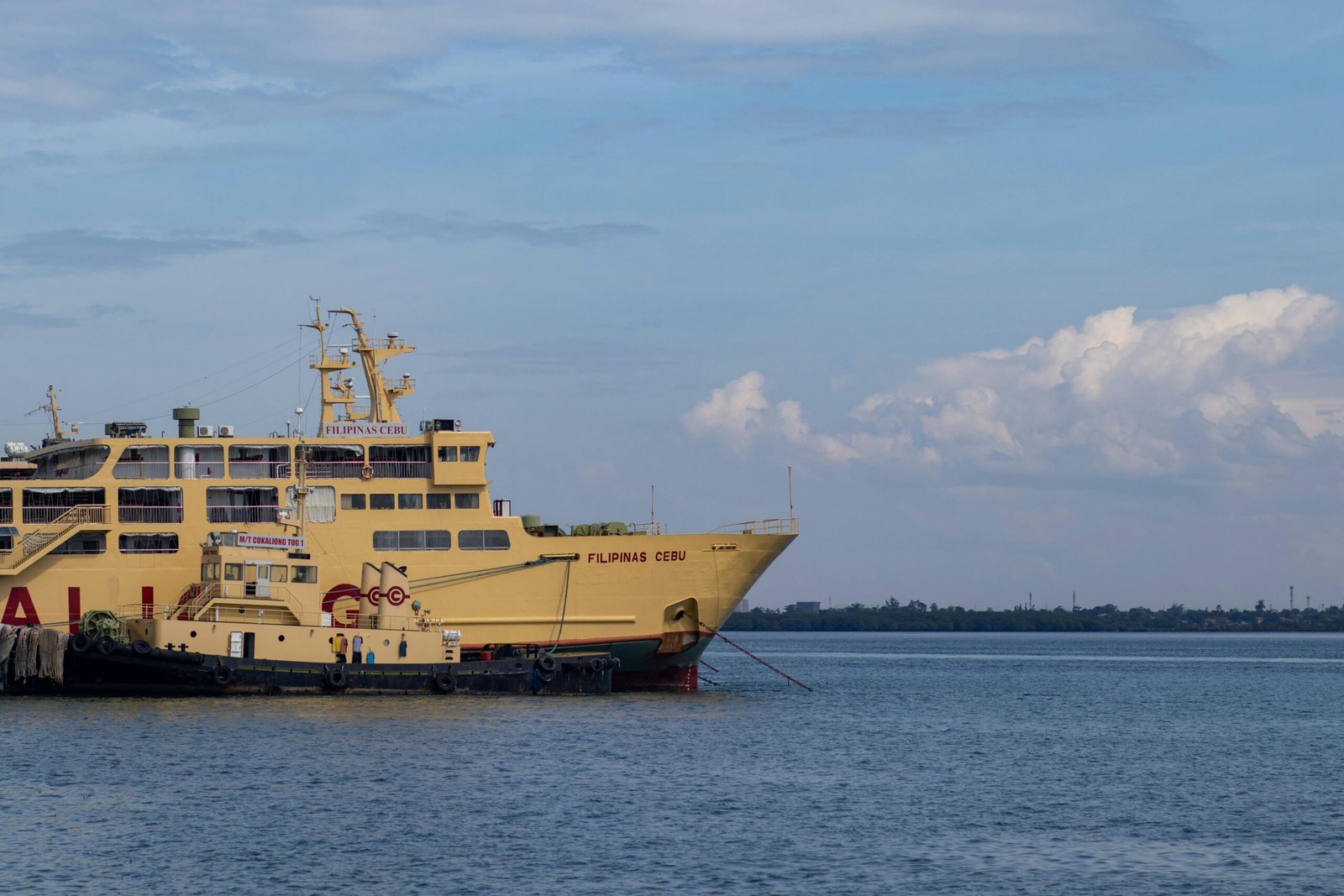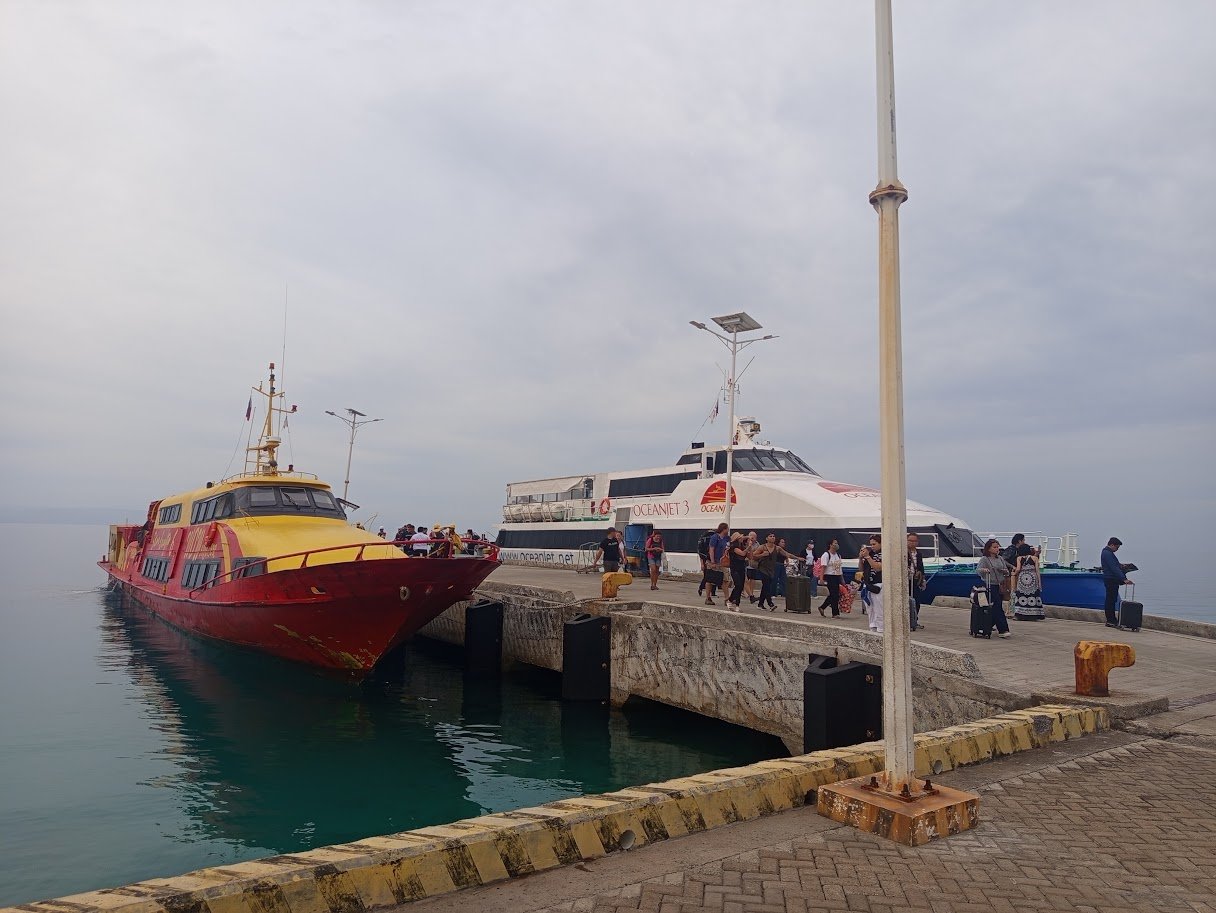
Planning to take a ferry in the Philippines? Arriving at the port too late can mean rushing through check-in, dealing with long queues, or even missing your sailing.
For most domestic ferry trips, aim to arrive at least 1 to 2 hours before the scheduled departure time.
If you’re traveling from a busy port, during a holiday, or with a motorcycle or other vehicle, arriving earlier gives you more time for check-in, ticket verification, baggage handling, and boarding.
A practical guide is:
Situation | Recommended arrival time |
Small or familiar port | 1 hour before departure |
Standard domestic ferry | 1 to 2 hours before |
Busy passenger ferry terminal | 2 hours before |
Weekend or holiday travel | 2 to 3 hours before |
Traveling with a motorcycle or vehicle | 2 to 3 hours before |
First time at the port | 2 hours before |
Always follow the check-in and boarding instructions on your ticket, as individual ferry operators and terminals can have different requirements.
Getting to the port isn’t the same as getting straight onto the ferry.
Depending on the terminal and route, you may need to complete several steps before boarding:
The process can take longer when there are many passengers traveling on the same sailing.
For a typical domestic ferry in the Philippines, arriving around 2 hours before departure is a safe choice.
For example, if your ferry leaves at 10:00 AM, aim to be at the terminal around 8:00 AM.
This gives you time to deal with queues, find the correct boarding area, and handle unexpected delays without having to rush.
If the ferry operator specifically tells passengers to arrive earlier, follow its instructions instead.
Arrive earlier during Christmas, New Year, Holy Week, long weekends, and other peak travel periods.
Ports can become much busier during these dates because more Filipinos travel between provinces and islands.
For holiday ferry travel, consider arriving 2 to 3 hours before departure, particularly at major passenger ports.
Booking your ticket ahead of time is also advisable when traveling during peak periods.
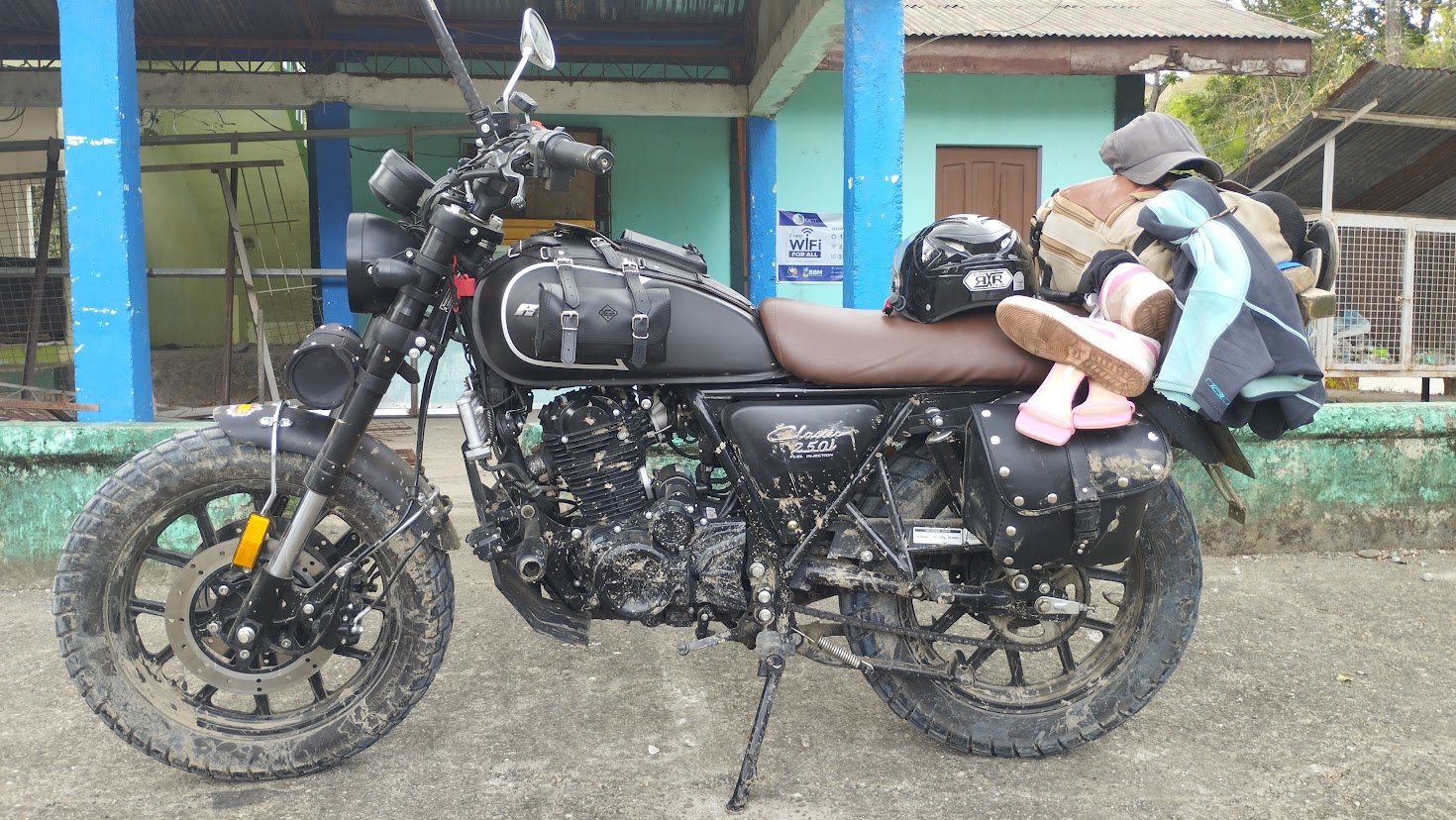
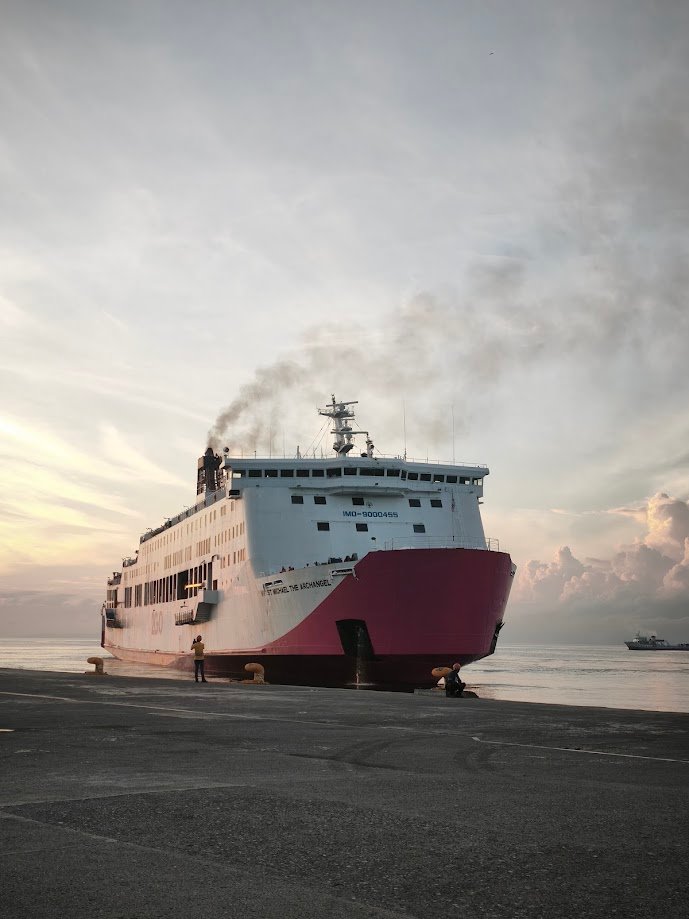
If you’re bringing a motorcycle on a ferry, allow at least 2 to 3 hours before departure unless the operator gives you different instructions.
Vehicle passengers may have additional procedures compared with regular foot passengers, including vehicle inspection, documentation, payment, and designated loading procedures.
Before traveling, confirm:
Don’t assume that arriving at the same time as regular passengers will be enough.
For travelers planning Philippine island hopping by ferry and motorbike, building extra time into your schedule can make the journey much easier.
Yes.
Having an online or advance ticket doesn’t necessarily mean you can arrive just before departure.
You may still need to complete check-in, ticket verification, baggage procedures, or other requirements before boarding.
Your ticket may also contain specific instructions about the required arrival or boarding time. Check these details before leaving for the port.
If you arrive close to departure, you may not have enough time to complete the required boarding procedures.
Once boarding closes, the ferry may leave without you even if you have a valid ticket.
This is why it is better to treat the scheduled departure time as the time the ferry leaves, not the time you should arrive at the port.
For a 10:00 AM sailing, don’t plan to reach the terminal at 9:55 AM.
Check-in time varies by port, operator, route, and passenger volume.
At a quiet terminal, the process may be relatively quick. At a busy port, queues for tickets, baggage, security, and boarding can take considerably longer.
Give yourself enough time for the entire process rather than estimating only the time needed to show your ticket.
Keep your travel documents and booking information easy to access.
For most domestic ferry trips, it is useful to have:
If you’re traveling with luggage, keep essential items such as your phone, wallet, passport, medication, and travel documents with you.
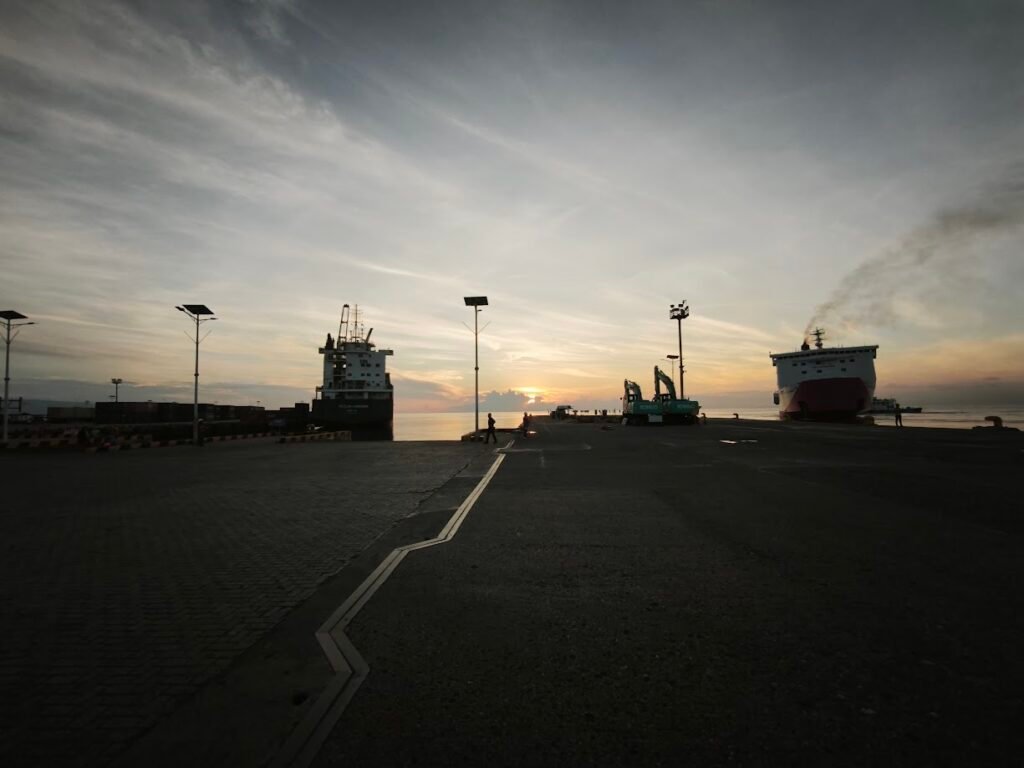
Ferry departure times can change because of weather, sea conditions, port operations, vessel issues, or other operational factors.
Don’t assume that a previous sailing’s schedule will be exactly the same as your own trip.
Check the latest information from your ferry operator or terminal before traveling, especially during the Philippines rainy season.
If you have another ferry, flight, tour, or hotel check-in afterward, leave extra time between connections. Staying overnight before an early ferry or looking for accommodation near your next port? Compare available hotels and stays for your travel dates.
For popular routes and peak travel dates, booking in advance can make your trip easier.
This is particularly useful for routes connecting major tourist destinations such as Cebu, Bohol, Siquijor, and other popular islands.
Before booking, compare the available Philippine ferry schedules, departure times, and routes for your travel date.
You can compare ferries and other transportation options through 12Go’s Philippines transport booking page.
The port isn’t the only part of the journey you need to plan.
Use these tips to avoid unnecessary stress:
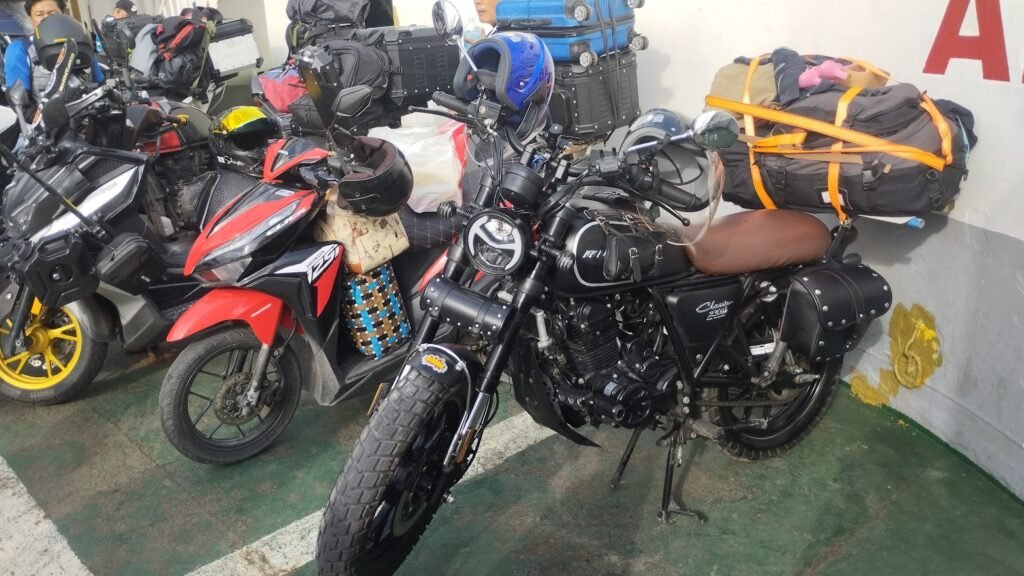
If your ferry is delayed, stay near the designated passenger area and follow announcements from the operator or terminal.
Use the extra time to check your onward transportation and accommodation arrangements.
If you have a connecting bus, ferry, or flight, avoid assuming that the original arrival time will still apply.
For most travelers, arriving 1 to 2 hours before a Philippine ferry departure is a good starting point.
Arrive 2 to 3 hours early if you’re traveling during a holiday, using a busy port, taking a vehicle or motorcycle, or visiting an unfamiliar terminal.
Most importantly, check your ticket and the ferry operator’s instructions because boarding cut-off times can vary.
Arrive 1 to 2 hours before departure for most domestic ferry trips. Allow 2 to 3 hours during holidays, at busy ports, or when traveling with a vehicle.
It can be enough at smaller or less busy terminals, but 2 hours is safer if you’re unfamiliar with the port or traveling during a busy period.
Aim for 1 to 2 hours before departure, and consider arriving earlier during weekends, holidays, and peak travel periods.
Arriving around 1 to 2 hours before departure is a practical choice. Allow additional time during busy travel periods.
Yes. An online ticket does not necessarily eliminate check-in, verification, baggage, or boarding procedures.
Allow 2 to 3 hours before departure unless the ferry operator provides a different vehicle check-in time.
If you miss the boarding cut-off or the ferry departs without you, your options depend on the operator’s ticket terms. Contact the operator or ticket provider as soon as possible.
It is risky. You may not have enough time for check-in, queues, baggage procedures, or boarding, particularly at busy terminals.
Schedules can change because of weather, sea conditions, port operations, and other operational factors. Check for current updates before traveling.
Requirements vary by operator and route. Keep your booking confirmation and a valid form of identification available, and bring any additional documents required for vehicles.
For most Philippine ferry trips, arrive 1 to 2 hours before departure. If you’re traveling during a holiday, using a busy port, or bringing a motorcycle, give yourself 2 to 3 hours.
The extra time is worth it. You can complete check-in, find your boarding area, handle luggage, and deal with unexpected delays without starting your trip in a rush.
When planning island hopping in the Philippines, check your ferry schedule, confirm the departure port, and leave enough time between connections.
Compare ferries, buses, transfers, and flights for your next island-hopping route.
Note: This article was written in September 2026. Ferry schedules, ticket prices, and port procedures are subject to change, so be sure to check with your operator for the latest updates before traveling.


Philippines Travel Guide seeks to share the vibe of an authentic experience through our idea of adventure travel for explorers and memory seekers in the Philippines.