The Philippines is made for slow travel. With thousands of islands, there is no need to rush from one destination to another just to tick places off a list.
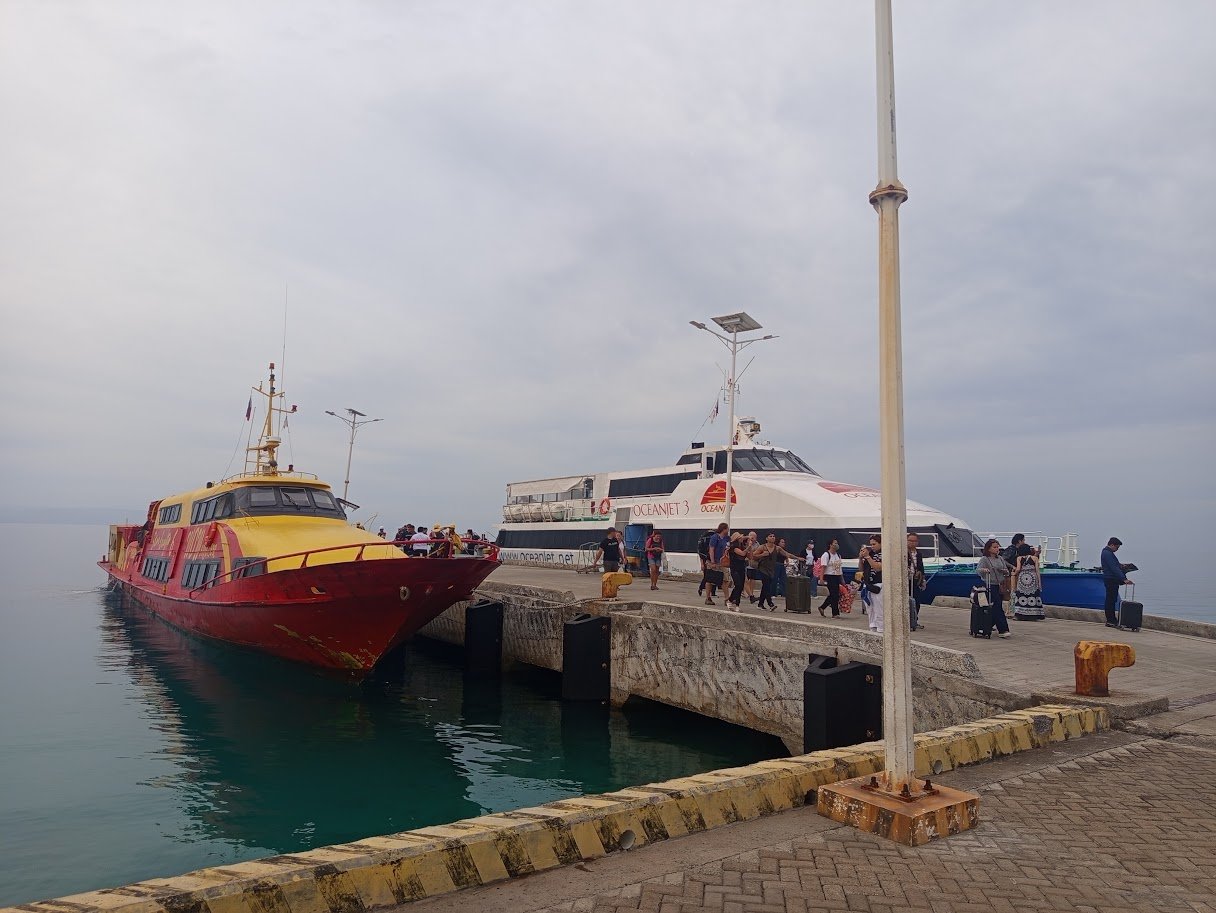
Taking a ferry between islands gives you a chance to see a different side of the country. You pass fishing boats, small islands, coastal villages, and stretches of open sea before arriving at your next destination.
If you’re interested in slow travel in the Philippines, ferry travel can be a great way to build a relaxed itinerary while seeing more of the country along the way.
Slow travel in the Philippines is about spending more time in fewer places.
Instead of changing hotels every night, you might spend several days on one island, explore at your own pace, try local food, and leave some room in your schedule for places you didn’t plan to visit.
It can mean:
You don’t have to follow a strict definition. If your trip gives you enough time to actually enjoy each destination, you’re already traveling more slowly.
If this is your first multi-island trip, our guide on How to Plan Your First Philippine Multi-Island Trip can help you put together a route without packing too much into your schedule.
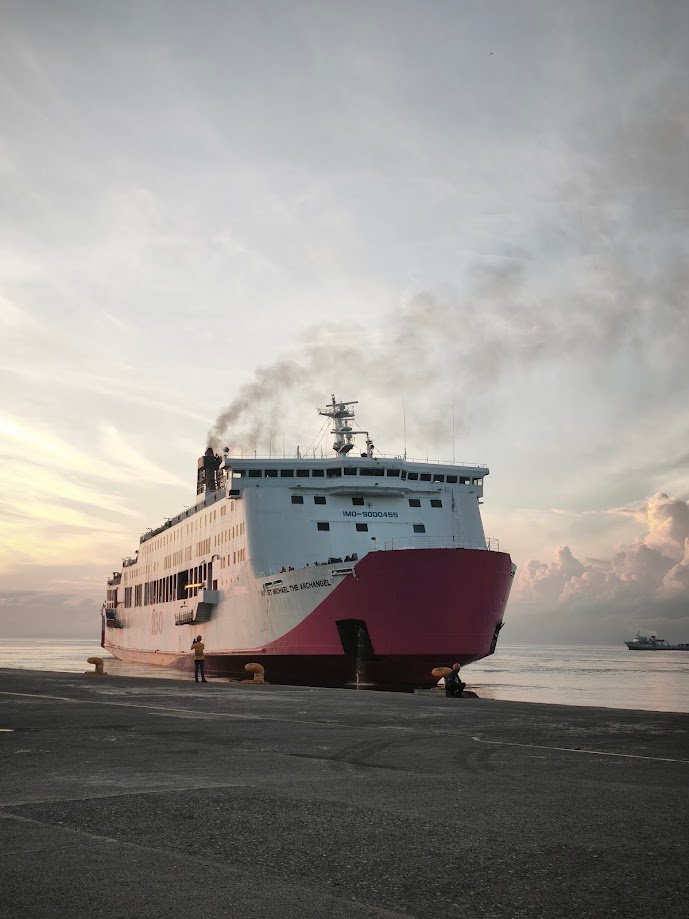
Ferries are a big part of everyday transportation in the Philippines, especially around the Visayas.
For tourists, they are also a chance to slow down. Instead of sitting in an airport waiting for your next flight, you can spend the journey outside on deck, watch the coastline disappear behind you, or simply enjoy the sea.
The trip itself becomes part of your holiday.
Ferries can also make Philippine island hopping more interesting because you can connect nearby destinations without having to fly back to a major city.
You don’t need to visit every famous island in the country. A better approach is to pick destinations that are close enough to connect easily by ferry.
Cebu and Bohol are a popular combination for Central Visayas island hopping.
You can spend a few days exploring Cebu before taking a ferry to Bohol. Once there, you can take your time visiting beaches, countryside attractions, restaurants, and other parts of the island.
Bohol is worth more than a rushed day trip if you have the time. Staying a few nights gives you more freedom to explore.
If you want something quieter, consider adding Siquijor to your route.
The island is known for its waterfalls, beaches, snorkeling spots, coastal roads, and laid-back atmosphere. Renting a motorbike also makes it easy to explore different parts of the island without relying on organized tours.
If you’re not sure which islands suit your interests, check our guide on [How to Choose the Right Philippine Island for Your Travel Style].
A Bohol and Siquijor itinerary is another good option for a relaxed trip.
You can spend a few days exploring Bohol before continuing to Siquijor. Once there, give yourself enough time to visit the waterfalls, beaches, coastal roads, and smaller villages.
The slower pace is part of the appeal.
If you don’t have much time, Iloilo and Guimaras are easier to combine.
The short journey makes this a convenient option for travelers who want a taste of island life without spending several days moving between destinations. Check the latest ferry schedule before traveling because departure times and operating conditions can change.
The biggest mistake you can make with Philippine island hopping is trying to do too much.
It can be tempting to look at a map and think, “I can fit one more island in.” Then suddenly you’re spending half your holiday packing bags, checking out of hotels, and waiting at ports.
Start with two or three destinations that make sense together.
For example:
Cebu → Bohol → Siquijor
This route can work well for a Central Visayas island-hopping itinerary because the destinations can be connected without constantly relying on flights.
Check the ferry connections before booking your hotels. Also leave some extra time between connections. Ferry schedules can change because of weather, sea conditions, operational issues, or other delays.
One of the nice things about arriving by ferry is that you often enter through a local port rather than an airport surrounded by major hotels and tourist businesses.
You might find yourself near a small market, a local eatery, fishing boats, or a quiet coastal road.
These aren’t necessarily the places you’ll see in every Philippines travel guide, but they can be some of the most memorable parts of a trip. Give yourself time to wander.
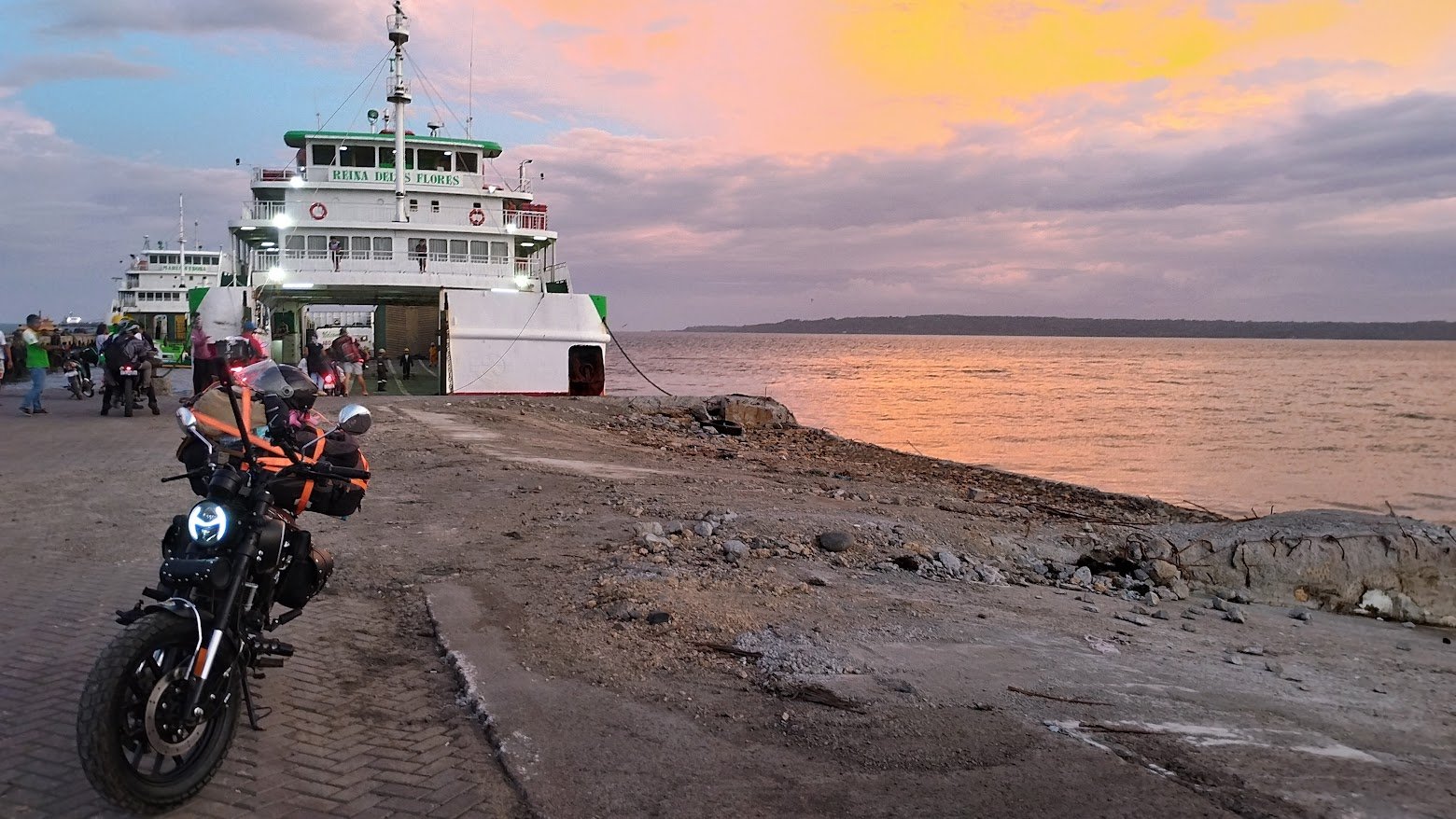
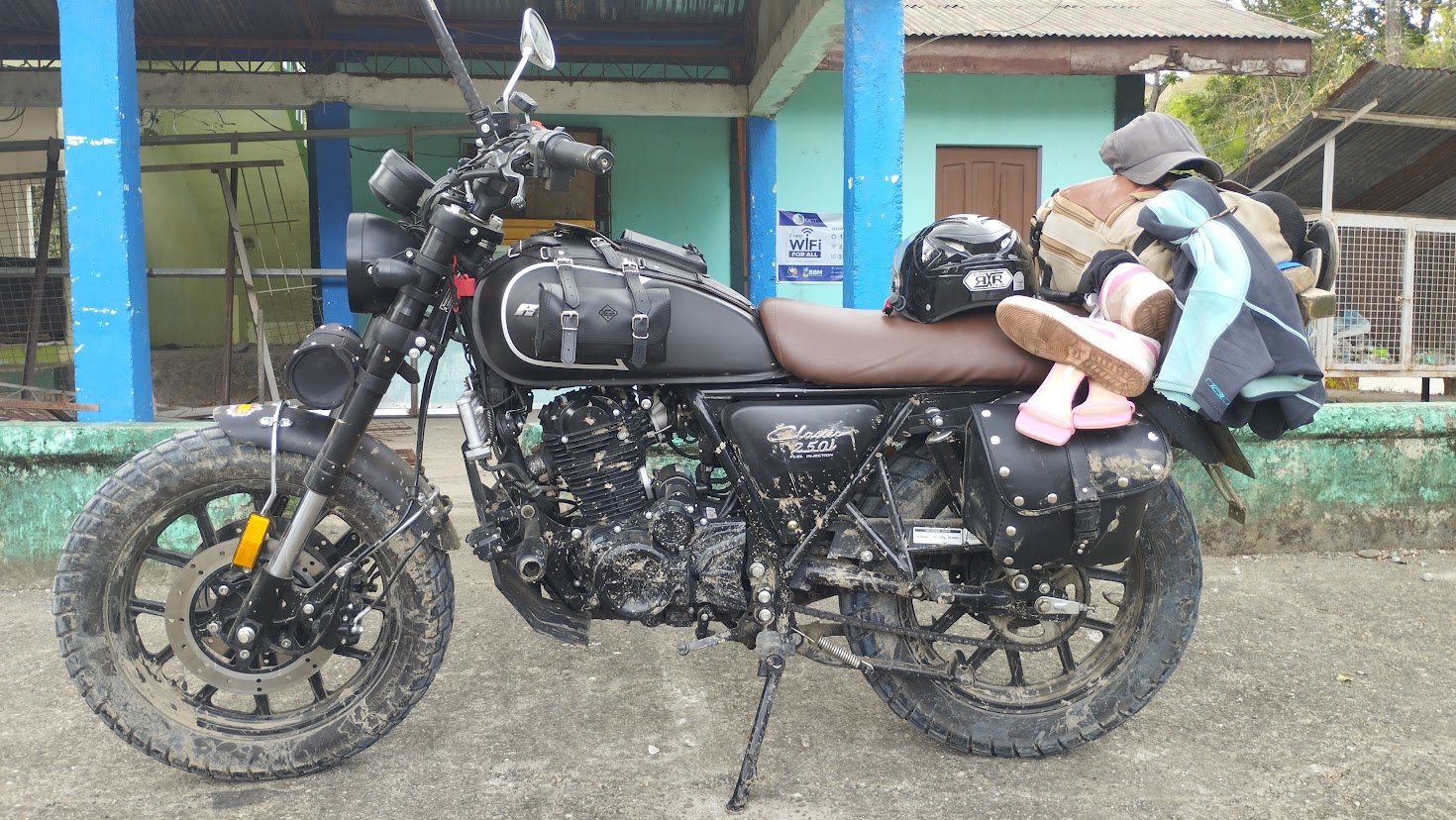
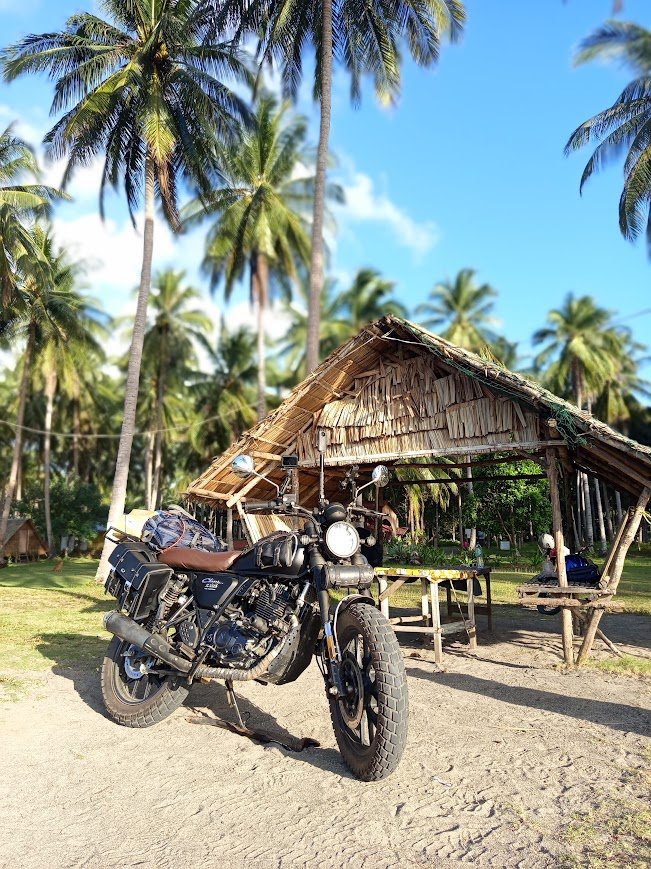
For independent travelers, Philippine island hopping by ferry and motorbike is a practical way to explore. The ferry gets you between islands, while a motorbike gives you the freedom to explore beyond the main tourist areas.
You can take smaller roads, stop at quiet beaches, visit waterfalls, find local restaurants, or pull over at viewpoints without following a fixed tour schedule. This works especially well on islands where attractions are spread out, and public transportation is limited.
Before riding, learn how to travel around the Philippines by motorbike, including local road conditions, safety, fuel stops, and basic riding requirements. If you’re heading to Palawan, motorbike rental in Puerto Princesa can also make exploring the area more flexible.
If you’re taking a motorcycle on a ferry, check the operator’s vehicle requirements, fees, documents, and boarding procedures in advance, as not every ferry accepts motorcycles.
Ferry travel isn’t complicated, but a little preparation can save you from unnecessary stress. Before heading to the port:
If possible, don’t book an international flight immediately after a ferry journey. A delayed boat can quickly turn into a missed flight. For official maritime information and regulations, check the Maritime Industry Authority (MARINA).
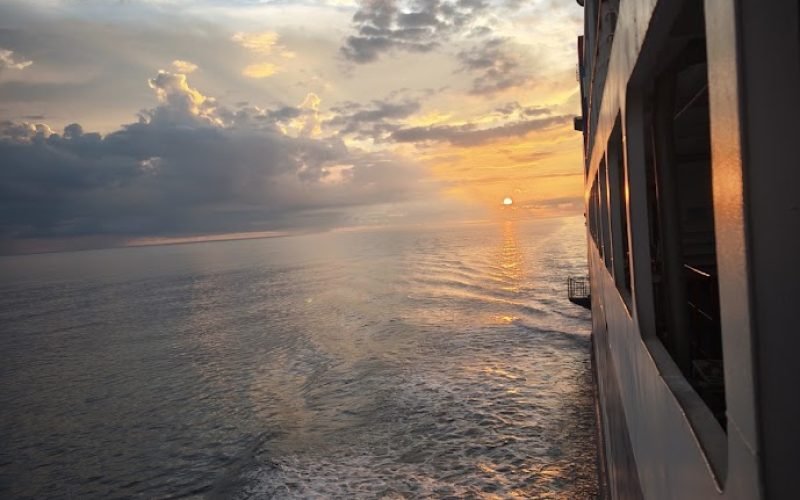
You don’t need to pack much for most ferry journeys.
A few useful things include:
A light jacket is useful because ferry cabins can feel cold, while a dry bag can protect your phone and other electronics from splashes. If you’re taking a motorbike on a RORO vessel, check the operator’s rules and required documents before going to the port.
If you’re traveling around the Philippines by ferry during the rainy season, keep your itinerary flexible. Heavy rain, strong winds, and tropical weather can cause ferry delays and cancellations in the Philippines.
The rainy season generally runs from June to November, although conditions vary by region. Check weather forecasts and Philippine ferry advisories before traveling, especially when connecting to another ferry or flight.
Understanding the weather in the Philippines by region can help you choose destinations and plan your Philippines island-hopping itinerary during the rainy season.
For slow travel in the Philippines, spend around three to five days per island. Smaller islands may need less time, while destinations such as Cebu or Palawan can fill a week or more.
With seven days, focus on two or three destinations rather than rushing between islands. A simple 7-day Philippines island hopping itinerary could look like this:
Days 1–3: Cebu
Explore the city, coastline, food, and nearby attractions.
Days 4–5: Bohol
Take the Cebu to Bohol ferry and explore the countryside and beaches.
Days 6–7: Siquijor
Visit waterfalls, beaches, coastal roads, and local communities.
If you have extra time, add another night instead of another island. This gives you more time for relaxed island hopping in the Philippines.
Fast travel lets you see more destinations. Slow travel gives you more time in each place.
Staying longer means fewer transfers, less packing, and more time for beaches, local food, attractions, and communities. For a relaxed Philippines travel itinerary, slow travel can be a better option for travelers who want to experience local life in the Philippines rather than visit as many destinations as possible.
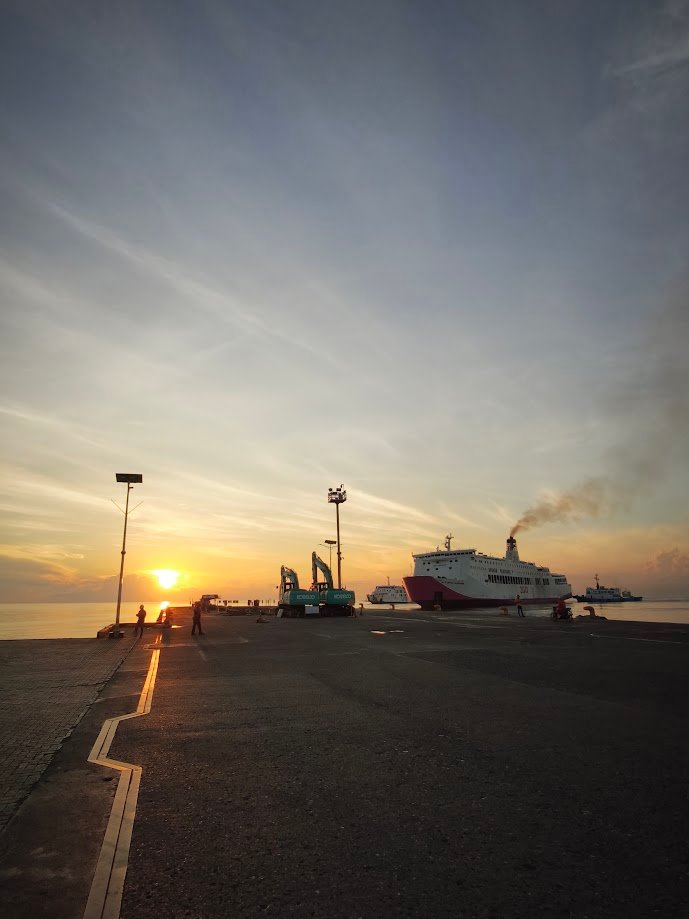
The cost of slow travel in the Philippines depends on accommodation, ferry fares, food, activities, and local transportation.
Staying longer in one destination can reduce transportation costs because you make fewer transfers and change hotels less often. Your Philippines island hopping budget will also depend on whether you use budget ferries, private transfers, domestic flights, or a combination of transport options.
Yes, especially when visiting nearby islands.
You can use ferries, buses, vans, RORO vessels, and local transportation to reach many destinations without taking a domestic flight. This makes traveling between Philippine islands by ferry a practical option for travelers exploring the Visayas and other areas with established sea routes.
However, traveling entirely by ferry isn’t practical for every route. For longer distances, combining domestic flights and ferry travel in the Philippines can save time.
Use ferries for nearby islands and flights for longer distances when planning a multi-island trip in the Philippines.
Ferries are ideal for nearby islands, while domestic flights are more practical for longer distances. Combining both can make a Philippines multi-island itinerary more efficient.
Cebu, Bohol, and Siquijor are popular choices for Central Visayas. These destinations can work well for travelers planning a Central Visayas island-hopping itinerary.
It can be, but prices vary by route, vessel, seating or cabin type, and operator. Compare the total cost and travel time when deciding between Philippine ferry travel and domestic flights.
Book ahead for popular ferry routes in the Philippines, weekends, holidays, and peak travel periods. Quieter routes may offer more flexibility.
Some RORO ferries transport motorcycles, but requirements vary by operator and route. Check vehicle fees, documents, restrictions, and boarding procedures before traveling.
Yes. Strong winds, rough seas, and tropical weather can cause ferry cancellations during the Philippine rainy season. Check the latest ferry advisories before departure.
For slow travel around the Philippines, three to five days per island is a useful starting point. Larger destinations may require more time.
A Cebu → Bohol → Siquijor itinerary can work well for a one-week Central Visayas trip, combining beaches, waterfalls, nature, and local experiences.
Yes, particularly within regions with good ferry connections. Traveling around the Philippines by ferry is practical for many nearby island routes, while domestic flights are better for longer distances.
Yes. Spending more time in fewer destinations reduces transfers and gives you more time to explore Philippine islands at a relaxed pace.
Choose destinations with convenient ferry connections and avoid adding too many islands to your route. A slow travel Philippines itinerary works best when you allow extra time for weather changes, ferry delays, and spontaneous stops.
Ferry services may operate during the rainy season, but departures can be affected by rough seas and severe weather conditions. Check current advisories and follow instructions from ferry operators and authorities.
Bring your identification, ferry ticket, phone, charger or power bank, water, snacks, and a light jacket. A dry bag for ferry travel in the Philippines can also protect electronics and other belongings from water.
You don’t need to visit every island to experience the Philippines.
Choose destinations with good ferry connections and spend more time exploring each one. Cebu → Bohol → Siquijor is one practical route for combining beaches, waterfalls, countryside, food, and island life.
Slow travel in the Philippines means fewer transfers, more time in each destination, and a better chance to experience the places between the major tourist stops.


Philippines Travel Guide seeks to share the vibe of an authentic experience through our idea of adventure travel for explorers and memory seekers in the Philippines.