How much luggage can you bring on a ferry in the Philippines? There is no single baggage limit for every ferry company. Your allowance can change depending on the ferry operator, ticket class, route, and type of baggage.
For travelers planning an island-hopping trip, checking the Philippine ferry baggage allowance before booking can help you avoid excess baggage charges or problems at check-in.
Here are the current published baggage rules for several major Philippine ferry operators in 2026.
The amount of luggage allowed on a Philippine ferry varies by operator.
Ferry operator | Published free baggage allowance |
2GO Travel | 50 kg per full-paying passenger |
Starlite Ferries | Up to 50 kg per paying passenger |
SuperCat | 15 kg per passenger |
OceanJet | 10 kg Tourist/Open-Air; 20 kg Business Class |
These figures are operator-specific, not a nationwide standard. Always check the baggage conditions attached to your specific ferry booking.
If you’re taking a long-distance ferry with 2GO Travel, the current published allowance is 50 kg per full-paying passenger.
2GO states that this allowance covers hand-carried and/or personal items. Each piece must not exceed 20 inches in height and 30 inches in width, and the baggage must fit within the passenger’s accommodation area without blocking passageways.
2GO also publishes excess baggage rules, so passengers carrying more than the free allowance should check the applicable conditions before sailing.
Starlite Ferries currently publishes a 50 kg baggage allowance per paying passenger. Its passenger documents also state that excess baggage is charged at ₱10 per kilogram.
Starlite’s published instructions also require baggage to be handled in a way that does not obstruct passenger areas. If you’re travelling with a large amount of luggage or cargo, check the operator’s instructions before departure.
SuperCat’s current guidelines provide a 15 kg free baggage allowance per passenger.
Passengers may also bring two hand-carried bags, provided their combined volume does not exceed 0.10 cubic metres. Baggage above the 15 kg allowance is currently charged at ₱15 per kilogram.
This makes SuperCat’s baggage rules quite different from 2GO or Starlite, so don’t use another operator’s baggage allowance when planning your trip.
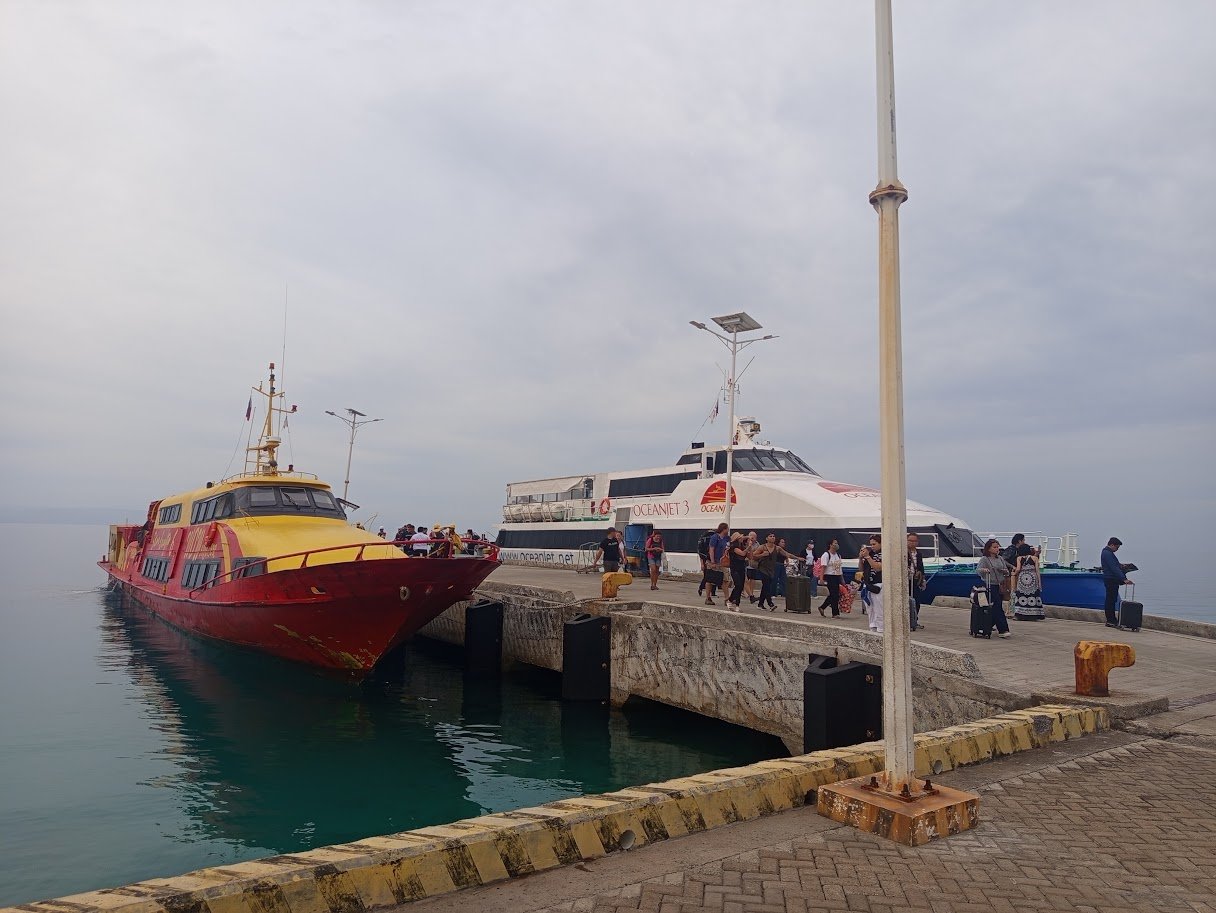
OceanJet’s updated baggage policy took effect on February 6, 2026.
The current free allowance is:
OceanJet also has specific rules for hand-carry luggage. Business Class passengers can bring one hand-carry trolley bag with a maximum total dimension of 130 cm. Trolley and collapsible bags for Tourist and Open-Air passengers must be checked in.
OceanJet also publishes different excess baggage rates depending on the route and amount of excess weight, so there is no single excess-baggage price for every OceanJet trip.
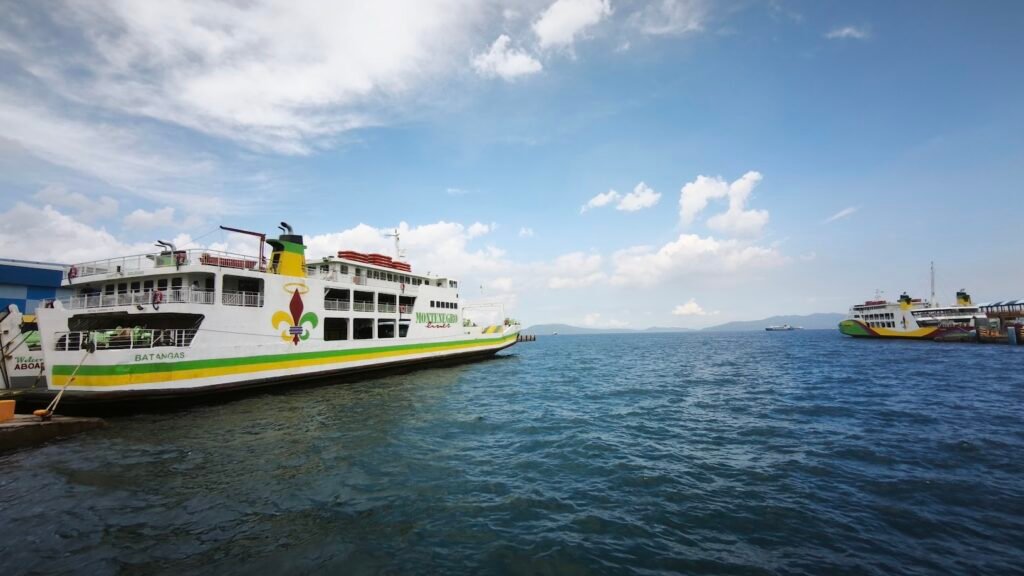
It depends on the ferry company.
Some operators have separate rules for hand-carry items, while others include personal or hand-carried belongings within their published baggage allowance.
For example, SuperCat permits two hand-carried bags within its stated volume limit, while 2GO’s 50 kg allowance covers hand-carried and/or personal items subject to its size and accommodation-area requirements. OceanJet has separate hand-carry conditions based on ticket class.
So if you’re asking, “Can I bring a cabin-size suitcase on a Philippine ferry?”, don’t assume the answer is the same for every operator.
Check the baggage policy for the ferry you are actually booking.
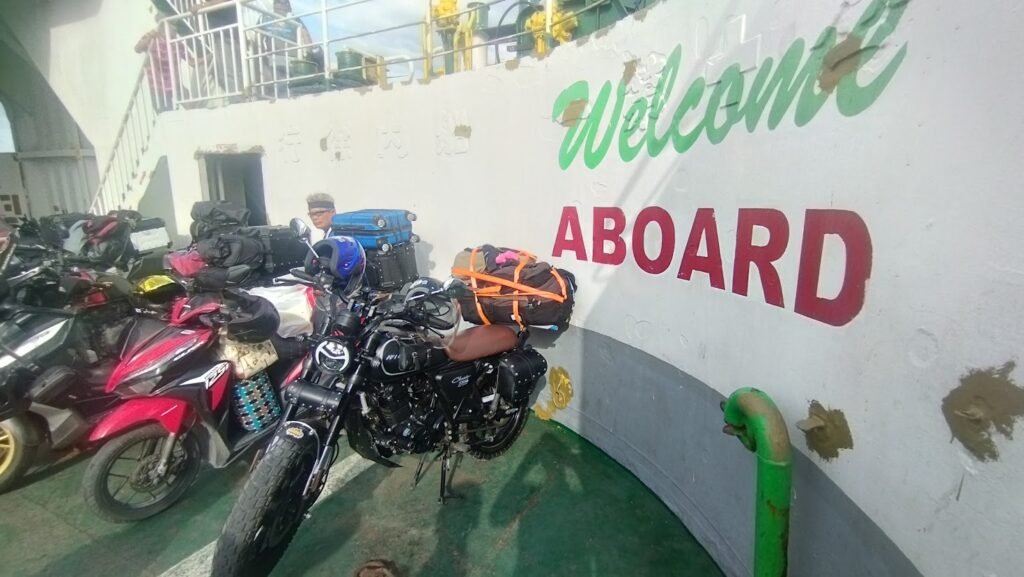
If your luggage exceeds the free allowance, the operator may charge an excess baggage fee.
The amount can vary considerably.
For example:
This is why the cheapest ferry ticket is not always the cheapest option if you’re travelling with several heavy bags. Calculate the potential baggage cost before comparing transport options.
Large, fragile, or unusual items can have different rules from standard baggage.
OceanJet, for example, has separate charges for fragile items and calculates certain fragile-item charges using the applicable weight or volume.
If you’re travelling with a bicycle, surfboard, musical instrument, large sports equipment, or other oversized item, contact the ferry operator before booking.
Don’t assume that an item will automatically be accepted as part of your normal baggage allowance.
Keep important items where you can access them during the journey.
For a Philippines ferry trip, this can include:
OceanJet specifically advises passengers to keep valuables such as laptops, phones, cash, jewellery, and medication with them.
Your larger luggage should not contain anything you may urgently need during the trip.
If you’re travelling through several islands, packing lighter can make transfers easier.
A multi-island itinerary may involve several ferries, buses, vans, airports, and hotel transfers. Carrying multiple large bags can make those connections more difficult, especially when you need to move between terminals or ports.
If you are travelling with only a backpack or one small suitcase, you may also have fewer concerns about excess baggage charges.
For longer trips, however, compare the baggage rules of the operators on your planned routes before deciding how much to pack.
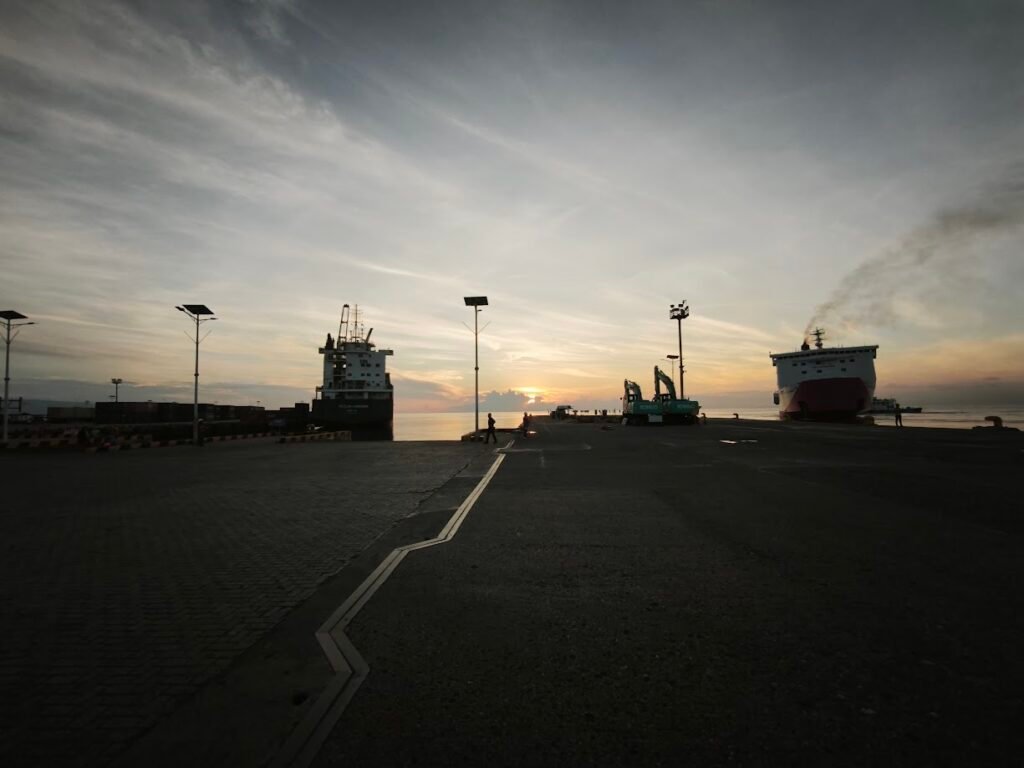
It can.
Suppose you’re comparing two ferry options between Philippine islands. One may have a lower ticket price but a smaller free baggage allowance. If you are travelling with heavy luggage, you could end up paying an additional baggage fee.
This matters when comparing ferry vs flight in the Philippines, particularly for travelers carrying several bags.
Before choosing a ticket, compare:
The cheapest ticket isn’t always the lowest-cost option once baggage is included.
If you’re wondering how to check ferry baggage allowance in the Philippines, use this checklist before paying for your ticket:
Do this before travelling to the port, especially if you’re carrying heavy luggage or special equipment. Planning your ferry trip? Compare available ferry routes, schedules and other transport options before booking.
Yes. When planning a multi-island trip in the Philippines, check the available ferry routes and the operator’s conditions before finalising your itinerary.
You can also compare available transport options for Philippine routes through 12Go, including ferry connections where available.
Check your route, schedule, and available transport options before your trip.
Once you know how much luggage you can bring, the next step is to check the actual ferry options for your route. Schedules, operators, ticket classes and baggage rules can vary, so it is worth comparing your options before committing to a departure.
You can search your route, travel date and passenger details to see available ferry connections and compare the options that are currently listed.
Planning your next ferry trip? Search available routes and compare ferry options for your Philippine itinerary.
There is no single baggage allowance for every ferry in the Philippines. The amount you can bring depends on the ferry operator, ticket class and sometimes the type or size of your luggage.
Before you travel, check the operator’s current baggage policy and look out for free baggage limits, hand-carry rules, excess baggage fees and restrictions on oversized or fragile items. This can help you avoid unexpected charges or problems when you arrive at the port.
If you’re planning a multi-island trip, it also helps to check your ferry options before finalizing your itinerary. A little transport planning can make moving between islands much easier, especially when you’re travelling with larger luggage.
Note: Ferry baggage limits, excess fees, and hand-carry policies vary by operator and can change. Always confirm current rules with your ferry provider before traveling.


Philippines Travel Guide seeks to share the vibe of an authentic experience through our idea of adventure travel for explorers and memory seekers in the Philippines.