You don’t need to book your entire Philippines trip before you get on the plane.
Locking yourself into every hotel, ferry, tour, and transfer can make an island-hopping trip harder to change when plans shift.
What to book ahead depends on your route, travel dates, and how much flexibility you want. International flights, your first accommodation, key domestic flights, time-sensitive ferry connections, and popular activities are usually worth sorting out before departure. Everything else can wait until you’re in the Philippines.
This guide covers what to book before traveling to the Philippines, how far in advance, and what can wait. It also covers eTravel registration, which is free and can only be completed within 72 hours of arrival or departure.
For most travelers, these are worth arranging before departure:
You don’t need to pre-book every hotel, ferry, tour, or transfer for a multi-week trip. Route, season, destination, and your tolerance for last-minute planning all matter. Still deciding your route? Sort out choosing the right Philippine island for your travel style first.
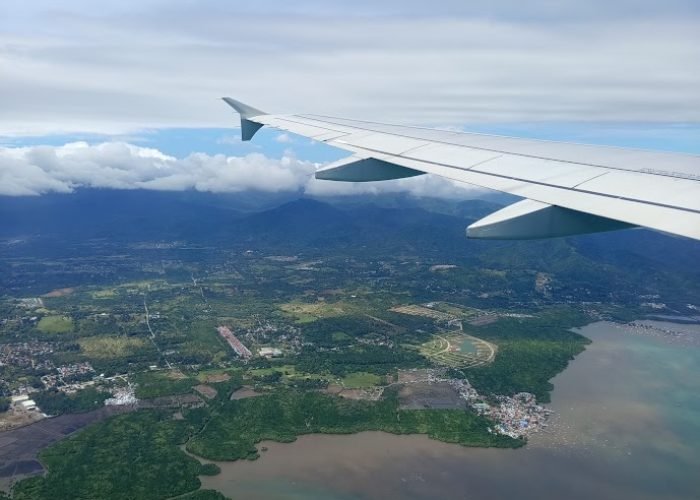
Your international flight is usually the first booking, since it sets your arrival and departure dates.
Check which airport you’re flying into. NAIA is the main gateway, but Cebu and other international airports can make more sense depending on your first destination.
Visiting several islands? Don’t assume a return through Manila is most convenient. An open-jaw or multi-city ticket can cut backtracking:
International arrival → Manila → Palawan → Cebu → Siargao → international departure
Book your international flight before any non-refundable domestic reservations. Once you land, it helps to know what getting around Manila looks like, since that affects how tight a connection you can plan.
You don’t need the whole trip’s accommodation booked before flying in. For your first destination, though, booking a few nights makes arrival easier, especially if you’re arriving late or landing in Manila before a domestic connection.
When choosing, consider:
Book with free cancellation where possible, so you can adjust if weather, transport, or plans change. Agoda is a straightforward place to compare that first night or two and filter for free-cancellation rates.
Book domestic flights ahead when they’re essential to your itinerary. If your plan depends on getting from Manila to Puerto Princesa on a specific day, leaving that flight to the last minute is a risk.
Common routes to plan:
Always check the departure airport before booking. This matters in 2026: all Cebgo and AirSWIFT flights moved from NAIA to Clark International Airport starting March 29, 2026. Other airlines still fly from Manila, so check the airline and airport on your booking rather than assuming NAIA. See the NAIA 2026 airport updates before locking in any domestic leg.
Leave enough time between separate tickets — a delayed domestic flight can affect the next leg.
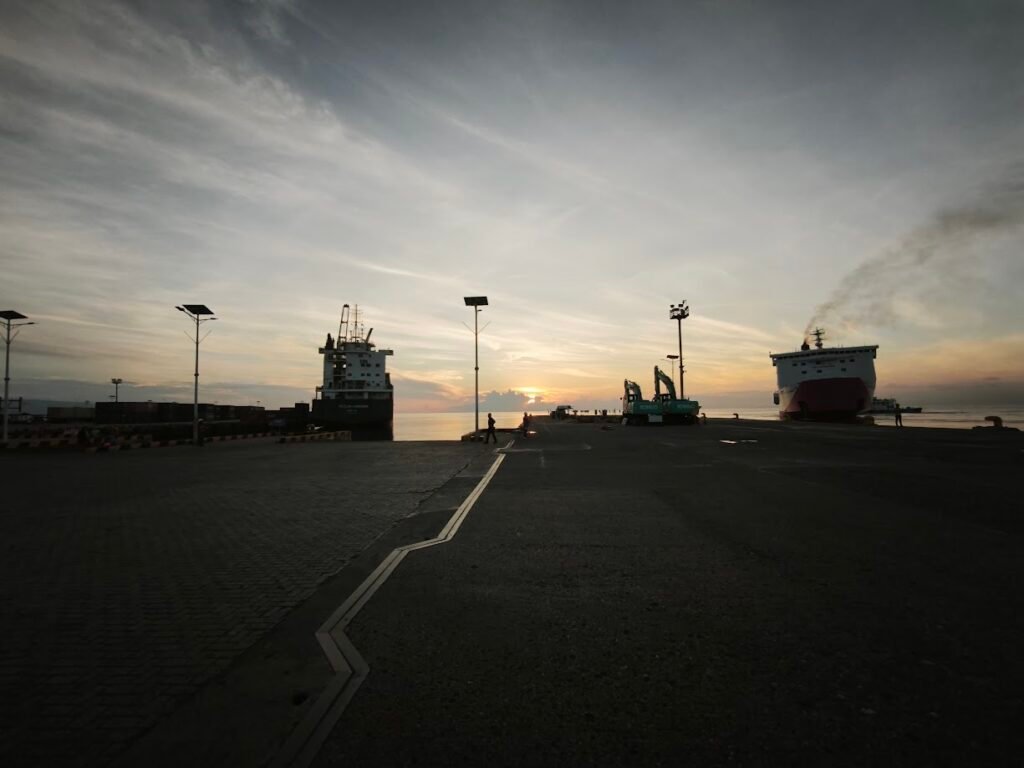
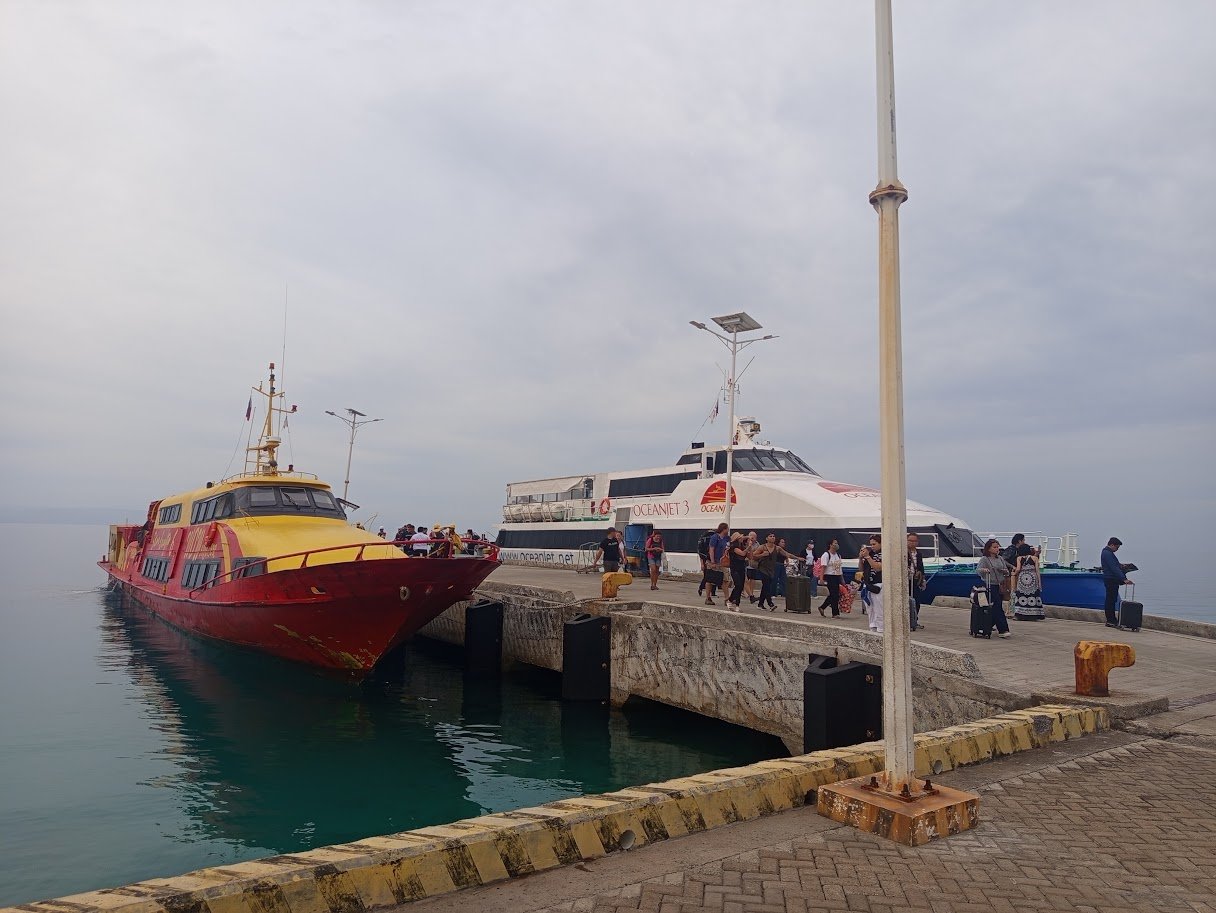
Ferries matter for travel between nearby islands. You can often buy tickets after arriving, but book ahead when:
A ferry can beat a flight for a short hop like Cebu to Bohol. If ferries make up a real part of your route, read how ferry travel works between Philippine islands before booking, and compare routes once you have your dates.
The Philippines also rolled out MARINA’s SEAS online ticketing system for domestic passenger ships in 2026. Availability varies by operator, so check current booking information before traveling.
Not every traveler needs a pre-arranged airport transfer. In major cities, you’ll usually have several options after landing — in Manila, it helps to know how Grab, Angkas, and traditional taxis compare first.
Pre-booking makes more sense if:
Arriving in Puerto Princesa late at night is a different situation than arriving during the day with plenty of options around. Treat transfers as a convenience booking, not a requirement.
Visa requirements depend on your nationality, purpose, and length of stay. Don’t book a non-refundable trip on assumptions about visa-free entry — check the current Philippine passport and visa requirements for your passport first.
Your passport should also meet validity requirements. Philippine immigration guidance commonly requires at least 6 months of validity beyond your stay, though exceptions may apply.
eTravel isn’t something to book months ahead. Register or update within 72 hours of arrival or departure, via the official eTravel.gov.ph — it’s free, and you shouldn’t pay a third-party site to do it for you.
Travel insurance is easier to arrange before your trip than after something’s gone wrong. Look for coverage matching your activities, particularly if you plan to ride a motorbike, dive, hike, take domestic flights, or travel between remote islands.
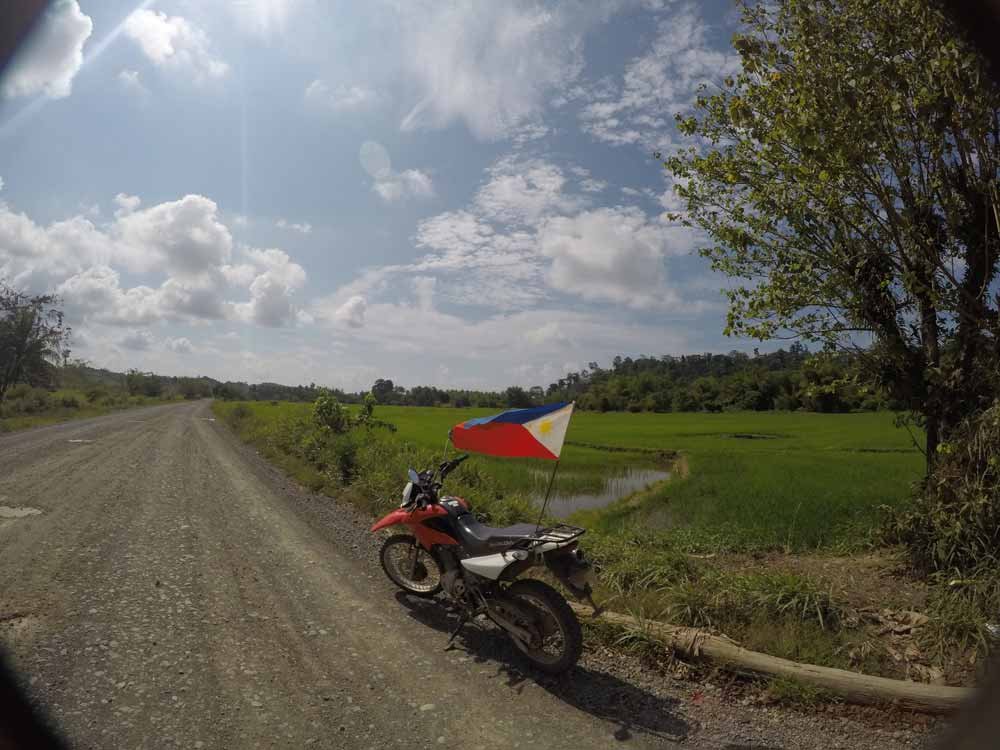
Don’t assume a policy automatically covers motorbike riding or adventure activities; check the wording, including licensing and vehicle restrictions. This matters especially for a Palawan motorbike trip, where road conditions and licensing are worth understanding before you assume you’re covered.
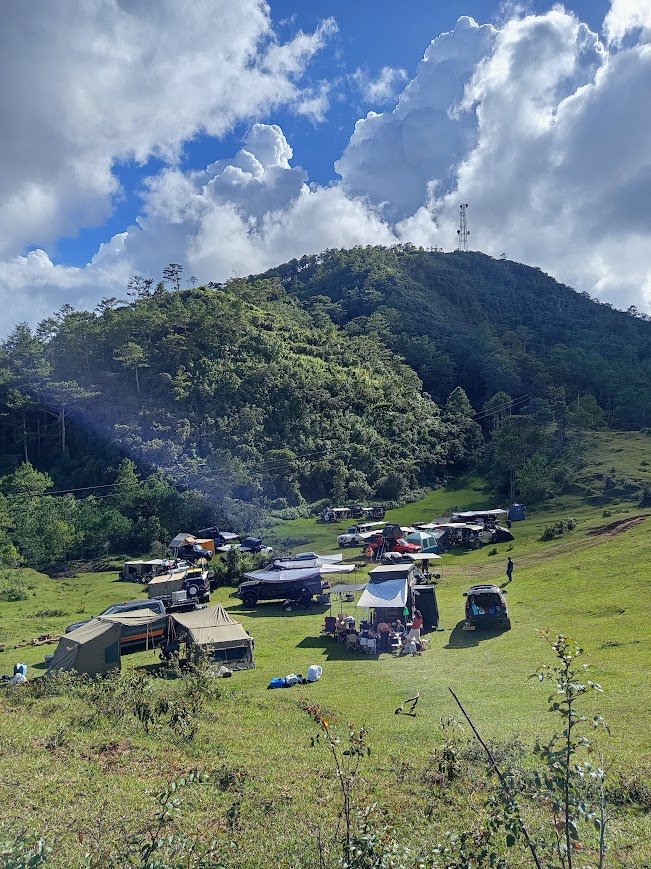
You don’t need to pre-book every activity, but some are worth arranging ahead if they’re central to your trip or have limited capacity:
If diving is on the list, check where the best diving spots in the Philippines actually are first. First-time hikers can do the same with what to expect when hiking in the Philippines. To browse and compare tours in one place, Trip.com is a reasonable starting point.
If an activity is the main reason for visiting a destination, secure it first. For ordinary sightseeing, keeping days open works better.
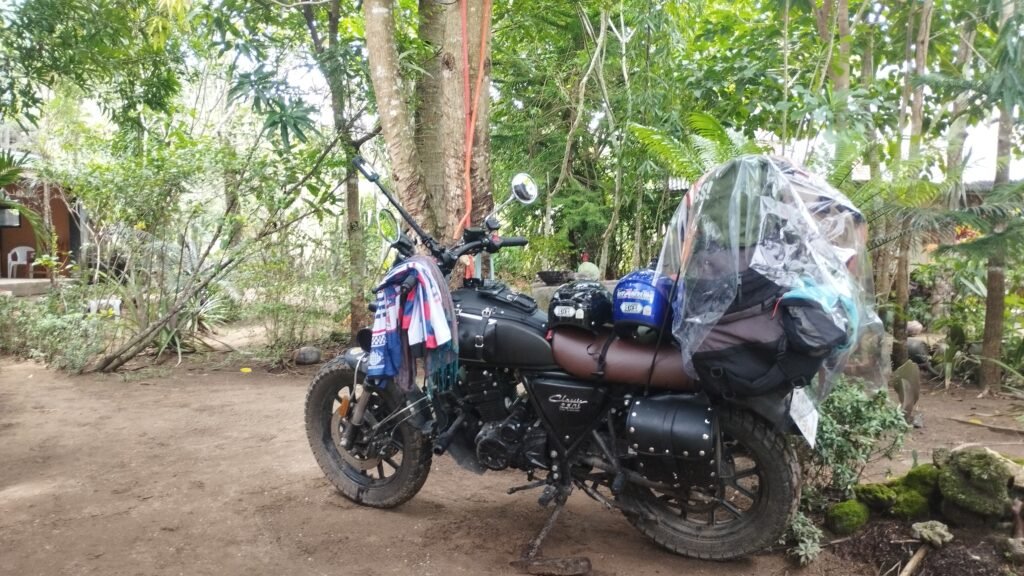
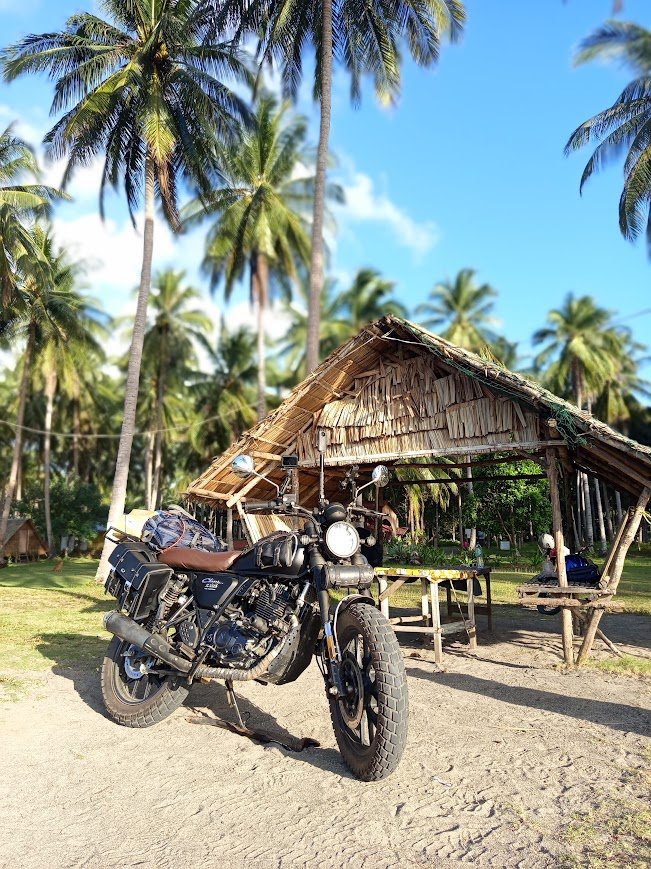
Arranging your Palawan motorbike rental before arrival saves time, especially if you need a specific bike or plan to ride right after landing.
Before booking, confirm:
Read up on Palawan’s road conditions first, and a Palawan motorbike packing list helps with what to bring.
This is where travelers over-plan. For a two- or three-week trip, booking every night ahead can make your trip less flexible.
Leave accommodation open where weather or ferry schedules could change, or where you might want to linger somewhere you enjoy. Traveling near typhoon season? Read what traveling the Philippines during typhoon season actually involves before deciding how far ahead to book.
A good compromise: book your first destination and anything hard to replace, then keep later nights flexible. During busy periods, book further ahead.
Same logic. If your itinerary depends on a specific sailing, book it. If you’re traveling slowly with several possible departures, book closer to the date.
Before relying on a ferry connection, check departure time, travel duration, baggage rules, and cancellation or rebooking conditions. Missing one sailing can throw off hotel check-in, tours, and onward flights, so it’s worth knowing how early you should arrive for a Philippine ferry before planning a tight connection around one.
Before your trip | What to arrange |
First | International flights |
Next | Visa or entry requirements, if applicable |
Next | First accommodation |
Then | Important domestic flights |
Then | Time-sensitive ferry tickets |
Then | Travel insurance |
Then | Important tours and activities |
Optional | Airport transfers |
Optional | Motorbike rental |
Within 72 hours | eTravel registration/update |
This order can shift; busy holiday periods may call for securing accommodation and domestic transport earlier.

Several things can wait until you arrive: local tours, short ferry journeys, some bus tickets and hotel stays, restaurant reservations, day trips, and activities with plenty of availability.
The distinction that matters: essential versus flexible reservations. If missing a booking would disrupt your whole trip, arrange it ahead. If it just means choosing another activity, you can usually wait.
There’s no single window that works for everyone.
3 to 6 months before: International flights, popular accommodation, major tours, special activities, travel insurance.
1 to 3 months before: Domestic flights, important ferry connections, popular hotels, motorbike rentals, airport transfers.
1 to 2 weeks before: Review domestic transport schedules, hotel reservations, tour confirmations, weather conditions, and travel documents.
Within 72 hours: Complete or update your eTravel registration.
Usually, no. Book the parts with limited availability or serious consequences if missed, then leave room for changes. A first-time traveler might book:
International flight → first hotel → key domestic flights → important ferry → major activity
and decide the smaller details after arriving.
This works well for combining destinations like Palawan, Cebu, Bohol, Siargao, or the Cordillera without spending the whole trip moving between reservations. Stringing several islands together for the first time? Read how to plan your first Philippine multi-island trip before locking in dates.
You don’t need every part of a Philippines trip reserved months ahead. Start with the international flight, entry requirements, first accommodation, and essential transport. Add tours, activities, or a motorbike rental when they matter to your plans — and leave space for the rest.
The Philippines is thousands of islands, and travel between them doesn’t always run on a predictable schedule. A little flexibility makes it easier to stay longer somewhere you love, adjust to weather, or take a slower route instead of rushing to the next reservation.
Note: This article was written in September 2026. Flight schedules, ferry routes, and visa or eTravel requirements can change. Check official sources before booking your trip.


Philippines Travel Guide seeks to share the vibe of an authentic experience through our idea of adventure travel for explorers and memory seekers in the Philippines.