Traveling from Manila to Baguio is one of the easiest ways to escape the heat and traffic of the capital without flying. The journey takes you from the busy streets of Metro Manila toward the cooler mountain roads of Benguet, where pine trees, cafés, markets, viewpoints, and Cordilleran culture await.
For most travelers, taking a direct bus from Manila to Baguio is the simplest option. Bus services operate from major Metro Manila terminals, including Cubao and Pasay, and allow you to reach Baguio without changing vehicles along the way.
This guide covers the best ways to travel from Manila to Baguio, estimated travel times and fares, where to catch the bus, when to travel, where to stay, and practical tips for first-time visitors.
For a short trip, the bus from Manila to Baguio is usually the most convenient choice. Direct services operate from several Metro Manila terminals, so you don’t need to change vehicles along the way.
A private car gives you more freedom, particularly if Baguio is part of a longer Northern Luzon road trip. You can stop for food, take photographs, or visit places outside the city without having to work around a bus schedule.
For most visitors staying in Baguio for two or three days, however, there is little reason to drive unless you specifically want the flexibility.
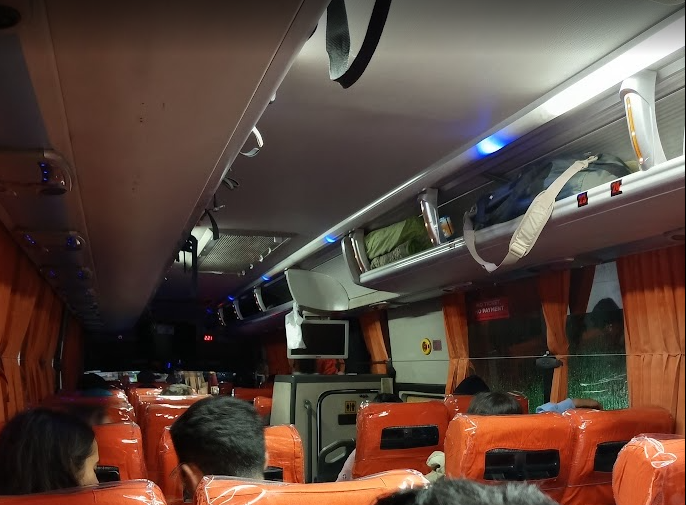
Several bus operators serve the route, including Victory Liner and JoyBus. Services vary by terminal, departure time, route, and seating class.
JoyBus currently lists Cubao to Baguio trips taking approximately 4 to 6 hours via TPLEX and Rosario Exit. Its Pasay-Baguio services are listed at around 5 to 7 hours. Schedules can change during holidays and peak travel periods.
If you already know your travel date, you can compare Manila to Baguio transport options on 12Go to check available bus services and departure times before traveling.
Your best departure terminal depends on where you are staying.
Cubao is convenient for travelers in Quezon City and nearby areas. Pasay can be more practical if you’re coming from NAIA, Makati, or southern Metro Manila.
JoyBus currently lists its Cubao terminal at 704 EDSA, Cubao, with another terminal along EDSA in Pasay. Its Baguio terminal is on Gov. Pack Road.
Don’t choose a terminal simply because it has the departure time you prefer. Crossing Metro Manila during rush hour can take a surprising amount of time.
If you’re arriving at NAIA before continuing to Baguio, allow plenty of time between your flight and bus departure. Airport traffic, baggage collection, and the trip across Metro Manila can all add delays.
If you need to travel through the capital before catching your bus, our guide to Manila’s public transportation system covers jeepneys, buses, and the MRT.
Planning the journey is fairly simple, especially if Baguio is your only destination.
If you’re continuing around the country afterward, our Philippines travel checklist can help you organize the essentials before leaving Manila.
Both options work, but they suit different types of travelers.
A bus is better for convenience. You can sit back, avoid driving through Manila, and arrive in Baguio without worrying about parking.
A car is better for flexibility. It becomes more useful if you want to explore Benguet, make several stops, or continue toward destinations such as Sagada or Banaue.
For a first-time visitor planning a short Baguio vacation, I’d choose the bus.
For a longer Cordillera road trip, I’d consider driving.
The exact route depends on the operator and service.
JoyBus currently lists its faster Cubao-Baguio services as traveling via TPLEX and Rosario Exit, with a journey time of approximately 4 to 6 hours. Other services use the Dau and Carmen route and take longer.
JoyBus currently operates direct services between Metro Manila and Baguio. Its published schedule includes Cubao-Baguio services via TPLEX and Rosario, with travel times varying by route and service. Schedules can change, particularly during holidays and peak travel periods, so check the latest information before traveling.
As you move north, the landscape gradually changes. The flat areas around Central Luzon give way to hills, winding roads, and eventually the mountainous terrain around Benguet.
That change is part of the appeal of the journey. You leave one of the country’s busiest urban areas and gradually find yourself surrounded by cooler mountain scenery.
Baguio can be visited throughout the year, but weekdays are usually a better choice for travelers who want to avoid the larger weekend crowds.
Weekends attract visitors from Metro Manila and nearby provinces. Public holidays and school breaks can be even busier.
The cooler months are particularly popular with travelers looking for a break from the heat of the lowlands. February is also a busy period because of Panagbenga, the Baguio Flower Festival.
If you want to experience the festival, book your transportation and accommodation early. If you’d rather explore Baguio without the biggest crowds, consider traveling outside major events and long weekends.
Choosing the right area can make a short trip much easier.
Baguio City Proper is convenient for travelers who want easy access to Session Road, restaurants, shops, markets, and public transportation.
Camp John Hay offers a greener setting and a quieter atmosphere, while areas around Mines View and Outlook Drive are popular with visitors looking for mountain scenery.
If you’re traveling during a weekend, holiday, or major festival, consider booking accommodation in advance, particularly if you have specific dates or a preferred area in mind. Compare Baguio hotels and accommodations on Agoda.
For a short first visit, staying somewhere with convenient access to central Baguio can save you considerable travel time.
Baguio is a mountain city, but it isn’t a remote mountain village.
It has universities, residential neighborhoods, restaurants, cafés, hotels, markets, and busy commercial areas. What makes it different from Manila is its altitude, cooler climate, pine-covered areas, and connection to the wider Cordillera region.
The city’s cultural and creative identity is also important. UNESCO recognizes Baguio as a Creative City of Crafts and Folk Arts, reflecting the role of traditional crafts and contemporary creative work in the city.
Popular places include Burnham Park, Mines View Park, Session Road, the Baguio Public Market, and Camp John Hay.
Don’t expect every attraction to be peaceful, though. Popular areas can become crowded on weekends.
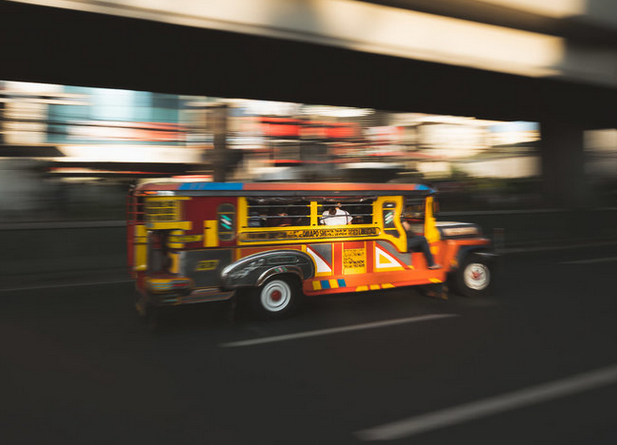
You can explore much of central Baguio without a private car, using taxis, jeepneys, and walking where practical.
Taxis and jeepneys are widely used, while some parts of the city can be explored on foot.
The hills are the main thing to keep in mind. A destination that looks close on a map can involve a surprisingly steep walk.
If you want to visit several attractions in one day, group places that are close together. This reduces the time you spend sitting in traffic and makes your itinerary more manageable.
For attractions farther from the city center, a taxi, private vehicle, or organized tour may be more practical.
For travelers looking for a short mountain getaway from Manila, Baguio is a practical choice because it can be reached by direct bus without taking a domestic flight.
You don’t need to take a flight, and direct buses make the journey relatively simple. Once you arrive, you get cooler weather, mountain scenery, cafés, local food, markets, and a different cultural setting from Metro Manila.
Baguio also works well as part of a longer northern itinerary. From here, travelers can continue toward destinations such as Sagada, Banaue, and Batad.
If you’re deciding where to go after Baguio, our guide to popular destinations in the Philippines can help you plan the next part of your trip.
A few simple preparations can make the journey much easier.
Check the latest bus schedule before leaving because departure times can change during holidays and peak periods. JoyBus specifically notes that schedules may vary during these periods.
If you’re traveling from NAIA, don’t underestimate the time needed to cross Metro Manila. Your airport arrival time and bus departure should have enough separation to account for possible delays.
Bring a light jacket even if Manila is hot when you leave. The temperature difference becomes noticeable once you arrive in Baguio, particularly at night.
Finally, don’t pack your itinerary too tightly. Traffic and weather can affect the journey, and Baguio is more enjoyable when you aren’t rushing from one attraction to the next.
For most visitors, traveling from Manila to Baguio by bus is straightforward. Direct services make it possible to reach the mountains without a flight, while the journey itself gives you a gradual change from Metro Manila’s busy streets to the cooler landscape of Benguet.
A private car is the better choice if you want flexibility or are planning a longer Northern Luzon road trip.
Whichever option you choose, check the current schedule, allow extra time for traffic, and book accommodation early when traveling during weekends, holidays, or major events.
The journey takes only several hours, but arriving in Baguio brings a noticeable change in climate, elevation, and landscape compared with Metro Manila.
For most travelers, a direct bus from Manila to Baguio is the easiest option. You don’t need to change vehicles, and several departures are available from Metro Manila.
Manila to Baguio by bus generally takes around four to six hours on faster services, but the actual journey can take longer because of traffic, weather, weekends, and holidays.
JoyBus fares vary according to the departure terminal and service class, so check the current fare when booking. Fares can change, so check the current price when booking.
Yes. Direct buses operate from Cubao, Pasay, and other Metro Manila terminals, depending on the operator.
A bus is generally more convenient for a short Baguio trip. Driving is more useful if you want to make stops along the way or explore other destinations in Benguet and northern Luzon.
Yes. Foreign travelers can use regular intercity bus services. Bring your passport or another accepted form of identification when traveling.
A standard bus service is generally a budget-friendly way to travel directly from Manila to Baguio, although the exact fare depends on the operator and service class. Premium services cost more but offer additional comfort and amenities.
Updated for 2026: This article was written in 2026. Bus schedules, fares, routes, and local travel regulations may change, so check the latest information before traveling.


Philippines Travel Guide seeks to share the vibe of an authentic experience through our idea of adventure travel for explorers and memory seekers in the Philippines.