How many islands should you visit on your first trip to the Philippines? For most travelers, the answer depends less on the number of destinations and more on how well they connect.
A good Philippines multi-island itinerary balances sightseeing with travel time. Some islands are easy to combine by ferry, while others are better reached by domestic flight. Planning these connections before booking your accommodation can save time, reduce unnecessary costs, and make your trip much easier.
In this guide, you’ll learn how to plan a multi-island trip in the Philippines, including how to choose the right destinations, compare ferries and flights, plan realistic travel days, manage your budget, and avoid common first-time mistakes.
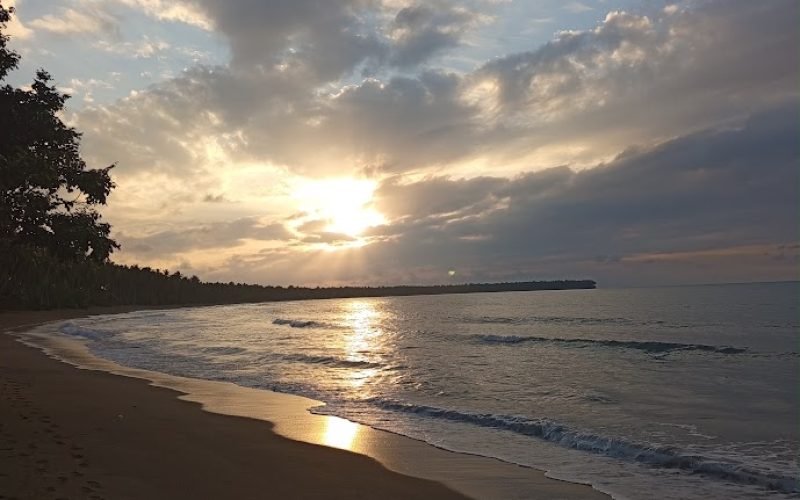
Unlike countries connected by highways or rail networks, the Philippines is an archipelago where every island offers something different.
For example:
Domestic flights, ferries, buses, and vans make traveling between islands straightforward. The key is choosing destinations that connect efficiently instead of trying to visit too many.
Your schedule determines how many islands you can realistically visit. Although transportation is reliable, traveling between islands often takes longer than expected.
Besides the journey itself, you’ll need time for airport transfers, ferry boarding, and hotel check-ins.
Trip Length | Recommended Islands |
5–7 Days | 1–2 islands |
8–10 Days | 2–3 islands |
11–14 Days | 3–4 islands |
15–21 Days | 4–5 islands |
Trying to visit six or seven islands in two weeks usually means spending more time traveling than exploring.
For help deciding your trip length, read How Many Days Should You Spend in the Philippines?

Choosing the right destinations is essential when planning a multi-island trip in the Philippines. Grouping islands with convenient ferry, flight, bus, and van connections can reduce travel time, transportation costs, and unnecessary backtracking.
Puerto Princesa → El Nido → Coron is ideal for travelers interested in beaches, island hopping, snorkeling, kayaking, limestone cliffs, and diving. Start in Puerto Princesa for the Underground River, continue to El Nido for its lagoons and island-hopping tours, then finish in Coron for clear lakes, coral reefs, and World War II shipwrecks. Allow around 8 to 12 days, or focus on El Nido and Coron for a shorter Philippines island hopping itinerary.
Cebu → Bohol → Siquijor is a practical route for first-time visitors who want beaches, waterfalls, culture, diving, and outdoor activities. Explore Cebu before taking a ferry to Bohol for the Chocolate Hills, tarsiers, and beaches, then continue to Siquijor for waterfalls and coastal scenery. Allow around 9 to 12 days for this Philippines multi-island itinerary.
For a shorter trip, combine Cebu and Siargao. Spend a few days exploring Cebu before flying to Siargao for surfing, island hopping, beaches, cafés, and outdoor adventures. Two destinations can give you more time to explore without spending your vacation constantly in transit.
Many first-time visitors try to include Boracay, Palawan, Cebu, Bohol, Siargao, Siquijor, Batanes, and Manila in one trip.
You’ll spend more time checking in, packing, and traveling than exploring.
Choose destinations that connect naturally and save the rest for another visit. Spending a few extra days on each island gives you time to discover local restaurants, hidden beaches, and experiences many travelers miss.
After choosing your destinations, plan how you’ll travel between them.
The main transportation options are:
Ferries are often the best choice for nearby islands, while domestic flights save time on longer routes. Many itineraries combine ferries, buses, and vans to reach popular destinations efficiently. Before booking, compare travel times, schedules, and ticket availability, especially during holidays and peak season.
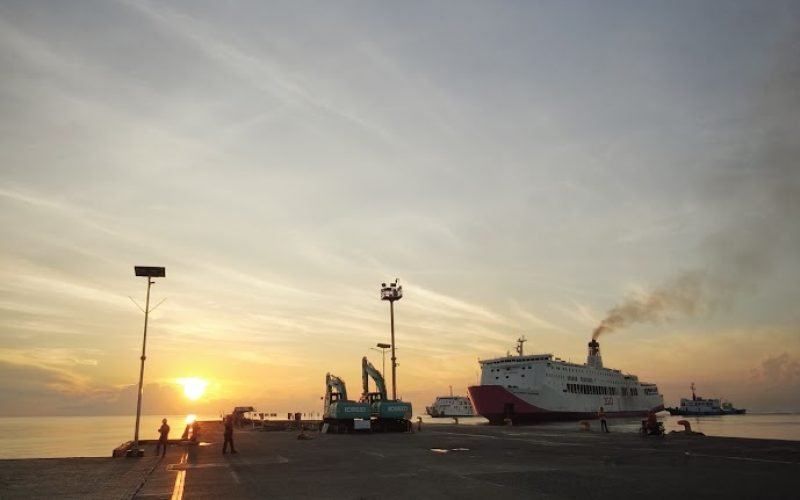
One of the biggest decisions when planning a Philippines multi-island trip is choosing between ferries and domestic flights. The best option depends on your itinerary, budget, and schedule.
Popular ferry routes include:
Fast craft ferries are common on busy tourist routes and can significantly reduce travel time compared to traditional passenger ferries.
Flights are the better option when traveling long distances or trying to maximize your vacation.
Domestic flights are ideal for routes such as:
Although flights cost more than ferries, they can save several hours or even an entire day of travel. During peak travel periods, booking several weeks in advance usually provides better fares and a wider choice of departure times.
Feature | Ferry | Domestic Flight |
Cost | Lower | Higher |
Travel Time | Longer | Faster |
Scenic Views | Excellent | Limited |
Best For | Nearby islands | Long-distance routes |
Baggage Restrictions | More flexible | Airline limits apply |
Weather Delays | More common | Possible during severe weather |
Many travelers combine both options. For example, fly from Manila to Cebu, then use ferries to explore Bohol and Siquijor before flying home.
If you’re visiting the Philippines for the first time, avoid packing too many destinations into your schedule. Three islands are enough to experience different landscapes without spending most of your trip in transit.
Begin your trip in Cebu, one of the country’s busiest travel hubs. Top attractions include:
Take a ferry from Cebu to Bohol. Spend a few days exploring:
Compare ferry schedules between Cebu and Bohol before planning your travel day.
Travel by ferry to Siquijor for a slower pace.
Don’t miss:
This itinerary balances sightseeing, beaches, and adventure while keeping travel time manageable.
With two weeks, you can comfortably visit four destinations.
Explore:
Fly to Puerto Princesa before continuing to El Nido.
Recommended activities:
For transport tips, read our guide on How to Travel from Puerto Princesa to El Nido in 2026.
Travel from El Nido to Coron by ferry.
Highlights include:
End your trip in Cebu.
Depending on your interests, you can:
This route combines beaches, marine life, historical attractions, and adventure while minimizing unnecessary backtracking.
The Philippines remains one of Southeast Asia’s most affordable island-hopping destinations. Your budget will depend on your travel style, transportation choices, and accommodation.
Budget | Estimated Daily Cost (per person) |
Backpacker | USD 40–70 |
Mid-range | USD 80–150 |
Luxury | USD 200+ |
Transportation usually accounts for a large share of your expenses, especially if your itinerary includes multiple domestic flights. Booking flights and ferry tickets early often results in lower prices and better availability.
Additional costs to consider include:
Planning these expenses helps you avoid unexpected costs during your trip.
If you’re traveling on a budget, these strategies can help reduce costs without sacrificing your experience:
A well-planned itinerary is usually cheaper than a rushed one with frequent transportation changes.
Many travelers overestimate how much they can see in one trip. Avoid these common mistakes to enjoy a smoother island-hopping experience.
More destinations don’t always mean a better trip. Spending only one night on each island often leads to travel fatigue and missed experiences.
Weather can affect ferry schedules and domestic flights, especially during the rainy season. Always allow some flexibility between destinations.
Popular ferry routes and domestic flights can sell out during holidays and peak travel periods. Booking early gives you more choices and often lower prices.
Airport transfers, ferry terminals, and hotel check-ins take longer than many first-time visitors expect. Build buffer time into your itinerary instead of scheduling connections too tightly.
Travel insurance can provide valuable protection against delays, cancellations, medical emergencies, and lost baggage—especially when visiting multiple islands.
Before leaving for the Philippines, check your itinerary from start to finish. Confirm how you will move between islands, where you will stay, and how much time you need for each transfer.
For entry requirements, see our Philippines Passport & Visa Requirements 2026 guide.
Planning your next island transfer? Compare available ferry, bus, van, and flight options before you leave.

For a first trip, two to four islands is a practical target. A 7-day trip may suit two destinations, while a 10–14-day trip can accommodate three or four without making the itinerary too rushed.
The best option depends on the distance. Ferries and fast craft work well between nearby islands, while domestic flights are usually better for longer distances. Many itineraries combine flights, ferries, buses, and vans.
Take a ferry when the islands are close, and the route is convenient. Choose a flight when the journey would take several hours by sea or require multiple connections.
Yes, especially for popular routes, weekends, public holidays, and peak travel periods. Booking ahead gives you more choices for departure times and can make your itinerary easier to manage.
For popular routes and peak travel periods, booking several weeks ahead is a sensible approach. Less busy routes may offer more flexibility, but checking schedules before committing to accommodation can prevent itinerary problems.
Yes. A route combining Palawan, Cebu, and Bohol can work well for a two-week trip. However, you’ll need to account for the time and cost of traveling between regions.
It doesn’t have to be. Budget travelers can reduce costs by using ferries, staying in affordable accommodations, choosing local restaurants, and limiting domestic flights. Your total budget will increase as you add islands, flights, tours, and private transfers.
Trying to visit too many destinations. The Philippines is geographically spread out, so transportation can take a significant part of your day. Fewer destinations with longer stays usually create a better travel experience.
Yes. Leave some flexibility in your itinerary, particularly during periods when weather can disrupt sea travel. Avoid booking a flight or international connection immediately after a ferry journey unless you have enough buffer time.
Planning your first Philippine multi-island trip doesn’t require visiting as many destinations as possible. Choose islands that connect well, give yourself enough time to explore each destination, and select transportation based on your budget and schedule.
For a first visit, two to four islands is usually enough. A combination such as Cebu, Bohol, and Siquijor works well for travelers who want beaches, culture, waterfalls, and outdoor activities. Palawan offers a different experience, with Puerto Princesa, El Nido, and Coron forming a popular route for travelers focused on beaches and marine adventures.
Before booking accommodation, check the transportation connections between each destination. Compare ferry and flight schedules, allow extra time for transfers, and keep your itinerary flexible enough to handle weather or schedule changes.
Ready to plan your route? Compare transportation options and book your next Philippine island transfer.


Philippines Travel Guide seeks to share the vibe of an authentic experience through our idea of adventure travel for explorers and memory seekers in the Philippines.