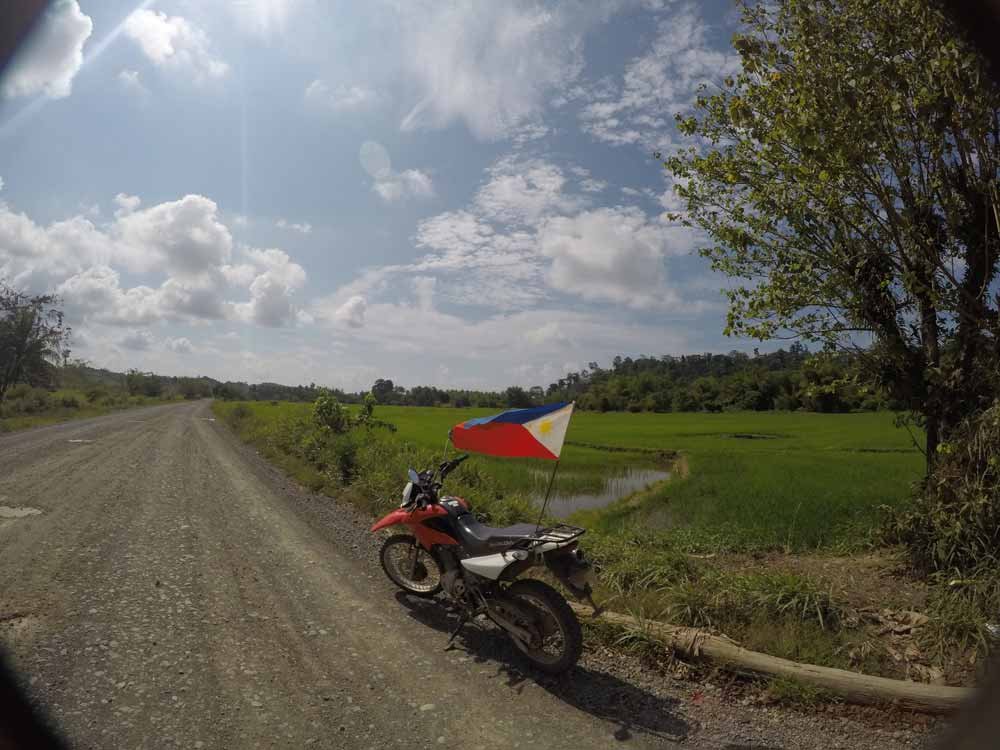
Siquijor is often associated with sunny beaches and clear skies, but the rainy season offers a different side of the island that’s equally worth experiencing. Between June and November, the island becomes greener, waterfalls flow at their best, and many popular attractions are noticeably less crowded than during the peak travel months.
Rain doesn’t usually last all day. It’s common to experience sunny mornings followed by short afternoon showers, giving you plenty of time to explore beaches, waterfalls, heritage sites, and coastal roads. The biggest consideration isn’t the rain itself; it’s staying flexible, especially if you’re traveling by ferry, as rough sea conditions can occasionally affect schedules.
If you’re wondering whether Siquijor is worth visiting during the rainy season, the answer depends on your travel style. Travelers who don’t mind adjusting their plans based on the weather are often rewarded with quieter attractions, lush scenery, and a more relaxed island atmosphere. For a broader look at how weather affects island travel across the country, our guide to weather in the Philippines covers regional patterns in detail.
Yes, Siquijor is still worth visiting during the rainy season, especially if you prefer fewer crowds and greener landscapes. While you’ll likely encounter occasional rain showers, they’re often brief rather than continuous.
The wet season is one of the best times to visit Cambugahay Falls, explore the island’s countryside, and enjoy a slower pace of travel. However, ferry trips from Dumaguete, Cebu, or Bohol may occasionally be delayed or canceled during periods of rough seas, so it’s best to keep your itinerary flexible.
For many travelers, the answer is yes.
The dry season from December to May remains the busiest time to visit, but the rainy months offer a quieter and more relaxed experience. Popular attractions such as Cambugahay Falls, Paliton Beach, and Lazi Church are often less crowded, making sightseeing more enjoyable.
Another advantage is the scenery. Seasonal rainfall transforms Siquijor’s forests, hills, and waterfalls, giving the island a greener appearance that’s especially appealing for photography and nature lovers.
The main trade-off is transportation. Ferry operators may delay or suspend trips when sea conditions become unsafe, particularly during tropical weather systems. If you’re planning to visit Siquijor as part of a Philippines island-hopping itinerary, allow extra time between ferry crossings and flights to avoid unnecessary stress.
Travel Tip: If you’re traveling from Cebu, Dumaguete, or Bohol, compare ferry schedules before your trip and check for updates on your travel day, especially during the rainy season.
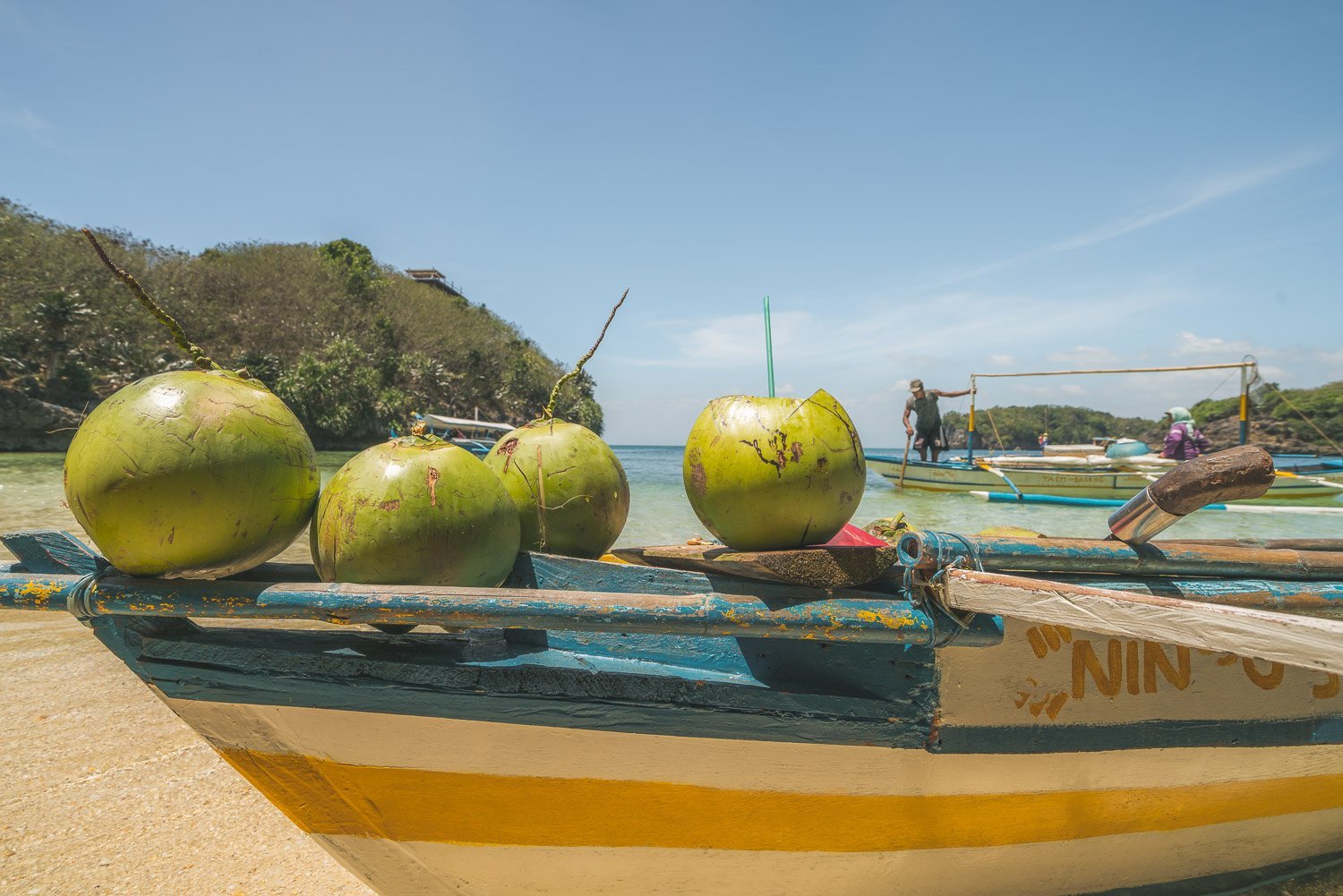
The rainy season in Siquijor generally runs from June to November, with July to October typically receiving the most rainfall. Weather patterns can vary from year to year, so a rainy forecast doesn’t necessarily mean your entire trip will be wet.
Many days still begin with sunshine before afternoon showers develop, while tropical weather systems passing through the Central Visayas can occasionally bring stronger winds, heavier rainfall, and rougher seas.
Before traveling, monitor weather advisories from PAGASA, the Philippines’ national weather bureau, especially if you plan to travel between islands by ferry. Our guide to traveling the Philippines during typhoon season is also worth reading before booking a June-to-November trip.
One of the biggest misconceptions about the rainy season is that it rains nonstop. In reality, many days still have plenty of sunshine, with rain often arriving later in the afternoon or evening.
During the wet season, you can generally expect:
Heavy rain can sometimes affect outdoor activities and ferry services, particularly when a low-pressure area or tropical cyclone passes near the Central Visayas. If you’re planning an island-hopping trip to Siquijor, check the weather forecast and ferry updates before traveling, especially during peak rainy months.
While most travelers visit during the dry months, the rainy season has its own advantages. If you don’t mind adjusting your plans around the weather, you’ll often enjoy a quieter and more relaxed experience.
Popular attractions such as Cambugahay Falls, Paliton Beach, and Salagdoong Beach are generally less busy than during summer and holiday periods. You’ll have more space to explore and won’t have to compete with large tour groups.
Seasonal rain transforms Siquijor’s forests, coconut groves, and rice fields into vibrant shades of green. Waterfalls become more impressive, making this one of the best times to visit Siquijor for nature lovers and photographers.
Hotels, beachfront resorts, and guesthouses often have greater availability outside the peak travel season. Depending on demand, you may also find better rates, especially if you book in advance.
Where to stay: Compare accommodations near San Juan, Larena, or Siquijor Town before your trip to find the best location for your itinerary.
Siquijor is known for its laid-back atmosphere, and the rainy season makes it feel even more peaceful. It’s an excellent time to enjoy scenic coastal drives, café hopping, quiet beaches, and slow afternoons without the crowds that arrive during the dry season.
The rainy season isn’t without its challenges, but most are easy to manage with a little planning.
Most visitors reach Siquijor by ferry from Dumaguete, Cebu, Tagbilaran (Bohol), or nearby islands. During rough sea conditions, ferry operators may delay or suspend sailings for safety.
To avoid travel disruptions:
Island hopping, snorkeling, and diving all rely on safe sea conditions. Instead of planning every hour of your trip, leave room to swap activities if the weather changes.
If you’re renting a motorbike in Siquijor, ride more carefully after rain. Roads can become slippery, especially on coastal routes and near waterfalls. Wear proper safety gear, reduce your speed, and avoid riding at night if you’re unfamiliar with the island.

A rainy forecast doesn’t mean you’ll spend your trip indoors. Many of Siquijor’s top tourist spots remain enjoyable during the wet season, especially when you plan outdoor activities in the morning and keep your itinerary flexible.
Cambugahay Falls is one of the best places to visit during the rainy season. Seasonal rainfall keeps the multi-tiered waterfalls flowing, creating vibrant turquoise pools surrounded by lush tropical forest.
Visit early in the morning to enjoy cooler temperatures and fewer visitors. The bamboo rafts and rope swings may occasionally be unavailable during periods of heavy rain or high water levels, so always follow local safety advice.
If the weather turns, head to Lazi Church and the adjacent Lazi Convent, two of Siquijor’s most important Spanish-era landmarks. Built with coral stone and hardwood, they’re among the oldest heritage sites in the province and make an excellent stop on a rainy afternoon.
One of the best ways to experience Siquijor is by following the island’s scenic coastal road. Short rain showers often pass quickly, allowing you to continue exploring beaches, viewpoints, cafés, and small coastal villages throughout the day.
If you’re renting a scooter, ride cautiously on wet roads and avoid traveling during heavy downpours.
Rainy afternoons are the perfect excuse to slow down. San Juan has a growing collection of cafés, beach bars, and restaurants where you can enjoy local dishes, fresh seafood, or coffee while waiting for the weather to clear.
Many beachfront cafés also offer ocean views, making them great places to unwind even if you’re not swimming.
Rain doesn’t always affect underwater visibility. On calmer days, many dive operators continue offering snorkeling and scuba diving trips to nearby reefs.
Before booking, ask local operators about current sea conditions and visibility, as schedules may change depending on the weather.
Planning to visit Siquijor from Dumaguete or Bohol? Check ferry schedules before your dive trip to avoid unexpected travel delays.
After an afternoon shower, Paliton Beach often rewards visitors with dramatic sunsets as the clouds begin to clear. If the weather cooperates, it’s one of the best places on the island to end the day. Sunset times vary throughout the year, so plan to arrive before dusk to find a good spot along the beach.
Packing for the rainy season doesn’t require bringing bulky gear. A few practical essentials will help you stay comfortable while exploring the island.
Bring:
If you plan to swim at Cambugahay Falls or visit the beach, pack an extra change of clothes so you can stay comfortable after passing showers.
A little preparation can make your trip smoother, especially if you’re visiting during the wet season.
Travel Tip: If you’re traveling to or from Siquijor by ferry, booking your tickets in advance makes it easier to compare schedules and adjust your plans if weather conditions change.

Choosing the right location can make a big difference during the rainy season.
Staying near the attractions you plan to visit can reduce travel time, especially if afternoon showers develop. Compare hotels, resorts, and beachfront stays in Siquijor before your trip to find the best accommodation for your budget and itinerary.
No. While you’ll likely experience occasional rain, many travelers enjoy the greener scenery, fewer crowds, and more relaxed atmosphere compared to the peak season.
Yes. Ferry operators may suspend or delay trips when sea conditions become unsafe. Always check the latest ferry schedules before traveling, especially during the rainy season.
Yes, provided weather and sea conditions are safe. Beaches, waterfalls, and snorkeling spots remain open most of the time, but always follow local safety advisories.
Rainfall is generally highest between July and October, although weather patterns vary each year.
Yes, if you’re an experienced rider. Roads can become slippery after rain, so reduce your speed, wear proper safety gear, and avoid riding during heavy downpours or at night on unfamiliar roads.
Many hotels, resorts, and guesthouses have better availability outside the peak travel months. Depending on demand, you may also find lower room rates.
Traveling to Siquijor during the rainy season offers a different experience from the busy summer months. While you may need to adjust your plans due to changing weather or ferry schedules, you’ll also enjoy greener landscapes, cascading waterfalls, quieter attractions, and a more relaxed pace of travel.
The key is to keep your itinerary flexible, monitor weather and ferry updates, and book accommodations and transportation in advance whenever possible. With a little planning, the rainy season can be one of the most rewarding times to explore Siquijor.
Whether you’re spending a weekend on the island or including it in a longer Philippines island-hopping itinerary, Siquijor remains a destination worth visiting, rain or shine.


Philippines Travel Guide seeks to share the vibe of an authentic experience through our idea of adventure travel for explorers and memory seekers in the Philippines.