Philippines Tipping Guide for Travelers
The Philippines is a stunning destination, but like any tropical country, it comes with health considerations worth knowing before you travel. The good news is that most risks are manageable with the right preparation. This guide covers recommended vaccines, travel insurance, healthcare options, emergency contacts, and practical safety tips to help you travel confidently.
Table of Contents
Recommended Vaccines for Tourists Visiting the Philippines
No vaccines are required for entry into the Philippines unless you are arriving from a country with active yellow fever transmission. In that case, ports of entry may require proof of a yellow fever vaccination certificate. This requirement applies to travellers aged 9 months and above who are coming from or transiting through affected countries for more than 12 hours.
While not required, the CDC and WHO recommend that all travellers ensure their routine vaccinations are up to date before departing. These include:
- Measles-Mumps-Rubella (MMR) — measles cases have been rising globally as of 2025, and the CDC strongly recommends full MMR vaccination before international travel
- Diphtheria-Tetanus-Pertussis (Tdap) — a booster is recommended if more than 10 years have passed since your last dose
- Varicella (chickenpox)
- Polio (IPV) — an adult booster is recommended for most travellers due to a global increase in cases
- Influenza — particularly relevant during peak tourist and rainy seasons when respiratory illness is more common
- COVID-19 — no longer required for entry, but staying up to date is still recommended
Beyond routine vaccines, your doctor may also discuss the following depending on your itinerary, activities, and length of stay:
- Hepatitis A — recommended for most travellers, as it spreads through contaminated food and water
- Typhoid — particularly relevant if you plan to eat at local markets or travel to rural areas
- Hepatitis B — recommended for longer stays or activities with potential exposure to blood or bodily fluids
- Rabies — recommended for travellers spending time outdoors, around animals, or visiting remote islands where immediate medical care may not be available
- Japanese Encephalitis — considered for travellers spending extended time in rural or agricultural areas
- Cholera — not commonly required, but may be recommended if travelling to areas with active spread
Malaria is present in limited areas of the Philippines, primarily in parts of Palawan and Mindanao. Travellers heading to these provinces should discuss mosquito-bite prevention and possible prophylactic medications with their doctor before departure. The risk is considered very limited in most other regions.
Visit your doctor or travel health clinic at least four to six weeks before your trip so there is enough time to complete any vaccination course that requires multiple doses.
Do You Need Travel Health Insurance for the Philippines
International travel insurance is strongly recommended for all visitors to the Philippines. It is not required for entry, but going without it exposes you to significant financial risk, particularly in remote areas where medical evacuation may be necessary.
Private consultations at reputable clinics in the Philippines typically cost between PHP 2,000 and PHP 5,000. However, a serious illness, a major procedure, or a medical evacuation from a remote island to Manila can run into hundreds of thousands of pesos. Philippine hospitals, both public and private, routinely require payment or a substantial deposit before discharging a patient. You cannot check out and settle later. Having an active insurance policy, or access to sufficient funds, is essential.
When choosing a policy, look for coverage that includes:
- Inpatient and outpatient treatment
- Emergency medical evacuation
- Repatriation if required
- Pre-existing condition coverage if relevant
- 24-hour emergency assistance
Keep all receipts and medical documents during your stay, as most international insurers require these when processing reimbursement claims after you return home. Carry a copy of your policy number and emergency contact line on your phone and in a physical backup.
Public vs Private Healthcare in the Philippines
The Philippines has both public and private healthcare facilities. Understanding the difference helps you know what to expect if you need medical assistance during your trip.
Private hospitals in major cities such as Manila, Cebu, and Davao are generally well-equipped, staffed by internationally trained doctors, and predominantly English-speaking. Facilities like St. Luke’s Medical Center, The Medical City, and Asian Hospital are considered among the best in Southeast Asia. These hospitals are the preferred choice for most foreign visitors and are where your travel insurance is most likely to be accepted for direct billing.
Public hospitals are found across the country and are staffed by trained doctors and nurses. The quality of care is generally sound, but public facilities are often under-resourced, particularly outside major cities. Shared wards, longer wait times, and limitations in specialist equipment are common in provincial public hospitals.
PhilHealth, the Philippine Health Insurance Corporation, is the government-run national health insurance program for Filipino citizens. As a tourist, you are not eligible to enrol in PhilHealth. Foreign nationals may qualify for PhilHealth membership only if they hold a recognised long-term residency visa, such as a 13A permanent resident visa or an SRRV (Special Resident Retiree’s Visa), or if they are formally employed by a Philippine-registered company. Tourist visa holders are generally not eligible, regardless of how long they have been in the country.
In practical terms, this means your international travel insurance is your primary financial protection while visiting the Philippines as a tourist.
In remote areas and smaller islands, healthcare facilities may be very limited. Clinics may lack specialist equipment, and transportation to a major hospital can be weather-dependent and time-consuming. If your itinerary includes off-the-beaten-path destinations, choose a travel insurance policy that specifically includes medical evacuation cover.
Travel Safety Tips for the Philippines
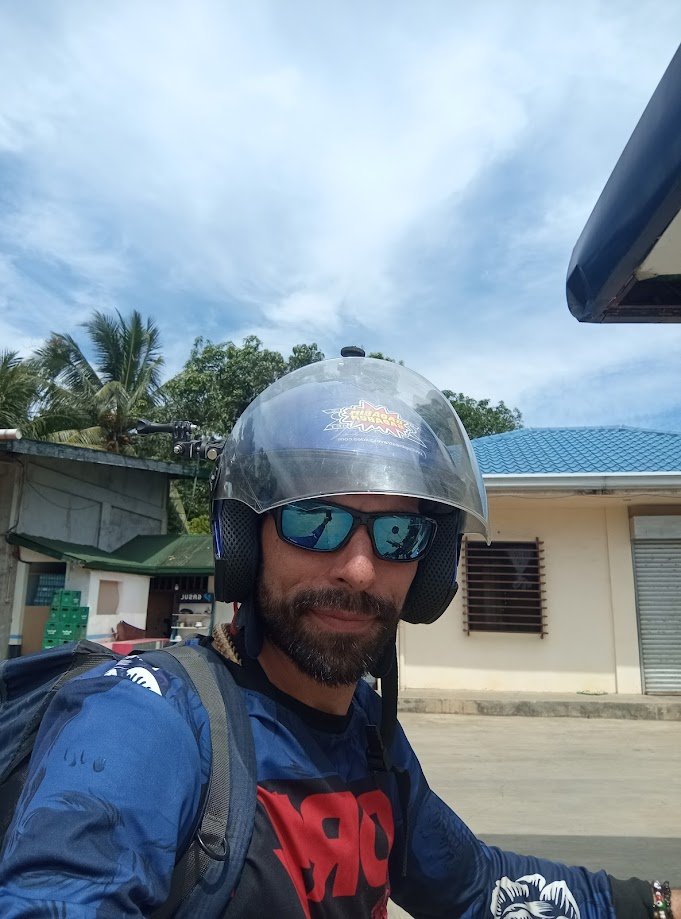
A few straightforward precautions make a significant difference to your health and safety during your trip.
Before you leave home, confirm your insurance coverage with your provider and save their emergency contact number on your phone. Pack a basic first aid kit, especially if you plan to visit remote areas, hike, or travel between islands. Include antiseptic, bandages, diarrhoea medication, antihistamines, sun protection, and any prescription medicines you take regularly. Carry prescription drugs in their original packaging with supporting documentation from your doctor.
Pharmacies are widely available across the Philippines. Major chains including Mercury Drug, Watsons, and South Star Drug operate in cities and larger towns. The Generics Pharmacy and Generika Drug Store offer affordable generic medicine options in many locations. In remote areas, stock up before you head out, as pharmacies may not be available.
Food and water safety is worth paying attention to. Stick to bottled or filtered water for drinking and brushing teeth in areas where tap water quality is uncertain. Be cautious with street food if you have a sensitive stomach, and choose vendors with high turnover and visible food hygiene.
Mosquito protection is important throughout the country, particularly during the rainy season from June to November when mosquito-borne illnesses such as dengue fever are more prevalent. Wear long sleeves and trousers during dawn and dusk, use insect repellent containing DEET, and stay in accommodation with screened windows or air conditioning where possible.
If you are visiting Mindanao, be aware that some areas carry travel advisories due to security concerns. Check your government’s travel advisory page before departure and stay updated during your trip.
For solo travellers heading off the beaten track, consider hiring a local guide and downloading offline maps before you lose mobile signal. Our guide to safety and risk management for solo travellers in the Philippines covers this in detail.
Emergency Contact Numbers in the Philippines
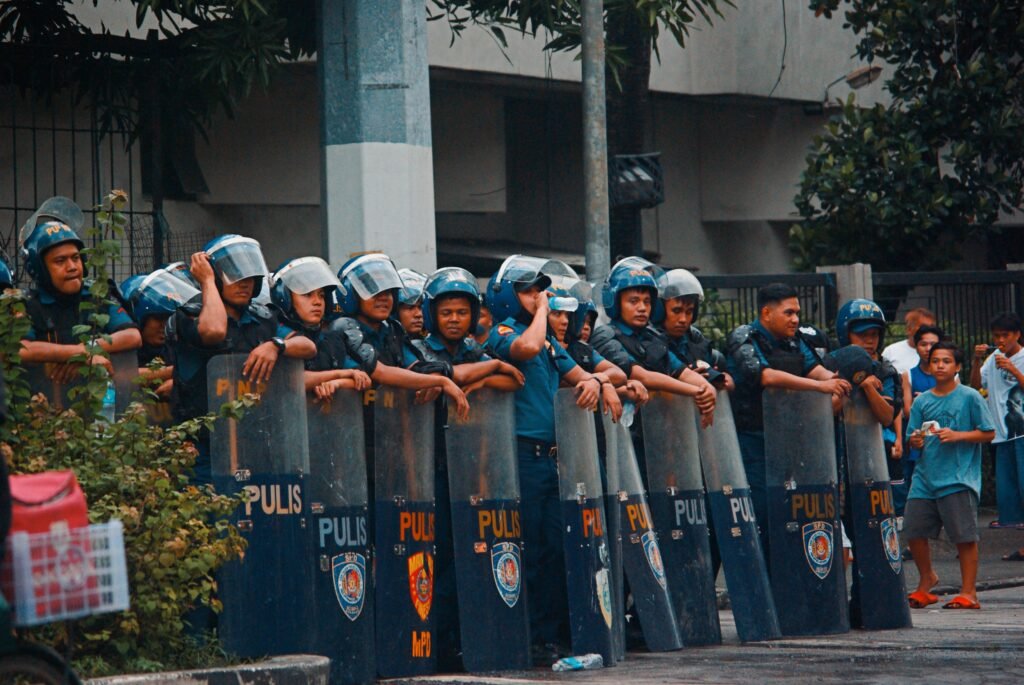
Save these before you travel:
- National Emergency Hotline: 911
- Philippine National Police Hotline: 117 or (02) 8722-0650
- Philippine Red Cross: 143 or +63 2 8790 2300
- Bureau of Fire Protection (NCR) Direct Hotline: (02) 426-0219
- NDRRMC (National Disaster Risk Reduction and Management Council): (02) 8911-5061 to 64 — are temporarily unavailable due to the migration of telephone lines. For coordination, reports, or assistance, you can reach the NDRRM Operations Center through their temporary hotlines at (02) 8912-3046 or (02) 8912-5668.
- MMDA Metrobase Hotline: 136
- Office of Transportation Security: 0919-9999-687
Also save the local number of your country’s embassy or consulate in the Philippines before you travel. In a serious emergency requiring consular assistance, having that number immediately accessible rather than searching for it is important. A full list of Philippine emergency contacts is available in our emergency contacts guide for the Philippines.
Summary
Getting travel health insurance before visiting the Philippines is not a formality. It is a practical necessity, especially if your itinerary includes remote islands, rural provinces, or adventure activities. No vaccines are required for entry in most cases, but updating your routine vaccinations and consulting a travel health clinic before departure is strongly recommended by both the CDC and WHO. In cities, private healthcare in the Philippines is generally excellent and English-speaking. Outside major urban areas, facilities vary considerably, and medical evacuation insurance becomes especially important.
Before you book your flights, also check our Philippines passport and visa requirements guide and our Philippines travel checklist to make sure everything else is sorted before you go.
Follows us on Facebook
Tips and Tricks
- Bringing Regulated Items
- Transport Options
- Popular Destinations
- Religion in the Philippines
Travel Adventures Diary
- Adventure Tours in Manila
- Adventure Tours on Bantayan Island
- Adventure Tours in Cebu
- Adventure Tours on the Island of Negros
- Adventure Tours Siquijor
- Adventure Tours in Guimaras
- Adventure Tours Gigantes
- Adventure Tours in Metro Manila
- Adventure Tours Puerto Princesa
- Adventure Tours in El Nido
- Adventure Tours in El Nido and Puerto Princesa
- Adventure Tours Baguio City
- Adventure Tours Sagada
- Adventure Tours Buscalan
- Adventure Tours Banaue
- Adventure Tours Pangasinan
- Adventure Tours Hundred Islands
- Adventure Tours in Metro Manila
- Adventure Tours in Leyte
- The Bamboo Paraiso Beach Resort
- Best Tour in Pangasinan