One of the most common questions travelers ask before visiting the Philippines is whether they should bring cash or rely mostly on credit cards and digital payments. The short answer is that you will need both.
The Philippines has become much more cashless in recent years, especially in major cities and popular tourist destinations. Many hotels, shopping malls, restaurants, airports, and convenience stores now accept credit cards, debit cards, and mobile wallet payments. However, cash is still extremely important in many everyday travel situations, particularly when visiting smaller islands, remote provinces, local markets, and rural destinations.
Travelers planning to explore places like Palawan, Sagada, Buscalan, Siquijor, or island hopping destinations across the Visayas will quickly notice that many businesses still prefer cash payments.
For the smoothest travel experience, most visitors use a combination of:
If you are preparing for your trip, this complete Philippines Currency Exchange Guide: Best Rates, ATMs & Money Tips explains local currency exchange, ATM withdrawals, and practical money-saving tips for travelers.
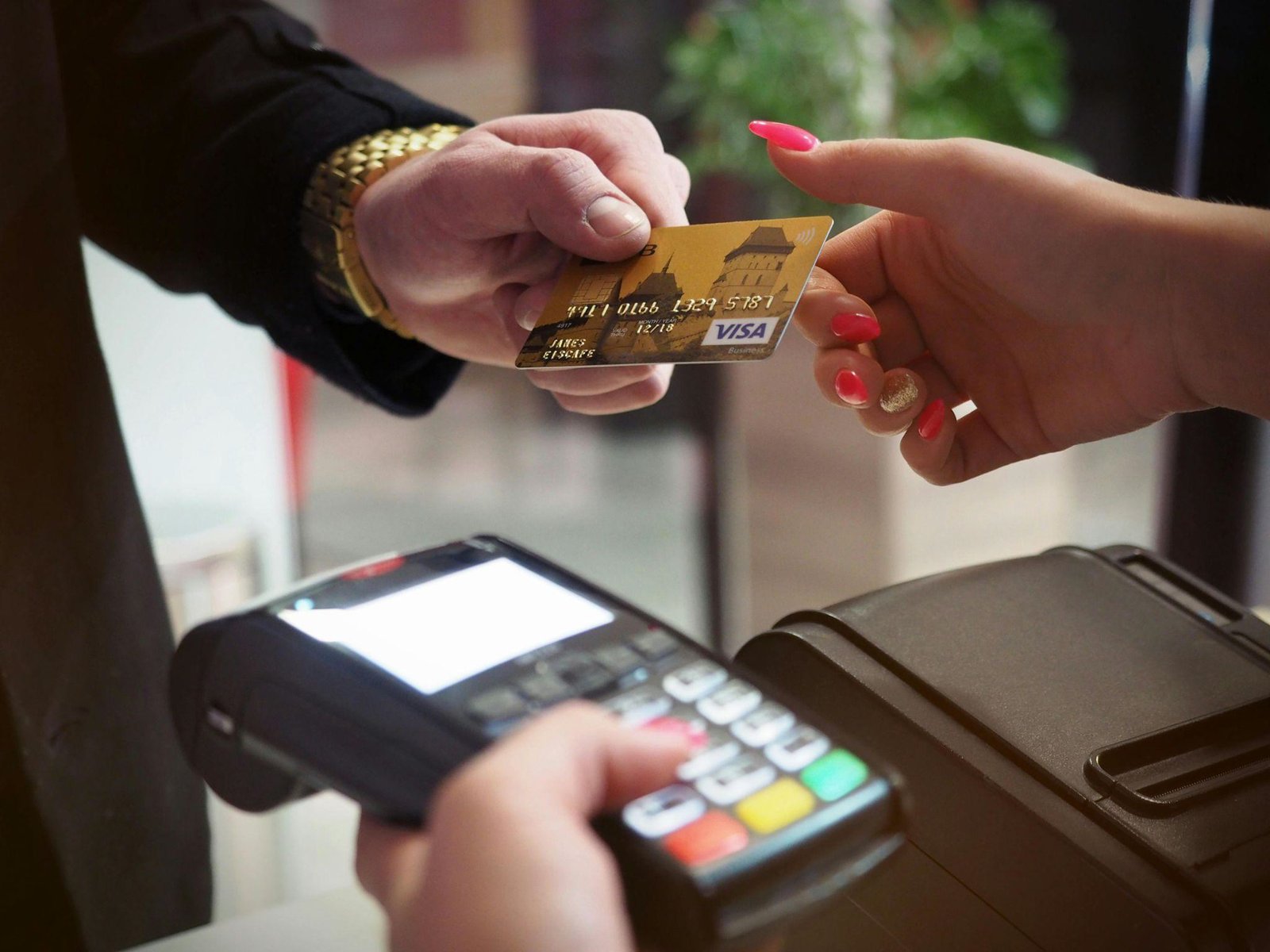
Yes, credit cards are widely accepted in many developed parts of the Philippines. Travelers visiting Metro Manila, Cebu City, Boracay, BGC, and larger tourist areas will find that most hotels, malls, supermarkets, and modern restaurants support card payments.
Visa and Mastercard are the most commonly accepted international cards, while some larger establishments also support American Express and JCB. Contactless payments and QR code systems are also becoming more common in urban areas.
According to Bangko Sentral ng Pilipinas (BSP), digital payments continue to grow rapidly as more businesses move toward cashless transactions. Still, the convenience of card payments becomes less reliable once you leave major cities and established tourist centers.
Smaller local businesses may not always have:
Because of this, travelers should never depend entirely on cards while traveling around the Philippines.
Cash remains essential in many parts of the country, especially outside large urban centers. Many local restaurants, market vendors, transportation providers, beach resorts, and small guesthouses still prefer cash payments because they operate in areas with weaker banking infrastructure.
This is especially common in:
Travelers visiting less-developed destinations often discover that even basic expenses such as transportation, entrance fees, and local meals require physical cash.
In places like Buscalan, Sagada, smaller islands in Palawan, and rural areas across Mindanao and the Visayas, ATMs may also be limited or temporarily unavailable. Withdrawing enough cash before leaving larger cities can prevent unnecessary travel problems later.
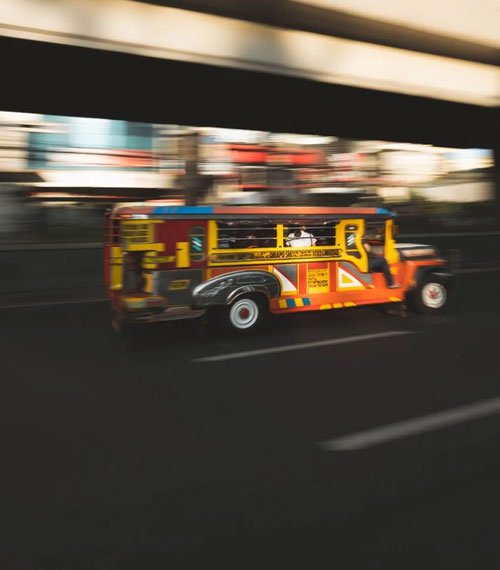
Transportation is one of the main reasons travelers still need cash in the Philippines. While ride-hailing apps like Grab allow digital payments in some cities, many forms of local transportation remain cash-only.
Jeepneys, tricycles, provincial buses, motorcycle taxis, and smaller ferries usually require direct cash payments in pesos. Small boat operators and local drivers in island destinations often do not have card readers or QR payment options available.
This becomes especially important for travelers planning:
Keeping smaller peso bills available throughout your trip makes transportation much easier.
Travelers exploring the capital can read Navigating Manila’s Public Transport: Jeepneys, Buses, and the MRT for local transportation tips in Manila.
You can also check Grab vs Angkas vs Traditional Taxis: Getting Around Philippine Cities to compare transportation options across urban areas.
ATMs are widely available in major cities and popular tourist destinations. Travelers staying in Manila, Cebu, Puerto Princesa, Davao, and Baguio will usually find ATMs inside malls, airports, convenience stores, and commercial districts.
However, ATM access becomes less reliable in remote islands and rural provinces. Some destinations may only have one ATM available, while others experience outages, long queues, or low cash availability during busy travel periods.
Many experienced travelers withdraw enough cash before traveling to smaller islands or mountain regions where banking access may be limited.
International travelers should also expect:
Official ATM locations can be checked through:
Most hotels and resorts in the Philippines accept card payments, especially in larger tourist destinations. International hotel chains and upscale beach resorts usually support online reservations, contactless payments, and major credit cards.
However, smaller accommodations such as:
may still prefer cash, particularly in remote islands or rural provinces.
Some accommodations may also request cash deposits during check-in. Travelers staying in less-developed areas should always confirm payment options before arrival to avoid surprises.
Digital wallets like GCash and Maya are now widely used throughout the Philippines. Many locals use them for restaurants, transportation, convenience stores, and online shopping.
QR code payments have also become increasingly common in larger cities and tourist districts.
Some tourists may be able to register for GCash using local SIM cards or international credentials, although setup requirements can vary depending on nationality and mobile compatibility.
Even with the rise of digital wallets, most travelers still rely mainly on cash and international cards during their trip. Mobile wallets are best treated as a useful backup payment method rather than a complete replacement for cash.
Getting a local SIM card can make transportation bookings, internet access, and digital payments much easier while traveling.
This Philippines SIM Cards and Mobile Data Guide for Tourists and Travelers explains the best options for staying connected during your trip.
Travelers can also visit the official GCash Website for updated account setup information.
One thing many travelers do not expect in the Philippines is how much internet stability affects digital payments. In smaller islands and remote provinces, weak mobile signal or temporary outages can sometimes cause card terminals and online payment systems to stop working.
Storms, power interruptions, and unstable internet connections occasionally affect businesses in island destinations. This is one reason why many local establishments still prefer cash transactions.
Travelers heading to remote beaches, mountain towns, or island hopping routes should always carry emergency cash in case:
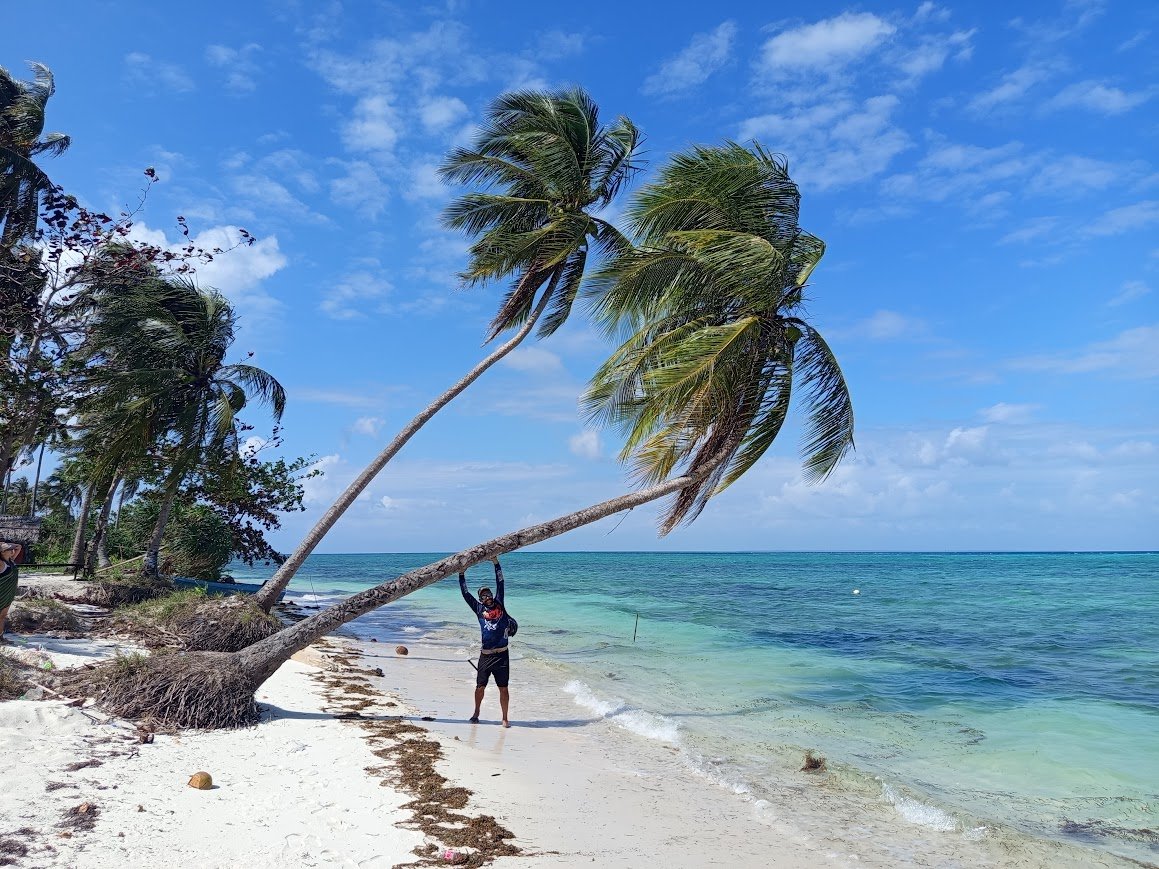
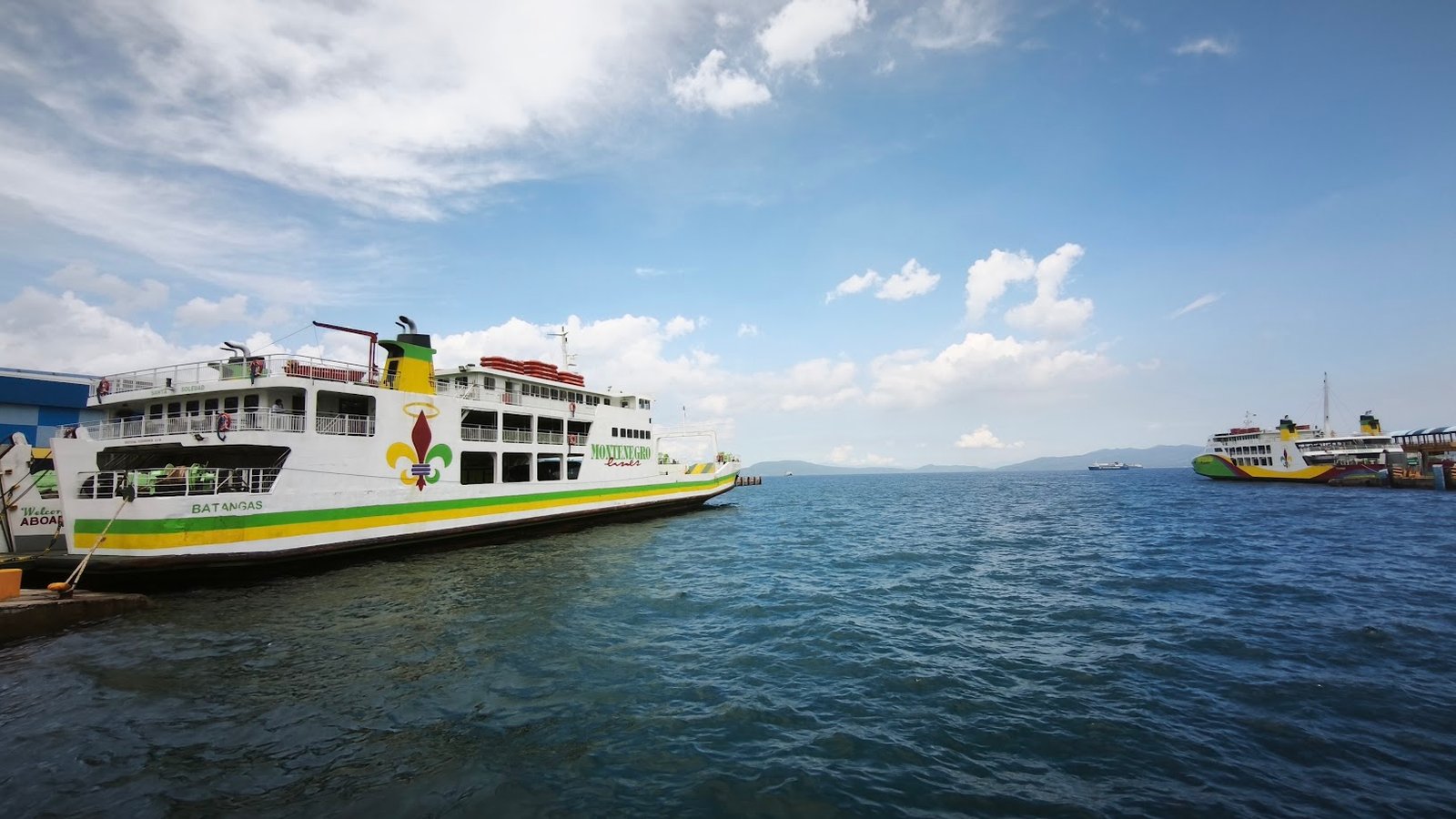
Island hopping is one of the most popular travel activities in the Philippines, particularly in destinations like El Nido, Coron, Cebu, and Hundred Islands. While some larger tour operators accept online bookings and card payments, many smaller operators still rely heavily on cash.
Travelers often need cash for:
Some islands may also have little to no ATM access available for tourists.
If island hopping is part of your itinerary, this guide to The Complete Guide to Ferry Travel Between Philippine Islands can help you prepare transportation budgets and route planning.
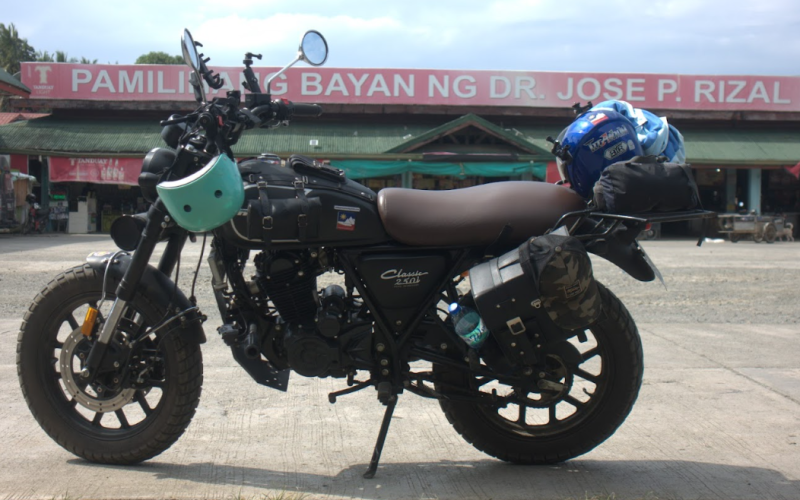
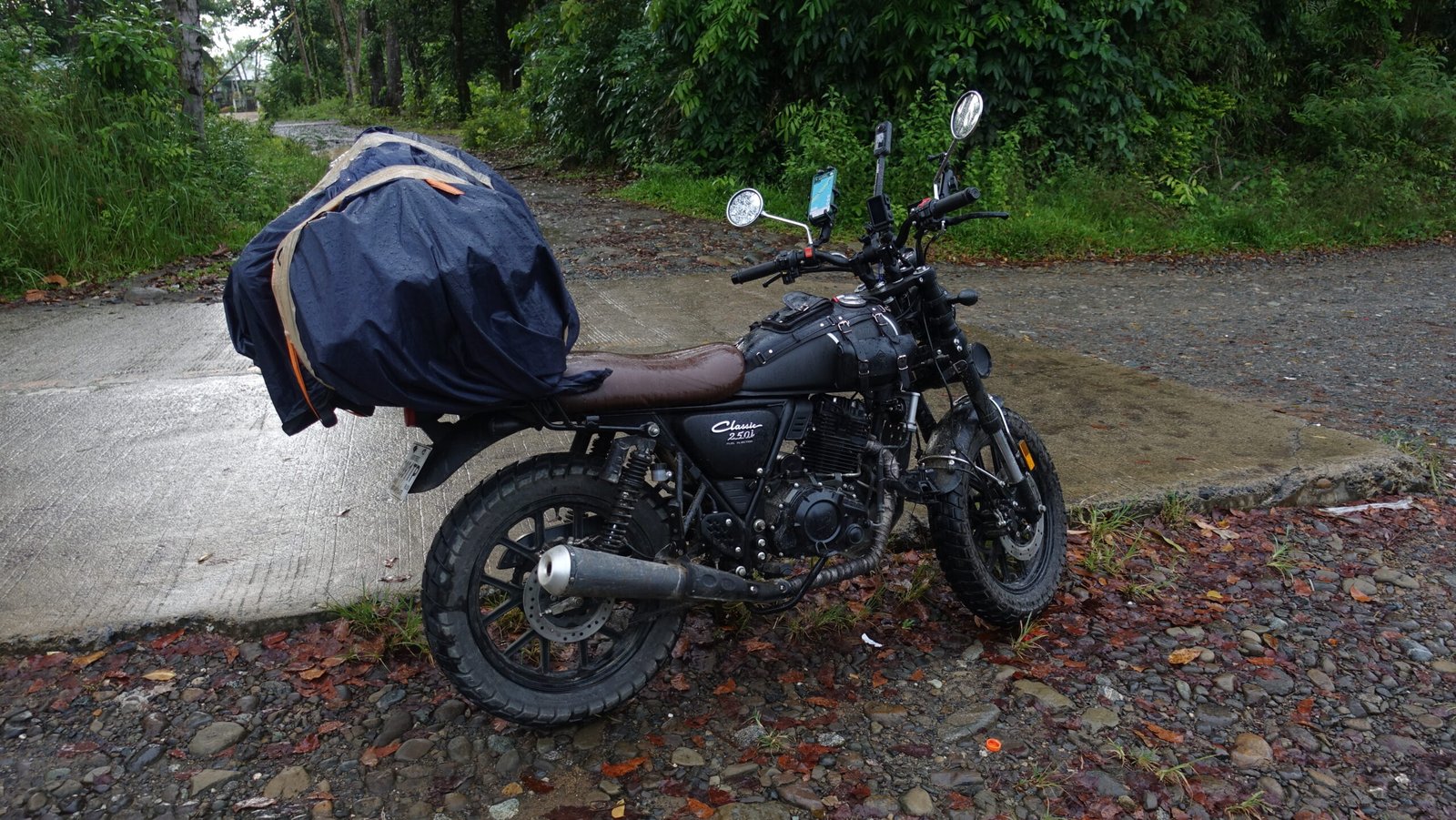
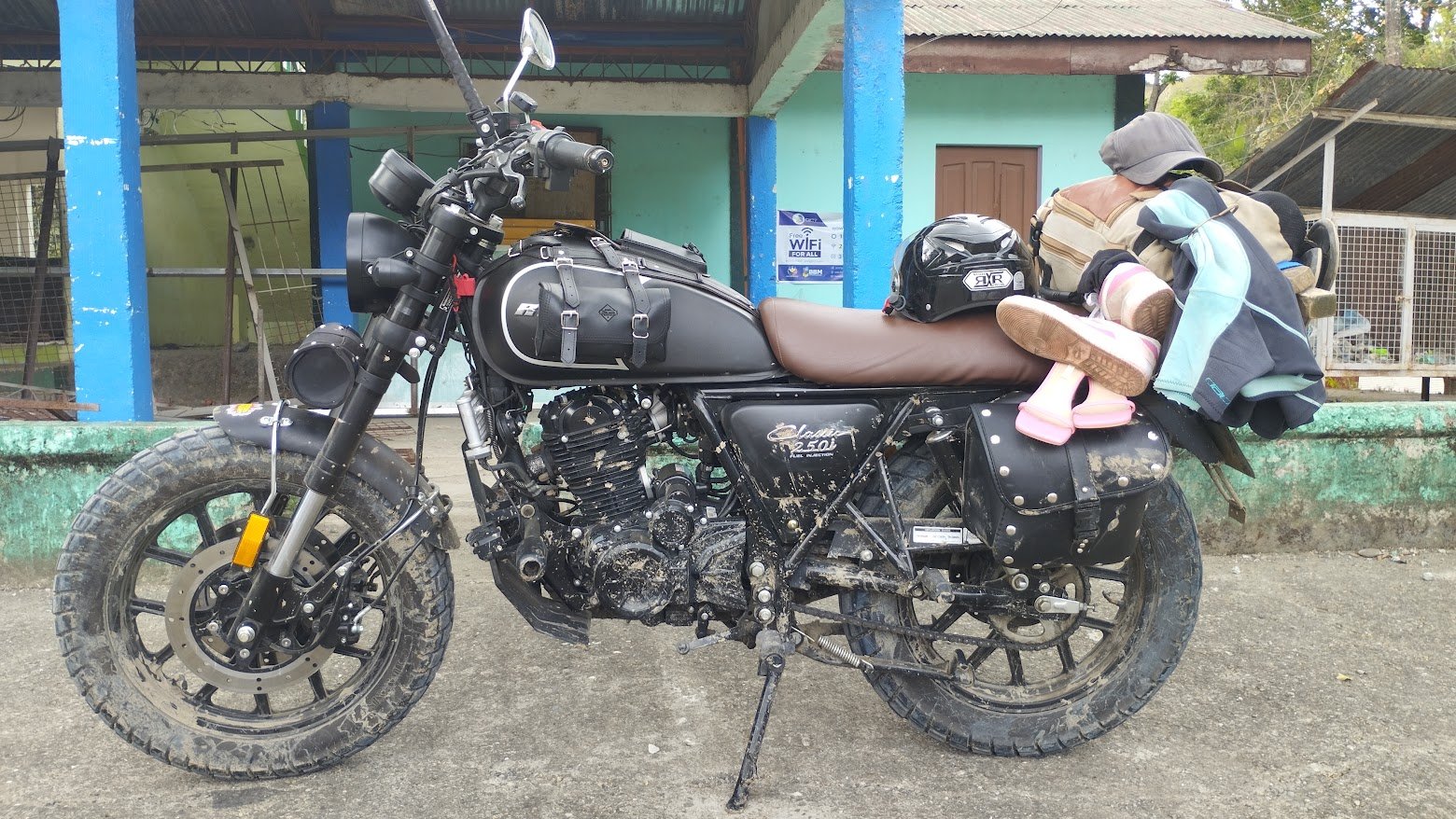
Travelers exploring the Philippines by motorbike usually rely on cash more than most tourists. Rural gas stations, roadside eateries, local repair shops, and provincial convenience stores often operate on cash-only systems.
This becomes especially important during long-distance rides around:
Small bills are also useful for parking fees, roadside food stops, and local toll payments.
Travelers planning road trips may also find these guides helpful:
One of the biggest mistakes first-time visitors make is assuming cards work everywhere in the Philippines. While many modern establishments support digital payments, cash remains essential for many local experiences.
Travelers often run into problems when they:
Small peso bills are especially useful for transportation, local markets, street food, entrance fees, and tips for drivers or guides.
For more practical travel preparation tips, these guides may help:
Should You Bring Cash to the Philippines?
Yes, carrying cash in the Philippines is still highly recommended, even as the country becomes increasingly cashless.
Travelers can comfortably use cards in many hotels, malls, airports, and restaurants in larger cities. But once you begin exploring smaller islands, provincial towns, remote beaches, and mountain destinations, cash quickly becomes essential for a smoother travel experience.
The most reliable setup for traveling in the Philippines is having:
Whether you are backpacking through Palawan, taking ferries across the Visayas, renting a motorbike in El Nido, or exploring hidden destinations beyond Boracay, carrying enough cash will help you avoid unnecessary travel stress.
For more travel tips, destination guides, and local insights, visit Philippine Travel Guide


Philippines Travel Guide seeks to share the vibe of an authentic experience through our idea of adventure travel for explorers and memory seekers in the Philippines.