“Avoid the Philippines during typhoon season.” Everyone says it. Almost everyone is wrong, or at least, missing the full picture.
Every travel blog, every forum post, every well-meaning friend who’s never actually been there will tell you the same thing: don’t go to the Philippines from June to November. It’s typhoon season. It rains. Things get cancelled. It’s not worth it.
Here’s what they don’t tell you: the Philippines attracts over 20 typhoons a year, but the country is enormous. 7,641 islands spread across a 1,850-kilometer stretch of ocean. When it’s stormy in one part, it’s often perfectly sunny in another. And those who brave the off-season travel in the Philippines often find cheaper flights, emptier beaches, and a more authentic version of Filipino life than they ever expected.
This is the guide that actually helps you make an informed decision. And if you’re still getting your bearings, our Philippines Travel Guide is a great place to start.
First, the basics: the Philippines lies squarely in the Pacific Typhoon Belt, making it one of the most typhoon-prone countries on earth. But “typhoon season” isn’t a uniform storm that blankets the entire archipelago from June to November. The reality is far more nuanced and far more navigable.
To understand why, it helps to look at the geography of the Philippines, a sprawling archipelago shaped less like a country and more like a constellation, with each island cluster sitting in its own distinct climate zone.
The Philippines Atmospheric, Geophysical and Astronomical Services Administration (PAGASA) divides the country into four climate types. The eastern seaboard, think Samar, Leyte, and parts of Eastern Mindanao, bears the brunt of the season. The western and southern islands, including Puerto Princesa in Palawan, Cebu City, and Davao, sit in what locals call the “typhoon shadow,” and can be beautiful even in the middle of August. For a deeper look at seasonal patterns across the archipelago, the weather in the Philippines breaks it down region by region.
Fast Fact: The Philippines experiences an average of 20 typhoons per year, but only about 8 to 9 typically make landfall. Most typhoons track northward, hitting Luzon and Eastern Visayas hardest, while Palawan, Cebu, and Mindanao often see far milder weather.
Nobody wants to sell you a discount. But the truth is that traveling in the Philippines during typhoon season can be one of the smartest moves you make if you plan wisely. Here’s what the sunny-season brochures won’t tell you.
The Upsides:
The Real Risks:
“Rainy days in the Philippines taught me something dry weather never could: how to slow down, eat well, and let a place surprise you on its own terms.”
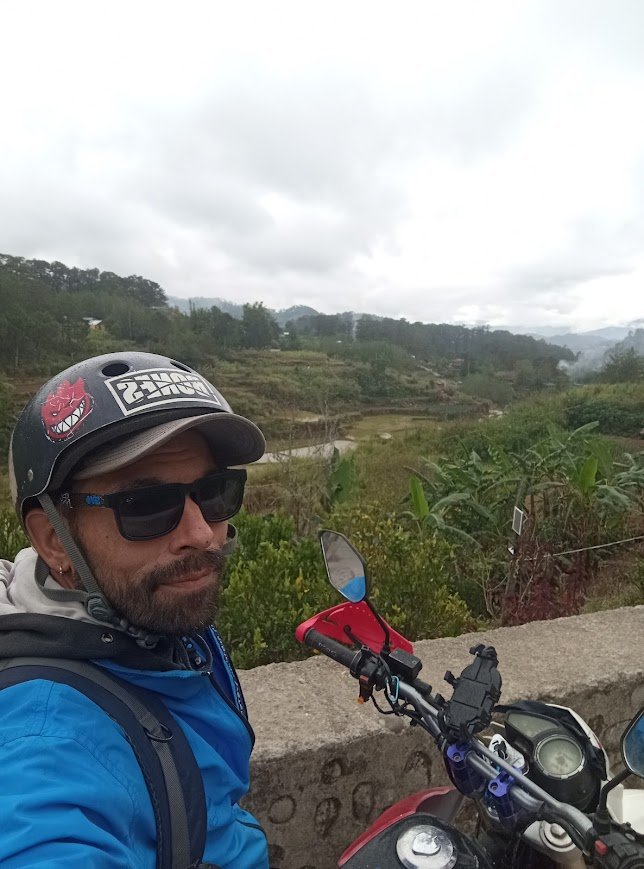
This is the real secret weapon of any savvy traveler: knowing where to be. The archipelago’s sheer size means you can almost always find sun somewhere. These destinations are your best bets during the June to November travel window. For a broader overview of where to head across the country, see our guide to the most popular destinations in the Philippines.
Siargao is ironically manageable from June to August. Swells attract surfers, crowds thin out, and Cloud 9 is far less chaotic. Avoid September and October during peak typhoon track months.
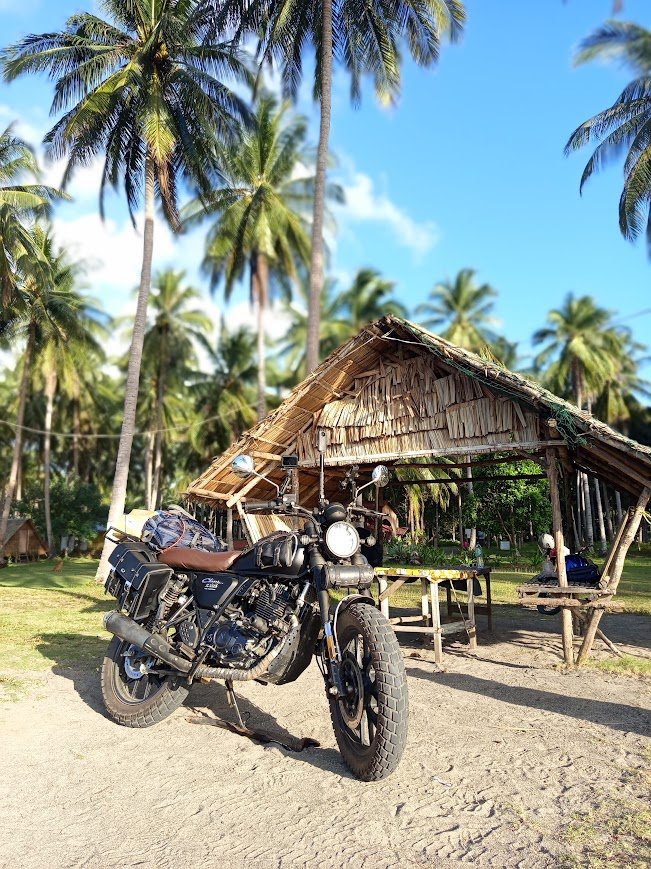
Palawan (South) sees El Nido get rough during peak typhoon season, but Coron and Puerto Princesa stay relatively stable from June to August. Some of the best diving visibility in the Philippines happens here during this period. If you’re planning to explore independently, consider renting a motorbike in Palawan, one of the most flexible ways to get around when schedules are unpredictable.
Davao, Mindanao, is geographically sheltered from most typhoon paths. Mount Apo, the Philippine Eagle Center, and Samal Island are reliably accessible year-round.
Cebu and Bohol can catch the edges of storms, but Cebu City and the southern islands tend to be mild. The Chocolate Hills and Tarsier Sanctuary are far quieter mid-season.
Camiguin Island is a volcanic gem off Mindanao’s coast that is small, incredibly friendly, and benefits from Mindanao’s relative shelter. Waterfalls are at their most spectacular during the mid-rainy season.
Dumaguete and Apo Island rank among the Philippines’ top diving destinations. The southeast coast of Negros Island gets rain but rarely severe storms. Sea turtles, fortunately, don’t take a season off. If you’re serious about diving, check our complete guide to the best diving spots in the Philippines for spots that hold up well even in the wet months.
You’ve read the weather forecasts. You’ve booked your flexible tickets. Here’s the stuff that catches travelers off guard anyway, the real texture of traveling the Philippines when the sky decides to open up.
PAGASA issues typhoon signal warnings from 1 to 5. Signal 1 means winds of 45 to 74 km/h are possible within 36 hours. Signal 5 means catastrophic. Most travelers encounter Signal 1 at worst, which is essentially a strong tropical storm. Life goes on. Markets stay open. Your guesthouse owner will make you breakfast and laugh gently at your concern.
What to Actually Watch: Ferry cancellations begin at Signal 2 and become near-total at Signal 3. The Philippine Coast Guard, not the shipping lines, makes these calls. Check the PAGASA website daily during travel days. It’s also worth reading up on ferry travel between Philippine islands before you go, because understanding how the system works makes weather-related disruptions far less stressful.
Filipinos have been navigating typhoons for generations. There is an entire culture built around it, the communal spirit, the fast-organizing bayanihan (helping one another), the speed with which communities recover. If you want to understand this spirit more deeply before you arrive, this piece on bayanihan and the Filipino spirit is worth a read.
As a traveler, you will witness this firsthand, and it is quietly humbling. Locals will check on you. Guesthouse owners will move you to better rooms. The sari-sari store around the corner will stay open with candles when the power cuts. This isn’t an inconvenience. It’s one of the more honest travel experiences the Philippines can give you. Understanding Filipino hospitality and local customs will help you navigate these moments with grace rather than confusion.
The traveler who arrives during typhoon season with a rigid, day-by-day plan will have a difficult time. The traveler who arrives with a loose framework and genuine curiosity will have a story worth telling. Book accommodations that allow free cancellation. Keep ferry and inter-island flight days as buffer days wherever possible. Build in at least one “nowhere to be” day per week.
Local Tip: Ask your accommodation host every morning: “How’s the weather looking today?” They will know before any app does. They have relatives in the barangay you’re traveling to. Local intelligence beats any forecast algorithm. And if you haven’t sorted a local SIM yet, do it on arrival. Our Philippines SIM cards and mobile data guide will help you stay connected when you need weather updates most.
The Philippines’ waterfalls, Kawasan, Aliwagwag, Tinago, and Ditumabo, are at their most dramatic and powerful during the rainy season. Swollen by weeks of rainfall, they are genuinely breathtaking. They are also significantly more dangerous. Flash floods in canyon areas can arrive with almost no warning. If a local tells you not to swim, listen. If a guide hesitates, listen harder. The landscape is more alive in the rain, but it demands more respect.
For travelers heading into more remote or rugged areas during this season, our guide on safety and risk management for solo adventure travelers is essential reading.
Philippine Airlines, Cebu Pacific, and AirAsia Philippines will cancel, merge, and reroute flights due to weather without the drama you might expect from airlines elsewhere. It’s not unusual to arrive at an airport and find your 8 AM flight has become a 3 PM flight, with a brief SMS the night before.
Budget a full extra day at the beginning and end of any inter-island itinerary during peak typhoon months. If you’re flying in or out of Manila, the NAIA 2026 travel guide has up-to-date information on terminals, transport, and what to expect on the ground.
Pro Move: Download the airline apps and turn on all notifications. Keep the airport’s landline number saved. During weather disruptions, app queues clog, and calling directly gets you a human faster.
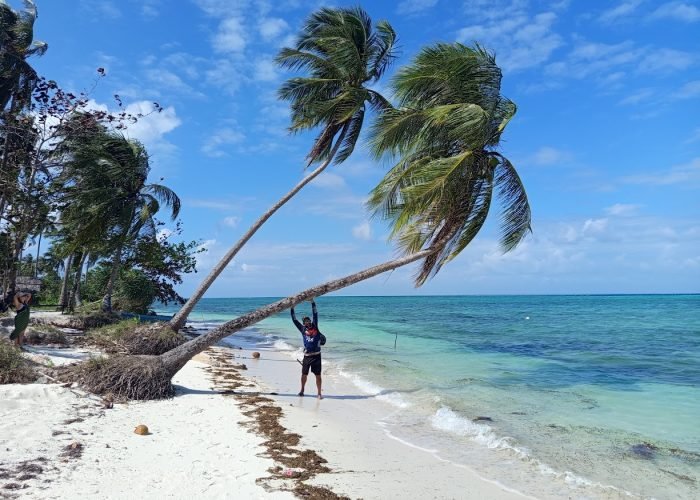
Packing right makes an enormous difference during rainy season travel in the Philippines. For a complete breakdown by activity and region, see the ultimate Philippines packing list for every season. At a minimum, make sure you have:
It also doesn’t hurt to learn a few essential Filipino phrases before you go. A little Tagalog or Bisaya goes a long way when you’re asking a tricycle driver for shelter from the rain.
Traveling the Philippines during typhoon season is not for the inflexible traveler, the light-schedule-only tourist, or anyone who needs a guarantee of sunshine at 10 AM. But for the adaptable? For those who find beauty in atmosphere, who want to meet a country as it actually lives rather than as it performs for peak-season visitors? Typhoon season might be the best-kept secret in Southeast Asian travel.
The light in the Philippines after a storm breaks is unlike anything else. The people are warmer, not despite the weather, but somehow because of it.
Go with open eyes, flexible plans, good rain gear, and the right insurance. The Philippines in typhoon season will surprise you in the best way.
Ready to start planning? Browse our Philippines destination guides to find where to go, what to do, and how to make the most of every season.


Philippines Travel Guide seeks to share the vibe of an authentic experience through our idea of adventure travel for explorers and memory seekers in the Philippines.