Every country has a personality. Japan has its precision. Italy has its passion. And the Philippines has something harder to define but impossible to miss within the first 24 hours of arrival.
Foreign travelers consistently report the same observations, regardless of where they come from or which islands they visit. This post collects those observations and explains the cultural roots behind them. For deeper context before you arrive, our guides to Filipino hospitality, local customs and the people and culture of the Philippines are worth reading first.
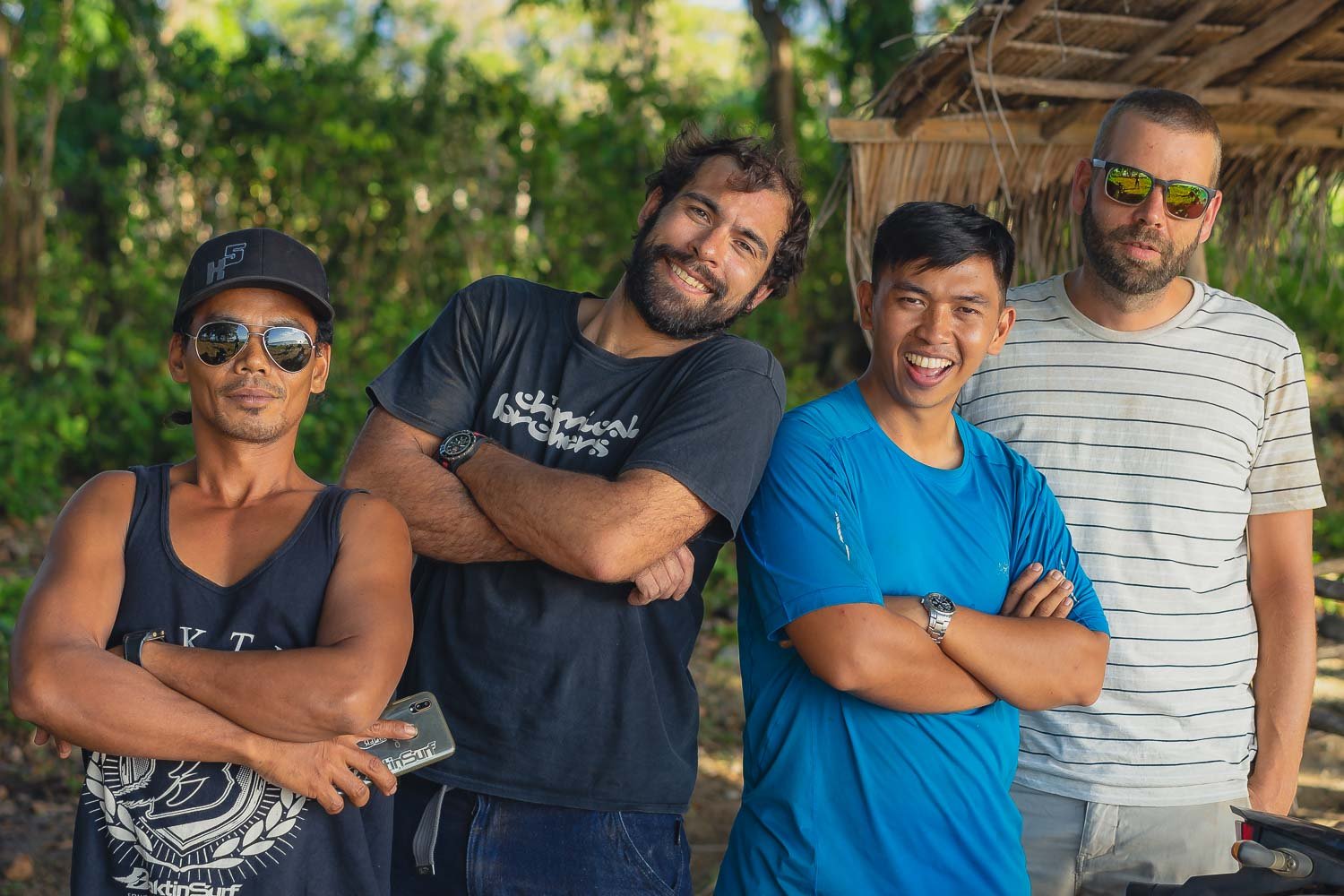
Ask any foreign traveler what they remember most about Filipinos and the smile comes up immediately. Not a polite, customer-service smile, but a genuine, instinctive greeting that happens before either person has said anything.
This is deeply embedded in Filipino social culture, where warmth toward strangers and guests reflects good character and family upbringing. The default setting is open. By day three, most visitors stop noticing it as remarkable and start noticing when it is absent.
Filipino hospitality is not transactional. Locals will walk a lost traveler to their destination rather than just pointing, invite them to share food, or offer their home as a rest stop on a hot afternoon.
The cultural root is Bayanihan, the Filipino tradition of communal generosity inherited from Malay and indigenous culture. A Filipino host considers a guest’s comfort a personal responsibility, not a professional one. Being invited into a stranger’s home to share a meal is a genuine offer, and it catches most visitors off guard the first time it happens.
The Philippines is one of the largest English-speaking countries in the world. Travelers from English-speaking nations are consistently surprised by how fluently and naturally it is spoken across all regions and economic backgrounds.
This traces back to the American colonial period (1898 to 1946), which established a public education system conducted in English. Today you can ask for directions, negotiate a fare, order food, and navigate almost any situation without a translation app. Learning even a few words of Filipino (Tagalog) is still warmly received. Our essential Filipino phrases guide is a good place to start.
One of the most distinctive traits of Filipino family culture is the active, visible respect shown to older people. The most recognisable expression is Mano po, a greeting where a younger person takes an elder’s hand and presses it to their forehead as a sign of respect.
The words po and opo are also added to speech when addressing someone older or in authority. Their absence would be considered rude. Three-generation households are common, and caring for elderly parents at home is the norm rather than the exception.
Foreign travelers will encounter videoke (karaoke) in almost every social setting: resorts, beach bars, neighbourhood courts, family celebrations, and roadside eateries. Singing is how Filipinos express joy. It is participatory, not performative, and the quality of the voice matters far less than the enthusiasm brought to it.
A foreign traveler who takes the microphone, however reluctantly, will earn genuine appreciation.
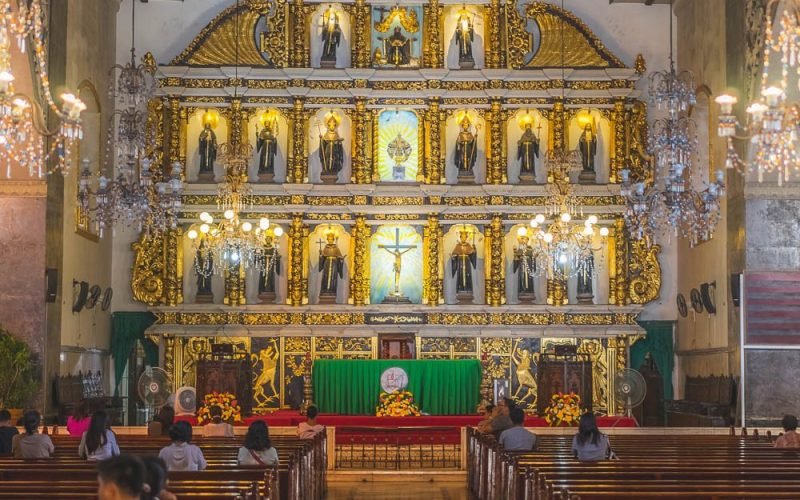
Roughly 79 to 80 percent of Filipinos identify as Roman Catholic, making the Philippines one of the most predominantly Catholic countries in Asia. Churches are packed on Sundays. The sign of the cross is made when passing a church, sometimes from inside a moving vehicle. Religious images appear in homes, jeepneys, and market stalls.
Holy Week in March or April sees towns largely shut down for family religious observance. Conservative dress is expected when visiting churches, even in tourist areas. Our guide to religion in the Philippines covers this in more detail.
The Philippines sits in the Pacific typhoon belt and experiences an average of 20 tropical cyclones per year. Despite this, what foreign travelers consistently find is cheerfulness and resilience rather than pessimism.
Filipinos have a phrase for this attitude: bahala na, roughly translated as “leave it to God” or “whatever happens, happens.” It is not fatalism but a practical acceptance of uncertainty. Communities devastated by typhoons are rebuilding within days. It is one of the traits visitors describe as quietly humbling.
Family is the organising principle of most major decisions in Filipino life, from where to live and what job to take, to how money is spent and who is helped first in a crisis.
Travelers notice this throughout a visit. Three generations run the guesthouse. The tricycle driver sends most of his earnings home to his province. Workers overseas, called OFWs (Overseas Filipino Workers), number in the millions and maintain deep daily ties to their families at home.
The longer travelers stay, the more they notice the Filipino capacity for creative problem-solving with limited resources. The jeepney, originally built from American military jeeps left after World War II, is the most visible example: repurposed, decorated, and turned into the country’s primary public transport vehicle.
The same ingenuity shows up in food stalls, boat repairs, and improvised fixes that work better than expected. Travelers from cultures where problems are solved by buying something new find this quietly impressive.
Filipinos are genuinely curious about foreign visitors in an open, friendly way. Travelers are frequently asked where they are from, what they think of the food, and whether they have a Filipino friend yet.
This reflects both cultural openness and the Philippines’ long history of contact with other cultures: Malay, Chinese, Spanish, American. For travelers not used to this level of direct engagement, it can feel intense at first. Most find it becomes one of the things they like most about the country.
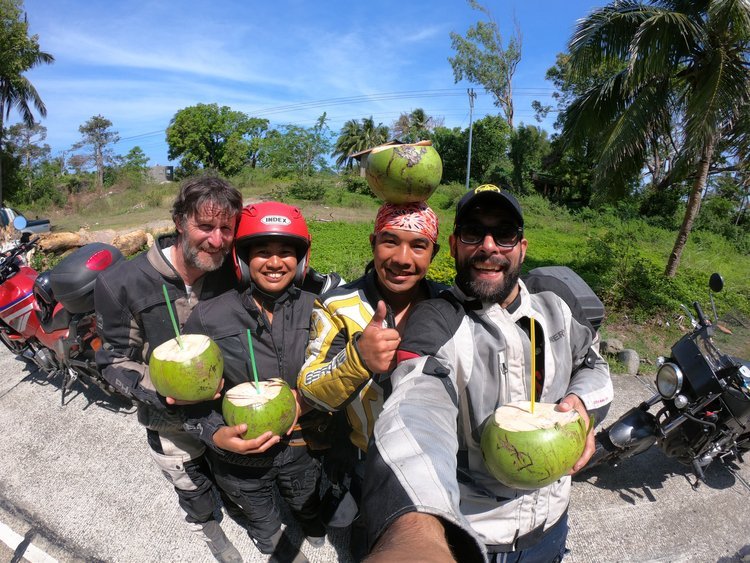
The smile is real. The hospitality is genuine. The English your locals are speaking is their second language, often a source of pride. The family running your guesthouse is not just staff, they are three generations who built the place and will remember you after you leave.
Traveling in the Philippines with this understanding changes how you engage with the country. You stop treating kindness as a transaction and start receiving it as what it actually is. You notice the effort behind the welcome. You understand why the tricycle driver asks about your family before he asks where you are going.
The beaches, the diving, and the islands are exceptional. But most travelers who fall in love with the Philippines will tell you, honestly, that it was the people who made the difference. That is not something you can plan for, but you can put yourself in a better position to experience it by arriving with some cultural awareness and a willingness to meet people halfway.
Before you go, make sure your trip is fully prepared with our Philippines travel checklist for 2026. And pick up a few phrases from our essential Filipino phrases guide to connect with locals from day one. It takes five minutes to learn and earns more goodwill than you would expect. If you’re still planning your journey, it’s worth comparing flights to the Philippines before finalizing your itinerary so you can find the best routes and fares for your trip.
What are Filipinos known for?
Warmth, hospitality, resilience, strong family values, and deep Catholic faith. Foreign travelers consistently highlight Filipino friendliness as one of the most memorable parts of visiting the country.
Why are Filipinos so friendly to foreigners?
Filipino culture places a high value on welcoming guests, rooted in Bayanihan and a long history of contact with other cultures. Being a good host reflects personal and family character, not just social courtesy.
Do Filipinos speak English?
Yes. English is an official language used in schools, government, media, and everyday conversation across the country.
What is Mano po?
A traditional Filipino gesture of respect where a younger person takes an elder’s hand and presses it to their forehead. Practised within families and in community settings.
What does bahala na mean?
A Filipino expression meaning roughly “leave it to God” or “whatever will be, will be.” It reflects cultural acceptance of uncertainty and a resilient, forward-moving attitude.


Philippines Travel Guide seeks to share the vibe of an authentic experience through our idea of adventure travel for explorers and memory seekers in the Philippines.