Religion in the Philippines plays a major role in daily life across the country, shaping traditions, festivals, social norms, and even travel experiences. As of 2026, the Philippines remains one of the most religious nations in Asia, with a strong Christian majority alongside diverse minority faiths.
Understanding religious culture in the Philippines will help travelers navigate local customs, participate respectfully in festivals, and better connect with Filipino communities.
Note: Some older sources still reference the 2015 Census. All statistics below reflect the Philippine Statistics Authority (PSA) 2020 Census, released in February 2023, which is the most authoritative current source.
For general travel planning, visit the Philippines Travel Guide.
The Philippines is predominantly Christian, with Roman Catholicism as the largest religion. According to the PSA 2020 Census, the approximate religious breakdown is:
Catholicism in the Philippines was introduced during Spanish colonization, which lasted from 1565 to 1898. Its influence remains deeply embedded in Filipino culture today. The Philippines is also Asia’s largest Catholic nation and holds the third-largest Roman Catholic population in the world, after Brazil and Mexico.
The Philippines is often called the “Catholic capital of Asia.” Churches are central to most towns, and Catholic religious practices in the Philippines influence:
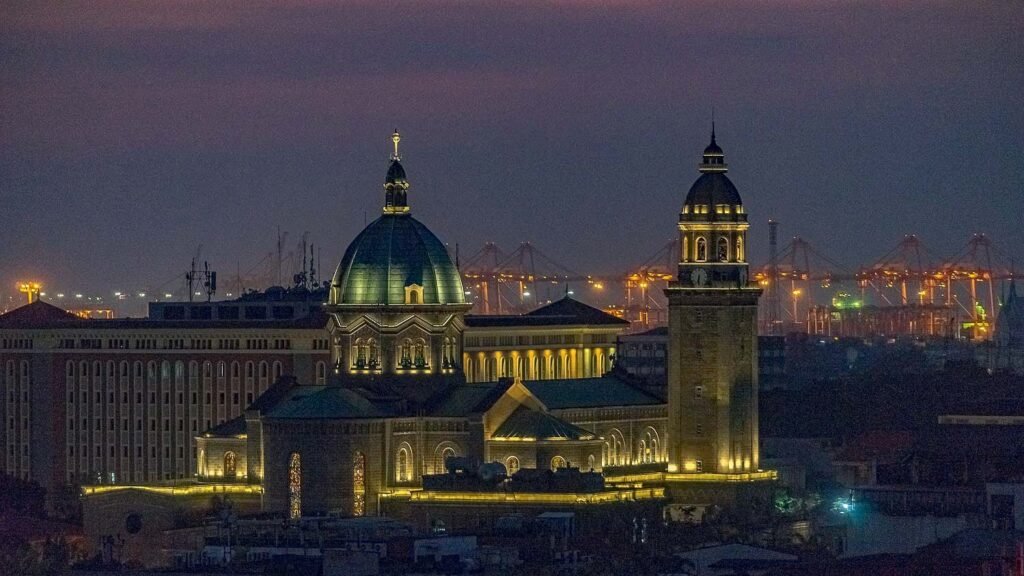
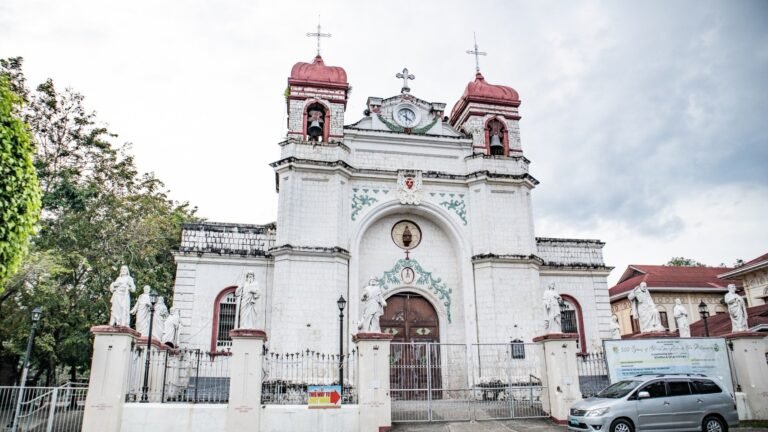
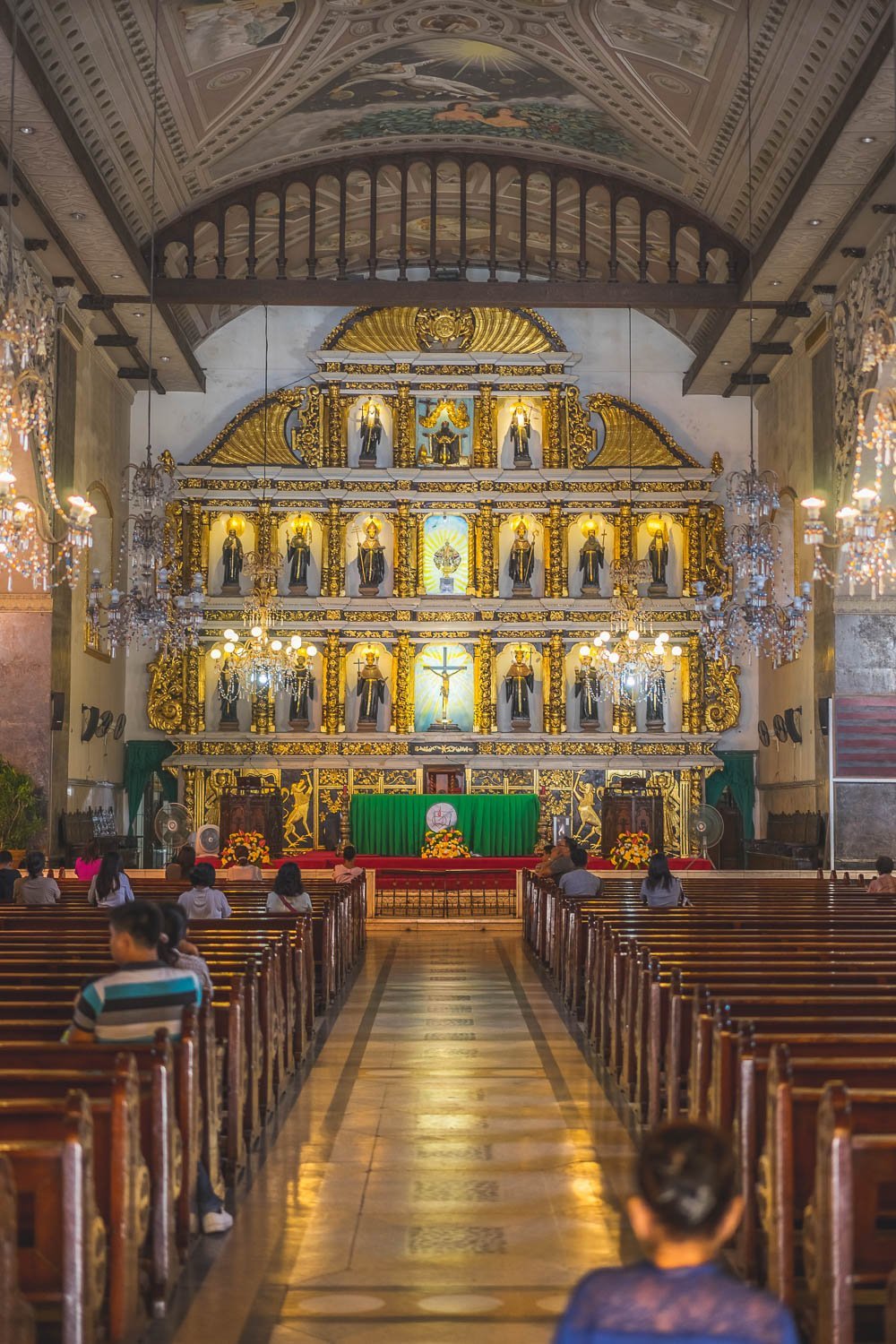
You will find historic Catholic churches in cities and provinces across the country, including Manila, Cebu, Vigan, and Ilocos Norte. Four of these churches are UNESCO World Heritage Sites, known collectively as the Baroque Churches of the Philippines.
If visiting cities, check the Travel Guide to Manila for cultural sites and church visits.
1. Sunday Mass
Sunday Mass is widely attended nationwide. Expect crowded churches, especially in cities. Masses typically run multiple times throughout the morning. Dress modestly and maintain a quiet, respectful tone inside the church.
2. Simbang Gabi
Simbang Gabi is a beloved nine-day series of pre-dawn masses held from December 16 to 24. Completing all nine masses is believed by many Filipinos to grant a wish. It is one of the most atmospheric and culturally rich experiences available to travelers visiting the Philippines in December.
Related read: Why Filipinos Celebrate Christmas for Four Months
3. Holy Week (Semana Santa)
Holy Week in the Philippines is one of the most important religious events of the year. In 2026, Holy Week runs from Palm Sunday on March 29 to Easter Sunday on April 5. Maundy Thursday (April 2) and Good Friday (April 3) are declared regular national holidays, with Holy Saturday (April 4) a special non-working day.
Key Holy Week traditions in the Philippines include:
Travel tip: Holy Week is the busiest domestic travel period in the Philippines. Ferries, buses, and planes book out weeks in advance. Hotels in beach destinations, including Palawan, Cebu, Bohol, and Siargao fill up quickly, and prices often double. Many shops and malls close on Good Friday. Alcohol is generally not sold on that day.
Plan ahead with the Complete Guide to Ferry Travel Between Philippine Islands and the Provincial Bus Experience guide.
4. Feast of the Black Nazarene (January 9, Manila)
The Feast of the Black Nazarene, also known as the Traslación, is held every January 9 at Quiapo Church in Manila. It is the Philippines’ largest Catholic festival and one of the most intense displays of religious devotion in Asia. Millions of barefoot devotees join a procession through the streets of Quiapo, attempting to touch or wipe cloths on the life-sized statue of Christ known as the Black Nazarene, believed to carry miraculous healing powers.
In 2026, the Traslación became the longest in the ceremony’s history, running for over 30 hours. For the first time, the andas (carriage) made a temporary rest stop at San Sebastian Church.
Travel tips for the Black Nazarene:
5. Undas (All Saints’ Day and All Souls’ Day, November 1 to 2)
Undas sees millions of Filipinos flock to cemeteries to clean graves, light candles, and gather with family. It is less solemn than it sounds and often resembles a community reunion, with families bringing food and staying overnight. Expect heavy traffic and crowded transport between October 31 and November 2.
6. Simbang Gabi and the Christmas Season
The Philippine Christmas season begins as early as September when the “Ber months” start, making it one of the longest Christmas celebrations in the world. The season officially ends with the Feast of the Santo Niño, celebrated on the third Sunday of January, which also coincides with the Sinulog Festival in Cebu.
Islam is the second-largest religion in the Philippines, practiced by approximately 6.4% of the population or roughly 7 million people. It is concentrated mainly in:
Islam arrived in the Philippines in the 1300s, well before Spanish colonization brought Christianity. Arab and Malay traders brought the faith to Mindanao and the Sulu islands, where it took deep root in local culture and governance.
The majority of Filipino Muslims, known as the Moro people, practice Sunni Islam under the Shafi’i school. The Bangsamoro Autonomous Region in Muslim Mindanao (BARMM), established under the Bangsamoro Organic Law in 2019, governs five provinces and three cities in the Muslim south.
For safety planning in southern destinations, see Safety First: Risk Management for Solo Adventure Travelers in Remote Areas.
Protestant Christianity in the Philippines took root during the American colonial period from 1898 to 1946. Denominations that established themselves during this era include Methodist, Baptist, Presbyterian, and Episcopal churches. Today, Protestant and Evangelical groups account for a significant share of the non-Catholic Christian population.
Two distinctly Filipino Christian movements are worth knowing:
In rural areas and among some indigenous communities in the Philippines, traditional spiritual practices continue. These include:
These traditions are frequently blended with Catholic or Christian practice, a phenomenon known as religious syncretism. It is one of the most fascinating aspects of Filipino spiritual life for visitors to observe.
Religion in the Philippines influences many aspects of daily life and national identity, including:
The phrase “Salamat sa Diyos” (Thank God) appears constantly in everyday conversation, reflecting genuine religiosity rather than rhetorical habit. Faith is present in Filipino homes, on jeepney dashboards, in office spaces, and across social media.
Learn more: Filipino Hospitality: Understanding Local Customs and Etiquette
Cultural insight: Bayanihan: The Filipino Spirit That Moves Mountains (and Houses)
Filipino religious festivals are among the most vivid and immersive cultural experiences available to travelers anywhere in Southeast Asia. Most have deep Catholic roots combined with local traditions, music, dance, and spectacle.
Sinulog Festival (Cebu, Third Sunday of January)
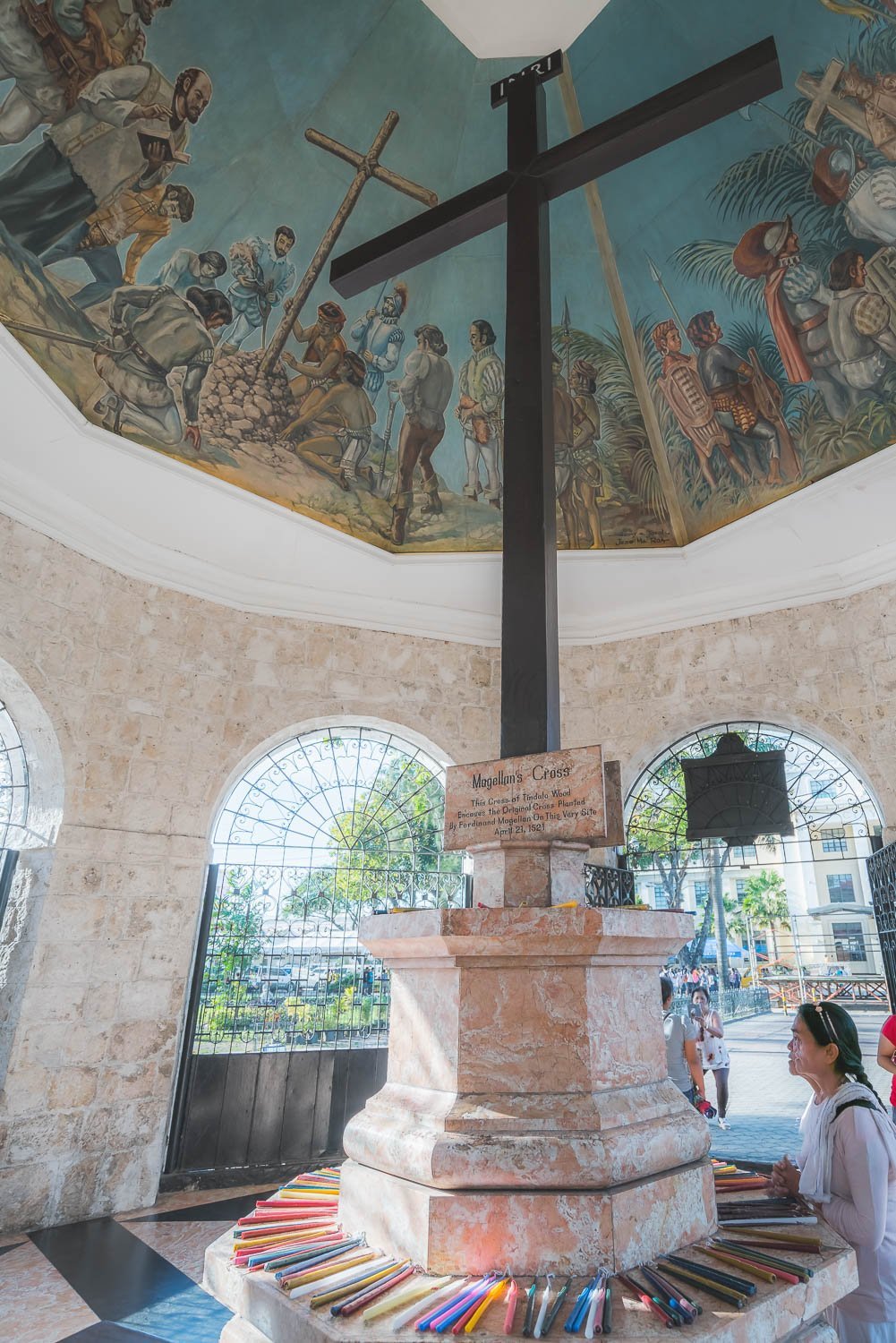
Sinulog Festival 2026 drew an estimated 4 to 5 million visitors to Cebu City. It honors the Santo Niño (Holy Child Jesus) and commemorates the Christianization of Cebu in 1521. The festival centers on the Sinulog Grand Parade, where dancers in elaborate costumes perform the iconic Sinulog dance through the streets. Religious masses are held throughout at the Basilica Minore del Santo Niño, the oldest Christian church in the Philippines. Book flights and accommodation 3 to 4 months ahead.
Ati-Atihan Festival (Kalibo, Aklan, Third Sunday of January)
Called the “Mother of All Philippine Festivals” by the National Commission for Culture and the Arts, Ati-Atihan is a vibrant tribal celebration honoring the Santo Niño. Participants paint their faces and bodies and wear elaborate costumes to honor the indigenous Ati people of Panay Island.
Feast of the Black Nazarene (Quiapo, Manila, January 9)
The Black Nazarene procession draws millions of devoted barefoot pilgrims through the streets of Quiapo in one of the most powerful displays of Catholic devotion in the Philippines.
Dinagyang Festival (Iloilo City, Fourth Sunday of January)
Inspired by Ati-Atihan, Dinagyang Festival features highly synchronized street dance competitions and is held the week after Sinulog. It is one of the most visually spectacular festivals in the Visayas region.
Pahiyas Festival (Lucban, Quezon, May 15)
Pahiyas is a harvest thanksgiving festival honoring San Isidro Labrador, the patron saint of farmers. Houses in Lucban are decorated with colorful rice wafers called kiping and farm produce, creating a stunning visual display unique to the Philippines.
Sinulog, Ati-Atihan, and Dinagyang all fall in January, making it one of the best months to experience Filipino religious culture firsthand.
Full list: Traditional Filipino Festivals You Must Experience at Least Once
Also see: January in the Philippines: Weather, Events, and Where to Go
Helpful phrases: Essential Filipino Phrases Every Traveler Should Know
Religion in the Philippines can have a direct and practical impact on your trip.
1. Holiday Closures
Businesses, shops, malls, and government offices may close or operate on reduced hours during major religious holidays in the Philippines. Good Friday sees some of the most widespread closures, including restrictions on alcohol sales.
2. Increased Travel Demand
Holy Week and the Christmas season are the two peak domestic travel periods in the Philippines. Expect fully booked ferries, buses, and flights as well as sharply higher prices for accommodation in popular destinations. Planning and booking well in advance is essential.
See: Best Philippines Destinations to Visit Each Month in 2026
3. Unique Cultural Experiences
Religious festivals in the Philippines offer some of the most immersive and memorable travel moments in Southeast Asia. From the chaos and devotion of the Black Nazarene Traslación to the color and music of Sinulog, these events give travelers a genuine window into Filipino identity and community.
Plan your trip: Discover the Most Popular Destinations in the Philippines
Manila
Cebu
Ilocos Norte
Mindanao
For destinations to pair with these sites, see Discover the Most Popular Destinations in the Philippines and Where to Go in the Philippines First Time.
Is the Philippines a religious country?
Yes. The Philippines is one of the most religious countries in Asia. Survey data consistently shows that 8 out of 10 Filipinos consider religion very important in their daily lives. Faith shapes public holidays, festivals, family life, and social customs across the country.
What is the dominant religion in the Philippines?
Roman Catholicism is the dominant religion, practiced by approximately 78.8% of Filipinos according to the PSA 2020 Census. This makes the Philippines the largest Catholic nation in Asia.
Is it safe for tourists of different religions?
Yes. The Philippines is generally tolerant and welcoming to visitors of all faiths. Freedom House gave the country a perfect 4 out of 4 score for religious freedom in 2024. Travelers of all backgrounds are welcomed respectfully across most of the country.
Can tourists visit Catholic churches in the Philippines?
Yes. Most Catholic churches in the Philippines are open to visitors. Dress modestly, avoid visiting during active Mass unless participating respectfully, and follow any posted photography guidelines.
Can tourists visit mosques in the Philippines?
Many mosques in Muslim Mindanao welcome respectful non-Muslim visitors outside of prayer times. The Grand Mosque Cotabato is the most accessible for visitors. Always dress modestly, remove shoes, and avoid visiting during Friday noon prayer (Jumu’ah).
What should I know about traveling during Holy Week 2026?
Holy Week 2026 runs from March 29 (Palm Sunday) to April 5 (Easter Sunday). Maundy Thursday (April 2) and Good Friday (April 3) are national holidays. Expect heavy domestic travel, widespread business closures on Good Friday, alcohol restrictions, and fully booked transport. Book everything well in advance.
When is Sinulog Festival 2026?
Sinulog Festival 2026 ran from late December 2025 through January 2026, with the Grand Parade held on the third Sunday of January at Cebu City Sports Center.
What is anting-anting?
Anting-anting are amulets or talismans believed to offer supernatural protection. They reflect the syncretic blending of pre-Hispanic animist belief with Catholic symbolism and are a fascinating example of Filipino folk religion still practiced today.
Religion in the Philippines is not just about belief. It is a way of life that shapes culture, traditions, festivals, and everyday interactions from the northernmost tip of Luzon to the southernmost islands of the Sulu Sea.
For travelers, understanding these religious influences enhances your experience, helps you connect with locals, and ensures respectful and meaningful travel through one of Asia’s most spiritually rich countries.
Want to read more? Check out these related stories.
Before flying to the Philippines, it’s important to understand the customs regulations and know what duty-free or restricted items you can or cannot bring into the country during your visit.
The Philippines features stunning islands, vibrant cities, tropical beaches, and heritage sites. Explore top destinations that showcase the beauty, culture, and diversity of this unique Southeast Asian country.
The Philippines is an archipelago of over 7,000 islands. Its layout and location make travel between regions exciting but sometimes difficult. Learn more about the terrain, regions, and unique landforms.
Christianity is the dominant religion in the Philippines, but Islam arrived first. Explore the fascinating religious history and the impact of different beliefs on Philippine culture and society today.
Getting around Metro Manila can be confusing for first-time visitors. This guide explains your main transportation choices, costs, and travel tips to help you move efficiently through the city.
The Philippines has two main seasons: wet and dry. Learn when to travel for the best weather and activities, and how the climate affects your travel plans throughout different regions.
Subscribe our newsletter for more update & news !!
Copyright © 2024. All rights reserved by Philippines Travel Guide.