In some places, the best way to see the sights is by train. In others, driving a car is the easiest way to get around.
But in the Philippines, something different happens.
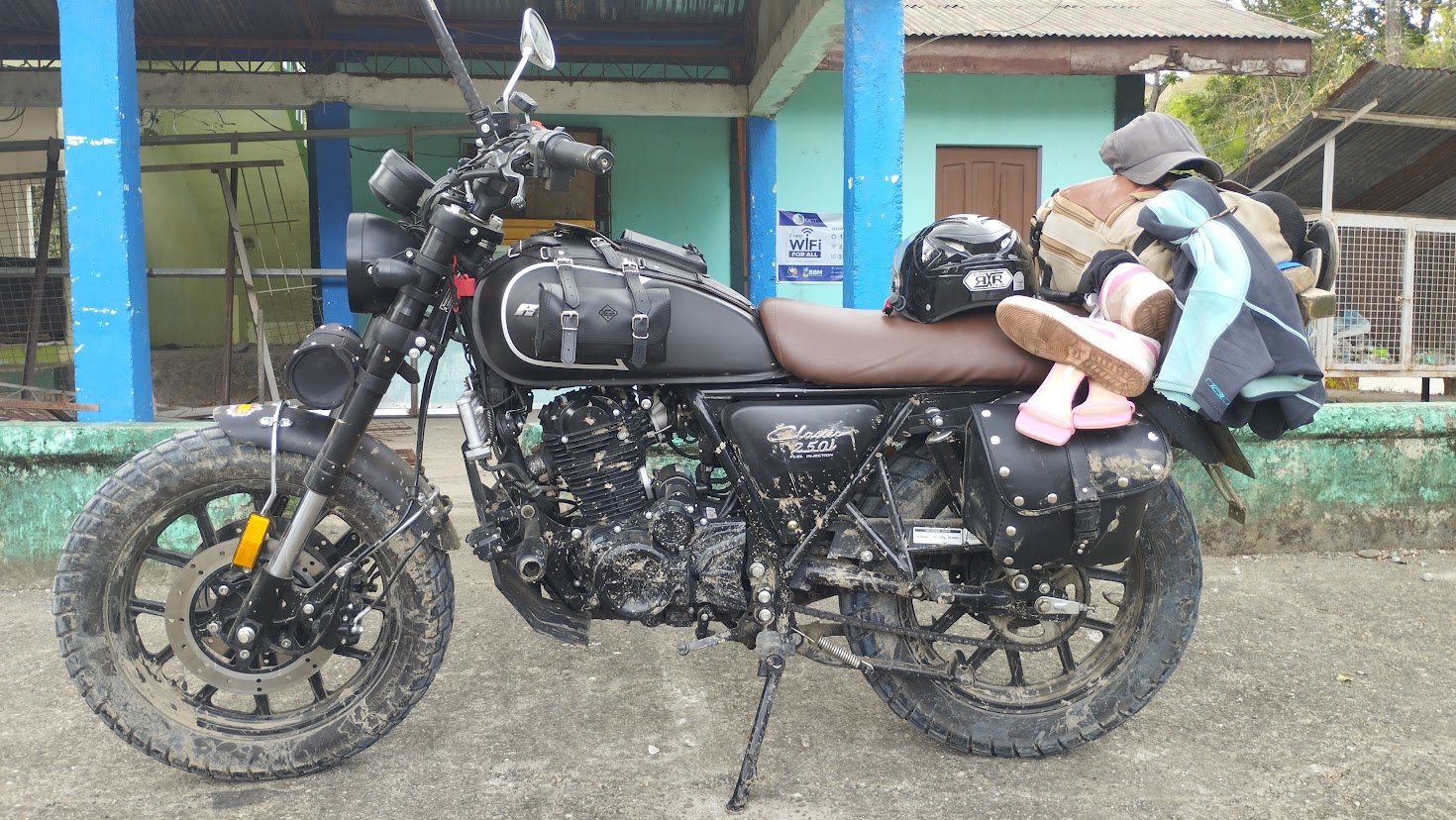
Riding a motorbike just fits.
Whether it’s the never-ending shoreline or the fact that the islands are all unique, there are many unforgettable places throughout the Philippines that don’t receive much attention from visitors. Quiet beaches, views from mountaintops or on the roadside over a meal, and small villages can all be found in areas between tourist attractions if you allow yourself some time to explore them.
If you want freedom, flexibility, and a deeper connection with the places you visit, the Philippines is one of the most underrated spots for a motorbike road trip in Southeast Asia.
Before planning your route, check out our guide on How to Travel Around by Motorbike in the Philippines.
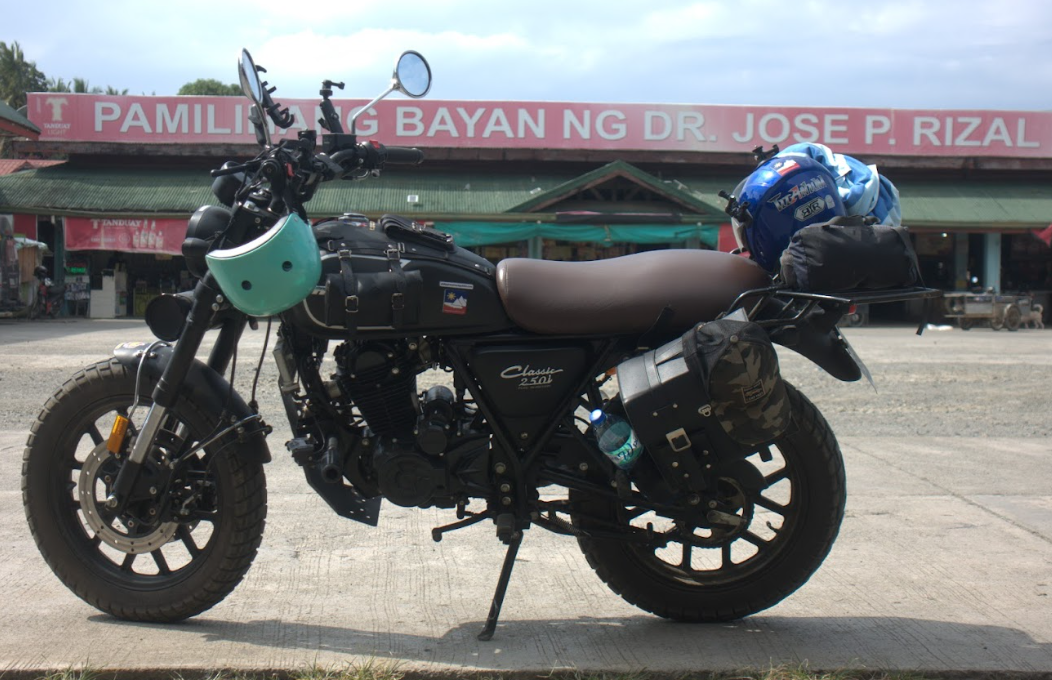
Motorbike Travel Reveals a Different Side of the Philippines
A lot of people think traveling in the Philippines is all about famous places like Boracay, El Nido, Cebu, or Siargao.
These places are beautiful, but they’re just part of what makes the Philippines special. You might stop at a roadside stall for fresh coconut juice and end up chatting with locals about hidden beaches. Maybe you take a turn just because the road looks interesting and find a fishing village that’s not in any guidebook. Or you pull over to enjoy a view and realize you’re the only one there.
These moments can’t be planned. That’s exactly why they stay with you.
Motorbike travel encourages detours, and those detours often become the highlight of the entire trip. If you want to explore the Philippines independently, a motorbike gives you something modern travel rarely offers anymore: true freedom. For a practical overview of what that experience actually looks like on the road, this firsthand experience of what it’s really like riding a motorbike across the Philippines is worth reading before you go.
The Philippines has 7,641 islands, and each region feels different from the next.
One day, you could be riding along a beautiful coastal road with turquoise water stretching out ahead. The next day, you might find yourself in cooler mountain areas, surrounded by rice terraces, forests, and rolling hills.
Northern Luzon offers some of the country’s most spectacular riding routes. The Cordillera region is home to dramatic mountain scenery and the world-famous Rice Terraces of the Philippine Cordilleras, a UNESCO World Heritage Site. Travelers exploring this area should also consider visiting Sagada, one of the Philippines’ most unique mountain destinations.
The Visayas offer scenic coastal drives, leisurely countryside travel, and island hopping between Bohol and Negros; all three islands include small towns where time seems to stand still.
In the southern part of the country, Palawan offers spectacular views of limestone cliffs, rolling hills covered in rainforest, and some of the clearest water around.
To understand how the country’s three major island groups connect geographically before planning your route, the geography of the Philippines guide is a helpful starting point.
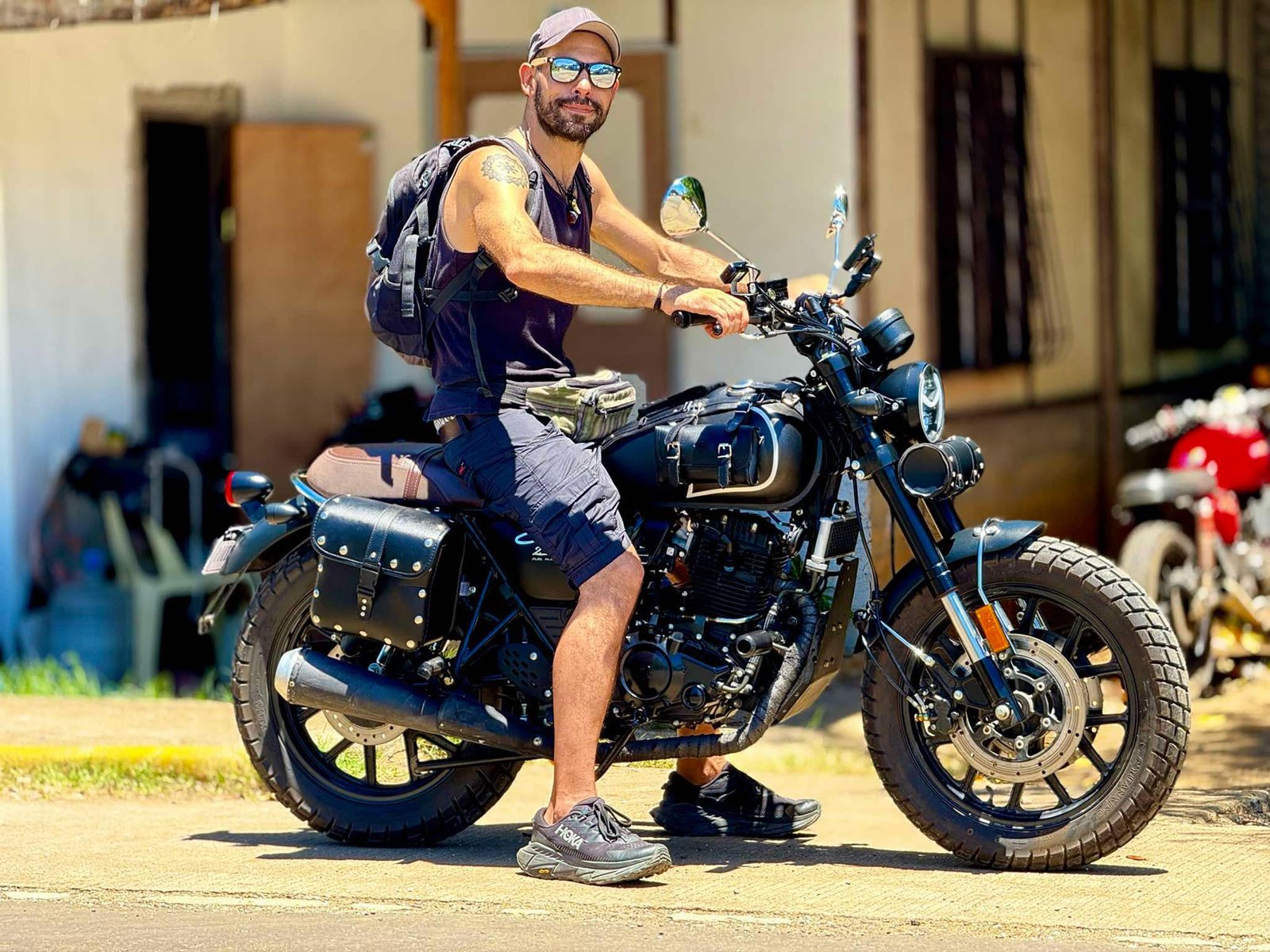
Many first-time visitors think riding in the Philippines will be chaotic the whole time. The truth is a bit more mixed. Cities like Manila and Cebu can be busy, especially during rush hour. Traffic, jeepneys, buses, tricycles, and motorcycles all share the road, which can feel overwhelming if you’re not used to it. It helps to understand how transport works in Metro Manila before arriving, particularly if your trip begins in the capital.
However, upon leaving urban territory, your experience will be entirely different. Provincial roads are generally calmer, more relaxed, and far more scenic than city streets. Coastal highways run alongside the ocean, while mountain roads wind quietly through the hills. Along the way, you’ll pass rice fields, coconut farms, and small towns scattered across the countryside.
Road conditions change from place to place. Some roads are freshly paved, while others have rough spots or construction. It’s helpful to stay flexible and patient when traveling in the Philippines.
The beaches might draw people to the Philippines, but it’s the people that travelers remember most. Filipino hospitality is famous for good reason, and riding a motorbike puts you in direct contact with it far more often than any organized tour would.
Since motorcyclists travel more slowly, they usually have more chances to meet people than other travelers do. While most tourists move quickly through airports or hotels, motorcyclists often spend more time in local communities.
Riding a motorcycle naturally slows you down. It’s also common to stop unexpectedly for fuel, snacks, or roadside attractions that you come across.
These simple pauses are often where the experience becomes more meaningful.
A simple food stop can easily turn into a friendly chat with a local. What starts as asking for directions might end with a suggestion you were not looking for, like a quiet beach, a hidden waterfall, or a scenic viewpoint off the main road.
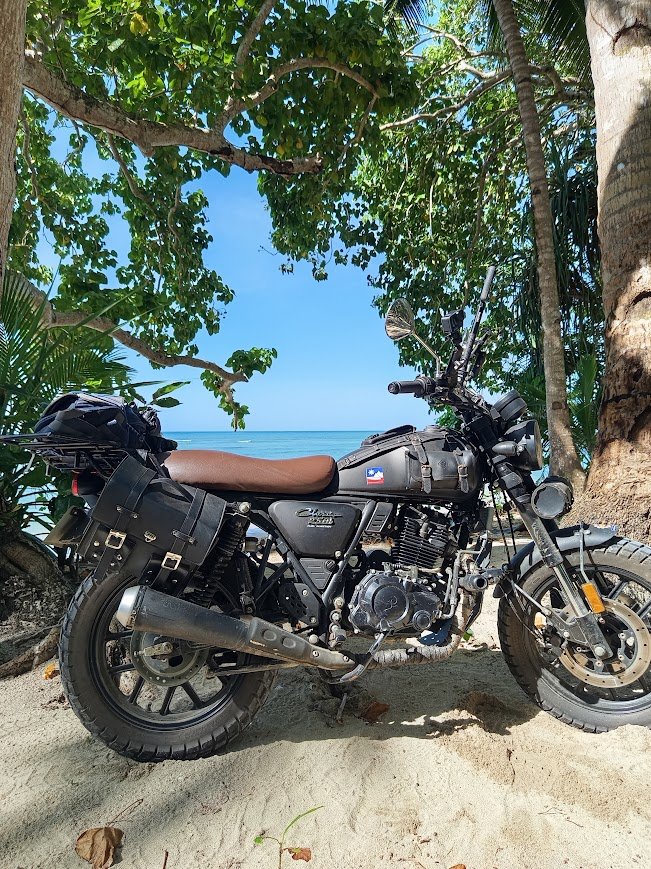
If there’s one place that always shows up on motorcycle travelers’ bucket lists, it’s Palawan. Often ranked among the world’s most beautiful islands, Palawan offers the perfect mix of natural beauty, easy-to-ride roads, and unforgettable scenery.
The road between Puerto Princesa and El Nido is especially popular for travelers who want to do a self-guided motorbike tour in the Philippines. Along the way, you’ll see:
A drive that might only take a few hours can easily turn into a whole day because there are so many reasons to stop.
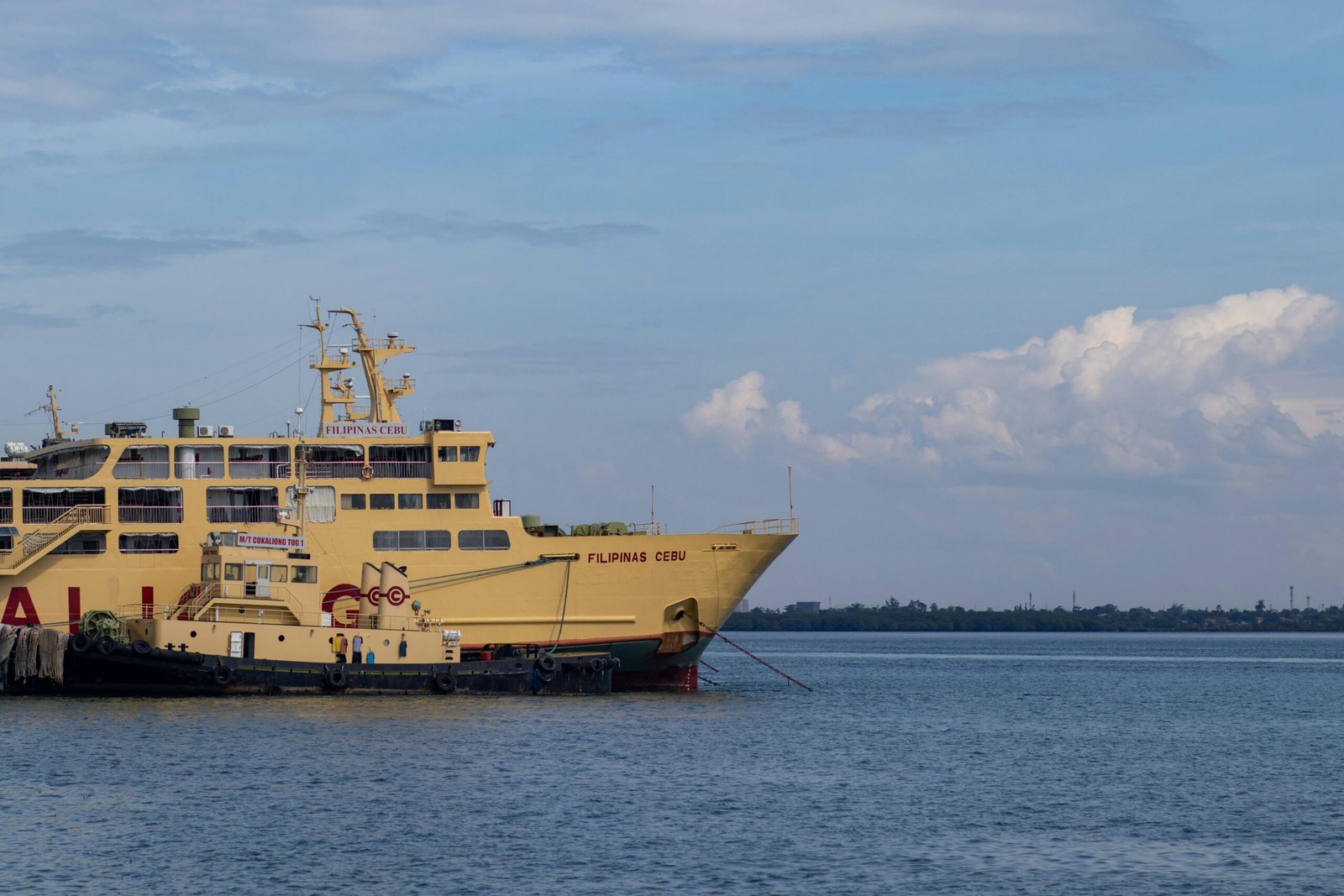
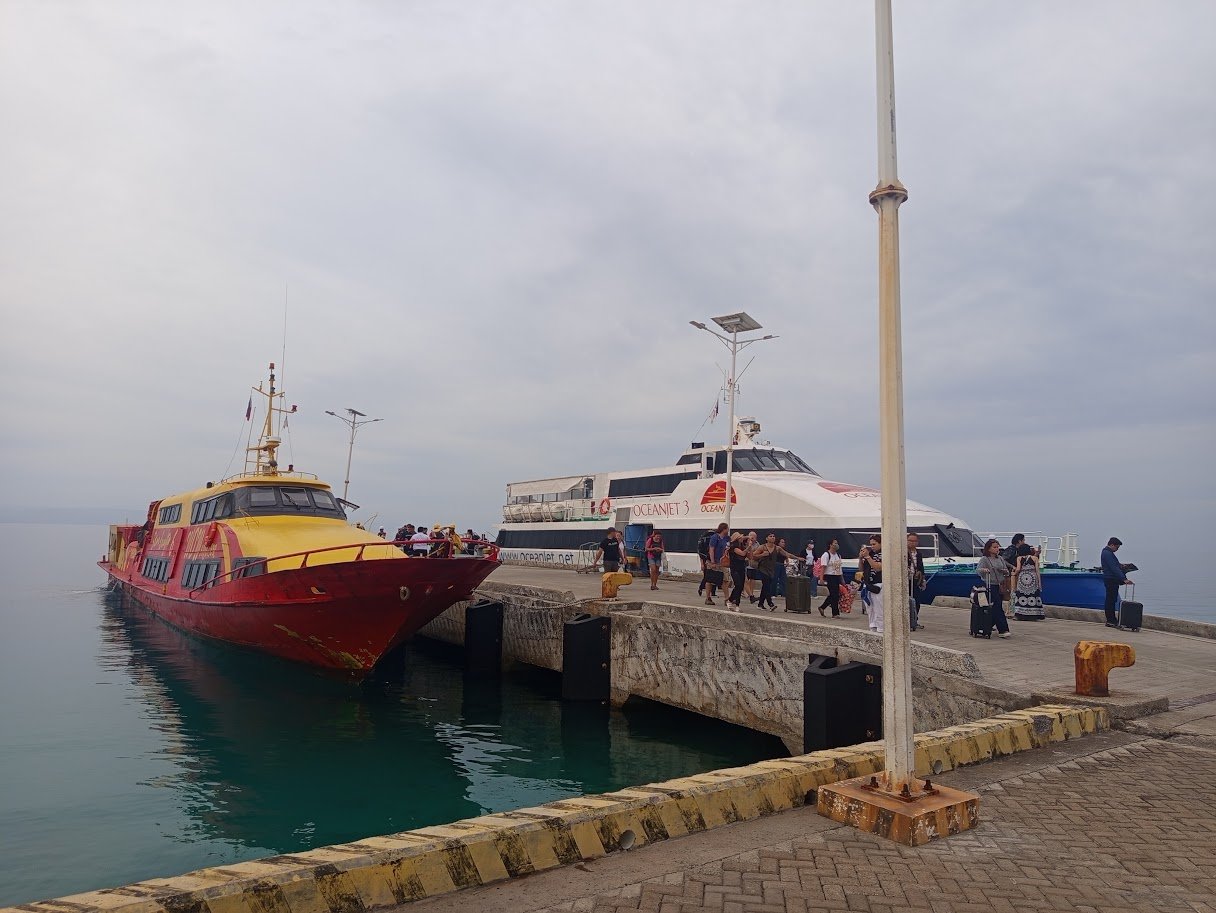
Not many countries let you combine island-hopping and motorcycle travel as easily as the Philippines. Ferries connect many of the main islands, so you can plan multi-island motorbike adventures that simply aren’t possible in most places. The complete guide to ferry travel between Philippine islands explains how the ferry network works, which operators allow motorcycles on board, and how to time crossings around your route.
Your trip might start in Cebu, continue through Bohol, pass through Siquijor, and finish in Negros or Mindanao. Each island has its own feel. The food is different. The scenery changes. Even the pace of life is different.
The experience of traveling through the Philippines will be the accumulation of multiple shorter trips combined into a larger journey, rather than a single lengthy trip. The flexibility to take multiple shorter trips is part of what makes the Philippines attractive to long-term travelers, backpackers, and those seeking a more leisurely pace of travel.
Adventure travel is often expensive, but the Philippines is a pleasant exception. Compared to many popular road-trip destinations around the world, motorbike travel here is still genuinely affordable. Fuel is reasonably priced, local restaurants are a great value, and you can find places to stay for any budget, from simple guesthouses to boutique beachfront hotels.
Since it’s affordable, you can take your time and explore more. Instead of rushing through many places in a week, you can travel at a relaxed pace without spending much extra. For backpackers, digital nomads, and long-term travelers, this is one of the Philippines’ biggest perks.
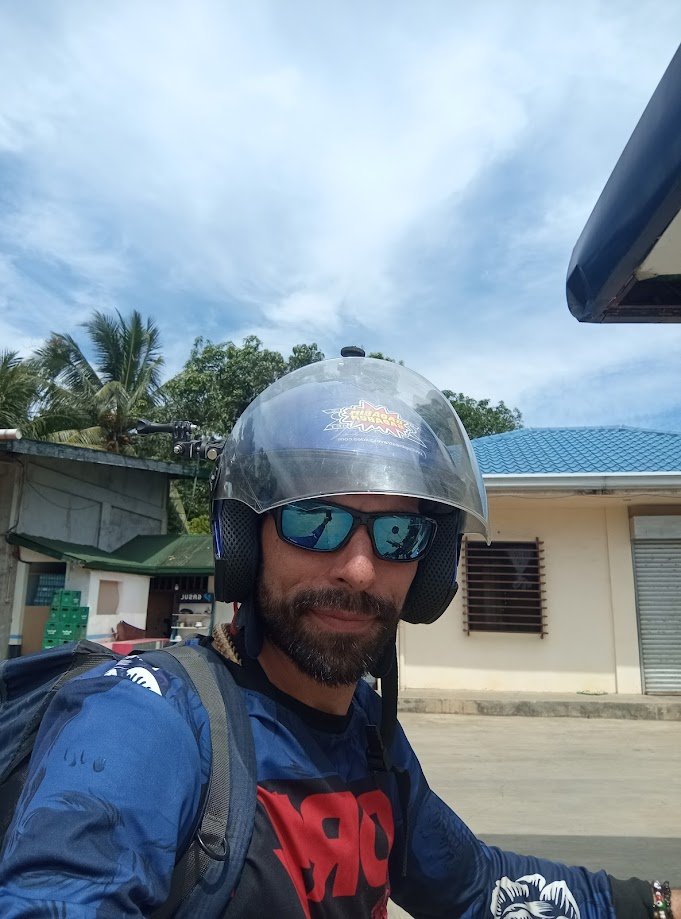
The best part of motorbike travel isn’t really about the bikes. It’s about slowing down. These days, travel often means rushing from one attraction to the next and trying to fit in as much as possible.
Motorbike travel encourages you to do the opposite. You notice the places between your main stops. You pull over more, take detours, and spend time talking with people. Often, the best travel days are the ones when nothing goes as planned.
On occasion, the unanticipated beach may become the best part of your trip; an unexpected stop at a cafe you hadn’t intended to visit could end up being your favorite lunch. A one-hour drive may turn into a full day’s worth of exploration due to all of the things to see along the way.
You will have a far better experience on your adventures if you take a little extra time to prepare.
Those traveling to Palawan must read the local rental policies and regulations before arrival. Look through this guide to the different types of motorbikes available for rent in Palawan, along with prices, what to expect when renting a bike, etc.
Additionally, if you require any further information or advice on travel to the Philippines, consider contacting the Philippine Department of Tourism.
The Philippines might not be the first place you think of for motorcycle travel in Southeast Asia, but it has more to offer than most other destinations. Stunning coastal routes, a huge variety of landscapes within a short distance, easy access to other islands by ferry, affordable day-to-day costs, and a culture built around genuine warmth toward travelers.
Curiosity is rewarded here more than almost anywhere else. The best experiences rarely come from a planned schedule. They come from stopping somewhere unexpected and letting the day unfold.
On a motorbike, those opportunities are everywhere.
That’s why so many travelers finish a ride through the Philippines already thinking about when they can come back.


Philippines Travel Guide seeks to share the vibe of an authentic experience through our idea of adventure travel for explorers and memory seekers in the Philippines.