
Philippines Tipping Guide for Travelers
Should you tip at Filipino street food stalls and local markets?
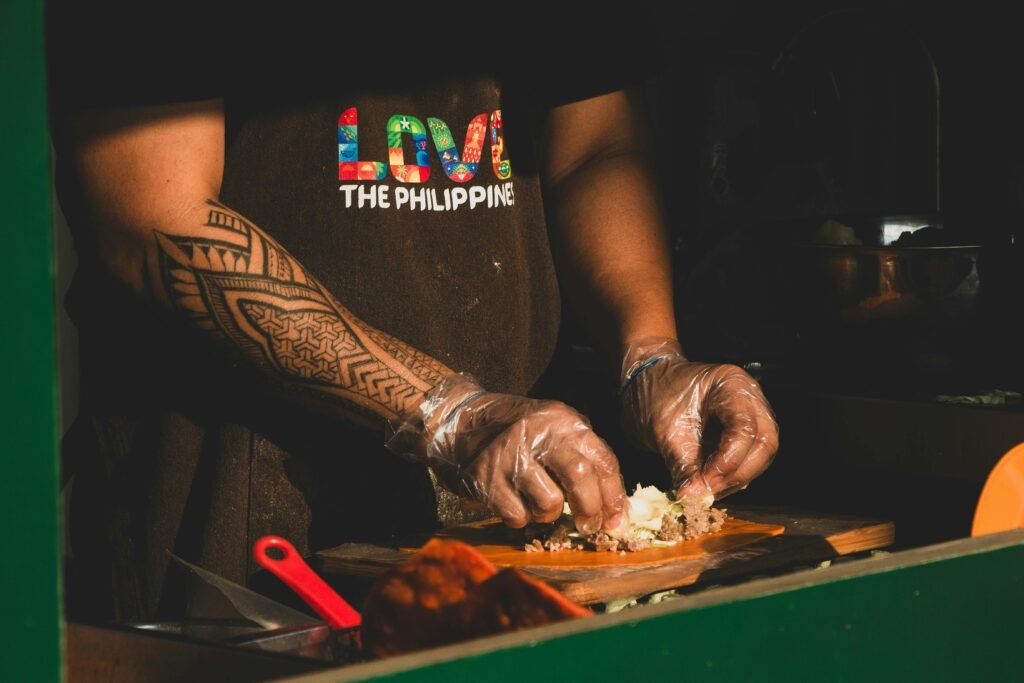
Street food is a huge part of the travel experience in the Philippines, especially in destinations like Manila, Cebu, Bacolod, and local night markets around the country. Travelers trying Filipino street food such as kwek-kwek, barbecue, balut, isaw, and halo-halo will quickly notice that tipping is not usually expected at small food stalls or public markets.
Most street vendors operate on very small profit margins, and transactions are typically quick and cash-based. However, some travelers choose to round up the bill or leave small change as a friendly gesture, especially when vendors are helpful or accommodating.
This is more common in:
- night markets
- food parks
- beach food stalls
- local cafés
- family-run eateries
If you are interested in local cuisine while traveling, this guide to the Best Filipino Foods in the Philippines explores popular dishes and regional food culture across the country.
Table of Contents
Do You Tip Tour Guides in the Philippines?
Tour guides in the Philippines are commonly tipped, especially for private tours, island-hopping adventures, hiking expeditions, and cultural experiences. While tipping is still optional, many travelers leave gratuities when guides provide excellent local knowledge, helpful assistance, or personalized service throughout the trip.
This is especially common during:
- island hopping tours in El Nido and Coron
- hiking tours in Sagada and Banaue
- diving trips in Cebu and Bohol
- surfing lessons in Siargao
- cultural tours in Buscalan
Many local guides also help travelers with transportation coordination, safety reminders, photography assistance, restaurant recommendations, and communication with local communities. Because of this, guests often choose to leave additional tips after particularly memorable experiences.
Adventure tourism continues to grow across the Philippines, especially in destinations known for hiking, diving, surfing, and island hopping. As tourism increases, tipping tour guides has also become more common among international travelers visiting remote destinations.
Travelers heading into remote areas may also find this guide helpful:
Safety First: Risk Management for Solo Adventure Travelers in Remote Areas
Tipping Etiquette at Spas and Massage Services
Massage services are very popular throughout the Philippines, especially in beach destinations, tourist districts, and wellness resorts. Travelers visiting Boracay, Palawan, Cebu, and Metro Manila will find everything from luxury spas to affordable local massage centers.
Many spas already include service charges in the final bill, but travelers still commonly leave small cash tips for therapists after good service. This is especially common at resort spas, beachfront massage areas, hotel wellness centers, and private treatment rooms.
Filipino spa culture is known for being affordable compared to many other Southeast Asian destinations, which is one reason wellness tourism continues to grow throughout the country. Tourists visiting beach resorts and island destinations often book massages after long travel days, hiking trips, or island hopping tours.
In many tourist destinations, massage therapists rely heavily on tourism seasons, so even modest gratuities are genuinely appreciated.

Should Backpackers Tip in the Philippines?
Backpackers traveling around the Philippines often operate on tighter budgets, so tipping expectations are generally very relaxed. In many backpacker destinations such as Siargao, El Nido, Moalboal, and Sagada, staff do not expect large gratuities from budget travelers.
Many backpackers simply round up transportation fares, leave small tips at cafés, or thank local guides after tours and activities. Small gestures are usually more important than the amount itself.
Backpacking culture in the Philippines is strongly connected to island hopping, surfing, diving, hiking, and long-term travel. Because of this, many budget travelers spend more time interacting with local guides, hostel staff, drivers, and small business owners compared to short-term tourists.
Travelers following backpacking routes across the country should also remember that many hostels, local eateries, and transportation providers still operate mainly on cash-only systems.
Travelers planning long-term or budget trips can also read:
- 8 Cheapest Places to Travel in the Philippines This Summer
- Where to Go in the Philippines First Time: 10 Best Destinations for New Visitors
Cultural Etiquette and Respect While Tipping
Filipino culture places a strong emphasis on respect, politeness, and kindness. When giving tips in the Philippines, travelers do not need to make a big display or announcement. Most locals appreciate simple and respectful gestures, especially when paired with friendly communication.
Simple Gestures Are Appreciated
Many tourists hand the money directly to the employee while saying:
- “Thank you”
- “Salamat”
- “Keep the change”
In many situations, the way a tip is given matters just as much as the amount. Friendly interactions, patience, and respectful communication are highly valued in Filipino culture.
Tipping in Rural Provinces and Local Communities
Travelers visiting rural provinces, indigenous communities, mountain towns, or traditional villages should remember that local customs may differ slightly from those in larger cities and tourist destinations.
In places like Buscalan, Sagada, and smaller island communities, respectful behavior and polite communication are often more important than following strict tipping percentages. Locals generally appreciate humility and kindness from visitors.
Learning Basic Filipino Phrases Helps
Even basic Filipino phrases can leave a positive impression when interacting with hotel staff, restaurant employees, drivers, guides, and local vendors. Small efforts to communicate respectfully are often warmly appreciated by Filipinos.
Do You Need Cash for Tipping in the Philippines?
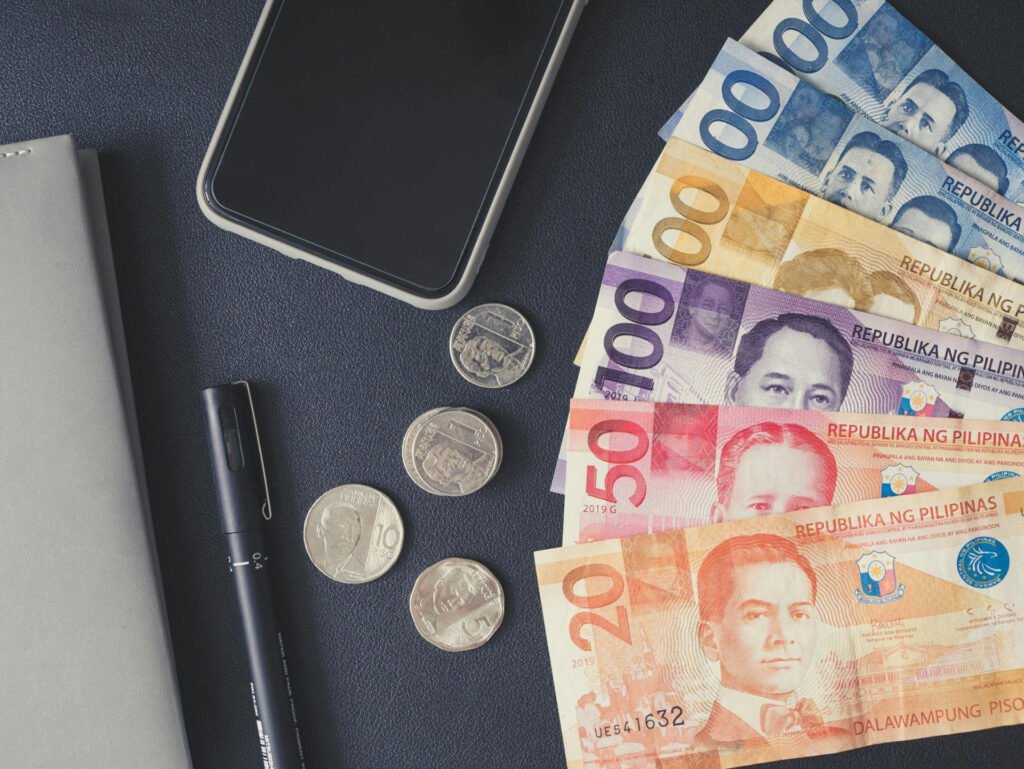
Yes, cash is still the easiest and most practical way to tip in the Philippines. While digital wallets and card payments are becoming more common in larger cities, many service workers still prefer cash tips.
This is particularly true in island destinations, local transportation services, provincial towns, public markets, smaller restaurants, and rural tourism areas where digital payment systems may be limited.
Travelers relying only on cards may occasionally struggle to tip drivers, guides, porters, hotel staff, or small business employees. Carrying smaller peso bills during your trip makes tipping easier and more convenient.
This becomes especially important during:
- island hopping tours
- ferry travel
- hiking trips
- provincial bus journeys
- local market visits
- roadside food stops
For more information about payment methods and cash usage around the country, read:
Do You Need Cash in the Philippines or Can You Use Cards Everywhere?
Follows us on Facebook
Tips and Tricks
- Bringing Regulated Items
- Transport Options
- Popular Destinations
- Religion in the Philippines
Travel Adventures Diary
- Adventure Tours in Manila
- Adventure Tours on Bantayan Island
- Adventure Tours in Cebu
- Adventure Tours on the Island of Negros
- Adventure Tours Siquijor
- Adventure Tours in Guimaras
- Adventure Tours Gigantes
- Adventure Tours in Metro Manila
- Adventure Tours Puerto Princesa
- Adventure Tours in El Nido
- Adventure Tours in El Nido and Puerto Princesa
- Adventure Tours Baguio City
- Adventure Tours Sagada
- Adventure Tours Buscalan
- Adventure Tours Banaue
- Adventure Tours Pangasinan
- Adventure Tours Hundred Islands
- Adventure Tours in Metro Manila
- Adventure Tours in Leyte
- The Bamboo Paraiso Beach Resort
- Best Tour in Pangasinan