People of the Philippines and Their Culture
The people of the Philippines and their culture reflect a rich blend of indigenous, Spanish Catholic, American, and East Asian influences that have layered over centuries of trade, colonisation, and independence. The most defining characteristics of Filipino culture are a deep orientation toward family and a strong sense of religious faith, two threads that run through almost every aspect of daily life in the country.
If you’re planning a visit, understanding the people behind the destination makes travel richer. This guide covers the cultural values, history, pastimes, and indigenous peoples of the Philippines that shape the country today.
Table of Contents
Filipino Hospitality: A Cultural Trademark
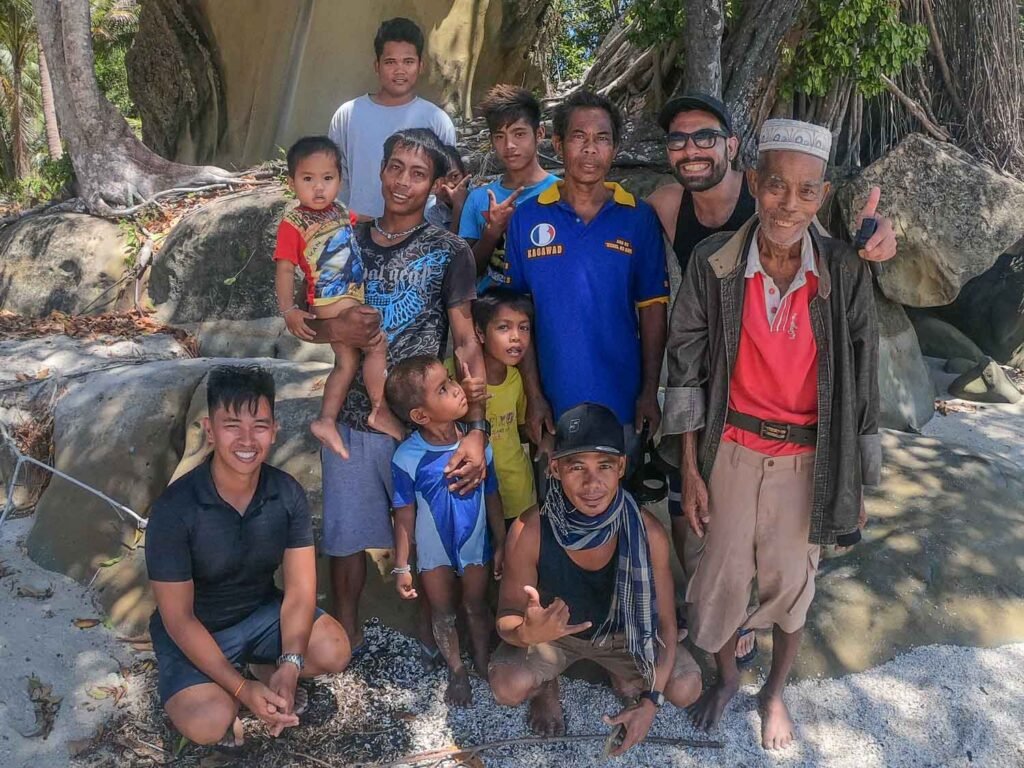
Filipino hospitality is not a tourism slogan. It is a genuine cultural trait that visitors consistently remark on, and it shows up in ways that can catch first-time travellers off guard.
Filipinos are generally easy to approach and quick to help a stranger find their way. Many will go noticeably out of their way for guests, and it is not unusual for a Filipino to invite someone they’ve just met into their home to share a meal. Refusing such an offer, while perfectly acceptable, is worth doing graciously as the gesture reflects genuine warmth rather than formality.
This hospitality has roots in the concept of Bayanihan, a term derived from the Malay and Filipino tradition of communal unity and mutual aid. The spirit of Bayanihan describes the Filipino instinct to come together to help others, particularly during hardship. It remains a living value, visible in how communities respond to typhoons, floods, and other crises.
To understand more about Filipino customs and etiquette before you visit, our guide on Filipino hospitality and local customs is a useful read.
Why is a Sari-Sari Store a Symbol of Filipino Culture?
One of the most visible symbols of everyday Filipino life is the sari-sari store. Found in nearly every neighbourhood across the country, from dense urban barangays to remote rural sitios, the sari-sari store is a small, family-run shop attached to or built into the front of a private home.
The word “sari-sari” is a Tagalog word meaning “variety,” and the name fits. These stores sell almost anything a household might need in small quantities: snacks, beverages, cigarettes, sachets of cooking oil or shampoo, cellphone load credits, and more. The sachet format is worth noting. Many sari-sari stores cater to customers who buy daily rather than in bulk, which reflects the economic realities of many Filipino households.
Sari-sari store owners are generally classified as marginal income earners and are exempt from business taxes, though most larger stores that sell alcohol are required to obtain a Local Business Permit. The stores are typically run by the whole family. It’s common for even young children to know the prices of every item on the shelves.
Supporting a sari-sari store when you can during your travels is one small way to contribute directly to a local family’s income.
For more practical travel tips, including how to handle cash and payments in the Philippines, see our Philippines currency exchange guide.
How Did Filipino Culture Evolve?
Filipino culture did not emerge from a single source. It is the product of thousands of years of migration, trade, and colonial encounter.
The Malay people had reached the Philippines as early as 900 A.D. and established communities across the archipelago, introducing many of the social structures and values that persist today, including the Bayanihan spirit. Around the same period, the earliest Chinese traders arrived and began exchanging goods with local populations, leaving a lasting imprint on Filipino family values, particularly the emphasis on close-knit kinship networks and filial responsibility.
Islam arrived in the southern Philippines through Malay traders from around the 13th century, well before European contact. By the time the Spaniards arrived, the sultanates of Mindanao and Sulu were already established political entities.
Ferdinand Magellan reached the Philippines in 1521, and Spanish colonisation that followed over more than three centuries fundamentally shaped the culture of the Luzon and Visayas regions. Catholicism was introduced and took deep root, replacing or merging with existing animist belief systems across much of the archipelago. The Spanish also influenced language, architecture, food, festivals, and family customs.
The British briefly held Manila from 1762 to 1764 before Spain reclaimed it. The Americans took control from Spain in 1898 following the Spanish-American War, bringing the public education system, the English language, and basketball to the Philippines. The Japanese occupation during World War II ended with Philippine independence fully restored in 1946.
Each of these encounters left something behind. The result is a culture that is neither purely Asian nor Western but distinctly Filipino. For a broader look at Philippine history and geography, see our geography of the Philippines guide and our collection of interesting and fun facts about the Philippines.
Spanish Influences on Philippine Culture
The Spanish colonial period, which lasted over 300 years, left the most visible cultural imprint on the Philippines. Catholicism was introduced in the 16th century and today remains the dominant religion, with roughly 79 to 80 percent of Filipinos identifying as Roman Catholic. For more on how faith shapes daily life in the country, see our guide to religion in the Philippines.
Holy Week, observed in March or April according to the Gregorian calendar, is one of the most significant religious observances in the Filipino calendar. The Thursdays, Fridays, and Saturdays of Holy Week are public holidays, and many Filipinos travel to their home provinces to spend the days with family. Church attendance spikes, processions fill the streets, and in some communities, highly dramatic re-enactments of the Passion of Christ take place.
Spanish influence is also visible in Filipino family names, the fiesta tradition that gives almost every town and barangay an annual patron saint’s celebration, and in the emotional, expressive qualities that many observers note in Filipino culture, which can feel more Latin than East Asian in character.
Filipino Family Culture and Values
Family is the central unit of Filipino society. The Filipino household often spans three generations living under one roof, and this is not considered unusual but normal and desirable. Supporting parents financially and emotionally is a shared expectation across generations. Adult children who are able to work, whether locally or overseas, typically send money home.
Grandparents, called Lolo (Grandpa) and Lola (Grandma), are respected figures in the household and are cared for at home rather than placed in care facilities, in most cases. The Filipino terms Nanay (Mother) and Tatay (Father) are used affectionately and widely.
A Filipino may refer to him or herself informally as a Pinoy (male) or Pinay (female). The terms originated among Filipino-American communities in the 1920s and were later adopted widely within the Philippines as terms of cultural identity and affection.
Family reunions are common during Christmas, New Year, All Souls’ Day, and Holy Week. The Philippines is well-known for its extended Christmas season, which begins as early as September and runs through January. For more on this, see our article on why Filipinos celebrate Christmas for four months.
Favorite Filipino Pastimes and Leisure Activities
Singing and Karaoke
Filipinos love music, and karaoke (locally called “videoke”) is a fixture of social life at all ages and income levels. You’ll find machines in homes, barangay courts, beach resorts, and roadside eateries.
Fiestas and Celebrations
Birthdays, weddings, graduations, and local fiestas are all occasions for gathering, eating, and dancing. Fiestas blend Catholic devotion with communal feasting and street performance. See our guide to traditional Filipino festivals for the highlights across the calendar.
Basketball
Basketball is the most popular sport in the Philippines, introduced during the American colonial period. It is played everywhere, from cement courts in provincial barangays to the Philippine Basketball Association (PBA), one of the oldest professional leagues in Asia.
Cockfighting (Sabong)
Sabong has been part of Filipino provincial life for centuries. Traditional, land-based cockfighting remains legal under Presidential Decree 449. Online cockfighting (e-sabong) was banned in December 2022 under Executive Order No. 9, though enforcement remains ongoing as of 2026. Visitors are unlikely to encounter this in tourist areas.
Swimming and Beach Life
With over 7,600 islands, beach and water activities are a natural part of daily life for many Filipinos, not just a tourist activity. Swimming, fishing, and island-hopping are everyday pursuits in coastal communities.
Indigenous Peoples of the Philippines
The indigenous peoples of the Philippines are among the most culturally distinct communities in Southeast Asia. According to the UNDP, there are approximately 110 ethnolinguistic groups comprising 14 to 17 million indigenous people, concentrated mainly in Northern Luzon (33%) and Mindanao (61%).
Geographic Distribution
In the Cordillera Administrative Region of Northern Luzon, various Igorot groups, including the Bontoc, Ifugao, Kalinga, Ibaloi, and Kankanaey, live in the highland communities. In Mindanao, the non-Muslim indigenous groups are collectively called Lumad, including the T’boli, Manobo, and Bukidnon. The Mangyan people live on Mindoro, while groups such as the Tagbanwa and Batak inhabit remote areas of Palawan.
Cultural Practices and Crafts
The T’boli tribe of Mindanao are famous for T’nalak weaving, made from abaca fibre using techniques passed down through generations. The Maranao people are renowned for their metal craft and okir ornamental design. The Ifugao built the Banaue Rice Terraces over 2,000 years ago, now recognised by UNESCO.
Travellers can experience indigenous culture firsthand by visiting Baguio City, Sagada, Banaue, and Buscalan, the village of renowned Kalinga tattoo artist Whang-Od.
Legal Protections
Republic Act No. 8371, the Indigenous Peoples’ Rights Act (IPRA) of 1997, protects indigenous ancestral domains, cultural heritage, and the right to self-directed development. The Philippines has also voted in favor of the UN Declaration on the Rights of Indigenous Peoples, though full local implementation remains a work in progress.
Summary: The Filipino People
The Filipino people are widely known for warmth, resilience, and a hospitality that is not performative but deeply cultural. These qualities make the Philippines one of the more welcoming countries in the world for travellers, whether you are navigating a city, exploring a province, or passing through a remote island community.
Smile, show respect, learn a few words of Filipino (Tagalog), and the people you meet will make your trip. Our guide to essential Filipino phrases every traveller should know is a good place to start before you land.
Related reading: Interesting and Fun Facts About the Philippines · Religion in the Philippines · Traditional Filipino Festivals You Must Experience
Follows us on Facebook
Tips and Tricks
- Bringing Regulated Items
- Transport Options
- Popular Destinations
- Religion in the Philippines
Travel Adventures Diary
- Adventure Tours in Manila
- Adventure Tours on Bantayan Island
- Adventure Tours in Cebu
- Adventure Tours on the Island of Negros
- Adventure Tours Siquijor
- Adventure Tours in Guimaras
- Adventure Tours Gigantes
- Adventure Tours in Metro Manila
- Adventure Tours Puerto Princesa
- Adventure Tours in El Nido
- Adventure Tours in El Nido and Puerto Princesa
- Adventure Tours Baguio City
- Adventure Tours Sagada
- Adventure Tours Buscalan
- Adventure Tours Banaue
- Adventure Tours Pangasinan
- Adventure Tours Hundred Islands
- Adventure Tours in Metro Manila
- Adventure Tours in Leyte
- The Bamboo Paraiso Beach Resort
- Best Tour in Pangasinan