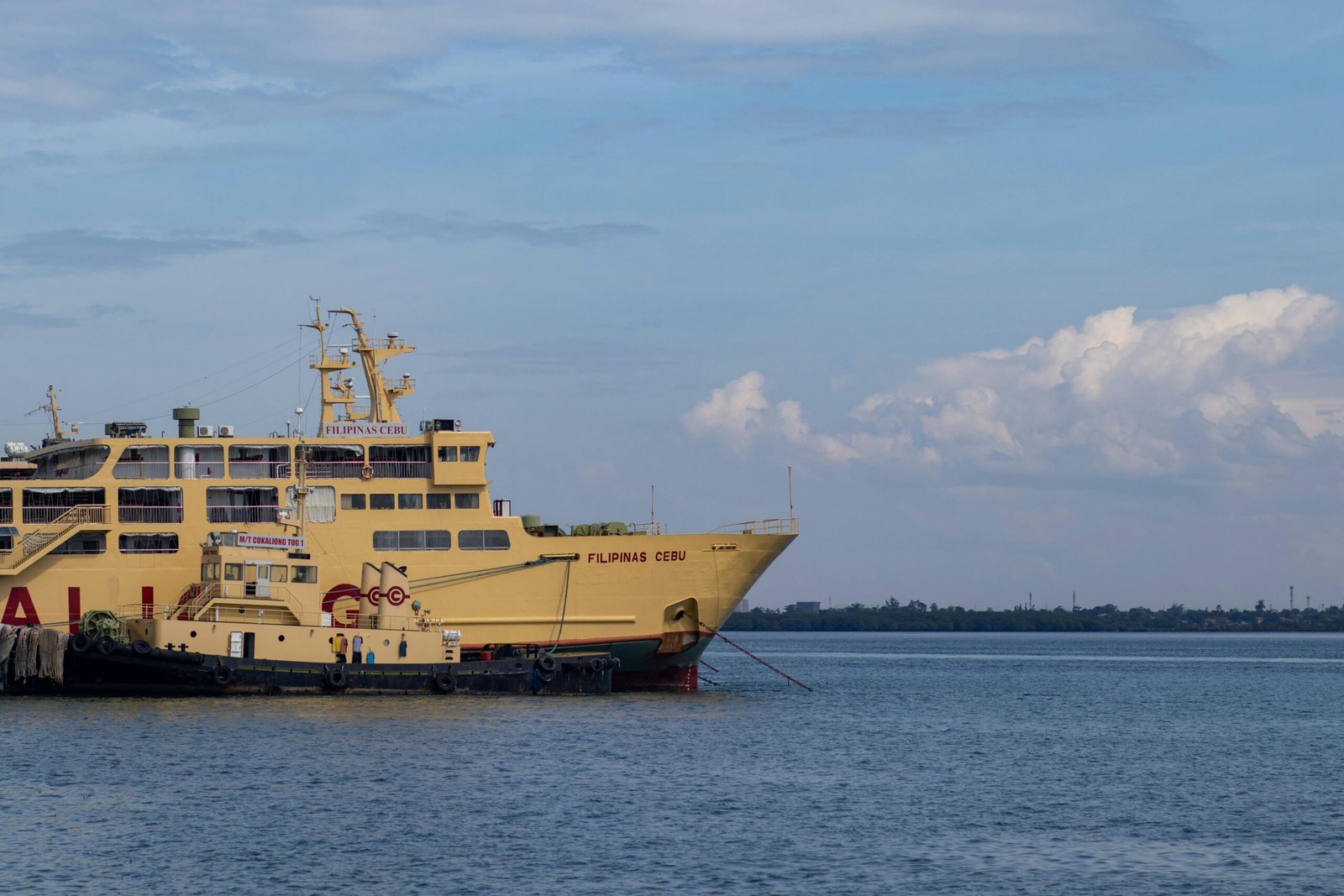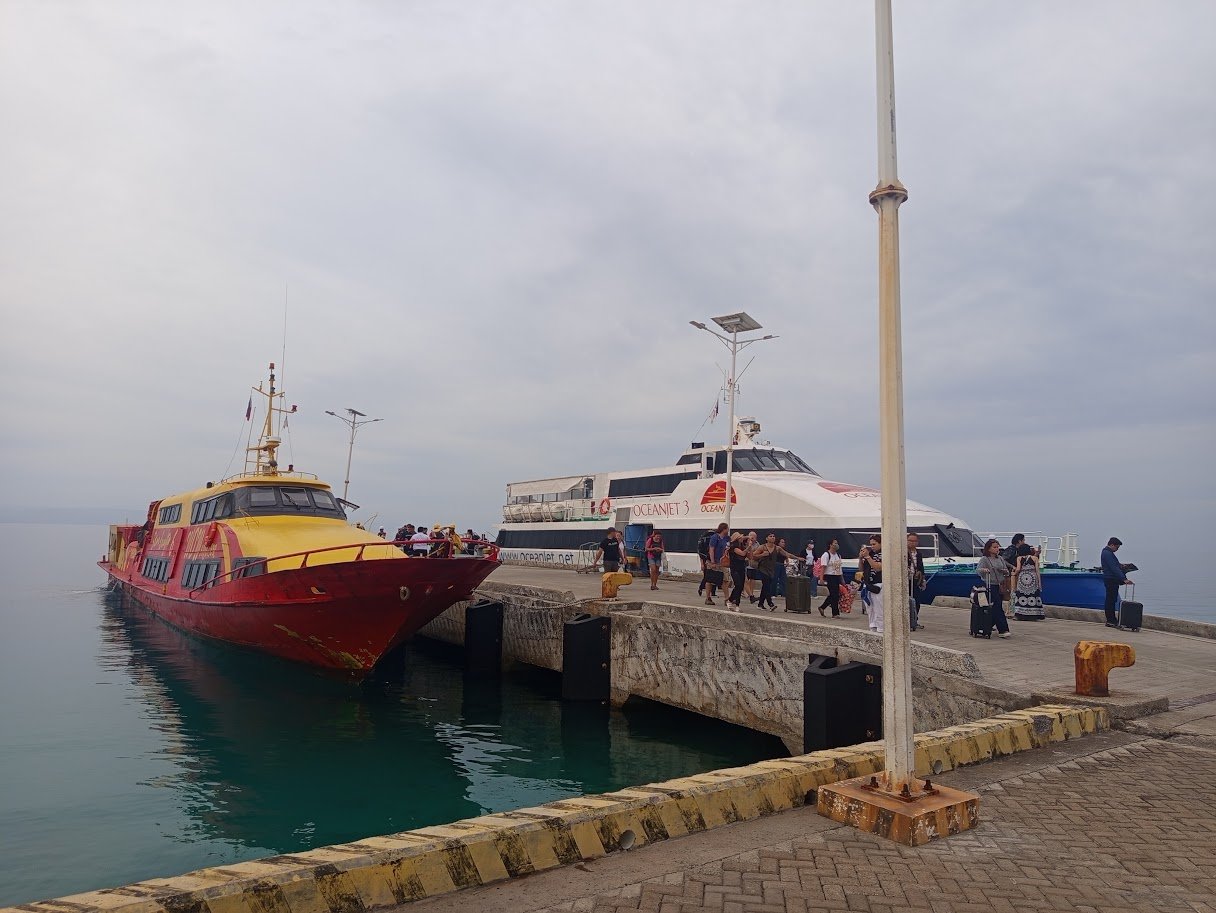
The Philippines has 7,641 islands. You’ve heard of maybe ten.
Boracay is world-class. So is El Nido, Siargao, and Cebu. But the Philippines has 7,641 islands, and if you’ve already ticked off the famous ones, the next question is obvious: where do you go from here?
If you’ve done the headline destinations and want something that actually feels like discovery, this is where you go next. Not sure where to begin? Start with our most popular destinations guide for context before branching off the beaten track.
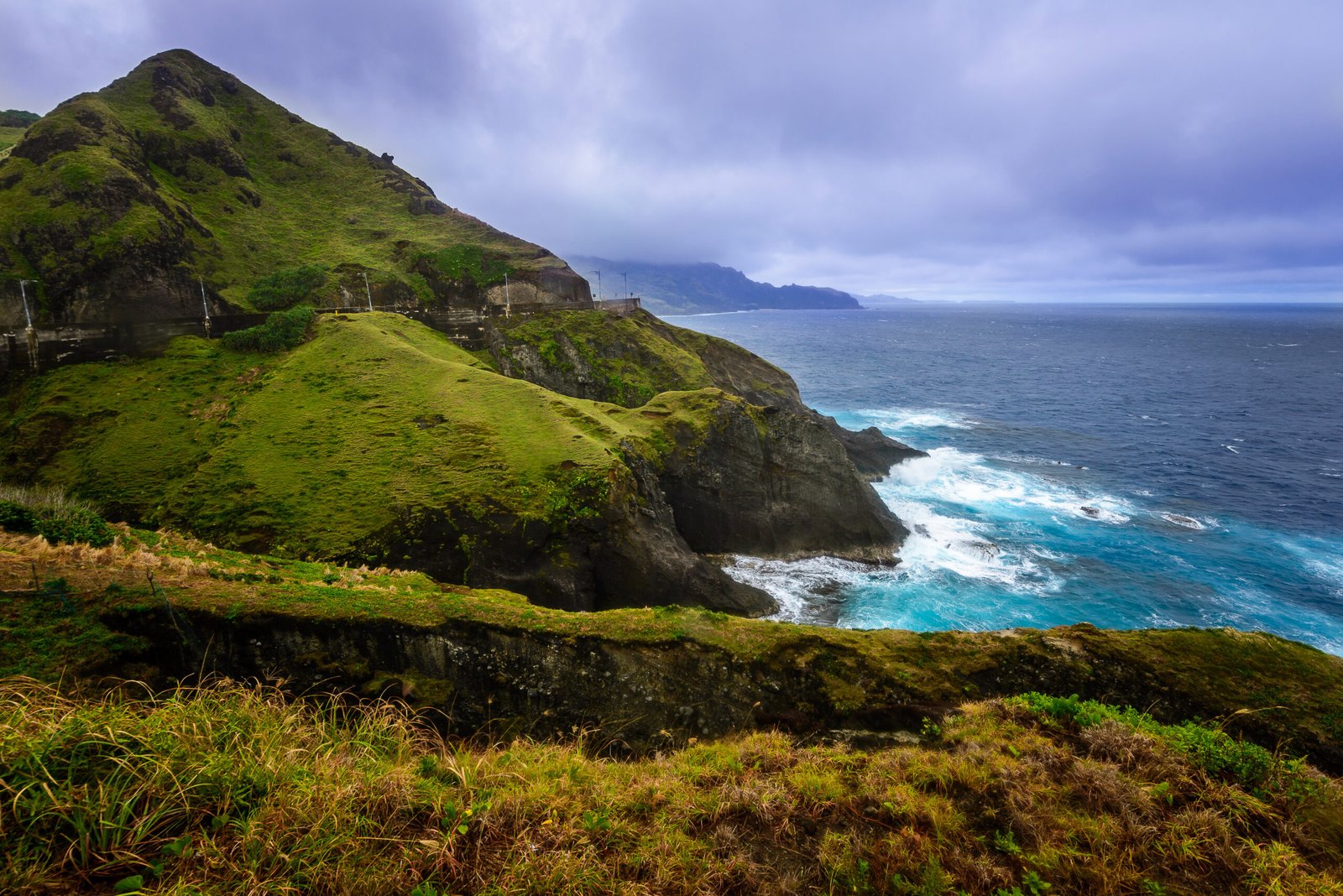
Best for: Landscape photography, culture, slow travel
Getting there: Direct flights from Manila (1.5 hours) on PAL or SkyJet. Book well in advance.
Best time to visit: March to June (outside typhoon season)
At the very top of the Philippine archipelago, closer to Taiwan than to Manila, Batanes looks nothing like the rest of the country. Rolling green hills tumble into dramatic cliffs above the Pacific. Stone houses built centuries ago by the Ivatan people have walls thick enough to withstand the powerful typhoons that regularly sweep through.
You’ll find no resorts, no infinity pools, and no all-inclusive packages here. What you find instead is a guesthouse where the owner cooks breakfast and a landscape that demands you slow down.
Don’t miss: The Marlboro Country hills at sunrise, Sabtang Island, and the Honesty Coffee Shop, an unmanned roadside stall where you pay whatever you feel is fair.
Practical note: Batanes sits directly in the Philippine typhoon belt. Always check PAGASA before travelling between June and November. Read our guide on travelling the Philippines during typhoon season before locking in dates.
Best for: Divers, hikers, hot spring lovers
Getting there: Fly to Cagayan de Oro or Cebu, then take a short ferry to the island
Best time to visit: March to May
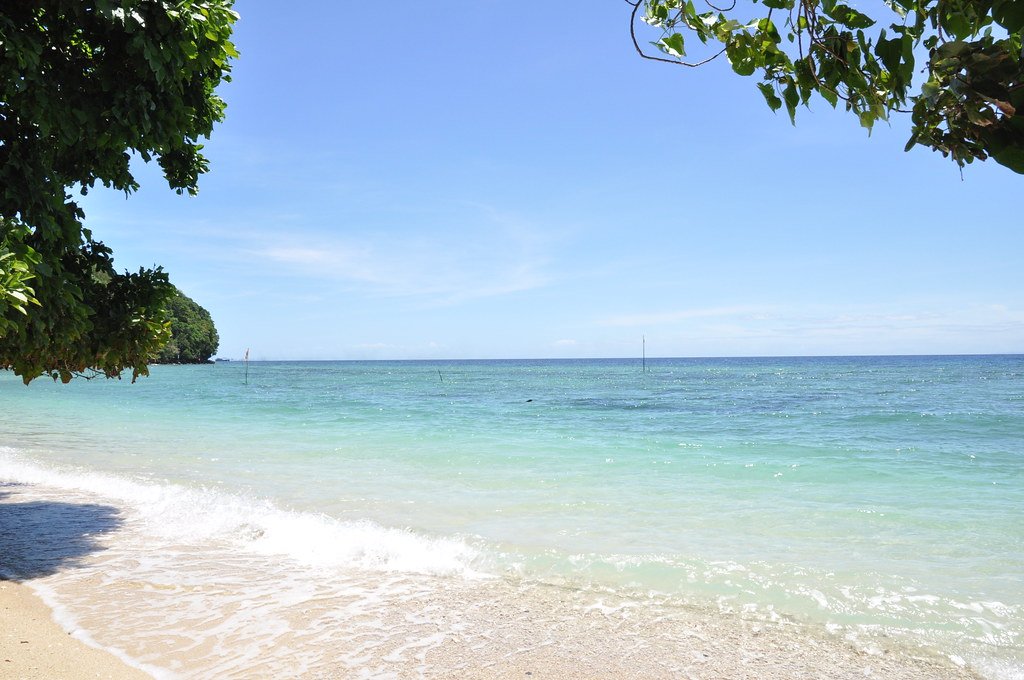
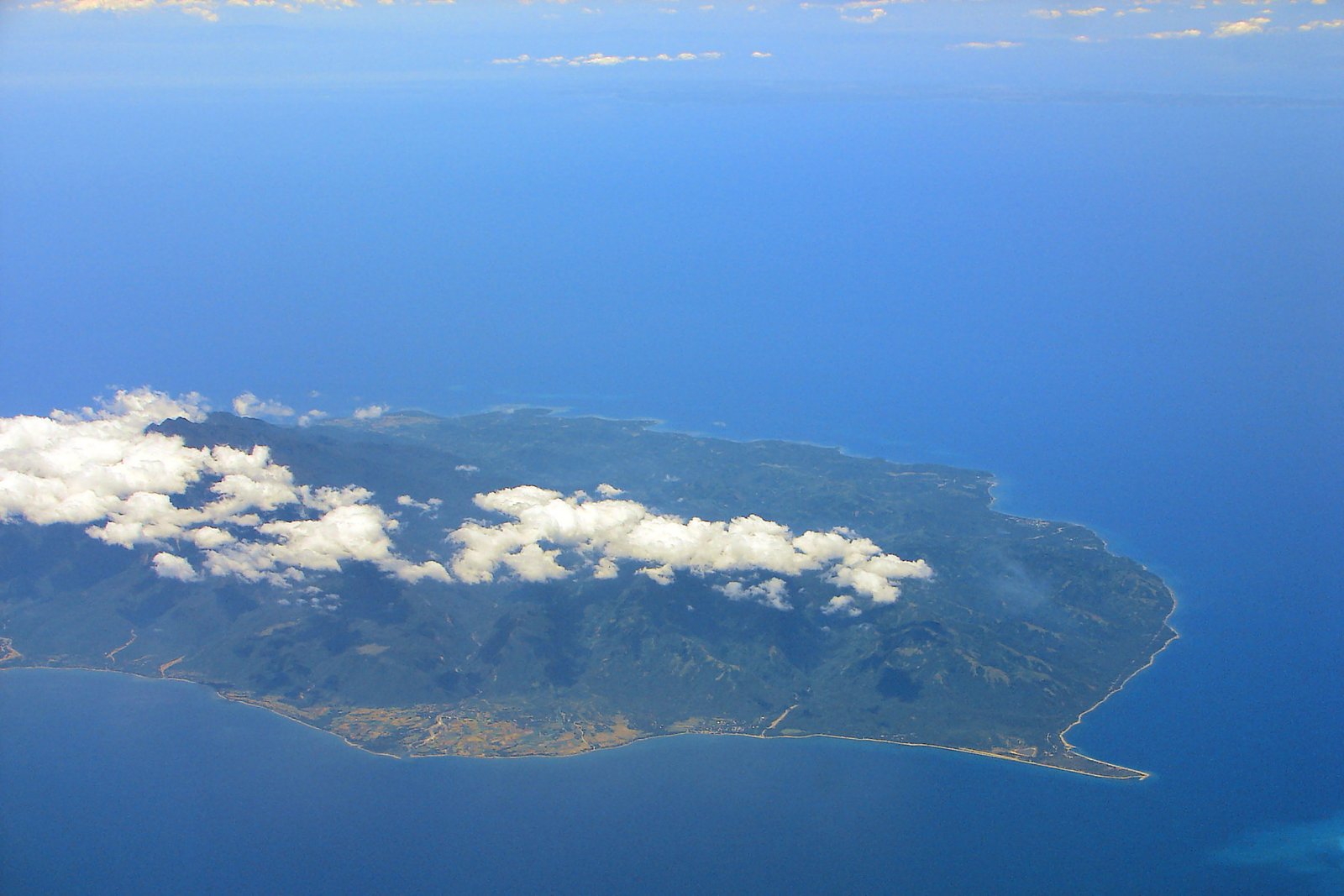
Camiguin has more volcanoes per square kilometre than any other island in the world. Five of them, though only Mount Hibok-Hibok is still active. The result is a landscape of real contrasts: black sand beaches from ancient lava flows beside white sand shores, natural hot springs in the hillside, and a sunken cemetery just offshore where you can snorkel over the ruins of a church submerged by a 19th-century eruption.
White Island, a bare sandbar floating in the sea with volcano views behind it, is one of the most photographed spots in the country, and it still sees a fraction of the crowds El Nido attracts.
Don’t miss: Katibawasan Falls, the sunken cemetery snorkelling tour, and Lanzones Festival in October if traditional Filipino festivals are your thing.
Best for: Beach seekers who hate crowds, budget travellers
Getting there: Ferry from Batangas or small aircraft from Manila
Best time to visit: November to May
Romblon carries the nickname the Marble Capital of the Philippines for good reason. The province produces some of the finest marble in the world, and local artisans carve it into everything from chess pieces to kitchen tiles in open-air workshops you can walk into off the street.
But the beaches are the real story. Bonbon Beach extends into a natural sandbar at low tide, connecting to a tiny islet, with powdery white sand and water so clear it barely registers as coloured. Tiamban Beach is longer, quieter, and backed by coconut palms. Romblon doesn’t have a polished tourism infrastructure. Guesthouses are simple, and roads can be rough. If that sounds exactly right, it will exceed your expectations.
Don’t miss: Bonbon Beach sandbar, a marble workshop in Romblon town, and the Spanish fort overlooking the port.
Best for: Divers, waterfall chasers, curious travellers
Getting there: Ferry from Dumaguete (35 minutes) or Cebu (3 to 4 hours)
Best time to visit: March to June
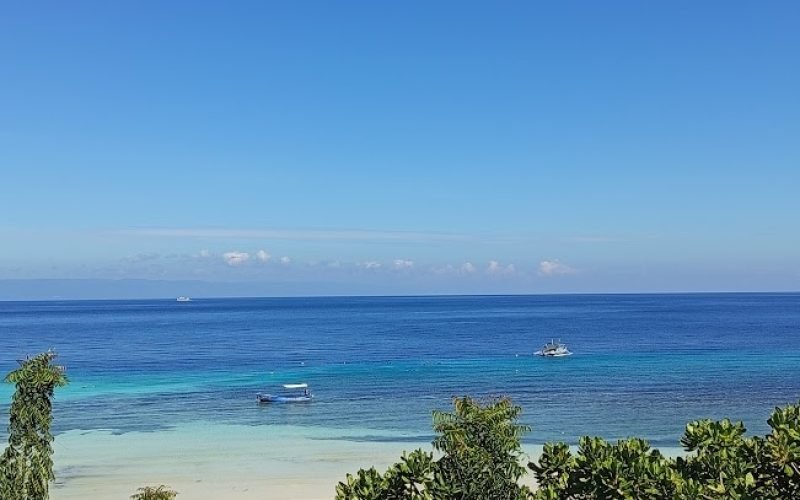
Siquijor has been associated with folk healing, sorcery, and the supernatural for centuries, a reputation that keeps many first-time visitors away. The practical reality is a small, quiet island with some of the clearest water in the Visayas, a well-preserved heritage church, and a road that loops the entire island so you can explore by motorbike in an afternoon. We cover it in detail in our Siquijor Island adventure tours guide.
Cambugahay Falls is a series of tiered cascades with vivid turquoise swimming holes connected by rope swings and rope bridges. The diving is consistently excellent and far cheaper than Cebu or Moalboal. For more on where to dive across the country, see our best diving spots in the Philippines guide.
Don’t miss: Cambugahay Falls, Salagdoong Beach, and the ancient balete tree near Lazi with its natural fish cleaning pool.
Best for: Surfers, nature lovers
Getting there: Fly from Manila to Virac (1 hour), or ferry from Tabaco in Albay
Best time to visit: October to March for surf; April to June for calmer conditions
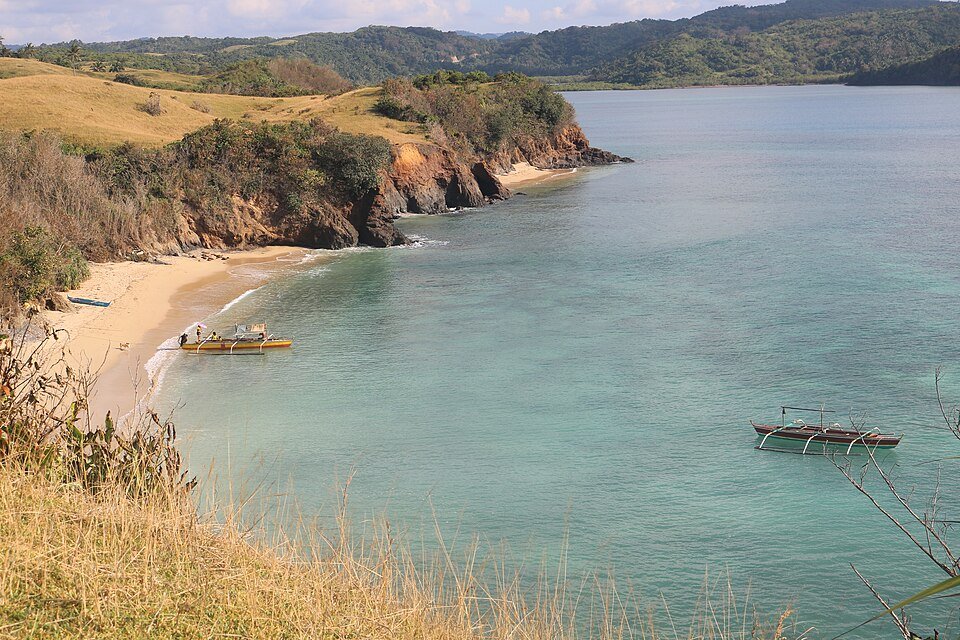
Catanduanes faces the open Pacific and catches swells that Siargao’s Cloud 9 simply doesn’t get. Puraran Beach, home to the locally named break “Majestic,” draws a small, devoted surf community. Beyond surfing, the island is lush and largely unexplored, with waterfalls inland and reef diving in excellent condition. The Bicol-style laing (taro leaves cooked in coconut milk) alone is worth the trip. Pair the visit with our guide to the best Filipino foods, so you know what else to look for.
Practical note: Catanduanes takes direct typhoon hits regularly. Not recommended between June and November without flexible dates and close weather monitoring. See our weather in the Philippines guide before planning.
Don’t miss: Puraran Beach during swell season and Bato Church, one of the oldest Spanish churches in the Bicol region.
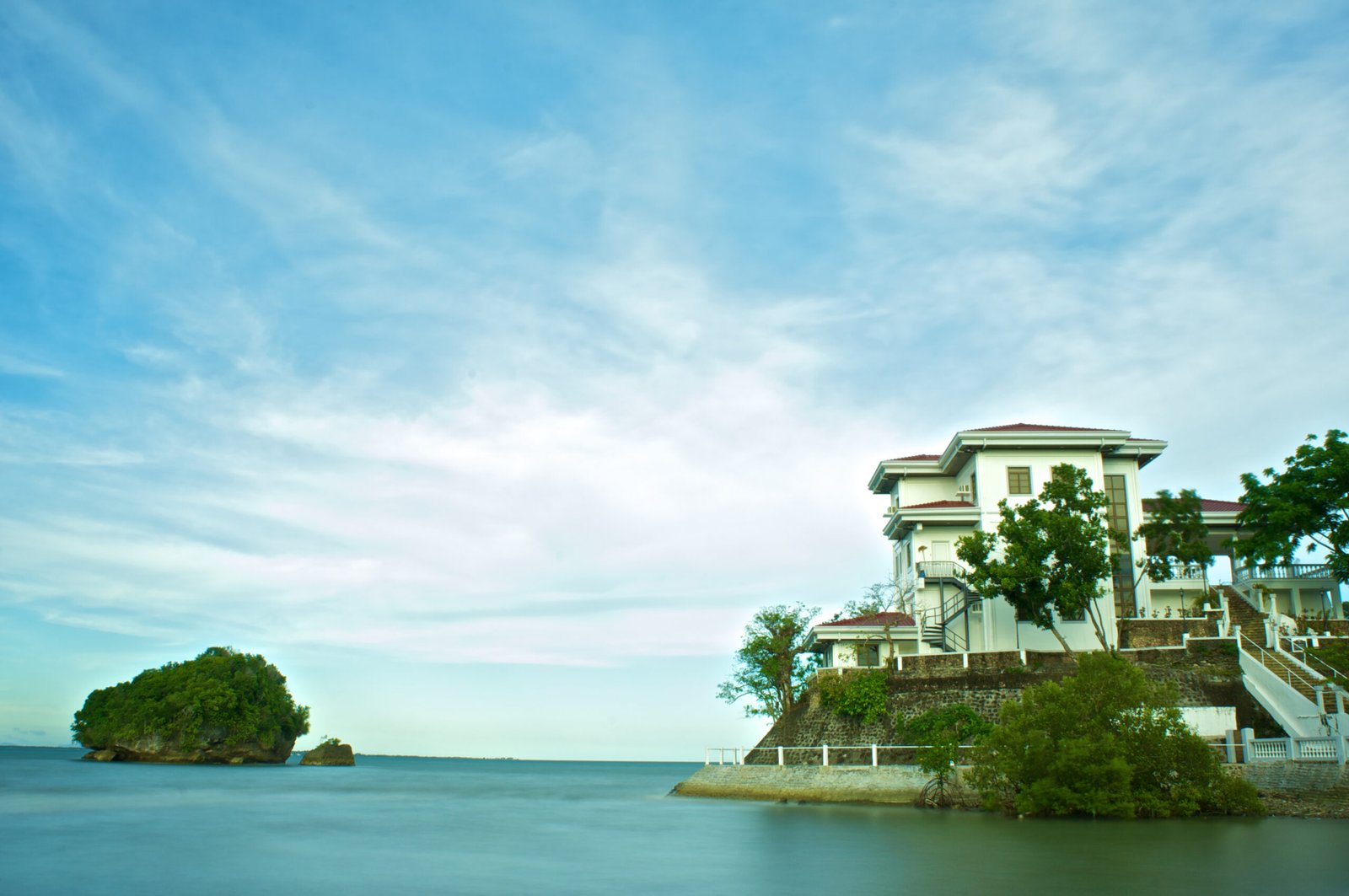
Best for: Day trips from Iloilo, beach-and-food combinations
Getting there: 15-minute ferry from Iloilo City
Best time to visit: Year-round, though May during the Manggahan Festival is special
A 15-minute bangka ride from Iloilo is all it takes to reach Guimaras, yet it remains dramatically undervisited. The island is called the Mango Capital of the Philippines, and Guimaras mangoes have won international recognition for their sweetness. Eating a bag of them on the beach is one of those simple experiences that becomes a core travel memory.
The beaches match the fruit. Tatlong Pulo is a pristine white sand beach beside distinctive karst rock formations. Guisi Beach combines golden sand, good snorkelling, and an 18th-century Spanish lighthouse with views across the Visayan Sea. Full trip notes are in our Guimaras Island adventure tour guide.
Don’t miss: Tatlong Pulo, Guisi Lighthouse and Beach, and as many Guimaras mangoes as possible.
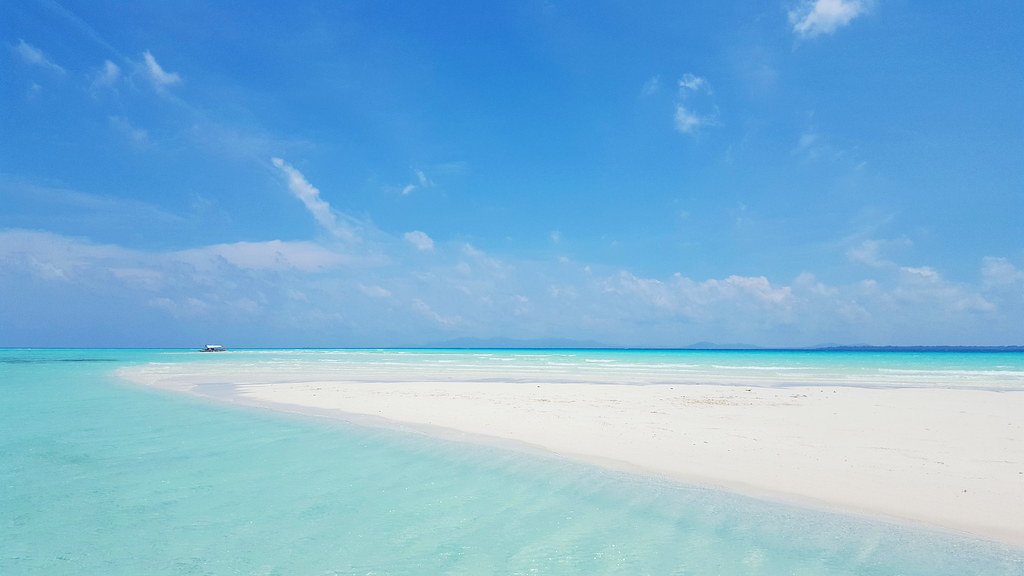
Best for: Serious island hoppers who have already done El Nido and Coron
Getting there: Flight or bus to Brooke’s Point in southern Palawan, then a boat to Balabac town
Best time to visit: March to May
Balabac sits at the southernmost tip of Palawan and remains almost entirely unvisited by foreign tourists. Getting here requires real effort, which is exactly the point. The reward is pink sand beaches (crushed red coral mixed with white sand) on islands like Onuk and Candaraman, snorkelling in water of almost unreal clarity, dugong in the seagrass shallows, and islands where the only thing waiting is a beach.
There are no resort chains and very few guesthouses. Transport is by local fishing boat on weather-dependent schedules. For context on the broader Palawan region, see our Puerto Princesa adventure tours guide.
Don’t miss: Onuk Island’s pink sand beach, Bugsuk Island, and night snorkelling for bioluminescent plankton.
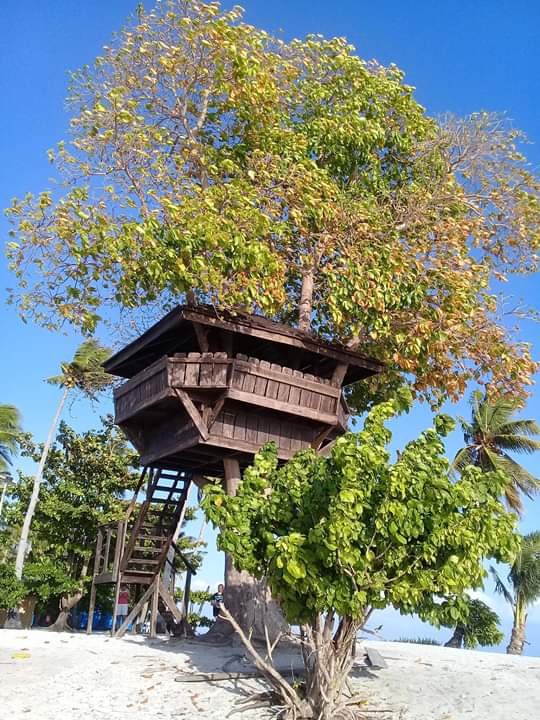
Best for: Day trippers from Leyte, photographers
Getting there: Boats from Palompon in Leyte (around 1 hour) or from Malapascua Island
Best time to visit: March to June
Kalanggaman is a day trip destination, small enough that staying overnight isn’t really the format. It earns its place here because the sandbar it extends into the sea is among the most visually striking in the country: a long, curved arc of powdery white sand jutting into bright blue water, flanked by palms. The snorkelling drops into rich reef systems in good condition. The Philippine Department of Tourism classifies it as one of Leyte’s priority ecotourism sites, with visitor quotas to protect the reef.
Bring food and water. Facilities on the island are basic. Entry fees are modest.
Don’t miss: The eastern sandbar at low tide and the coral garden on the northern tip.
Every island on this list takes more effort than flying to Cebu and catching a resort shuttle. A few reminders:
Cash is critical. ATMs are unreliable or nonexistent on smaller islands. Our Philippines currency exchange guide covers the best networks and exchange tips.
Book ferries early during peak season (December to April). Our complete ferry travel guide covers schedules and what to expect.
Check typhoon forecasts from June through November at PAGASA before committing to any booking.
Solo travellers heading to remote destinations like Balabac or Batanes should read our risk management guide for solo adventure travellers.
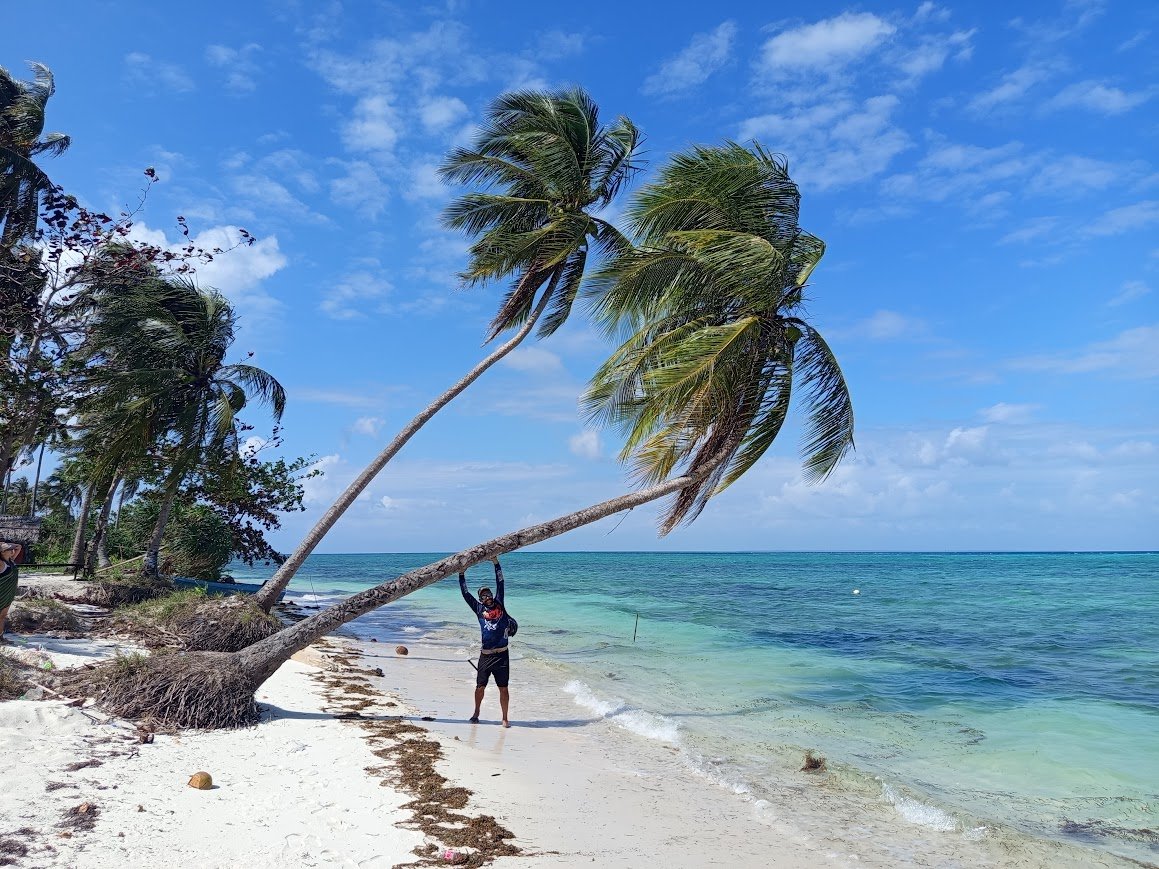
The Philippines is one of the most biodiverse and geographically spectacular countries on earth, and the islands on this list sit well within the part of the archipelago that most visitors never see. They require patience, flexibility, and a willingness to accept that not everything will go to plan. Boats run late. Guesthouses don’t look like their photos. Occasionally, the WiFi doesn’t work, and there is nothing you can do about it.
What they offer in return, empty beaches, genuine encounters with local communities, the particular satisfaction of arriving somewhere that hasn’t been optimised for your arrival, is something that the headline destinations stopped offering years ago.
The Philippines has 7,641 islands. You have time.
Images: Some photos courtesy of Wikimedia Commons.


Philippines Travel Guide seeks to share the vibe of an authentic experience through our idea of adventure travel for explorers and memory seekers in the Philippines.