When it comes to Christmas celebrations, no country does it quite like the Philippines. Known for having the longest Christmas season in the world, Filipino Christmas traditions begin as early as September 1st and extend well into January, making it a nearly four-month-long festival of joy, faith, and family togetherness. This comprehensive guide will walk you through every aspect of the Filipino Christmas experience, from iconic decorations to cherished traditions that make this season truly unforgettable.
The Philippines holds the unique distinction of celebrating Christmas longer than any other nation on earth. This extended celebration is deeply rooted in Filipino culture and sets the tone for months of joyful anticipation.
The moment September arrives, Filipinos officially kick off the Christmas season. This unique tradition of celebrating during the “ber” months (September, October, November, and December) is distinctly Filipino. Shopping malls begin playing Christmas carols, stores stock up on decorations, and the festive atmosphere takes over the entire nation. By October, Christmas decorations are in full display, and the countdown begins in earnest.
If you’re planning to experience this magical season firsthand, check out our comprehensive Philippines travel guide to help you prepare for your journey.
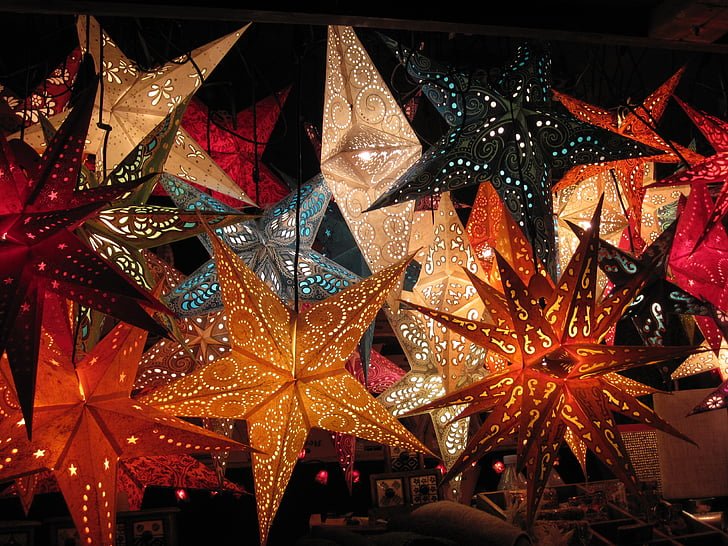
Christmas morning brings excitement for children and a continuation of family bonding. The Filipino approach to gift-giving emphasizes respect for elders and the joy of generosity over commercialism.
On Christmas morning, Filipino children greet their elders with “Mano po” (a gesture of respect where they take the elder’s hand and touch it to their forehead) and receive cash gifts or presents in return. This practice reinforces respect for elders and family hierarchy.
Godparents (ninong and ninang) play a special role during Christmas, often giving gifts to their godchildren. Children may visit multiple godparents throughout the day, strengthening family and community bonds.
Learning about Filipino hospitality and local customs will help you appreciate the warmth that defines Filipino Christmas celebrations.
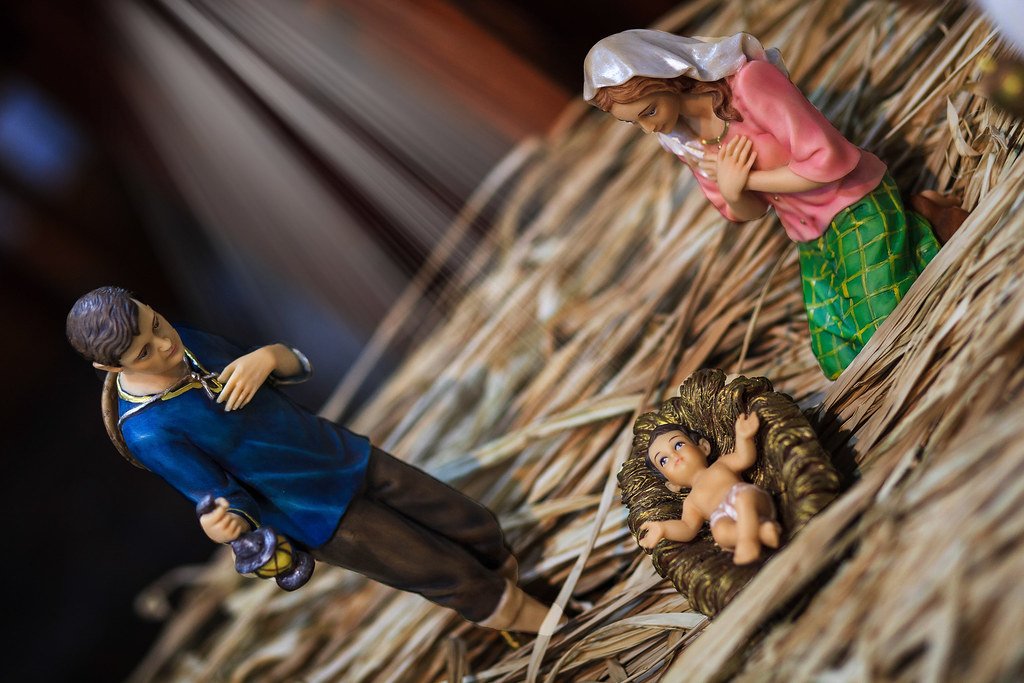
Filipino homes become showcases of faith and festivity during Christmas, displaying both traditional religious decorations and modern holiday décor in a unique blend that reflects the country’s cultural identity.
Filipino homes proudly display both the Belen (nativity scene depicting the birth of Jesus) and Christmas trees during the season. The Belen holds special religious significance and is often passed down through generations. Some families create elaborate displays with moving parts and lights, while towns create life-sized Belen displays in public spaces.
Christmas trees are decorated with garlands, lights, ornaments, and often topped with miniature parols instead of stars. Many families decorate entire homes starting in September. Some neighborhoods organize competitions for the best-decorated homes, fostering community spirit.
Music is the soundtrack of Filipino Christmas, filling every space from homes to shopping malls with joyful melodies. The combination of traditional Filipino songs and international classics creates a distinctive soundscape.
Christmas carols, or “paskuhan songs,” fill the air throughout the season. Traditional Filipino Christmas songs like “Ang Pasko ay Sumapit,” “Pasko Na Naman,” and “Sana Ngayong Pasko” are played alongside international favorites everywhere.
Caroling, or “pangangaroling,” is a beloved tradition where groups of children go door-to-door singing Christmas songs in exchange for coins or treats. Carolers often carry makeshift instruments like tambourines made from bottle caps, fostering community spirit throughout neighborhoods.
Monito Monita (sometimes called “Secret Santa”) is a popular gift-exchange game in Filipino schools and offices where participants become secret gift-givers, giving small gifts while keeping their identity secret until the Christmas party reveal.
13th-month pay—a mandatory bonus equivalent to one-twelfth of their annual salary paid by December 24th—helps families afford Christmas shopping and Noche Buena preparations. This bonus makes the elaborate Christmas celebrations possible for many Filipino families.
Aguinaldo refers to monetary gifts given to children, godchildren, employees, and service workers during the holiday season. Children receive aguinaldo in cash placed in decorative envelopes, while homeowners traditionally give aguinaldo to household staff, garbage collectors, and security guards, ensuring the Christmas spirit extends to all community members.
December is filled with gatherings that celebrate relationships and achievements, making it the most socially active month of the year in the Philippines.
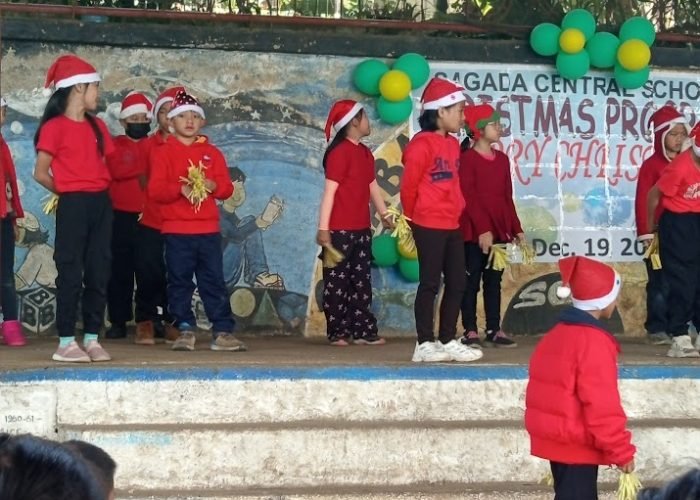
Throughout December, Filipinos attend numerous Christmas parties organized by schools, workplaces, neighborhoods, and social organizations. These celebrations feature games like “Bring Me” (a scavenger hunt) and “Trip to Jerusalem” (musical chairs), raffles, gift exchanges, performances, and abundant food.
Family reunions are especially important, with relatives traveling from abroad or different provinces to celebrate together. For overseas Filipino workers (OFWs), coming home for Christmas is a priority, and reunions are emotional celebrations of family unity despite long separations.
Different regions of the Philippines offer unique Christmas experiences, each with its own local traditions and celebrations that showcase the country’s cultural diversity.
The capital region features spectacular displays at major malls, the Festival of Lights in Ayala Triangle, and Simbang Gabi at historic churches like Manila Cathedral. Divisoria Market offers affordable decorations and gifts. Explore Metro Manila during the holidays to witness the urban Christmas spectacle.
Known as the “Christmas Capital”, Baguio City offers a unique cool-weather Christmas experience with its Christmas Village, decorated streets, and Christmas markets selling local products. The cool mountain climate (around 15-20°C) adds a special atmosphere to the festivities. Plan your Baguio City adventure for a mountain Christmas getaway.
The Giant Lantern Festival showcases the most elaborate parol displays, with gigantic lanterns featuring thousands of lights and synchronized patterns set to music—a must-visit for Filipino Christmas artistry.
Cebu City celebrates with vibrant Simbang Gabi traditions at the Basilica Minore del Santo Niño and festive street celebrations throughout the city.
Small towns and rural communities showcase the most authentic Christmas traditions, with simple but heartfelt celebrations, community caroling, and close-knit family gatherings that embody the true spirit of Filipino Christmas.
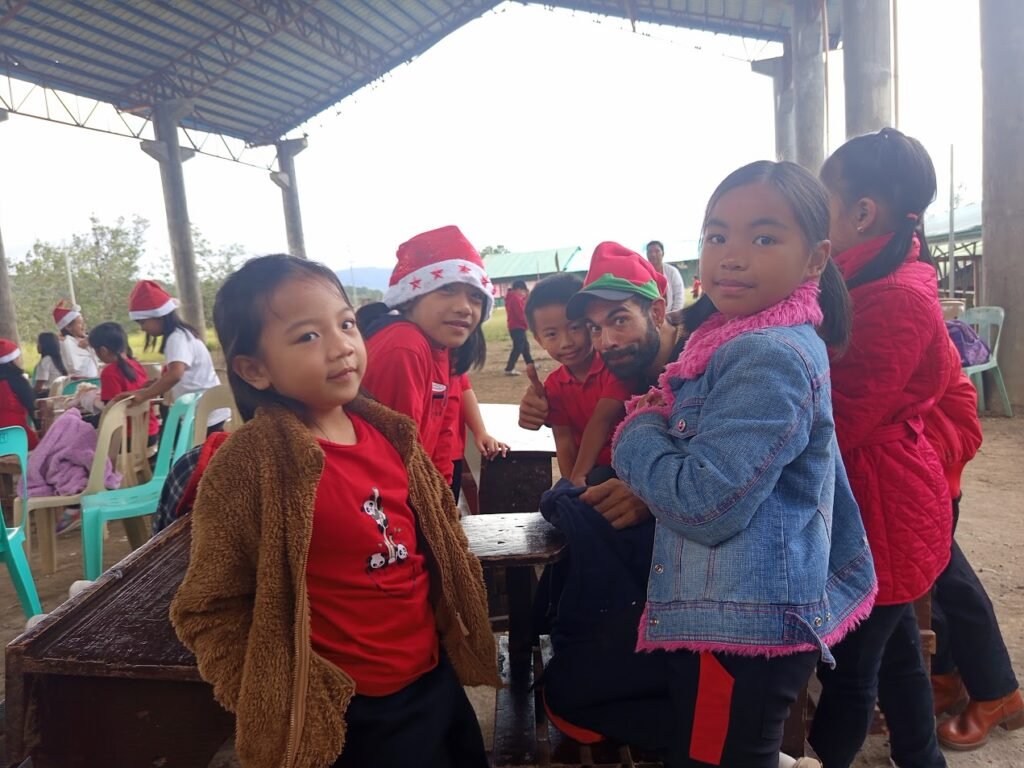
Filipino Christmas celebrations seamlessly transition into New Year festivities and beyond, creating a continuous holiday season that can last nearly a month after Christmas Day.
Celebrations continue through New Year’s Eve with Media Noche (another midnight feast). Filipino New Year traditions include wearing polka dots for prosperity, displaying round fruits (12 or 13 varieties), jumping at midnight to grow taller, making loud noises with fireworks and horns, and keeping lights on throughout the house.
The season officially ends with the Feast of the Three Kings (Epiphany) on the first Sunday of January. Check the Philippines’ holidays calendar for schedules.
Experiencing Filipino Christmas as a visitor requires some preparation to make the most of this unique cultural celebration. Here’s what you need to know to plan your holiday trip and immerse yourself in the festivities.
December falls during the cooler, dry season in the Philippines, making it ideal for travel with comfortable temperatures and minimal rainfall. Temperatures range from 25-30°C (77-86°F) in most areas, with cooler weather in highland regions like Baguio (15-20°C or 59-68°F). Learn more about Philippine weather patterns to plan your trip accordingly.
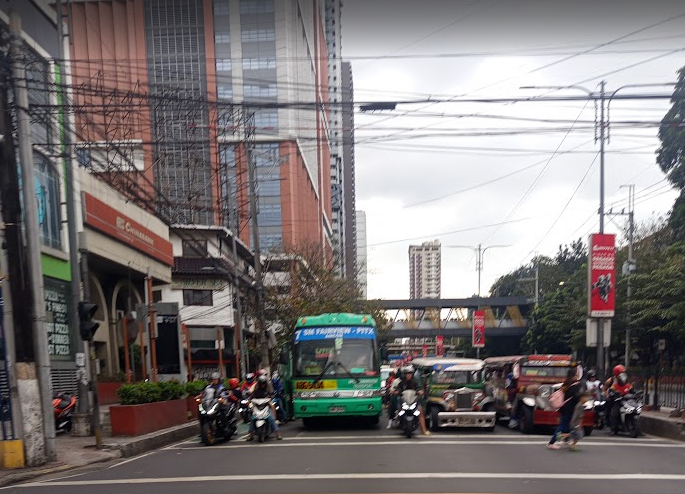
Expect heavier traffic and fuller public transportation during the Christmas season, especially in the weeks before Christmas and between Christmas and New Year. Plan extra travel time and consider booking transportation in advance when possible. Hotels and resorts fill up quickly during peak season, so book accommodations 2-3 months in advance to secure the best options.
Familiarize yourself with transport options in Metro Manila and explore the country’s most popular destinations to create your itinerary.
Before your trip, review our guides on the Philippines currency exchange to get the best rates and understand where to exchange money. Get a local SIM card for mobile connectivity to stay connected and navigate easily throughout your journey.
Learning some essential Filipino phrases will greatly enhance your experience. Key phrases include “Maligayang Pasko” (Merry Christmas) and “Manigong Bagong Taon” (Happy New Year). Filipinos greatly appreciate it when visitors make an effort to speak even basic Tagalog phrases.
Check our ultimate Philippines packing list to ensure you’re prepared for both urban celebrations and potential island getaways. Bring light, breathable clothing for most areas, but pack a jacket or sweater if visiting highland destinations like Baguio or Sagada, where temperatures drop in the evenings.
Keep our emergency contacts guide handy for peace of mind. Be aware that pickpocketing can increase in crowded areas during the holiday season, particularly in busy markets like Divisoria and during large gatherings.
When attending Simbang Gabi or visiting Filipino homes during the season, dress modestly and respectfully—avoid shorts, sleeveless tops, or revealing clothing in churches. If invited to a Noche Buena celebration, it’s customary to bring a small gift (pasalubong) for the host family, such as food items, desserts, or drinks. Accept food offerings graciously, as Filipino hospitality is generous, and refusing food may be seen as impolite. It’s better to take small portions if you’re not very hungry than to decline altogether.
The Christmas shopping season brings unique opportunities to find both traditional Filipino gifts and experience the bustling holiday markets.
Divisoria Market in Manila offers the most affordable Christmas items—shop early in the morning (around 6-7 AM) to avoid crowds. Christmas Bazaars throughout Metro Manila feature local artisans and unique Filipino products.
Native Handicrafts like handwoven textiles, capiz shell products, and woodcarvings make excellent gifts while supporting authentic Filipino crafts.
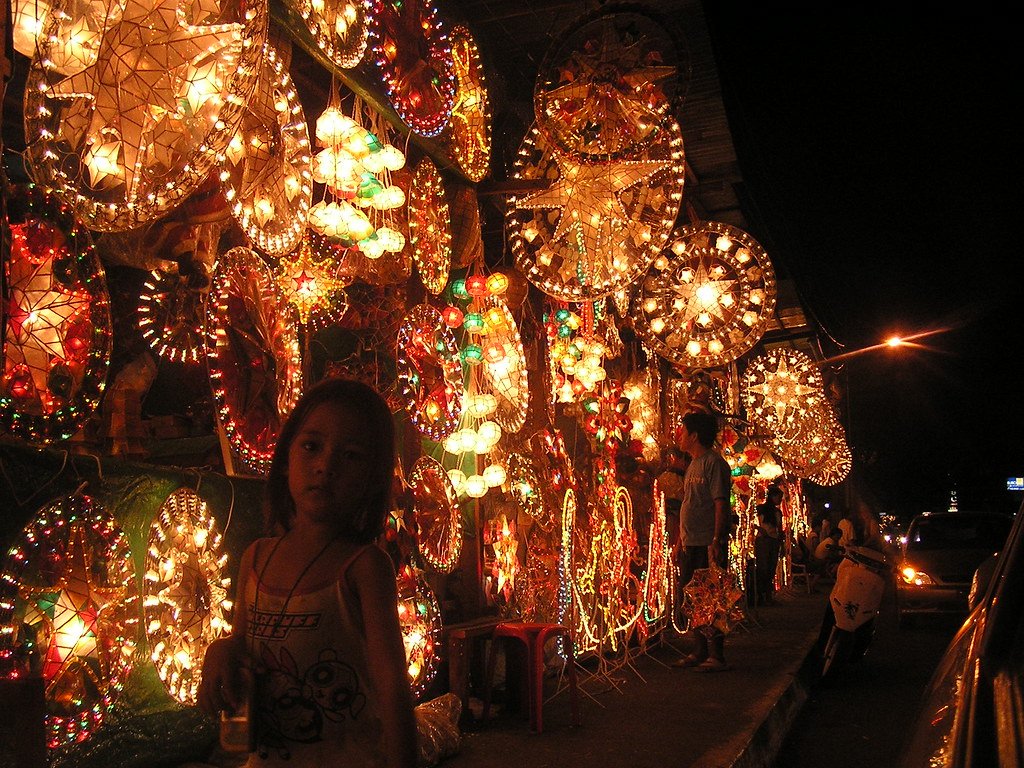
Filipino Christmas represents more than just a holiday—it’s a profound expression of national character and values that sets the Philippines apart.
The Philippine Christmas celebration stands out for its extraordinary length, deep integration of Catholic faith with cultural traditions, and emphasis on family reunions. Despite economic challenges, Filipinos prioritize celebrating with generosity, joy, and thanksgiving.
The Filipino Christmas spirit—characterized by bayanihan (communal unity), pakikipagkapwa (shared humanity), and mapagbigay (generosity)—transforms the nation into a celebration of hope, love, and faith.
The resilience and optimism of Filipinos shine brightest during Christmas. Even families facing hardships find ways to celebrate, prioritizing the joy of giving and togetherness. This spirit of resilience makes Filipino Christmas a testament to the Filipino people’s enduring hope and unwavering faith.
Christmas in the Philippines is more than just one of many traditional Filipino festivals—it’s the ultimate expression of Filipino culture, faith, and family values you must experience at least once.
Whether you’re experiencing Christmas in Manila, the Visayas, or Mindanao, the Filipino way of celebrating will warm your heart and create lasting memories. Maligayang Pasko at Manigong Bagong Taon!


Philippines Travel Guide seeks to share the vibe of an authentic experience through our idea of adventure travel for explorers and memory seekers in the Philippines.


Subscribe our newsletter for more update & news !!
Copyright © 2024. All rights reserved by Philippines Travel Guide.