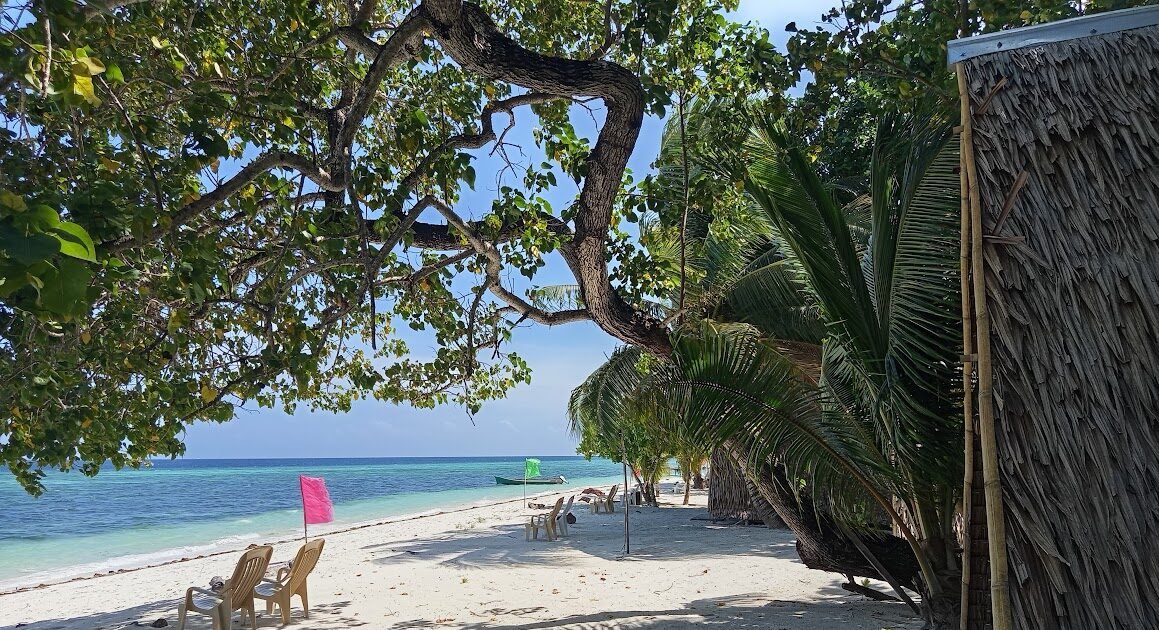
You’ve made the decision — the Philippines is your next adventure. Now comes the harder question: with over 7,600 islands, countless mountain ranges, and an unending string of white-sand beaches, where do you even begin? This guide cuts through the noise and maps out the best destinations for first-time visitors to the Philippines, chosen for their accessibility, variety of experiences, and sheer wow factor.
Whether you’re drawn to crystal-clear island hopping in Palawan, the cool highland air of the Cordillera mountains, or the chaotic energy of Metro Manila, the Philippines rewards every type of traveler. This is your starting point.
Quick Read: This guide covers 10 destinations ideal for first-time visitors — from island escapes and city adventures to mountain hikes and cultural deep-dives. Each section includes what to do, practical tips, and links to detailed guides.
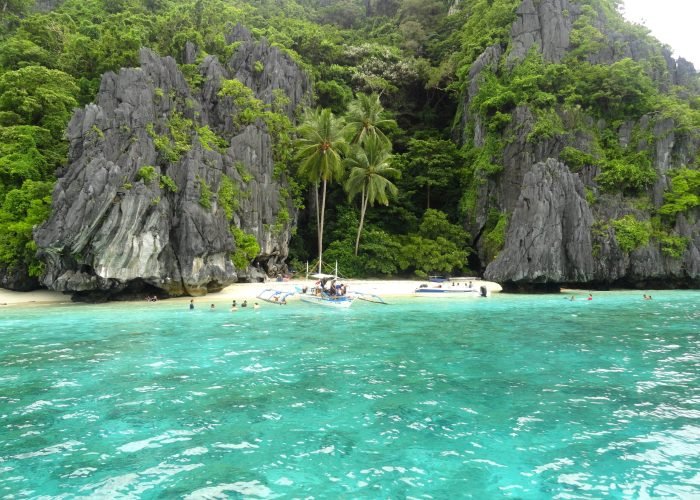
No first trip to the Philippines is complete without El Nido. Located at the northern tip of Palawan Island, El Nido is famous for its towering limestone karst cliffs, hidden lagoons, and some of the most photogenic island-hopping routes in all of Southeast Asia. The Bacuit Archipelago — the cluster of islands surrounding El Nido — features iconic spots like Big Lagoon, Small Lagoon, and Shimizu Island.
For a deeper look at planning your time here, read the El Nido Adventure Tours guide — it covers real itineraries and costs from firsthand experience.
Pro tip: book your island-hopping tours directly through licensed local operators. The El Nido Tourism office provides official guidance on regulated tour areas and environmental fees.
Most visitors fly into Puerto Princesa as their entry point to Palawan, but the city deserves time of its own. It is home to the Puerto Princesa Subterranean River National Park, a UNESCO World Heritage Site and one of the New 7 Wonders of Nature. The underground river stretches 8.2 kilometers, with guided boat tours navigable up to 4.3 kilometers inland through cathedral-like caverns filled with extraordinary stalactite and stalagmite formations.
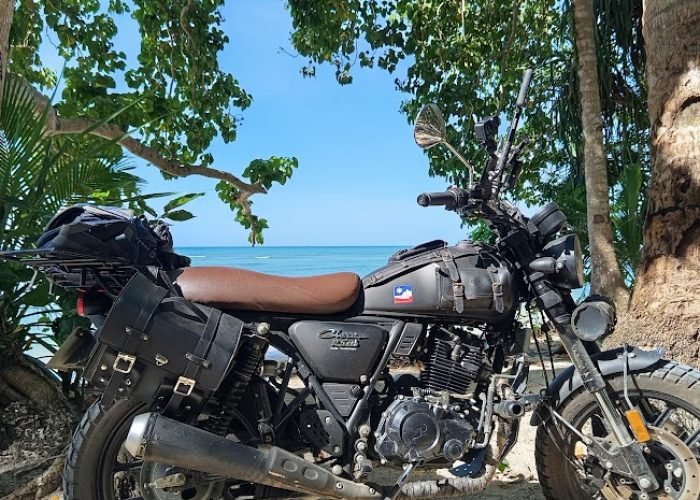
Beyond the river, Honda Bay island hopping, the Iwahig Firefly Watching tour, and the city’s vibrant Rizal Avenue food scene make Puerto Princesa a destination in itself. The city is also the motorbike adventure hub of Palawan — a great base for self-guided exploration.
Get the full picture in the Puerto Princesa Travel Guide, and if you plan to explore by motorbike, check out the Ultimate Guide to Motorbike Rentals in Palawan (2026).
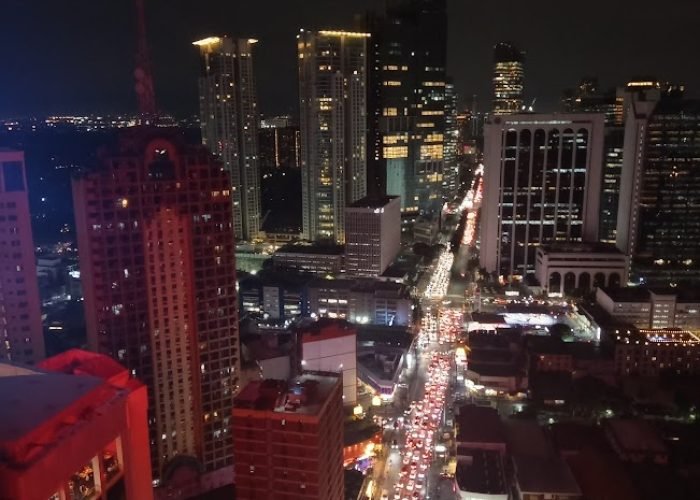
Every first-time visitor arrives through Ninoy Aquino International Airport (NAIA), and Metro Manila deserves at least two to three days of your itinerary. The capital region is a sensory overload in the best possible way — ancient Spanish colonial history in Intramuros, world-class dining in Bonifacio Global City (BGC), night markets in Binondo (the world’s oldest Chinatown), and sprawling malls like SM Mall of Asia.
Before arriving, read Navigating Manila’s Public Transport: Jeepneys, Buses, and the MRT so you’re not caught off guard by the city’s transit system. Also, check the updated NAIA 2026 Airport Guide for arrival tips.
The Queen City of the South is the Philippines’ second-largest metropolitan area and one of the most visited destinations in the country. Cebu City combines authentic history — the Magellan’s Cross, Basilica Minore del Santo Niño, and Colon Street (the oldest street in the Philippines) — with modern urban energy.
For nature lovers, South Cebu is extraordinary. Oslob is famous (and sometimes controversial) for whale shark watching, while Moalboal offers world-class sardine run snorkeling and diving. Kawasan Falls in Badian is one of the most spectacular canyoneering destinations in Southeast Asia.
Explore real adventure itineraries in the Cebu City & South Cebu Adventure Tours guide.
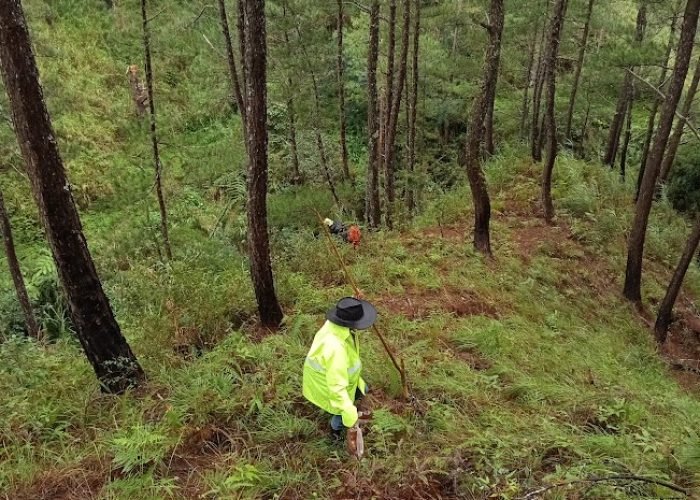
If beaches aren’t your priority, Sagada in the Cordillera Administrative Region of Northern Luzon is a transformative experience. At an altitude of over 1,500 meters, this highland town is famous for its hanging coffins — a centuries-old Igorot burial tradition — the cave systems of Sumaguing Cave and Lumiang Cave, and the breathtaking sunrise at Kiltepan Peak.
Sagada also offers mushroom and plant foraging treks, traditional Igorot weaving demonstrations, and a genuinely off-grid atmosphere that feels worlds away from the beach crowds. The town has excellent budget guesthouses and small cafes serving surprisingly good barako coffee.
Get the full guide with practical transport tips in the Sagada Travel Guide, and for mountain hiking specifics, read First Time Hiking in the Philippines? Here’s Everything You Need to Know.
The Rice Terraces of the Philippine Cordilleras are among the most breathtaking man-made landscapes on Earth — 2,000-year-old terraces carved into the mountains of Ifugao Province by the ancestors of the Ifugao people. In 1995, UNESCO inscribed them as a World Heritage Site, specifically recognizing five clusters including Batad and Bangaan (both in Banaue municipality), along with terraces in Mayoyao, Hungduan, and Kiangan. Rice is still grown here by indigenous communities using ancient methods passed down through generations.
A quick note for accuracy: the terraces visible from the famous Banaue viewpoint are sometimes called the “Eighth Wonder of the World” — a popular nickname, not an official designation — and are not technically part of the UNESCO inscription (due to modern modifications to that cluster). The true UNESCO-listed terraces are reached by short hikes or jeepney rides from Banaue town.
The village of Batad sits in a spectacular natural amphitheater of terraces and requires a short but rewarding trek to reach. Tappia Falls, accessible by trail from Batad, is a highlight of the hike. Plan at least one overnight in Banaue to experience the terraces at sunrise, when mist rolls through the mountain valleys.
Read the full Banaue & Batad Rice Terraces Adventure guide for transport logistics and suggested hiking trails.
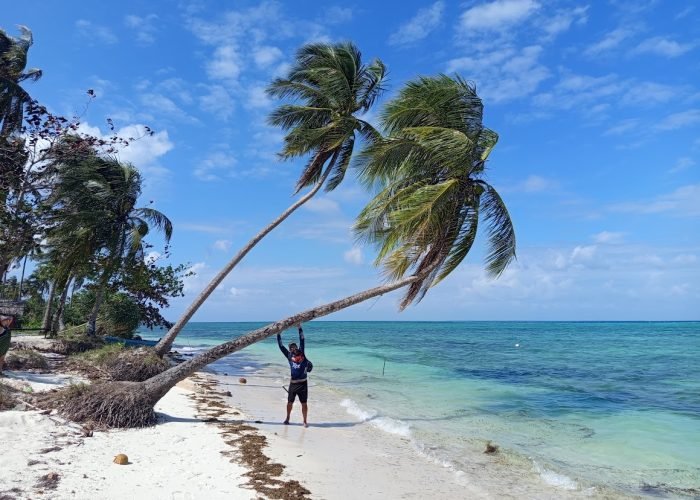
If you want white-sand beaches without the resort-heavy commercialization of Boracay, Bantayan Island off the northern tip of Cebu is a perfect first-timer alternative. The island has a genuinely laid-back atmosphere, incredibly clear water, and a strong local fishing culture.
The main town of Santa Fe has a long strip of beachfront accommodation, from cheap fan rooms to small beach resorts. Ogtong Cave, Virgin Island day trips, and the beautifully preserved Bantayan Church (built in the 16th century) add cultural and natural depth to the beach experience.
See the Bantayan Island Adventure Tours guide for transport routes from Cebu City.
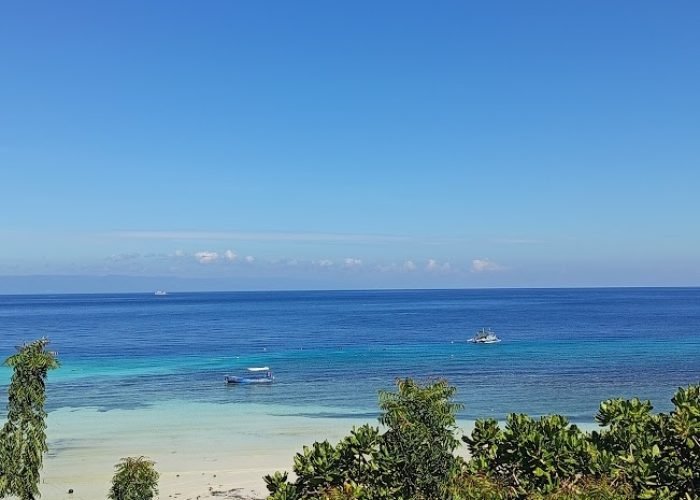
The island of Siquijor in the Central Visayas region has a local reputation for mysticism and folk healing — a reputation that, far from putting travelers off, makes it one of the most fascinating cultural destinations in the Philippines. Locals and visitors coexist with an old tradition of hilot (traditional healing), and during Holy Week, the island hosts the famous Lenten healing festival.
Beyond its mystique, Siquijor has stunning natural attractions: Cambugahay Falls (great for rope-swinging), the iconic balete tree with its freshwater fish spa, Paliton Beach, and excellent snorkeling and diving sites. It is small enough to circumnavigate in a day by habal-habal (motorbike taxi).
Full itinerary details are in the Siquijor Island Adventure Tours guide.
Sitting at 1,540 meters above sea level in Benguet province of the Cordilleras, Baguio City has been the Philippines’ official Summer Capital since the American colonial era. Known for its cool climate, flower festivals, and vibrant arts scene, it is a refreshing contrast to the tropical heat of the lowland Philippines.
First-timers love the Burnham Park boating lake, the Baguio Public Market (famous for local strawberries, ube, and woven goods), Camp John Hay, and the Mines View Park overlook. Baguio is also an excellent gateway for further Cordillera adventures to Sagada and Banaue.
Explore the Baguio City Adventure Tours guide for what to do beyond the tourist hotspots.
Located in Alaminos, Pangasinan, on the Lingayen Gulf, the Hundred Islands National Park is one of the Philippines’ most underrated national parks. Spread across 7,835 hectares, it features 124 named islands, excellent snorkeling, kayaking, and cliff diving at Quezon Island, Governor Island, and Children’s Island.
The park is highly accessible from Manila (about four to five hours by bus), making it a popular weekend destination. Its relative lack of foreign tourist crowds means prices remain reasonable and the experience feels authentic.
Read the Hundred Islands Adventure Tours guide and the Provincial Bus Experience guide to plan transport from Manila.
The Philippines has no land connections between its major island groups — inter-island travel is by air or sea. Domestic carriers Cebu Pacific and Philippine Airlines serve most routes. In 2026, Cebu Pacific launched a new direct daily flight from Cebu to El Nido, bypassing Manila and making Palawan more accessible from the Visayas. Several routes have also shifted to Clark International Airport (CRK) to ease congestion at NAIA. For sea travel, RoRo ferries connect most major islands affordably. Read the Complete Guide to Ferry Travel Between Philippine Islands for routes and booking tips.
The dry season (November to May) is generally the best time to visit most of the Philippines. The wet season (June to October) brings the habagat (southwest monsoon) and occasional typhoons, particularly in Luzon and the Visayas. Check the Philippines Weather Guide and the Best Philippines Destinations to Visit Each Month in 2026 before booking.
The local currency is the Philippine Peso (PHP). ATMs are widely available in cities and tourist hubs. For the best exchange rates and where to get them, refer to the Philippines Currency Exchange Guide.
Pick up a local SIM from Globe or Smart at the airport on arrival for affordable mobile data. The Philippines SIM Cards and Mobile Data Guide for Tourists walks you through your best options.
Filipinos are exceptionally warm and welcoming. Understanding Filipino hospitality (Filipino: mabuting pakikisama) and the cultural concept of bayanihan (communal spirit) will enrich every interaction you have. Read Filipino Hospitality: Understanding Local Customs and Etiquette for a deeper cultural primer.
The Philippines is generally safe for tourists, but it pays to be prepared. Bookmark the Philippines Emergency Contacts guide and ensure your travel insurance covers adventure activities like motorbike riding, diving, and hiking.
Most first-time visitors start with Manila as an entry point, then head to El Nido or Puerto Princesa in Palawan for island experiences. This combination covers both urban culture and natural beauty in a single trip.
Boracay is famous for its White Beach and beach parties, but it can be crowded and commercialized. First-timers looking for a quieter beach experience may prefer Bantayan Island, El Nido, or the beaches covered in the Philippines Beach Paradise guide. That said, if nightlife and water sports are a priority, Boracay delivers.
A minimum of 10 to 14 days allows you to experience at least two distinct regions without rushing. Seven days is workable but limits you to one destination cluster. Three weeks or more lets you combine the Cordilleras, Visayas, and Palawan.
Citizens of 59+ countries can enter the Philippines visa-free for up to 30 days. You must also register via the eTravel portal before arrival. Check Bringing Regulated Items to the Philippines for customs and import rules.
The hardest part of visiting the Philippines isn’t finding things to do — it’s choosing where to begin. Every destination in this guide offers something that can’t be found anywhere else: the lagoons of El Nido, the hanging coffins of Sagada, the ancient terraces of Banaue, or the warm chaos of Manila’s streets.
Use this as your launchpad, not your limit. The Philippine archipelago has a way of pulling first-time visitors back for a second trip, then a third. Once you arrive, you’ll understand why.
Ready to plan your routes, pack smart, and hit the road? Start with the Ultimate Philippines Packing List for Every Season and browse the full collection of Philippines Travel Guides to lock in your destinations.


Philippines Travel Guide seeks to share the vibe of an authentic experience through our idea of adventure travel for explorers and memory seekers in the Philippines.


Subscribe our newsletter for more update & news !!
Copyright © 2024. All rights reserved by Philippines Travel Guide.