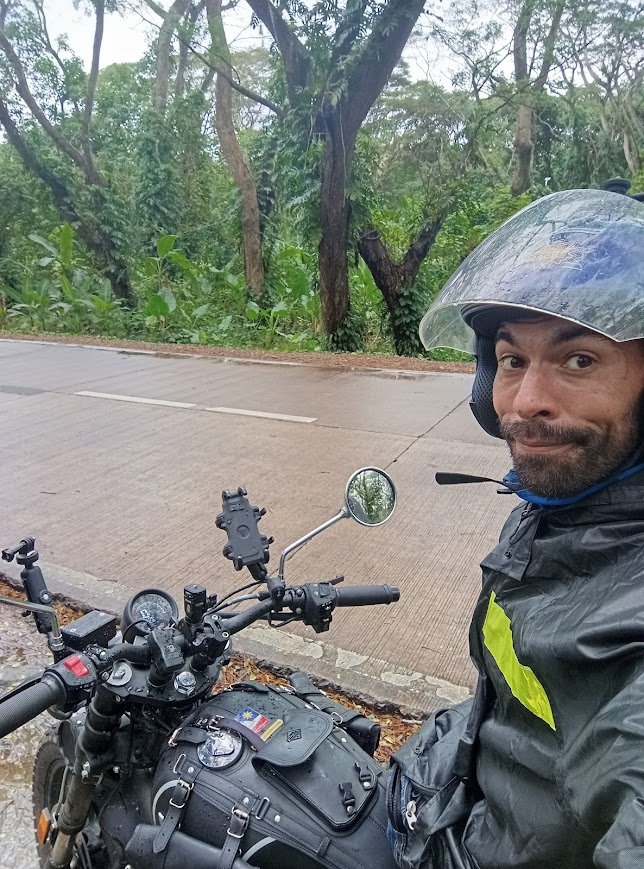
January is one of the best times for island hopping in tropical destinations. The weather is generally favorable, the crowds are manageable after the holiday rush, and the ocean conditions are often ideal for exploring multiple islands in a single trip. But whether you’re navigating the turquoise waters of the Philippines, Thailand’s island chains, or the Caribbean archipelagos, one thing remains constant: you need reliable waterproof gear to protect your belongings and enhance your adventure.
Even during the dry season in many tropical regions, island hopping presents unique challenges. You’ll encounter splashing waves during boat transfers, unexpected rain showers, humid conditions that can damage electronics, and the constant proximity to saltwater. Without proper protection, your phone, camera, documents, and other essentials are at risk.
January weather can be unpredictable, too. While it’s typically drier than other months in places like Southeast Asia, sudden squalls can appear, and the ocean spray during speedboat rides is inevitable. If you’re planning to visit the Philippines, check out our guide on January in the Philippines: Weather, Events, and Where to Go to understand what conditions to expect.
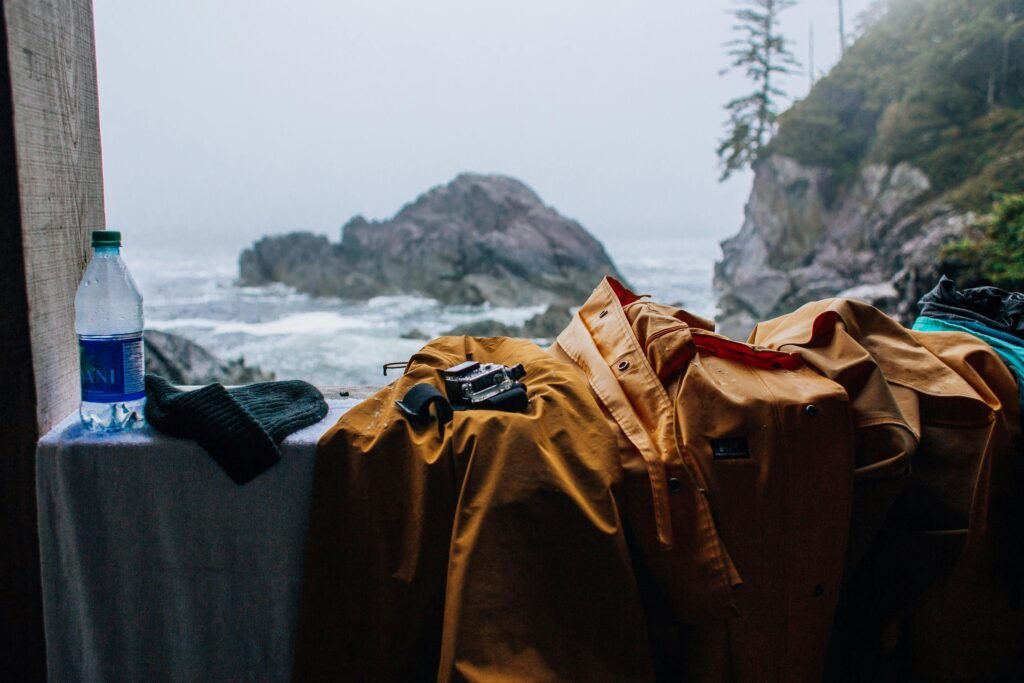
A good dry bag is the foundation of any island-hopping kit. Look for roll-top dry bags with welded seams and sturdy buckles. The 20-liter size is perfect for day trips, fitting clothes, towels, and electronics. For longer excursions, consider a 40-liter option. Choose bright colors like yellow or orange, so they’re easy to spot and can double as flotation devices in emergencies.
Premium dry bags feature reinforced handles that can support the full weight of your gear when wet, which is crucial when you’re climbing in and out of boats. Some models include transparent windows that let you see contents without opening the bag, saving time and preventing unnecessary exposure to moisture.
Your phone is likely your camera, GPS, communication device, and entertainment center all in one. A waterproof phone case with an IPX8 rating allows you to take underwater photos while snorkeling, capture boat ride videos without worry, and protect against accidental drops in water. Proper phone protection is essential for water-based activities.
Consider cases with built-in lanyards so you can wear your phone around your neck during water activities. Some advanced models include floating features, ensuring your phone stays on the surface if it does go overboard.
Unlike dry bags, waterproof backpacks offer better organization and comfort for carrying gear between islands. Look for models with padded shoulder straps, multiple compartments, and external attachment points for wet items. A 25-30 liter capacity works well for most day trips, providing enough space without being cumbersome on small boats.
The best waterproof backpacks feature roll-top closures combined with waterproof zippers on external pockets. This dual-system approach gives you quick access to items like sunscreen or snacks without compromising the main compartment’s water protection.
While your phone can handle some water exposure, a dedicated action camera captures higher-quality footage in challenging conditions. Whether you’re kayaking between islands, snorkeling coral reefs, or documenting your speedboat journey, an action camera with waterproof housing up to 30-40 meters gives you creative freedom without limits.
Modern action cameras offer stabilization features that smooth out choppy boat ride footage, making your videos watchable and professional-looking. Time-lapse and slow-motion modes capture sunrise departures and the graceful movement of manta rays in ways that smartphones simply cannot match.
Passports, travel insurance papers, cash, and credit cards need special protection. A slim waterproof document pouch with a clear window lets you access important items quickly while keeping them safe from water, sand, and humidity. For tips on managing money safely while traveling, read our Philippines Currency Exchange Guide.
Advanced document pouches include RFID-blocking technology that protects against electronic pickpocketing. Some models feature multiple sealed compartments, allowing you to separate wet bills or cards from dry documents.
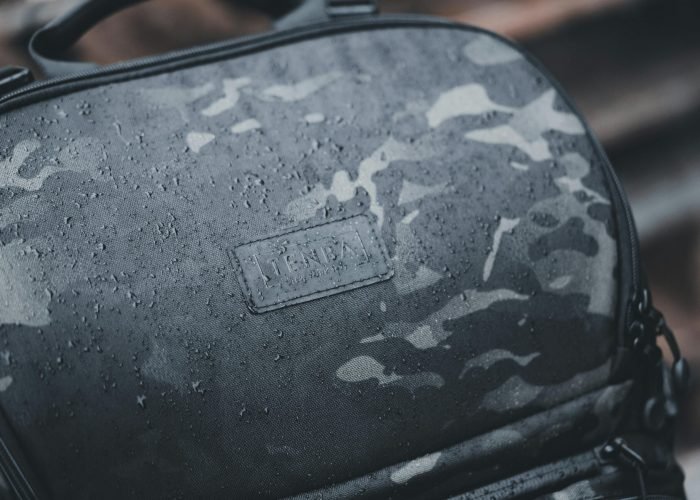
Beyond the essential waterproof items, these supplementary gear pieces complete your island-hopping setup and ensure comfort throughout your adventure.
Waterproof shoes or sandals with good traction prevent slips on wet boat decks and rocky shores. Closed-toe water shoes protect your feet while wading through shallow areas with coral or sea urchins. Look for models with drainage holes and quick-dry mesh that prevent water accumulation.
Quick-dry towels made from microfiber take up minimal space, dry rapidly between uses, and can be wrung out effectively. Premium microfiber towels absorb up to seven times their weight in water and compress to the size of a small water bottle.
Waterproof sunscreen and toiletries in travel-size containers prevent leaks in your bag. Need help deciding what else to pack? Our Ultimate Philippines Packing List for Every Season covers everything you need.
Ziplock bags are the unsung heroes of island hopping. Use them for organizing small items, protecting items that aren’t completely waterproof, and keeping wet swimwear separate from dry clothes. Create a system using different sizes: snack-size for medications, quart-size for chargers, gallon-size for clothing items.
Having the right equipment is only half the battle—knowing how to use it properly ensures maximum protection for your belongings.
Fill dry bags with paper towels and submerge them briefly to check for leaks. Perform tests in your bathtub at least a week before departure, giving you time to replace any faulty items.
Take time to roll dry bag tops at least three times and ensure all zippers and clasps are fully secured. Before each boat transfer, double-check every seal and closure.
Heavy items like cameras should sit close to your back in the center of the pack, while lighter items can go toward the bottom or sides. This prevents the backpack from pulling you backward on unstable boat platforms.
A quick freshwater rinse extends the life of zippers, buckles, and seals. Mountain Equipment Recyclers’ maintenance tips provide excellent guidance on extending the life of your waterproof equipment. Air-dry gear in shaded areas to prevent UV damage.
Use bright tape or permanent markers to mark your bags. Include your name and phone number inside waterproof pouches in case items get separated from you.
Even experienced travelers make these common errors that can compromise their gear’s effectiveness. Here’s what to watch out for.
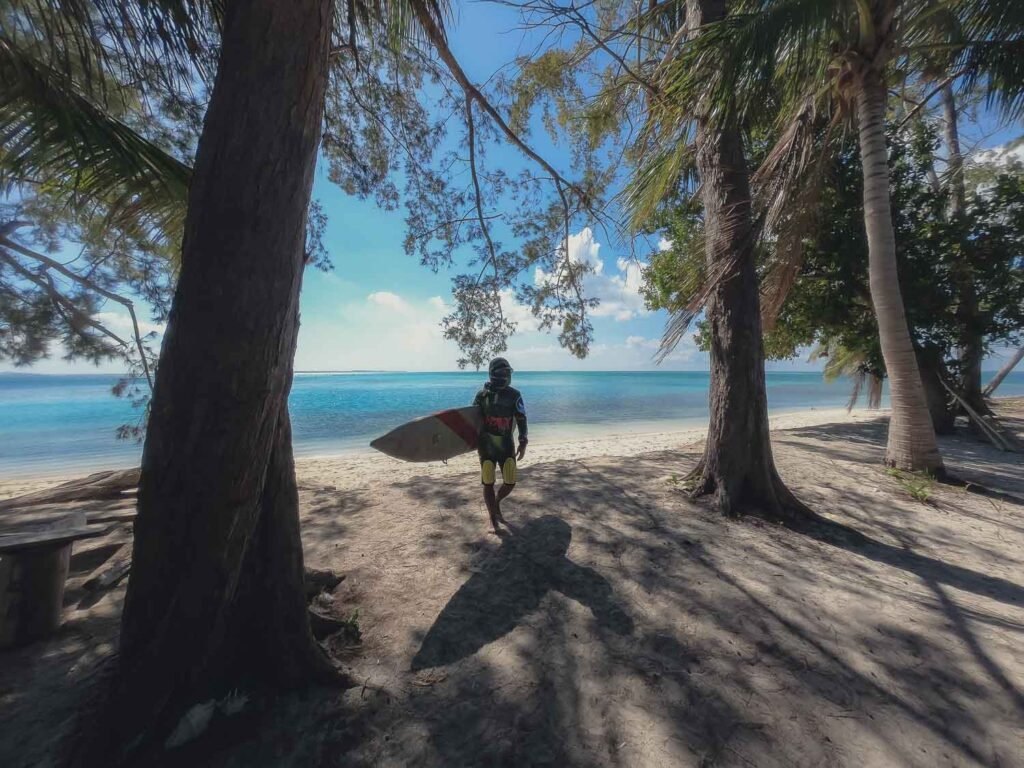
Now that you’re equipped with the right waterproof gear, where should you put it to the test? The Philippines offers world-class island-hopping experiences, and January provides ideal conditions for exploration. Here are the top destinations where your waterproof equipment will prove invaluable as you navigate between pristine beaches, hidden lagoons, and vibrant coral reefs.
El Nido provides stunning limestone cliffs and crystal-clear lagoons perfect for kayaking and snorkeling. Tour operators typically run four standard routes, with Tour A to Big Lagoon and Secret Lagoon being the most popular. Your waterproof phone case will capture incredible underwater shots while navigating the lagoon’s narrow entrance, and dry bags are essential for protecting your belongings during the sometimes choppy boat rides between islands. January’s calm seas make all routes accessible.
Bantayan Island offers pristine white sand beaches and calm waters during January, ideal for families and first-time island hoppers. Virgin Island features a striking sandbar that emerges during low tide, perfect for photography. The gentle conditions here are great for testing your waterproof gear setup before tackling more challenging destinations, and the shallow wading to the Virgin Islands makes waterproof document pouches essential for keeping cash and phones dry.
Gigantes Island features dramatic rock formations and fresh seafood. Tangke Lagoon, a hidden saltwater pool surrounded by jagged rocks, requires careful climbing where waterproof protection is essential. You’ll need both hands free during the steep descent, making properly sealed dry bags and secure waterproof backpacks critical. The rougher boat transfers between islands here truly test the quality of your waterproof equipment.
Hundred Islands lets you explore 124 islands and islets. The variety of activities, from kayaking to cliff jumping, means your waterproof gear will get a serious workout. Action cameras with waterproof housing capture the cliff diving action, while waterproof shoes provide essential grip on wet rocks. Multiple island stops throughout the day mean your gear needs to perform reliably from morning until sunset.
Proper waterproof gear transforms January island hopping from a nerve-wracking exercise in protecting your belongings into the carefree adventure it should be. When you know your electronics and documents are safely sealed away, you gain the mental freedom to fully immerse yourself in each moment.
The investment in quality waterproof equipment pays dividends beyond protected gear. It buys you confidence during boat transfers, peace of mind during unexpected rain, and the ability to capture once-in-a-lifetime moments without hesitation. National Geographic’s travel photography tips emphasize protecting camera equipment in marine environments—wisdom that extends to all electronics.
January offers some of the year’s finest conditions for tropical island exploration. Whether you’re visiting popular destinations in the Philippines or venturing to remote islands, your preparation determines your enjoyment. Pack smart, seal everything tight, test your gear before departure, and prepare for an extraordinary journey through some of Earth’s most beautiful islands.


Philippines Travel Guide seeks to share the vibe of an authentic experience through our idea of adventure travel for explorers and memory seekers in the Philippines.


Subscribe our newsletter for more update & news !!
Copyright © 2024. All rights reserved by Philippines Travel Guide.