The Philippines pulses with vibrant celebrations throughout the year, where ancient traditions blend seamlessly with Catholic influences and modern Filipino creativity. These festivals, known locally as “fiestas,” offer travelers an authentic glimpse into the soul of Filipino culture, where communities come together in spectacular displays of faith, artistry, and unbridled joy.
From the painted warriors of Kalibo to the dancing devotees of Cebu, each festival tells a unique story of resilience, devotion, and cultural pride. Whether you’re drawn to elaborate street parades, traditional music and dance, or the warmth of Filipino hospitality, these celebrations promise experiences that will stay with you long after the final drumbeat fades.
When: Third Sunday of January
Where: Kalibo, Aklan
Region: Western Visayas region (Region VI)
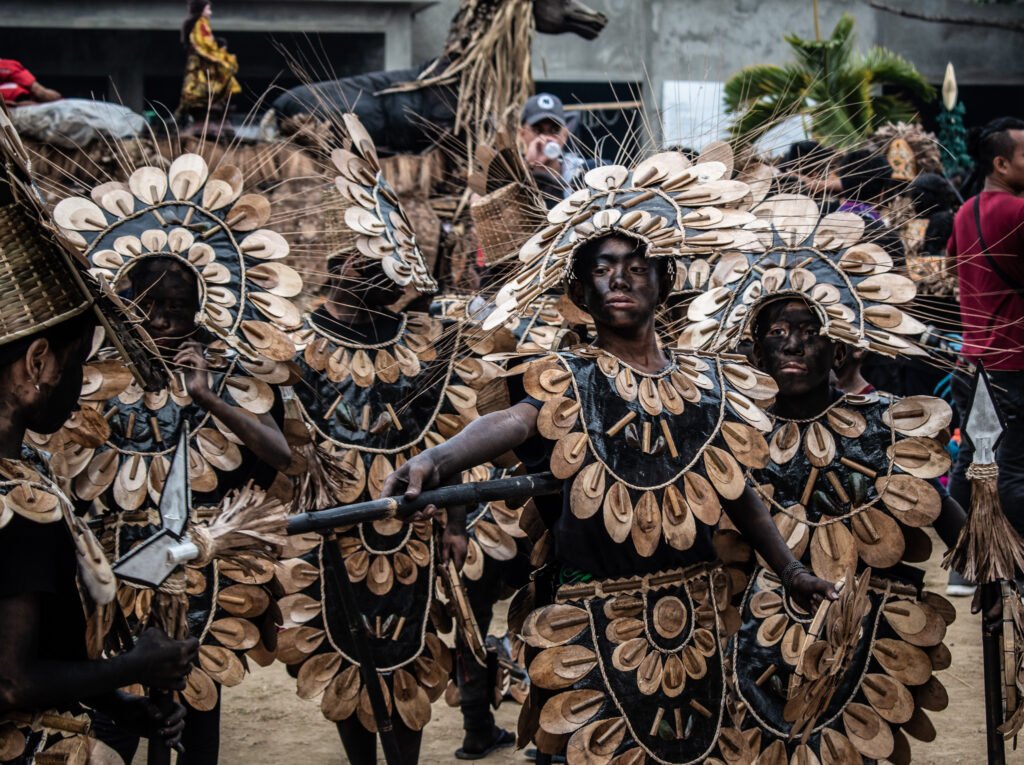
The Ati-Atihan Festival stands as the Philippines’ most iconic celebration, earning its title as the “Mother of All Philippine Festivals.” This celebration transforms the quiet town of Kalibo into a vibrant carnival of colors, rhythms, and spiritual devotion, typically lasting for nine days leading up to the third Sunday of January.
Participants paint their faces with black soot and don elaborate tribal costumes, honoring the indigenous Ati people while celebrating the Santo Niño (Holy Child Jesus). The streets overflow with dancers moving to the hypnotic beat of drums, their chants of “Hala Bira!” creating an infectious energy that sweeps up even the most reserved observers.
What makes Ati-Atihan truly special is its democratic spirit. Anyone can join the street dancing, regardless of skill level or background. Local families welcome strangers into their groups, offering costumes and face paint to visitors eager to participate in this ancient ritual of joy and faith.
When: Third Sunday of January
Where: Cebu City
Region: Central Visayas region (Region VII)
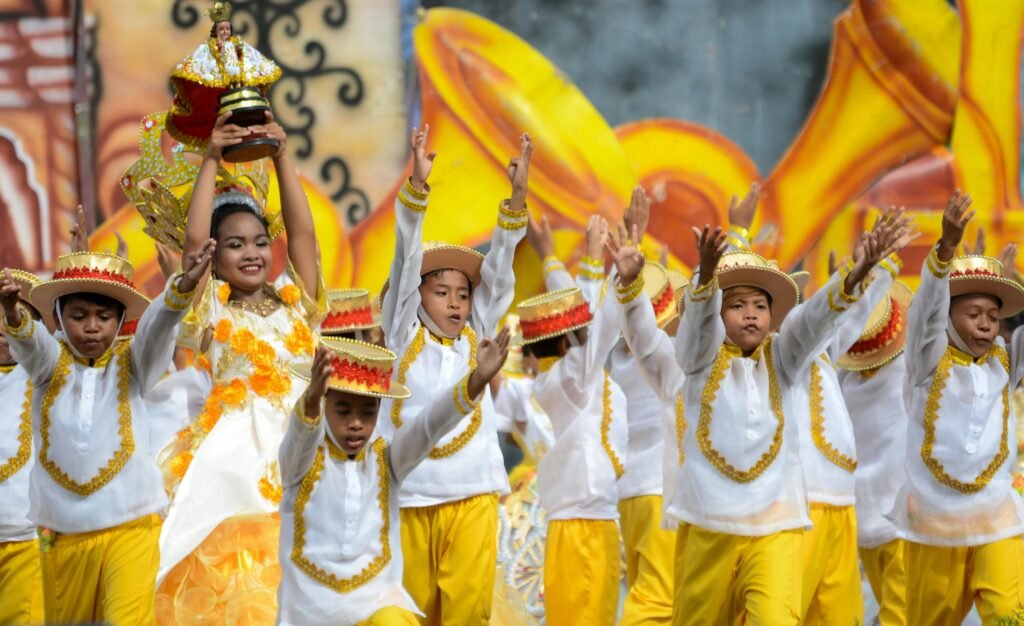
Cebu’s Sinulog Festival rivals Ati-Atihan in grandeur while maintaining its own distinct character, held annually on the third Sunday of January to honor the Santo Niño. The festival centers around the devotion to the Santo Niño de Cebu, with the famous “Sinulog” dance mimicking the current of the river. This graceful, rhythmic movement has become synonymous with Filipino festival culture.
The highlight is the Grand Parade, where colorful floats and thousands of dancers wind through Cebu City’s streets. Professional dance troupes compete alongside community groups, creating a spectacular showcase of choreography, costumes, and cultural storytelling. The festival seamlessly weaves together pre-Hispanic traditions with Spanish colonial influences, creating a uniquely Filipino celebration.
Beyond the main parade, Sinulog offers cultural shows, food festivals, and religious processions that provide deeper insights into Cebuano culture and history. The festival’s organization and scale make it particularly accessible to international visitors while maintaining its authentic Filipino heart.
When: October (highlights on the third Sunday)
Where: Bacolod City, Negros Occidental
Region: Western Visayas (Region VI)
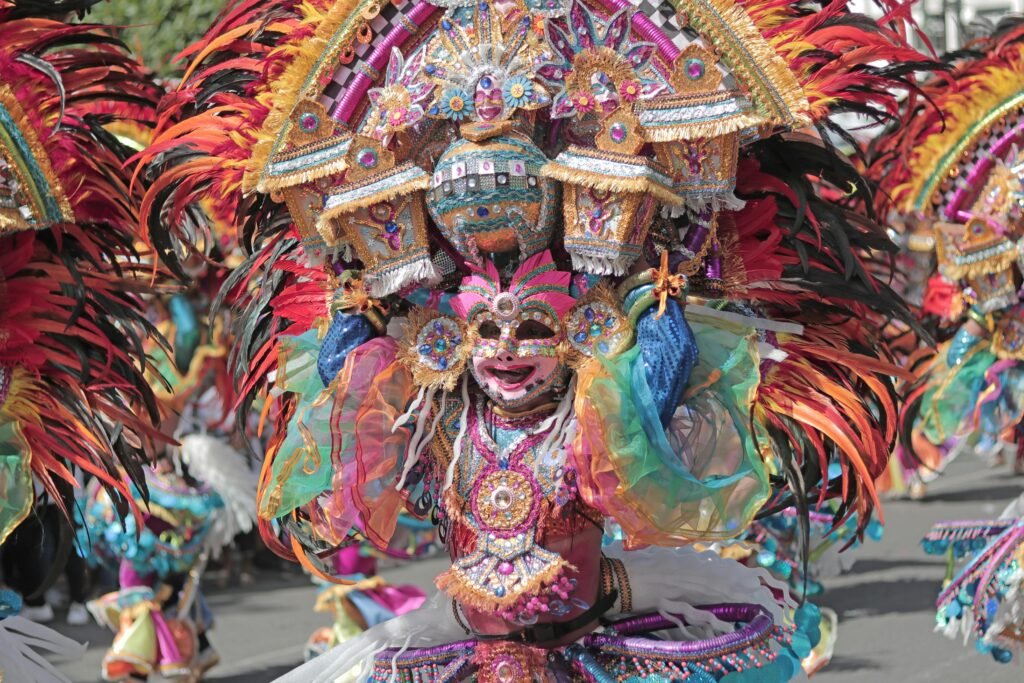
Born from adversity in the 1980s, the MassKara Festival emerged as Bacolod’s defiant response to economic hardship, embodying the Filipino spirit of finding joy despite challenges. The festival’s signature smiling masks, crafted by local artisans, transform the city into a kaleidoscope of colors and perpetual celebration.
The festival showcases Bacolod’s reputation as the “City of Smiles” through elaborate street dancing competitions where performers don intricate masks and costumes. Each participating barangay (neighborhood) creates unique themes, resulting in diverse artistic interpretations that reflect both traditional and contemporary Filipino culture.
MassKara extends beyond street performances to include food festivals celebrating Negros’ agricultural abundance, particularly its famous chicken inasal and local delicacies. The festival’s emphasis on community participation and artistic excellence makes it a showcase of Filipino creativity and resilience, with the main highlights typically occurring on the third Sunday of October.
Check the Tourism Promotions Board Philippines for detailed event schedules and accommodation recommendations.
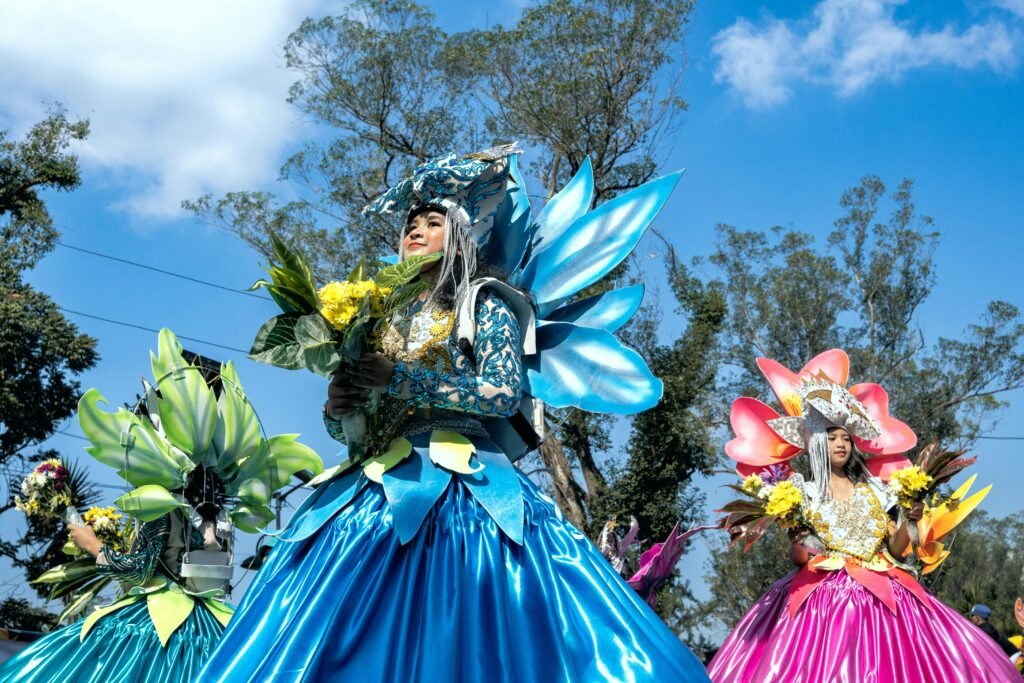
When: February
Where: Baguio City
Region: Cordillera Administrative Region (CAR), Luzon
High in the Cordillera Mountains, Baguio City celebrates the blooming season with the enchanting Panagbenga Festival. This month-long celebration transforms the summer capital into a garden paradise, featuring elaborate flower floats, street dancing, and cultural presentations that highlight both Cordilleran traditions and the city’s unique highland culture.
The Grand Float Parade serves as the festival’s centerpiece, with participants creating stunning artistic displays using fresh flowers grown in Baguio’s temperate climate. The cool mountain air and fragrant flower arrangements create a sensory experience unlike any other Philippine festival.
Panagbenga also celebrates indigenous Cordilleran culture through traditional dances, handicraft exhibitions, and cultural presentations by various tribal groups. This cultural component provides visitors with insights into the rich heritage of the Philippines’ mountain provinces, making it both visually spectacular and educationally enriching.
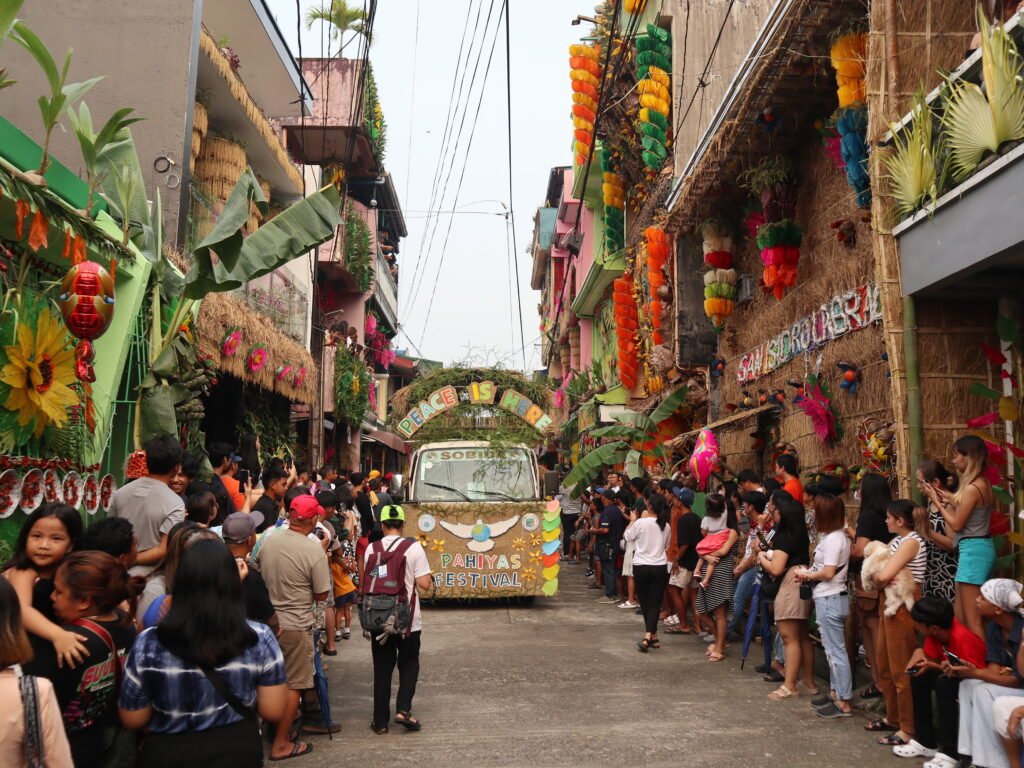
When: May 15
Where: Lucban, Quezon
Region: Calabarzon region on the island of Luzon
The Pahiyas Festival transforms the entire town of Lucban into an outdoor art gallery, where every house becomes a canvas decorated with colorful rice wafers called “kiping,” fresh fruits, vegetables, and intricate handicrafts. This harvest festival honors San Isidro Labrador, the patron saint of farmers, while celebrating the agricultural abundance of the region.
What distinguishes Pahiyas is its community-wide participation in house decoration. Families spend months preparing their displays, creating competition among neighbors that results in increasingly elaborate and creative presentations. The festival showcases Filipino ingenuity in transforming simple agricultural products into stunning artistic displays.
The festival also features the famous “kiping” – leaf-shaped rice wafers that serve both as decoration and delicious snacks. Visitors can participate in cooking demonstrations, sample local delicacies, and purchase these colorful creations as unique souvenirs that capture the festival’s artistic spirit.
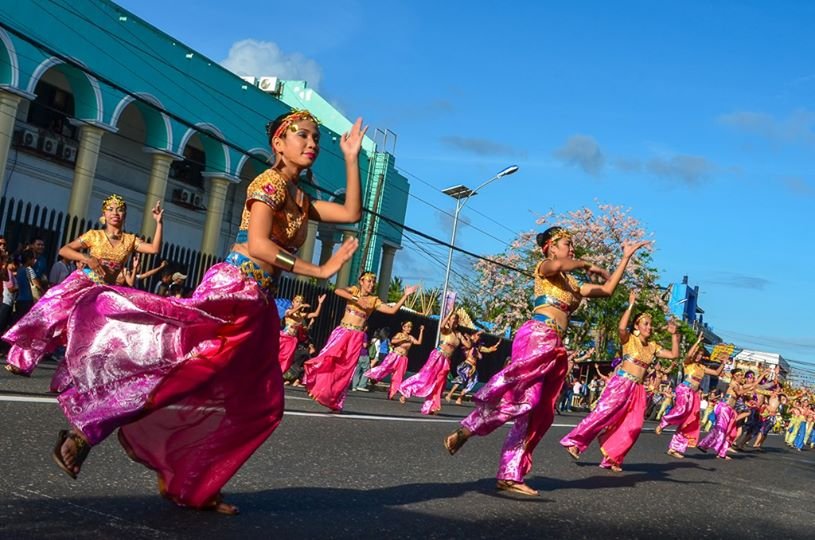
When: October
Where: Albay Province
Region: Bicol Region (officially Region V), Luzon
Set against the backdrop of the perfectly cone-shaped Mayon Volcano, the Mayon Festival celebrates the natural beauty and cultural richness of Albay Province. This relatively newer festival has quickly gained recognition for its stunning visual presentations that incorporate the dramatic landscape into performances and cultural displays.
The festival features the Ibalong Epic, a legendary tale of heroes and mythical creatures that reflects the pre-Hispanic culture of the Bicol region. Dance presentations and theatrical performances bring these ancient stories to life, offering visitors insights into Filipino mythology and regional folklore.
Local cuisine takes center stage during the Mayon Festival, with food festivals highlighting Bicolano specialties known for their spicy flavors and creative use of coconut milk. The combination of cultural performances, natural scenery, and culinary excellence creates a comprehensive cultural experience.
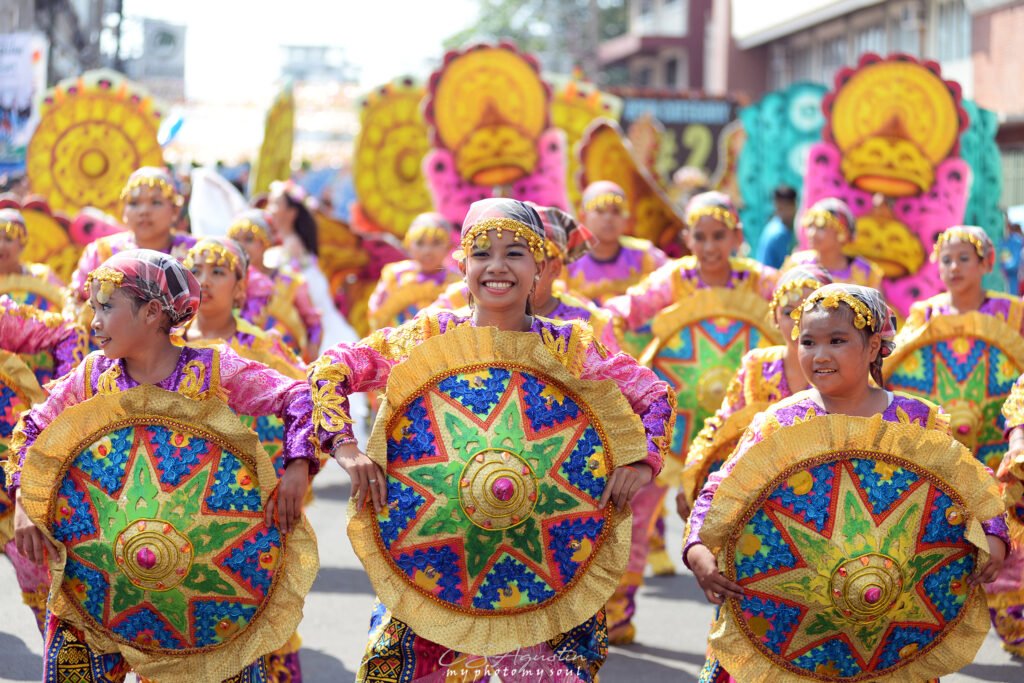
When: August
Where: Davao City
Region: Davao Region, southeastern Mindanao
Davao’s Kadayawan Festival celebrates the city’s cultural diversity and agricultural abundance through a week-long series of events that showcase the traditions of various indigenous groups alongside modern Filipino culture. The festival’s name derives from the Mandaya word “madayaw,” meaning good, valuable, or beautiful.
The Indak-Indak sa Kadalanan street dancing competition features performers representing different tribal groups, each presenting authentic traditional dances, costumes, and music. This cultural showcase provides rare opportunities to experience the rich heritage of Mindanao’s indigenous communities.
Kadayawan also celebrates Davao’s reputation as the “fruit basket of the Philippines” through elaborate fruit displays, cooking competitions, and trade fairs. The festival’s emphasis on cultural preservation while embracing progress makes it a compelling example of how traditional festivals can evolve while maintaining their authentic core.
For cultural heritage insights and festival statistics, explore resources at the Philippine Statistics Authority.
Careful planning is essential as accommodations fill quickly during peak periods. Book hotels well in advance, especially for January festivals. Pack lightweight, comfortable clothing suitable for water, paint, or other substances common at celebrations.
Festival hopping requires efficient transport planning from Metro Manila. Most importantly, embrace “pakikipagkapwa” – shared identity and community spirit. These festivals welcome participation from visitors showing genuine interest and respect.
Each celebration offers insights into Filipino culture, religious devotion, indigenous traditions, agricultural practices, and artistic expression, providing authentic connections to the Filipino soul. Experience vibrant celebrations, warmth of strangers becoming friends, infectious rhythm of traditional music, taste of regional delicacies, and visual spectacle of cultural artistry as treasured souvenirs.
These festivals are just the beginning of what this incredible archipelago has to offer. Explore our comprehensive travel guides and discover the most popular destinations in the Philippines to plan your complete Filipino adventure – your gateway to authentic Filipino experiences awaits!


Philippines Travel Guide seeks to share the vibe of an authentic experience through our idea of adventure travel for explorers and memory seekers in the Philippines.


Subscribe our newsletter for more update & news !!
Copyright © 2024. All rights reserved by Philippines Travel Guide.