Manila’s Ninoy Aquino International Airport underwent a remarkable transformation in 2026, shedding its notorious reputation as one of the world’s worst airports. Under new management by New NAIA Infrastructure Corporation (NNIC), travelers are experiencing revolutionary upgrades that are turning the country’s main gateway into a modern, efficient hub worthy of the Philippines’ booming tourism industry.
If you’re planning to arrive at Manila NAIA Airport this year, you’ll encounter dramatically improved facilities, cutting-edge biometric technology, expanded dining options, and enhanced passenger services. Here’s everything you need to know about the exciting changes transforming your NAIA experience in 2026.
Before diving into specific upgrades, it’s worth noting that NAIA set an all-time record in January 2026 with 4.96 million passengers—the highest monthly volume in the airport’s 76-year history. This achievement reflects not just increased travel demand but also the infrastructure improvements that have made handling these massive crowds possible.
The airport’s transformation is part of a ₱170.6 billion public-private partnership aimed at comprehensive rehabilitation and modernization. For travelers exploring the most popular destinations in the Philippines, these upgrades mean smoother arrivals and departures at the country’s primary international gateway.
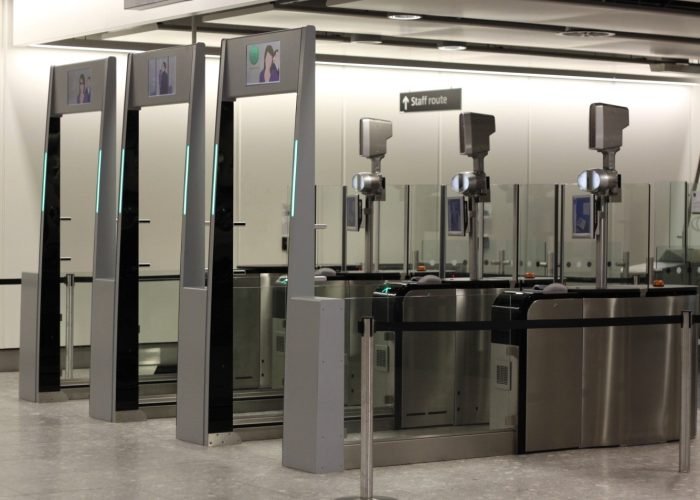
Perhaps the most game-changing upgrade at NAIA in 2026 is the rollout of biometric e-gates across Terminals 1 and 3. These automated immigration gates have transformed what was once a 45-minute ordeal into a seamless 20-second process.
According to reports from the Philippine News Agency, the new e-gates use advanced biometric identity verification and document authentication technology. The system relies on facial recognition paired with passport scanning, allowing eligible passengers to clear immigration without traditional officer interaction.
Using the biometric e-gates is remarkably straightforward. Passengers simply scan their passports at the designated reader, then look directly at the camera for facial verification. Once the system confirms your identity, you proceed through the gate—that’s it. The entire process takes approximately 15-20 seconds, a dramatic improvement from the previous manual system that could take up to 45 seconds per passenger during peak periods.
As of February 2026, the e-gates are operational at both NAIA Terminal 1 in the international arrivals area and NAIA Terminal 3 in the international arrivals area. Currently, the system is available exclusively for Filipino passport holders. However, expansion to include foreign nationals and departure gates is expected later in 2026 as part of the ongoing modernization efforts.
The biometric gates have virtually eliminated the infamous long queues at immigration that once plagued NAIA. During the record-breaking January 2026 traffic, the e-gates proved essential in managing the unprecedented passenger volume without the traditional bottlenecks.
For travelers making connecting flights between terminals, the faster immigration processing provides crucial extra time to navigate the airport’s complex layout.
In February 2026, NAIA Terminal 1 unveiled its completely renovated Arrivals Extension, representing one of the most significant physical upgrades to the airport’s oldest terminal. The transformation, which officially opened on February 9, 2026, addresses long-standing complaints about accessibility, congestion, and passenger comfort.
The upgraded Terminal 1 Arrivals Extension features comprehensive safety enhancements that make a noticeable difference for every passenger. The ramp slope has been dramatically reduced from 8% to 4%, making it significantly easier to handle luggage without strain. Throughout the extension, new anti-slip rubber mat flooring provides better traction, while improved accessibility features better serve passengers with mobility challenges, including enhanced wheelchair-friendly infrastructure.
The transportation experience has been completely reimagined with a centralized taxi and ride-hailing hub that streamlines pickups and reduces the previous chaos at curbside. Traffic flow has been optimized to minimize congestion, and a dedicated meeters and greeters area now separates arriving passengers from well-wishers, creating a more organized environment. Clear, prominent signage now directs passengers efficiently to Grab, Angkas, and traditional taxis.
Passenger comfort received equal attention in the redesign. Brighter lighting throughout the space creates a more welcoming atmosphere, while more open areas allow for easier movement even during peak periods. Expanded seating capacity means fewer passengers standing while waiting, and climate control improvements maintain comfortable temperatures throughout the facility. The dining experience has also been elevated with a wider selection of food and beverage outlets, additional dining spaces opening progressively throughout 2026, and a thoughtful mix of both local and international food brands.
The Arrivals Extension officially opened on February 9, 2026, marking a milestone for Terminal 1, which had long been criticized as the weakest link in NAIA’s terminal network. For first-time visitors arriving in the Philippines, check our essential Filipino phrases guide to help navigate your arrival.
One of the most exciting additions to NAIA Terminal 3 is the Tambayan Food Hall—a name derived from the Filipino word for a gathering place. This massive 6,200-square-meter dining space represents a celebration of Philippine cuisine and culture.
Tambayan Food Hall is an impressive venue with seating capacity for up to 2,000 guests spread across its massive 6,200-square-meter dining space. The hall showcases 17 homegrown Filipino brands that bring authentic regional flavors from across the entire Philippine archipelago. Visitors can sample traditional dishes representing Luzon, Visayas, and Mindanao, as well as innovative modern Filipino fusion concepts that reimagine classic recipes for contemporary palates.
The food hall allows both departing international travelers and arriving visitors to experience authentic Filipino cuisine without leaving the airport. It’s an excellent introduction for tourists heading to destinations like El Nido, Boracay, or Puerto Princesa.
Complementing the all-Filipino Tambayan, the Mezzanine Food Hall at Terminal 3 offers a diverse selection of international dining options. This addition addresses previous complaints about limited food choices, especially during long layovers or flight delays.
The Mezzanine Food Hall provides an impressive mix of Asian, Western, and fusion restaurants that cater to diverse tastes and preferences. Travelers can choose between quick-service options for those in a hurry or sit-down dining experiences for more leisurely meals. Multiple coffee shops and beverage stations are scattered throughout, while dietary accommodations, including vegetarian and halal options, ensure everyone can find suitable meals. Late-night food availability is particularly appreciated by passengers catching red-eye flights or experiencing delays.
These food halls represent a significant upgrade from the limited, overpriced options that previously characterized NAIA. Travelers no longer need to worry about finding decent meals during long layovers—a common concern for those making inter-island ferry connections or waiting for connecting flights.
The expanded dining capacity also helps distribute crowds more effectively, reducing congestion in terminal waiting areas.
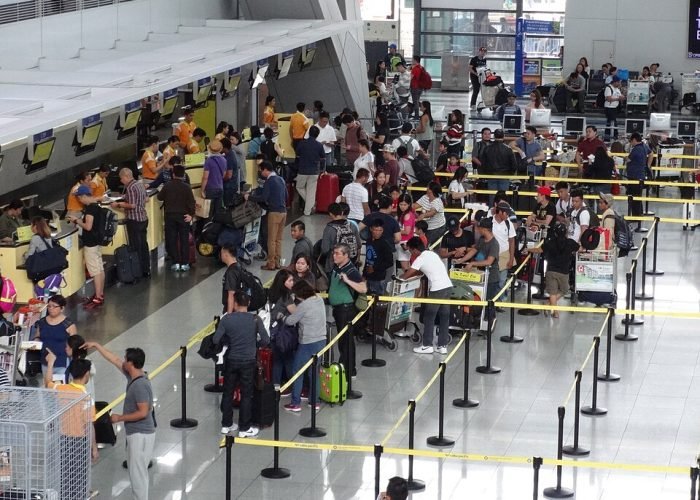
One of the most heartwarming developments at NAIA in 2026 is the dramatic expansion of facilities for Overseas Filipino Workers (OFWs)—the millions of Filipinos working abroad who contribute over ₱2.2 trillion annually in remittances.
In early December 2025, First Lady Louise “Liza” Araneta-Marcos and NNIC President Ramon Ang inaugurated the expanded and improved OFW Lounge at Terminal 1. This upgraded facility represents NNIC’s commitment to honoring the contributions of Filipino workers abroad.
The Terminal 1 OFW Lounge now offers significantly larger space than the original 2024 version and operates 24/7 to accommodate all flight schedules regardless of departure times. OFWs enjoy complimentary food and beverages, comfortable resting areas that include dedicated sleeping quarters for those with long layovers, and convenient charging stations for electronic devices. Additional amenities include secure baggage storage rooms for peace of mind, free Wi-Fi connectivity to stay in touch with loved ones, clean and well-maintained restroom facilities, and television entertainment systems to pass the time before flights.
The Terminal 3 OFW Lounge, which opened in July 2024, continues to serve thousands of workers monthly. According to official reports, NAIA has accommodated over 706,000 OFWs across both lounges since the first lounge’s opening.
Access to the OFW Lounges requires valid OFW documentation such as an Overseas Employment Certificate, a Philippine passport, and a boarding pass for your departing flight. The best part? Admission is completely free regardless of your ticket class, whether you’re traveling in economy or business class—all OFWs receive equal access to these facilities as a token of gratitude for their service to the nation.
The Department of Migrant Workers (DMW) has announced plans to expand OFW lounge facilities to other major Philippine airports in the coming years, including Clark International Airport in Pampanga, Mactan-Cebu International Airport, and Davao International Airport, ensuring that OFWs departing from regional hubs will enjoy similar comforts.
For travelers interested in understanding more about Filipino culture and the importance of OFWs to the nation, read about Filipino hospitality and local customs.
One of the most anticipated developments at NAIA is the construction of the new Terminal 4, located on the former international cargo terminal site between Terminals 1 and 2. The project represents a crucial expansion of the airport’s domestic capacity.
According to reports from late 2025, the new Terminal 4 was initially targeted for completion in mid-2026. However, as of February 2026, construction timelines remain subject to updates from NNIC management. The facility is being built to eventually house domestic operations and trigger a strategic reorganization of airline assignments across NAIA’s terminal network.
The new facility will be a basic, functional terminal designed primarily for efficient domestic operations. Unlike the more elaborate Terminal 3, the new Terminal 4 will have no aerobridges, meaning passengers will use stairs and walk directly to aircraft in a more traditional boarding style. The terminal will feature approximately 6 gates with ramp-style boarding similar to budget airport standards found elsewhere in Southeast Asia. Despite the simpler approach, the facility will not compromise on essentials, incorporating focus on efficiency and quick turnaround times along with modern security and baggage handling systems that meet contemporary safety standards.
Once operational, Terminal 4 is expected to house AirAsia Philippines domestic flights, which currently operate from Terminal 2, along with selected low-cost carrier domestic operations and potentially other budget airlines as traffic continues to grow.
The opening will trigger a terminal reshuffle across NAIA with a clear organizational logic: Terminals 1 and 3 will handle international flights, with Terminal 1 focusing on budget carriers and Terminal 3 serving full-service airlines, while Terminals 2, 4, and 5 will be dedicated to domestic flights, creating a more intuitive system for passengers.
Looking beyond 2026, NNIC has begun demolishing the former Philippine Village Hotel to make way for Terminal 5, an even larger domestic terminal expected to accommodate an additional 35 million passengers annually. Terminal 5 is projected for completion by 2029.
For travelers planning domestic trips to destinations like Baguio City, Sagada, or Cebu, these terminal expansions will significantly improve the departure experience.
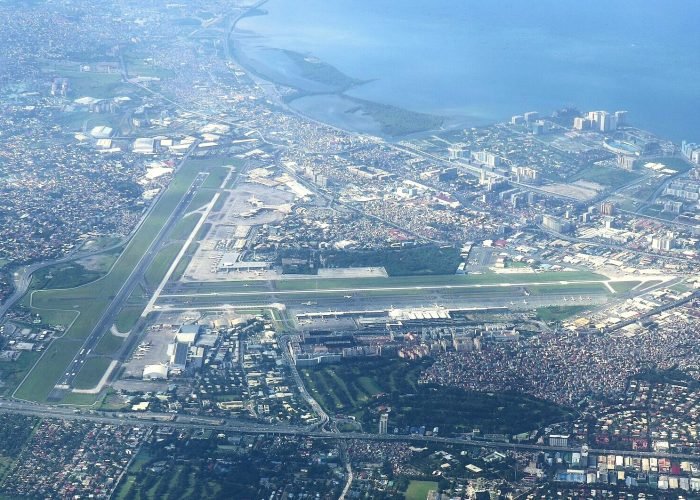
A new 200-square-meter Dignitaries Lounge opened at Terminal 3, capable of accommodating up to 61 distinguished guests. This facility reflects Filipino hospitality while supporting NAIA’s role as the country’s primary international gateway for official state visits and diplomatic travel.
Beyond the main food halls, Terminal 3 now features a vibrant Food Village located airside (after security), providing additional dining options for passengers waiting at gates. This addresses the previous lack of food choices in departure areas.
NNIC has invested heavily in behind-the-scenes improvements that passengers may not immediately see but definitely feel through improved operations. These include advanced X-ray screening units for faster and more accurate security checks, upgraded baggage handling systems that reduce lost luggage incidents, comprehensive runway and taxiway rehabilitation ensuring safer aircraft operations, enhanced airfield lighting for reliable night operations, increased aircraft parking capacity to reduce delays, new electric substations providing more reliable power throughout the complex, and improved sewage treatment facilities supporting better environmental standards.
The notorious traffic congestion around NAIA remains a challenge that even the best management cannot entirely solve, but notable improvements have been implemented. These include reconfigured departure drop-off areas at Terminals 1 and 2 that improve traffic flow, enhanced security bollard systems installed following a 2025 security incident, better signage throughout the airport complex directing passengers to ground transportation options, and expansion of UBE Express bus routes providing more direct connections to key Manila destinations.
For comprehensive guidance on getting to and from the airport, read our guide on navigating Manila’s public transport system.
For tourists arriving in the Philippines to explore beaches, diving spots, or cultural festivals, the NAIA improvements translate into tangible benefits. Faster immigration processing gets you to your destination quicker, while better dining options allow you to try authentic Filipino food immediately upon arrival. Improved comfort during layovers makes connecting to domestic flights more pleasant, and more reliable operations with fewer delays mean your carefully planned itinerary is less likely to be disrupted. Enhanced safety and security throughout the airport provide peace of mind from the moment you land.
Make sure to arrange your Philippines SIM card and mobile data early, as you’ll need internet connectivity to access the Grab app and other essential services.
For Filipinos traveling between provinces or planning month-by-month destinations, the upgrades offer expanded domestic terminal capacity that significantly reduces congestion in waiting areas. Better organization as terminals become specialized by function means less confusion about where to go, while enhanced food and beverage options provide more choices for pre-flight meals. Improved seating and waiting areas make the experience more comfortable, and more efficient ground transportation connections help you reach the airport or your final destination more smoothly.
Corporate visitors and those attending conferences in Metro Manila benefit from dramatically reduced immigration time that can make the difference between making or missing an important meeting. Professional lounges and work-friendly spaces throughout the terminals provide places to prepare for presentations or catch up on emails, while reliable operations minimize the risk of missed meetings due to flight delays. Better connectivity with improved Wi-Fi keeps business travelers productive, and quality dining options provide appropriate venues for business meals or quick working lunches between flights.
International Arrivals: If you hold a Philippine passport, proceed directly to the biometric e-gates for the fastest processing experience—just scan your passport and look at the camera. Foreign nationals should use the traditional immigration counters for now, though this may change later in 2026. After clearing immigration, collect your baggage and proceed through customs inspection. Once you exit, you’ll find yourself in the improved arrivals extension with much clearer transportation signage. From there, you can book Grab or Angkas using the well-marked designated pickup areas.
Domestic Arrivals: The domestic arrival process is more straightforward—simply collect your baggage and exit directly to ground transportation. Keep in mind that terminal assignments may change as Terminal 4 opens mid-2026, so it’s worth double-checking which terminal your airline uses if you’re traveling later in the year.
Arrival Time Recommendations: Despite the faster immigration processing, it’s still wise to arrive 3 hours before departure for international flights to account for check-in, security screening, and any unexpected delays. For domestic flights, arriving 2 hours before departure provides adequate time to check in, clear security, and reach your gate comfortably.
Terminal Check: Verify your terminal assignment, as airlines may relocate when Terminal 4 opens. Your terminal is shown on your booking confirmation, but double-check the airline website or call them directly.
Currency and Payments: Even with improved facilities, having Philippine pesos is essential. Read our Philippines currency exchange guide for the best rates and money management tips.
If you need to transfer between terminals, take advantage of the free airside shuttle bus that operates every 15 minutes on a 24/7 schedule. Even with the faster e-gates, you should still allow at least 3 hours for self-connecting flights between terminals to account for baggage collection, the shuttle bus journey, and re-checking in at your next terminal. While the e-gates make immigration faster, internal transfers still require adequate time to navigate safely. The Philippine Airlines shuttle provides a convenient alternative for PAL passengers traveling between Terminals 2 and 3.
The NNIC’s 15-year concession agreement (extendable to 25 years) ensures that the improvements seen in 2026 are just the beginning of a long-term transformation. Over the coming years, passengers can expect capacity expansion that will grow the airport’s annual throughput from 35 million to 62 million passengers. Air traffic movements will increase from the current 40-42 aircraft per hour to a more robust 48 per hour, reducing delays and improving on-time performance.
Infrastructure integration will reach new heights with a direct connection to the planned Metro Manila Subway, making airport access far easier for residents and visitors alike. Additional boarding bridges will be installed to reduce the need for bus transfers to aircraft, while enhanced retail and dining options will continue expanding throughout the terminals. Perhaps most exciting for tech-savvy travelers, Collins Aerospace biometric systems will eventually allow passengers to use facial recognition as their boarding passes, eliminating the need for paper documents entirely.
In a historic achievement, NAIA recently earned its first-ever Airport Customer Experience Accreditation from the Airports Council International—a milestone demonstrating that the transformation efforts are achieving measurable results.
The Philippines will host ASEAN summit meetings in 2026, and NAIA is preparing special diplomatic and business lounges to accommodate the increased international dignitary traffic. These improvements will benefit all travelers through enhanced facilities and services.
While NAIA undergoes modernization, construction continues on the New Manila International Airport in Bulacan (also by San Miguel Corporation), scheduled to open in 2029. Rather than replacing NAIA, the new airport will complement it, with NAIA remaining the primary gateway for the foreseeable future.
While the airport itself has improved dramatically, getting to and from NAIA remains challenging due to Metro Manila’s notorious traffic. Plan extra time for your journey, especially during rush hours (7-10 AM and 5-8 PM).
Consider reading our guide on provincial bus travel if you’re continuing to destinations beyond Metro Manila.
With Terminal 4 under construction and Terminal 5 planning underway, expect some temporary disruptions, detours, and construction zones. Signage has improved, but first-time travelers should allow extra time for navigation.
Even with improvements, NAIA’s four (soon to be five) separate terminals remain a challenge. Unlike modern single-terminal airports, transferring between NAIA terminals requires exiting one building and traveling to another—a time-consuming process.
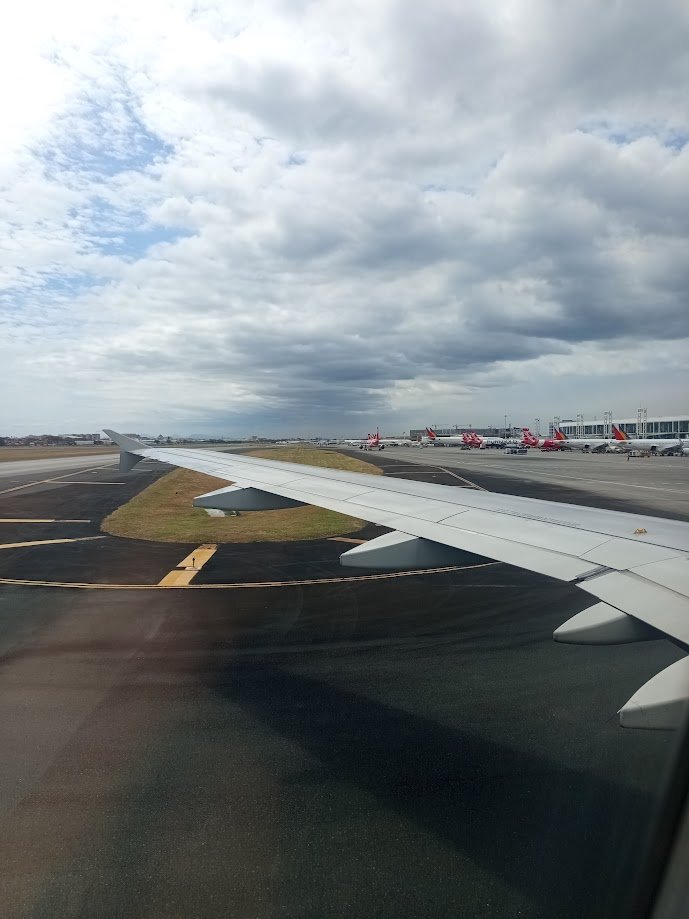
The NAIA 2026 updates represent a genuine transformation of the Philippines’ main international gateway. From 20-second immigration using biometric e-gates to expanded dining with authentic Filipino cuisine, from dedicated OFW lounges to the upcoming Terminal 4, the changes are comprehensive and meaningful.
Before your trip, review our complete Philippines travel guide for comprehensive planning tips, and don’t forget to check what items you can bring to the Philippines to ensure smooth customs clearance.
The NAIA you’ll experience in 2026 is not the same airport that travelers complained about just two years ago. It’s a transformation facility—still imperfect, but improving rapidly and genuinely committed to providing better service. Welcome to the new gateway to the Philippines.


Philippines Travel Guide seeks to share the vibe of an authentic experience through our idea of adventure travel for explorers and memory seekers in the Philippines.


Subscribe our newsletter for more update & news !!
Copyright © 2024. All rights reserved by Philippines Travel Guide.