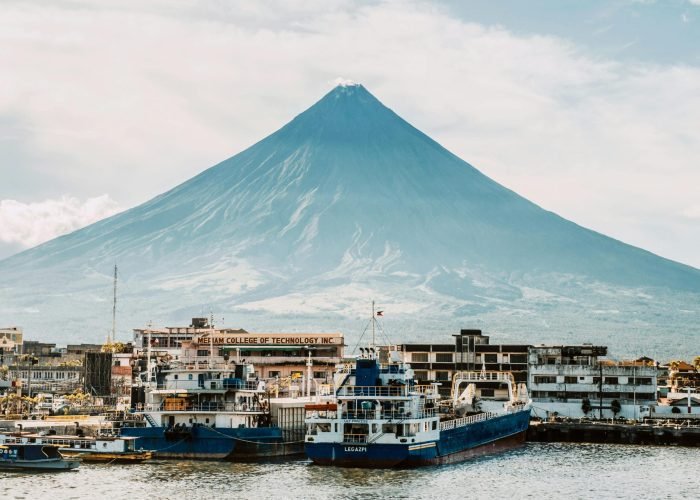
Island hopping through the Philippines is one of the most rewarding experiences for travelers, and ferries are the lifeline connecting this archipelago of over 7,000 islands. Whether you’re planning to visit pristine beaches, explore remote villages, or simply experience authentic Filipino culture, understanding the ferry system is essential for smooth inter-island travel.
Table of Contents
Understanding the Philippine Ferry Network
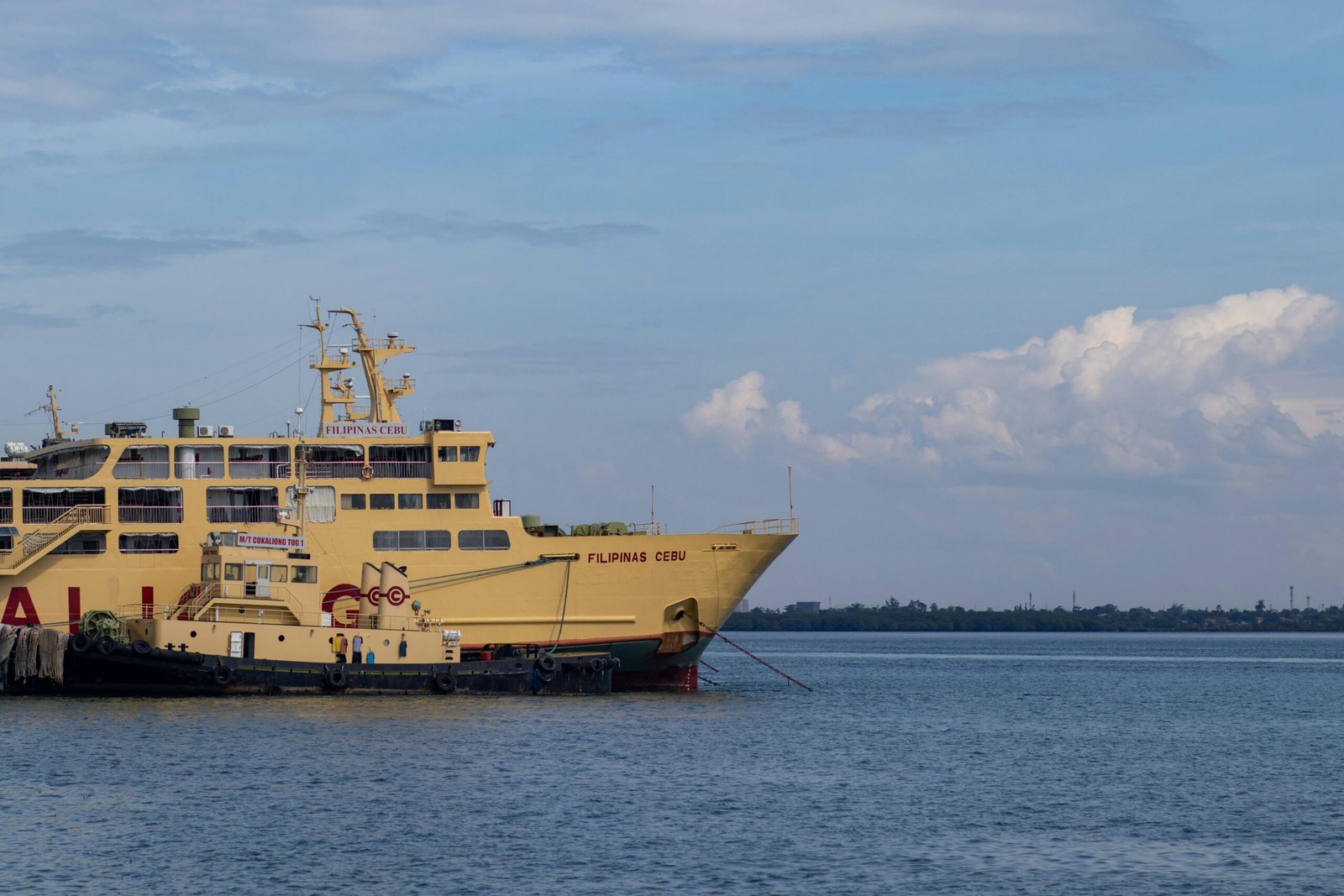
The Philippines has an extensive network of ferry routes operated by various shipping companies, ranging from small bangka boats to large RORO (Roll-On, Roll-Off) vessels. The geography of the Philippines makes sea travel not just convenient but often necessary, as flying between all islands isn’t always practical or cost-effective.
The ferry system connects major destinations such as Manila, Cebu, and Davao to smaller islands, including Palawan, Bohol, and the Visayas. Understanding which routes are available and which ferry companies service them is crucial for planning your itinerary.
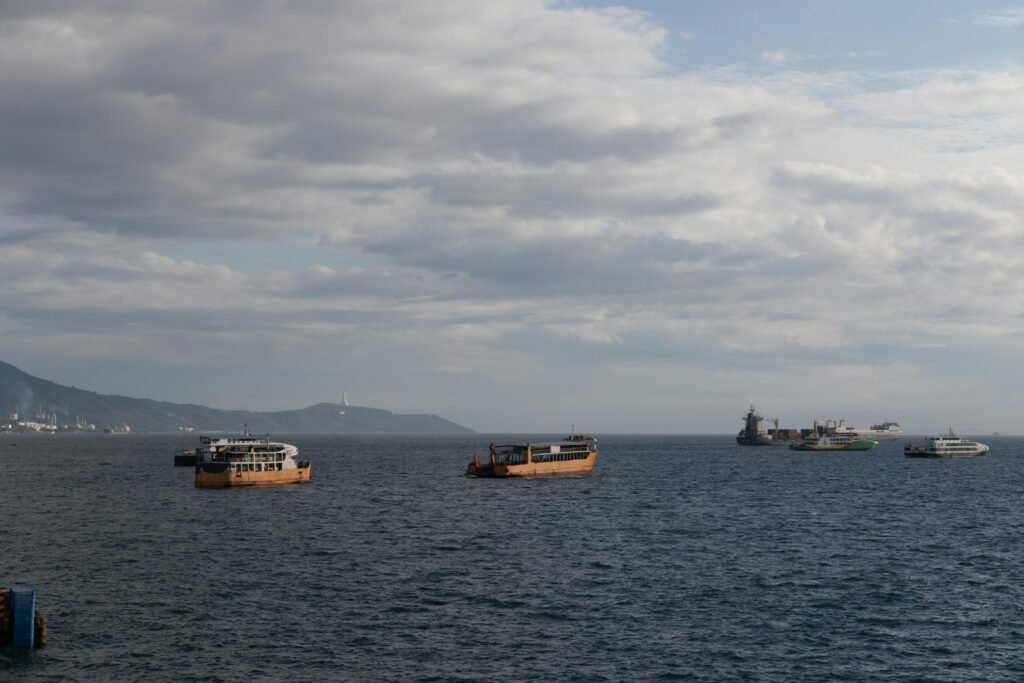
Major Ferry Operators in the Philippines
2GO Travel
2GO Travel is the largest ferry operator in the Philippines, offering comprehensive routes throughout the archipelago. Their modern vessels provide various accommodation classes, from economy to deluxe cabins with air conditioning and private facilities. As of January 2026, they operate 9 vessels and service major routes including Manila to Cebu (approximately 24 hours), Manila to Cagayan de Oro (approximately 39 hours), and Manila to Iloilo.
OceanJet
OceanJet, established in 1995, provides fast ferry services primarily in the Visayas region with 17 different vessels. Their high-speed catamarans connect Cebu to Bohol (Tagbilaran) in 2 hours, Cebu to Siquijor (via Tagbilaran, 4 hours 20 minutes), Dumaguete to Siquijor in 40 minutes, and Bacolod to Iloilo in 1 hour. While slightly more expensive than traditional ferries, OceanJet significantly reduces travel time.
SuperCat Fast Ferry
SuperCat, owned by Chelsea Logistics & Infrastructure Holdings Corp., specializes in fast ferry services throughout the Visayas. They operate high-speed catamarans on routes including Cebu to Ormoc (3 hours), Cebu to Tagbilaran (2 hours), Batangas to Calapan (1 hour 10 minutes), and Bacolod to Iloilo (1 hour).
Montenegro Shipping Lines
Montenegro Shipping Lines, serving passengers since 1978, operates both RORO vessels and fast ferries throughout the Visayas and Mindanao regions with 85 operating vessels and 69 destinations. They’re particularly popular for routes connecting Cebu to Negros and other Central Visayan islands. They also operate the Coron to El Nido route (approximately 4-5 hours) and various routes throughout Palawan, Batangas, Mindoro, Romblon, and Marinduque.
Smaller Regional Operators
Numerous smaller operators like Atienza Interisland Ferries, Island Water, Lite Ferries, and Starlite Ferries provide essential connections to remote islands and coastal communities. While less luxurious, these ferries offer authentic experiences and access to off-the-beaten-path destinations that larger vessels don’t service.
Popular Ferry Routes
Manila to Visayas and Mindanao
From Manila’s port terminals at North Harbor Pier 4 and Batangas International Port, you can reach major destinations throughout the central and southern Philippines:
- Manila to Cebu: This route takes approximately 24 hours and is served primarily by 2GO Travel. The overnight journey is convenient for maximizing your time at your destination during the day.
- Manila to Cagayan de Oro: A longer journey of about 39 hours that passes through the Visayan Sea.
- Manila to Iloilo: This route takes around 18-24 hours and connects the capital to Panay Island.
- Manila to Puerto Princesa: Operates twice weekly (Tuesday and Friday) and takes approximately 30 hours.
Cebu Hub Routes
Cebu City serves as a major ferry hub in the Visayas:
- Cebu to Bohol (Tagbilaran): Fast ferries complete this journey in 2 hours with OceanJet and SuperCat, while traditional ferries take 4-5 hours.
- Cebu to Dumaguete (Negros): A short 3-4 hour trip connecting two popular tourist destinations.
- Cebu to Ormoc (Leyte): This route takes approximately 3 hours via SuperCat and connects to Leyte‘s historical sites.
- Cebu to Siquijor: OceanJet operates daily trips via Tagbilaran, taking approximately 4 hours 20 minutes.
Island-Hopping Routes in Palawan
For those exploring Palawan:
- El Nido to Coron: Several ferry services operate this scenic route, taking 4-5 hours. Operators include Atienza Interisland Ferries, Island Water, and Montenegro Lines.
- Puerto Princesa to Coron: 2GO Travel operates a weekly service (Sunday departures) that takes approximately 13 hours.
- Puerto Princesa to El Nido: While buses are more common, bangka boats offer a more adventurous alternative.
Panay Island Connections
- Iloilo to Guimaras Island: A quick 15-minute ferry ride to the mango capital of the Philippines.
- Iloilo to Gigantes Island: This requires a combination of bus and boat, but the stunning islands make it worthwhile.
- Bacolod to Iloilo: Multiple operators, including OceanJet (1 hour), SuperCat (1 hour), and Montenegro Lines (1 hour 30 minutes).
Northern Visayas Routes
- Cebu to Bantayan Island: Requires a bus to Hagnaya Port followed by a 1-hour ferry ride.
- Dumaguete to Siquijor Island: OceanJet offers daily trips taking 40 minutes, while Montenegro Lines offers both RORO (2 hours) and fastcraft (1 hour) options.
Types of Ferry Vessels
RORO (Roll-On, Roll-Off) Ferries
These large vessels accommodate both passengers and vehicles. Perfect for those traveling with motorcycles or planning extended road trips. RORO ferries typically have various accommodation classes:
- Economy Class: Basic seating in air-conditioned or non-air-conditioned areas
- Tourist Class: Reclining seats or bunks in shared cabins
- Cabin Class: Private or semi-private cabins with beds and sometimes private bathrooms
- Deluxe/Suite: Premium accommodations with amenities similar to hotel rooms
Fast Ferries (Catamarans)
High-speed vessels that prioritize speed over capacity. Ideal for shorter routes where time is more valuable than comfort or cost. These typically offer only seating, similar to airplane seating. Fast ferries have an average speed of 24 knots.
Bangka Boats
Traditional outrigger boats are used for shorter island-hopping trips and reaching destinations without formal ports. Common in areas like El Nido, the Hundred Islands, and other island destinations.
Booking Your Ferry Tickets
Online Booking
Most major ferry companies now offer online booking through their official websites:
- 2GO Travel: www.2go.com.ph
- OceanJet: www.oceanjet.net
- SuperCat: www.supercat.ph
Online booking is recommended, especially during peak seasons (December-May) and holidays. You can pay with a credit or debit card or via various e-wallets.
Booking at the Port
Walk-in ticket purchases are possible at all ferry terminals, though availability isn’t guaranteed, especially for longer routes or cabin accommodations. Arrive at least 2-3 hours before departure to secure tickets and complete check-in procedures.
Third-Party Booking Platforms
Websites like 12Go Asia, Klook, Bookaway, and GetYourGuide offer ferry bookings for popular tourist routes. While convenient, they may charge additional service fees.
Travel Agencies
Local travel agencies can arrange ferry bookings as part of tour packages, particularly useful when combining ferry travel with accommodations and activities.
What to Expect: The Ferry Experience
Check-In Process
- Arrive 2-3 hours before departure for longer routes (1 hour for short routes)
- Present a valid government-issued ID (passport for foreign travelers)
- Baggage will be screened and weighed
- Receive boarding pass and baggage claim tags
- Note your departure gate and boarding time
Boarding
Boarding typically begins 30-60 minutes before departure. Passengers with cabin accommodations usually board first, followed by tourist class and economy passengers. Keep your boarding pass and ID accessible.
Onboard Facilities
Larger ferries typically offer:
- Restaurants and cafeterias: Serving Filipino meals and snacks
- Shops: Selling toiletries, snacks, and souvenirs
- Entertainment: Movie screenings, karaoke, or live music on some vessels
- Deck areas: Outdoor spaces for fresh air and scenery viewing
- Prayer rooms: Reflecting the religious culture of the Philippines
- Wi-Fi: Available on select modern vessels (often unreliable)
- Charging stations: For all passenger classes
Comfort Tips
- Bring a jacket or sweater; air-conditioning can be strong
- Pack seasickness medication if you’re prone to motion sickness
- Bring entertainment (books, downloaded movies, music)
- Stay hydrated, but be aware that bathroom facilities vary
- Keep valuables secure and with you at all times
Cost of Ferry Travel
Ferry prices vary significantly based on:
- Distance: Longer routes naturally cost more
- Vessel type: Fast ferries charge premium prices
- Accommodation class: Cabins cost significantly more than economy seating
- Booking time: Last-minute bookings may have limited options
- Season: Peak season prices can be 20-30% higher
Sample Price Ranges (Economy Class)
- Short routes (1-3 hours): ₱200-600 (~$4-12 USD)
- Medium routes (4-8 hours): ₱500-1,200 (~$10-24 USD)
- Long routes (12+ hours): ₱1,000-3,500 (~$20-70 USD)
- Cabin accommodations: Add ₱1,500-5,000+ depending on class
Specific Route Prices (2026 rates):
- Manila to Cebu: ₱2,859-8,615
- Cebu to Tagbilaran (Bohol): ₱800-1,200
- Dumaguete to Siquijor: ₱350-580 (fastcraft)
- El Nido to Coron: ₱3,519-3,980
- Batangas to Calapan: ₱600-850
Before traveling, review our Philippines Currency Exchange Guide to understand the best ways to handle money during your trip.
Discounts: Senior citizens, students, children, and PWDs (Persons with Disabilities) typically receive 20% discounts on tickets purchased at the port (not always available for online bookings).
Safety Considerations
Weather Awareness
The Philippines experiences distinct weather patterns that significantly impact ferry operations. Understanding the weather in the Philippines is crucial for planning ferry travel.
Monsoon Seasons:
- Southwest Monsoon (Habagat): June to September
- Northeast Monsoon (Amihan): November to February
Typhoon Season: July to November is the peak typhoon season, with potential cancellations and delays.
Ferry operators closely monitor weather conditions and will cancel trips when conditions are unsafe. Always check weather forecasts and be prepared for schedule changes.
Vessel Safety
Choose reputable operators with good safety records. Look for:
- Modern, well-maintained vessels
- Visible safety equipment (life jackets, lifeboats)
- Clear emergency procedures and exits
- Licensed and experienced crew
- GPS tracking and backup generators
Travel Insurance
Comprehensive travel insurance covering ferry travel is highly recommended. Ensure your policy includes:
- Medical emergencies
- Trip cancellations and delays
- Lost or damaged baggage
- Emergency evacuation
Personal Safety
- Keep valuables secure and with you at all times
- Don’t leave bags unattended
- Be cautious in crowded terminals and boarding areas
- Watch your step, especially during night travel
- Supervise children closely near railings and stairs
Packing for Ferry Travel
Essential Items
- Valid government-issued ID or passport
- Printed or digital booking confirmation
- Cash (not all onboard facilities accept cards)
- Seasickness medication
- Light jacket or sweater
- Portable charger for devices
- Snacks and water (though food is available for purchase)
- Entertainment (books, downloaded content)
- Basic toiletries for longer journeys
Baggage Guidelines
Each ferry company has specific baggage allowances:
- Carry-on: Usually 7-10 kg
- Checked baggage: Typically 20-30 kg for economy class
- OceanJet: 10kg hand-carry for economy, 20kg for business class
- Oversized items: Bicycles, surfboards, and large equipment may incur extra fees
Secure fragile items well and consider travel insurance for valuable equipment.
Alternative Sea Transport Options
Bangka Boat Tours
For island hopping and coastal exploration, traditional bangka boats offer flexible, customizable experiences. Popular in destinations like:
These tours are typically arranged through hotels, tour operators, or directly with boat owners at beaches and ports.
Private Boat Charters
For groups or those seeking privacy, private boat charters offer flexibility in routes and schedules. Costs vary based on:
- Boat size and type
- Trip duration
- Distance traveled
- Fuel prices
- Additional services (guide, meals, equipment)
Combining Ferry Travel with Other Transport
Ferry travel often requires coordination with other modes of transportation to complete your journey. Many destinations require a combination of ferry, bus, tricycle, or other local transport.
For example, reaching Bantayan Island from Cebu City involves:
- Bus from Cebu City to Hagnaya Port (3-4 hours)
- Ferry from Hagnaya to Santa Fe, Bantayan (1 hour)
- Tricycle to your resort or accommodation
Understanding transport options in Metro Manila is also helpful, as many ferry journeys begin or end in the capital region.
Planning Your Ferry-Based Itinerary
Best Time to Travel
Dry Season (November to May)
- Most reliable ferry schedules
- Calmer seas and fewer cancellations
- Peak tourist season means higher prices, and advance booking is recommended
- Best for island hopping in the Visayas and Palawan
Wet Season (June to October)
- Lower prices and fewer tourists
- Higher risk of cancellations
- Some routes may operate on reduced schedules
- Still possible to travel, but requires flexibility
Check our guide on the best Philippines destinations to visit each month in 2026 for month-by-month recommendations.
Sample Multi-Island Itineraries
2-Week Visayas Island Hopping:
- Fly to Cebu
- Ferry to Bohol (explore Chocolate Hills, tarsiers)
- Ferry to Siquijor (beaches, waterfalls, mystical sites)
- Ferry to Dumaguete
- Ferry to Negros Island
- Return ferry to Cebu
10-Day Palawan Adventure:
- Fly to Puerto Princesa
- Underground River tour
- Van to El Nido (5-6 hours)
- Island hopping tours
- Ferry to Coron
- Wreck diving and island tours
- Fly back from Busuanga
Cultural Considerations
Understanding Filipino culture enhances your ferry travel experience. The Philippines has a strong tradition of hospitality and community, reflected even in travel situations.
Filipino Time
Be aware that schedules may not always be strictly adhered to. While major operators are generally punctual, delays can occur, especially on smaller, regional routes. Build buffer time into your itinerary.
Language
While English is widely spoken, learning some essential Filipino phrases will enhance your experience and help in situations where English proficiency is limited.
Useful ferry-related phrases:
- “Saan ang pier?” (Where is the pier?)
- “Anong oras ang alis?” (What time is the departure?)
- “Magkano ang pamasahe?” (How much is the fare?)
- “May ticket pa ba?” (Are there still tickets available?)
Social Etiquette
- Filipinos are generally friendly and helpful; don’t hesitate to ask for assistance
- Respect personal space, but expect closer quarters than Western standards
- Tipping isn’t mandatory, but is appreciated for porter services
- Be patient and maintain a friendly demeanor, even during delays
Staying Connected During Ferry Travel
Mobile Coverage
Mobile signal varies significantly depending on your route. Coastal routes generally maintain signal, while open-sea crossings may have spotty or no coverage.
Before embarking on your island adventures, refer to our Philippines SIM Cards and Mobile Data Guide to ensure you have the best connectivity options for your journey.
Wi-Fi Availability
Some modern ferries on popular routes offer Wi-Fi, though it’s often unreliable or limited. Don’t depend on connectivity for important communications during your journey. OceanJet offers Wi-Fi on most vessels, while 2GO Travel provides Wi-Fi on select vessels.
Legal and Documentation Requirements
For Filipino Citizens
- Valid government-issued ID (driver’s license, passport, PhilHealth, SSS, UMID)
- Birth certificates for minors traveling without parents may be required
For Foreign Tourists
- Valid passport
- Visa (if required based on nationality)
- Immigration documents proving legal stay in the Philippines
Special Permits
Certain destinations require special permits or documentation:
- Environmental fees for some protected areas
- Permits for specific islands or conservation areas
- Always check the requirements for your specific destination
Review the guidelines on bringing regulated items to the Philippines to understand what you can bring on your journey.
Pet Travel
Pets are permitted on most ferries with proper documentation:
- Quarantine certificate from the Bureau of Quarantine
- Veterinary health certificate
- Vaccination records
- Pets must be securely caged on most vessels
- 2GO Travel offers unaccompanied pet transport with onboard handlers
- Montenegro Lines allows pets on RORO ferries with leash and muzzle requirements for dogs
Troubleshooting Common Ferry Travel Issues
Cancelled or Delayed Ferries
What to Do:
- Ask ferry staff about rebooking options on the next available sailing
- Inquire about refund policies
- Check if alternative routes or operators are available
- Consider budget for emergency accommodation if stranded overnight
- Check the ferry company’s Travel Advisories page for updates
Lost Baggage
- Report immediately to the baggage claim desk
- Provide your baggage claim tag number
- Get a written report for insurance purposes
- Exchange contact information with ferry staff for follow-up
Motion Sickness
Prevention:
- Take medication 30-60 minutes before departure
- Choose cabins in the middle of the vessel where motion is less pronounced
- Stay on deck with fresh air when possible
- Focus on the horizon rather than reading or screens
- Avoid heavy meals before and during travel
- Consider choosing RORO ferries over catamarans for rougher seas
Accommodation Issues
If your booked cabin isn’t available or suitable:
- Speak to the purser or the customer service desk immediately
- Request a cabin upgrade or alternative accommodation
- Document the issue for potential refund or compensation
Environmental Responsibility
As you explore the Philippines’ beautiful islands, practice responsible tourism:
Sustainable Travel Practices
- Dispose of trash properly; never throw anything overboard
- Use reusable water bottles when possible
- Respect marine protected areas and follow posted guidelines
- Support eco-friendly ferry operators when available
- Minimize plastic use throughout your journey
Marine Conservation Awareness
The Philippines has incredible marine biodiversity. Many ferry routes pass through protected waters and marine sanctuaries. Be mindful of:
- No feeding or disturbing marine life
- Participating in beach cleanups at your destinations
- Supporting local conservation efforts
- Choosing operators committed to environmental protection
Ferry Travel vs. Flying
When to Choose Ferries
Advantages:
- More affordable, especially for groups or families
- Can transport vehicles, motorcycles, and large baggage
- Unique cultural experience
- Scenic ocean views
- More flexible baggage allowances
- Access to islands without airports
Best For:
- Budget-conscious travelers
- Those with flexible schedules
- Adventurers seeking authentic experiences
- Traveling with vehicles or significant equipment
- Destinations without air service
When to Choose Flights
Advantages:
- Significantly faster
- More reliable schedules
- Less affected by weather (though cancellations still occur)
- More comfortable for those prone to seasickness
Best For:
- Limited-time itineraries
- Long-distance travel (Manila to Mindanao)
- Business travelers
- Those uncomfortable with sea travel
For comprehensive travel planning, consult our main Philippines Travel Guide, which covers all transportation options.
Conclusion
Ferry travel in the Philippines offers an authentic, affordable, and adventurous way to explore the archipelago’s thousands of islands. While it requires more planning and flexibility than flying, the journey itself becomes part of your Philippine adventure. From the comfort of modern RORO vessels to the rustic charm of bangka boats, sea travel connects you with local culture, stunning seascapes, and the warm hospitality Filipinos are famous for.
Whether you’re planning to visit the most popular destinations in the Philippines or venture to remote islands off the beaten path, understanding the ferry system empowers you to create the perfect island-hopping adventure.
With proper planning, realistic expectations, and a spirit of adventure, ferry travel will reward you with unforgettable experiences and stories that luxury resorts and short flights simply cannot provide. The rhythm of island life begins not when you arrive at your destination, but the moment you step aboard your ferry and cast off from shore.
Ready to start planning your Philippine island-hopping adventure? Explore our destination guides for Cebu, Palawan, and beyond to begin crafting your perfect itinerary.
Last updated: January 2026. Ferry schedules, routes, and prices are subject to change. Always verify current information with ferry operators before booking.