Palawan, often called the Philippines’ “last frontier,” is a breathtaking paradise of limestone cliffs, pristine beaches, and crystal-clear lagoons. But choosing the right time to visit can make the difference between an unforgettable adventure and a rain-soaked disappointment.
Understanding Palawan’s weather patterns helps you plan the perfect trip, whether you’re exploring El Nido’s stunning lagoons, diving in Coron’s shipwrecks, or relaxing on the beaches of Port Barton.
Palawan experiences a tropical climate with two distinct seasons: the dry season and the wet season. Unlike other parts of the Philippines, Palawan’s weather can vary significantly between its different regions. El Nido and Coron in the north tend to be drier from November to May, while Puerto Princesa in central Palawan enjoys relatively good weather year-round.
The dry season typically runs from November to May, bringing sunny skies, calm seas, and ideal conditions for island hopping and water activities. The wet season spans June to October, characterized by frequent rainfall, occasional typhoons, and rougher sea conditions. However, even during the wet season, Palawan often experiences beautiful sunny mornings followed by afternoon showers.
Temperature-wise, Palawan remains fairly consistent throughout the year, with average temperatures ranging from 77°F to 88°F (25°C to 31°C). Humidity levels are high year-round, typically hovering between 78% and 85%. For more details about Philippine weather patterns, check out our Weather in the Philippines guide.
Temperature: 77-86°F (25-30°C)
Rainfall: Low (2-3 inches / 50-75mm)
Sea Conditions: Calm and clear
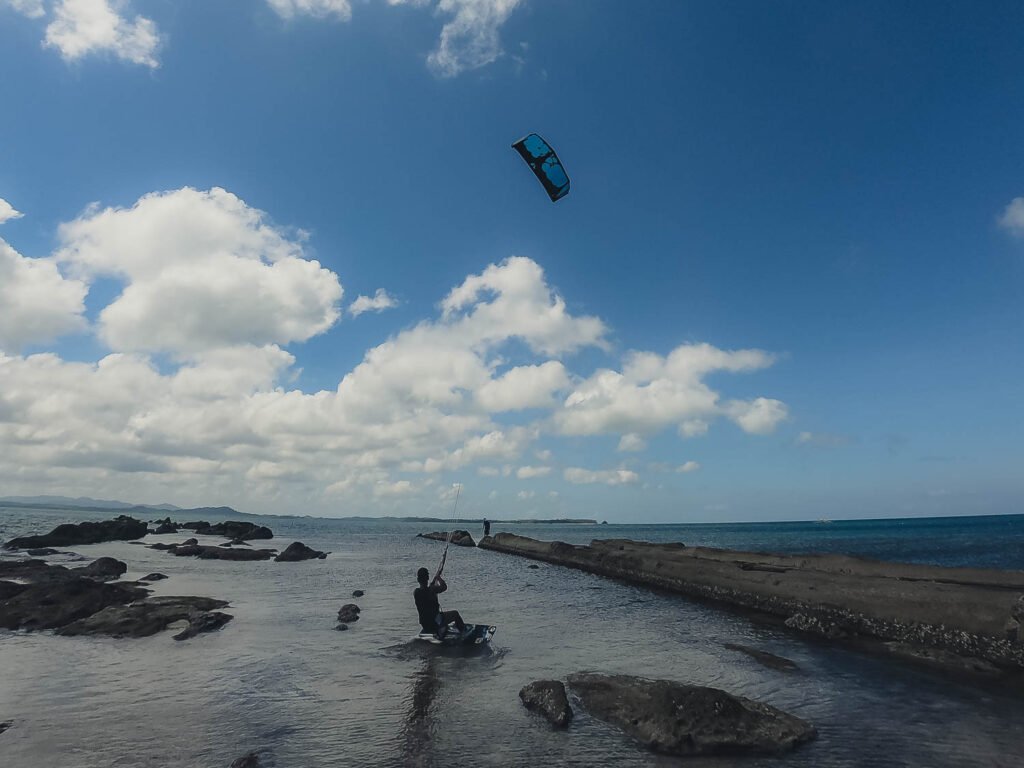
January is one of the best months to visit Palawan. The weather is consistently sunny with minimal rainfall, making it perfect for island hopping, diving, and beach activities. Seas are calm, offering excellent visibility for snorkeling and diving. This is peak tourist season, so expect higher prices and crowded attractions, especially in El Nido and Coron. Learn more about what to expect in our January in the Philippines guide.
Best for: Island hopping, diving, snorkeling, beach activities
Temperature: 77-88°F (25-31°C)
Rainfall: Very low (1-2 inches / 25-50mm)
Sea Conditions: Excellent
February maintains January’s excellent conditions with even less rainfall. The driest month in Palawan, February, offers virtually guaranteed sunshine and calm seas. Water clarity is at its best, making it ideal for underwater photography and marine exploration. Crowds remain high as this is still peak season.
Best for: Photography, diving, water sports, outdoor adventures
Temperature: 79-90°F (26-32°C)
Rainfall: Low (2-3 inches / 50-75mm)
Sea Conditions: Calm
March brings hotter temperatures as summer approaches. While still part of the dry season, you’ll notice increased heat and humidity. The warm weather is perfect for beach activities, though you’ll want to apply plenty of sunscreen. Tourist numbers begin to taper slightly toward the end of the month.
Best for: Beach relaxation, kayaking, cultural tours
Temperature: 81-92°F (27-33°C)
Rainfall: Low to moderate (3-4 inches / 75-100mm)
Sea Conditions: Mostly calm
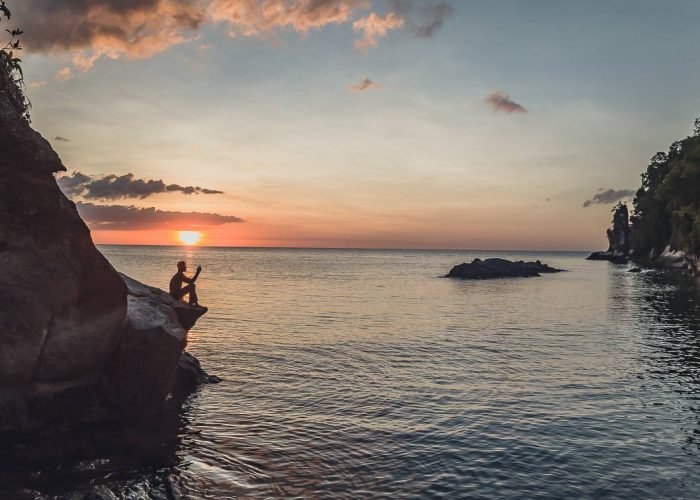
April is the hottest month in Palawan. Temperatures soar, and humidity intensifies, making midday activities challenging. Early morning and late afternoon are the best times for outdoor exploration. Occasional brief showers may appear, signaling the approaching wet season. Despite the heat, seas remain calm and clear.
Best for: Early morning activities, sunset cruises, cave exploration
Temperature: 80-91°F (27-33°C)
Rainfall: Moderate (4-6 inches / 100-150mm)
Sea Conditions: Generally calm with occasional roughness
May marks the transition from dry to wet season. You’ll experience more frequent rainfall, usually in the form of afternoon thunderstorms. Mornings often remain sunny, allowing for beach and water activities. This is a good time to visit if you prefer fewer crowds and lower prices while still enjoying decent weather.
Best for: Budget travel, morning island hopping, waterfalls
Temperature: 79-90°F (26-32°C)
Rainfall: High (8-12 inches / 200-300mm)
Sea Conditions: Increasingly rough
June officially marks the start of the wet season. Rainfall increases significantly, with heavy downpours becoming common. However, rain typically occurs in short bursts rather than all-day events. Seas can be choppy, and some island-hopping tours may be canceled due to weather. Prices drop considerably, and tourist crowds thin out.
Best for: Budget travelers, cultural experiences, indoor attractions
Temperature: 78-88°F (26-31°C)
Rainfall: Very high (12-16 inches / 300-400mm)
Sea Conditions: Rough
July is one of the wettest months in Palawan. Expect frequent heavy rainfall and overcast skies. Sea conditions can be dangerous, with many boat operators suspending island-hopping tours. However, the rain brings lush greenery and spectacular waterfalls. Accommodations offer their lowest rates, and you’ll have beaches almost to yourself. The typhoon season is active during this period, though Palawan is generally less affected than other Philippine regions.
Best for: Waterfall visits, jungle trekking, extreme budget travel
Temperature: 78-88°F (26-31°C)
Rainfall: Very high (12-15 inches / 300-380mm)
Sea Conditions: Rough and unpredictable
August maintains July’s rainy conditions with persistent downpours. Typhoon risk increases during this month, though Palawan is generally less affected than other Philippine regions. Many resorts and tour operators offer significant discounts. If you don’t mind unpredictable weather, you can find incredible deals.
Best for: Off-season bargains, cultural immersion, flexible itineraries
Temperature: 78-88°F (26-31°C)
Rainfall: Very high (10-13 inches / 250-330mm)
Sea Conditions: Often rough
September remains firmly in the wet season with heavy rainfall and potential tropical storms. While not the best time for beach activities, it’s excellent for experiencing local culture and exploring inland attractions. The landscape is incredibly green and vibrant. Some remote areas may become inaccessible due to flooding.
Best for: Cultural tours, cooking classes, spa experiences

Temperature: 78-88°F (26-31°C)
Rainfall: High but decreasing (8-11 inches / 200-280mm)
Sea Conditions: Improving
October sees the wet season gradually ending. Rainfall decreases, and sunny days become more frequent. Seas begin to calm, making water activities more reliable. This is an excellent shoulder season for visiting—you’ll enjoy better weather than the previous months with continued low prices and minimal crowds.
Best for: Shoulder season travel, diving (improving conditions), photography
Temperature: 78-87°F (26-31°C)
Rainfall: Moderate (4-6 inches / 100-150mm)
Sea Conditions: Calm and improving
November marks the return of the dry season. The weather improves dramatically with less rainfall and more sunshine. Seas calm down, and visibility improves for diving and snorkeling. This is an excellent time to visit before peak season prices kick in. The landscape remains lush from recent rains while sunny days dominate.
Best for: Early dry season travel, diving, value-conscious travelers
Temperature: 77-86°F (25-30°C)
Rainfall: Low (3-4 inches / 75-100mm)
Sea Conditions: Calm
December brings excellent weather with sunny skies and calm seas. The holiday season attracts more tourists, especially during Christmas and New Year’s. Prices increase during holiday weeks but remain reasonable otherwise. The weather is reliable for all outdoor activities, making it ideal for family vacations.
Best for: Family travel, holiday celebrations, guaranteed good weather

Best months: January, February, November, December
The dry season offers calm seas and sunny weather, perfect for exploring El Nido’s lagoons, Coron’s islands, and Port Barton’s beaches.
Best months: February, March, April, November
Water visibility peaks during these months, with calm conditions and clear waters ideal for exploring Palawan’s incredible marine life and shipwrecks. According to PADI, dry season conditions provide the best underwater visibility.
Best months: June, July, August, September
The wet season brings significant discounts on accommodations and tours. If you’re flexible with activities and don’t mind rain, you can save 40-60% on costs.
Best months: May, October, November
Shoulder season months offer improving weather without peak season crowds. You’ll enjoy better deals and more authentic experiences.
Best months: November, December, January, February
Dry season provides better access to wildlife areas and clearer skies for bird watching and turtle nesting observations.
El Nido experiences more pronounced dry and wet seasons. The best time to visit is from November to May, with February and March offering the most reliable weather. The wet season from June to October can significantly impact island-hopping tours. Explore our detailed El Nido adventure tours guide for more planning tips.
Similar to El Nido, Coron’s peak season is December to April. Diving conditions are excellent during these months, with calm seas and exceptional visibility for exploring famous shipwrecks.
Puerto Princesa enjoys more stable weather year-round due to its central location. While the dry season (December to May) is ideal, the wet season is less severe here than in northern Palawan. Check out the Wonders of Puerto Princesa for destination insights.
This quieter destination has a similar pattern to El Nido, with November to May being the best time to visit. The laid-back atmosphere makes it perfect for travelers seeking fewer crowds.
Dry Season (November-May):
Wet Season (June-October):
For a comprehensive packing guide, visit our Ultimate Philippines Packing List for Every Season.
Peak Season (December-February): Book accommodations and tours at least 2-3 months in advance. Prices are highest, but the weather is most reliable.
Shoulder Season (November, May): Book 1-2 months ahead for best selection. Offers a good balance of weather and value.
Wet Season (June-October): Last-minute bookings often available with significant discounts. Be prepared for potential cancellations and remain flexible.
Understanding Palawan’s cultural calendar can enhance your visit beyond just weather considerations.
February: Baragatan Festival in Puerto Princesa celebrates Palawan’s founding anniversary with street dancing and cultural performances.
June: Feast of St. John the Baptist in Coron features water-based celebrations and religious processions.
December: Christmas season brings beautiful decorations and festive atmosphere throughout Palawan, though accommodation prices peak during this time.
Regardless of when you visit Palawan, understanding the weather patterns helps you plan better. The dry season (November-May) offers the most reliable weather but comes with higher prices and crowds. The wet season (June-October) provides budget-friendly options and authentic experiences for flexible travelers who don’t mind occasional rain.
For most visitors, the sweet spot is late November through early February or late April through early May—periods that offer excellent weather, reasonable prices, and manageable tourist numbers. If your schedule is flexible, consider visiting during shoulder season months for the best overall experience.
Remember that weather patterns can vary year to year due to climate change and ENSO (El Niño-Southern Oscillation) effects. According to PAGASA, ENSO-neutral conditions are expected throughout 2026. Always check current forecasts closer to your travel dates and maintain flexibility in your plans.
Whether you’re exploring the Underground River, diving in Coron, or lounging in El Nido’s lagoons, Palawan’s natural beauty shines through in every season. For safety tips and emergency preparedness, consult our Philippines Emergency Contacts guide. Understanding Filipino hospitality and local customs will also enhance your experience as you interact with boat operators and local communities.
Plan wisely, pack appropriately, and prepare for an extraordinary adventure in one of the world’s most beautiful island destinations.


Philippines Travel Guide seeks to share the vibe of an authentic experience through our idea of adventure travel for explorers and memory seekers in the Philippines.


Subscribe our newsletter for more update & news !!
Copyright © 2024. All rights reserved by Philippines Travel Guide.