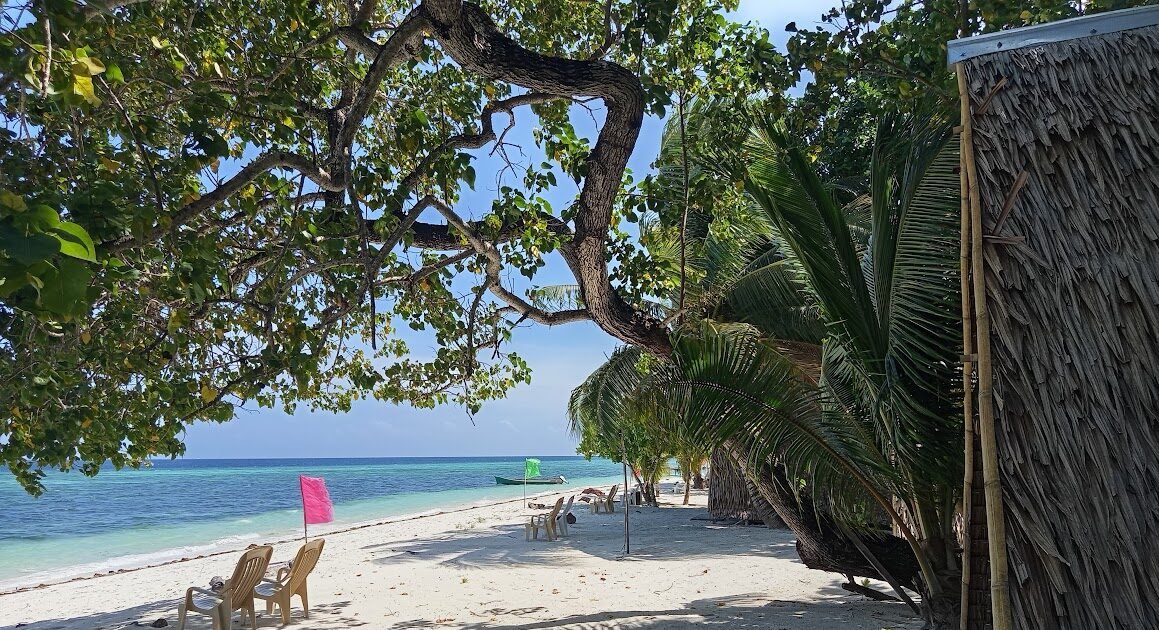
The Philippines is a diver’s paradise, boasting over 7,000 islands and some of the most biodiverse marine ecosystems on the planet. From vibrant coral gardens to haunting WWII shipwrecks and thrilling drift dives, the Philippine waters offer unforgettable underwater experiences for every skill level. Whether you’re taking your first breath underwater or you’re a seasoned tech diver, this guide will help you discover the best diving spots across the archipelago.
The Philippines sits in the heart of the Coral Triangle, the global center of marine biodiversity. These waters host more than 500 species of coral and 2,000 species of reef fish. From gentle whale sharks to tiny nudibranchs, the variety is staggering.
The diving conditions are favorable year-round in different regions, with water temperatures ranging from 77-86°F (25-30°C). Visibility typically ranges from 50-100 feet, though it can exceed 130 feet in some locations during peak season. The combination of warm waters, incredible biodiversity, affordable costs, and world-class dive operators makes the Philippines a must-visit destination for underwater enthusiasts.
For more information about the best times to visit different regions, check our Best Philippines Destinations to Visit Each Month in 2026 guide.

Beginner/Open Water Divers have completed basic certification (typically PADI Open Water or equivalent) and can dive to depths of 60 feet (18 meters) with a dive professional.
Intermediate/Advanced Divers hold Advanced Open Water certification or have logged 20+ dives. They can explore depths up to 100 feet (30 meters) and are comfortable with mild currents and deeper dives.
Advanced/Technical Divers possess specialty certifications or have 50+ logged dives. They can handle strong currents, penetrate wrecks, and dive beyond recreational limits.
Best for: Macro photography, beginners to advanced
Depth range: 15-130 feet (5-40 meters)
Best season: November to May
Anilao is the macro photography capital of the Philippines, located just 2-3 hours from Manila. The volcanic sand and rocky reefs host frogfish, blue-ring octopus, harlequin shrimp, and the elusive mimic octopus.
Shore diving is common, making it budget-friendly and accessible.
Top dive sites:
Best for: Wreck diving, all levels
Depth range: 20-100 feet (6-30 meters)
Best season: Year-round
Subic Bay’s bottom is littered with sunken vessels from its U.S. Naval Base era. The protected bay offers calm conditions year-round.
Notable wrecks:

Best for: Thresher shark diving, intermediate to advanced
Depth range: 60-100 feet (18-30 meters)
Best season: December to May
Malapascua is world-famous for thresher sharks. This island offers one of the only places on Earth where divers can reliably encounter these creatures at Monad Shoal.
Signature dives:
Best for: Sardine run, turtles, all levels
Depth range: 15-130 feet (5-40 meters)
Best season: Year-round
Moalboal offers world-class shore diving. The main attraction is the massive sardine bait ball—millions of sardines forming a constantly shifting ball.
Must-dive sites:
Green sea turtles are practically guaranteed, perfect for first-time divers wanting memorable encounters.
Best for: Marine sanctuary diving, all levels
Depth range: 15-100 feet (5-30 meters)
Best season: November to May
Apo Island is a marine protected area with some of the healthiest coral reefs in the country.
Top dive spots:
Best for: Wall diving, beginners to advanced
Depth range: 10-130+ feet (3-40+ meters)
Best season: November to May
Balicasag features spectacular wall diving with dramatic drop-offs decorated with enormous sea fans and black corals.
Popular sites:
Best for: Whale shark encounters, macro diving, all levels
Depth range: 15-100 feet (5-30 meters)
Best season: November to May (whale sharks: October-May)
Padre Burgos offers whale shark encounters where these giants appear naturally rather than through feeding.
Notable sites:
The encounters here are more ethical than feeding operations, as sharks appear naturally while feeding on plankton.
Best for: WWII wreck diving, intermediate to advanced
Depth range: 30-130+ feet (10-40+ meters)
Best season: November to May
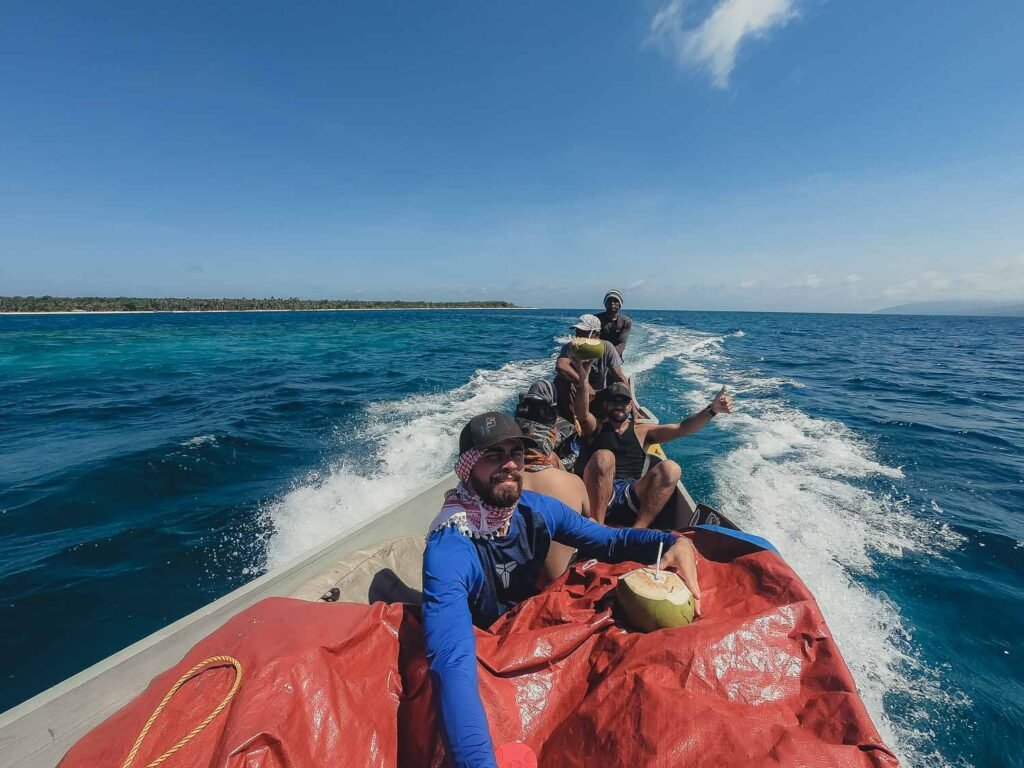
Coron is the wreck diving capital with numerous Japanese warships sunk in September 1944. These wrecks are now artificial reefs covered in corals.
Must-dive wrecks:
Beyond wrecks, Coron offers stunning Barracuda Lake and Twin Lagoon diving. For more about this region, see our El Nido and Puerto Princesa adventure guide.
Best for: Coral gardens, beginner to intermediate
Depth range: 20-80 feet (6-25 meters)
Best season: November to May
El Nido showcases healthy coral gardens with dramatic limestone karsts continuing underwater. Explore more about El Nido adventure tours.
Notable dive sites:
Best for: Liveaboard diving, advanced
Depth range: 30-130+ feet (10-40+ meters)
Best season: March to June (liveaboard season only)
Tubbataha is the crown jewel of Philippine diving, a UNESCO World Heritage Site. Accessible only by liveaboard, this offers some of the best diving worldwide.
What makes Tubbataha special:
Requirements:
This is a bucket-list diving destination that requires experience and planning but delivers unparalleled underwater experiences.

For comprehensive weather information, check our Weather in the Philippines guide.
November to May is the dry season, offering the best diving conditions. Calm seas, good visibility, and sunny weather make this peak season.
December to February brings cooler water (77-81°F), ideal for Malapascua and Anilao when thresher shark sightings peak.
March to May features the warmest waters (82-86°F) and excellent visibility. This is Tubbataha season when liveaboards operate.
June to October is the wet season, but Moalboal, Bohol, and southern destinations often have good conditions year-round with fewer divers and better rates.
The Philippines offers excellent value:
Dive packages offering multiple dives provide better per-dive rates.
Get proper dive insurance before your trip. DAN (Divers Alert Network) coverage is essential for emergencies. The Philippines has recompression chambers in Manila, Cebu, and Subic Bay. Always bring your certification card and logbook—operators require proof for advanced dives.
Consider Nitrox certification before visiting. It extends bottom time and reduces nitrogen loading, valuable for multi-dive days at sites like Moalboal or liveaboards. Choose reputable operators—look for PADI 5-star centers with excellent reviews and proper safety protocols.
Many sites feature strong currents that challenge even experienced divers. Follow your guide’s instructions and stay close to your buddy. If caught in an unexpected current, don’t fight it—signal and work together.
Maintain excellent buoyancy to protect delicate reefs. Never touch corals; if you’re rusty, take a refresher course.
Respect marine life by maintaining appropriate distances. Never touch the deadly blue-ring octopus found in Anilao. Always respect no-decompression limits and dive conservatively. Check your computer regularly and stay within limits.
Plan based on skill level—focus on beginner-friendly destinations like Moalboal or Anilao before attempting Tubbataha or deep Coron wrecks. Never dive within 18-24 hours before flying.
Combine multiple destinations—Cebu works well for Moalboal, Malapascua, and Bohol. Check our popular destinations guide for itineraries.
Consider specialty courses during your trip. Philippine shops offer affordable instruction in Wreck Diving, Deep Diving, Nitrox, and Underwater Photography—significantly cheaper than Western countries.
The Philippines’ Coral Triangle position guarantees extraordinary encounters on virtually every dive.
Whale sharks, the world’s largest fish, appear in Donsol (ethical encounters), Southern Leyte (seasonal), and Oslob. Thresher sharks with distinctive tail fins are reliably seen at Malapascua’s Monad Shoal during dawn dives at cleaning stations. Hammerhead sharks appear at Tubbataha during liveaboard season, traveling in unforgettable schools. Manta rays grace Tubbataha and Malapascua dives, while sea turtles are practically guaranteed everywhere—especially at Apo Island and Moalboal.
The Philippines is world-renowned for macro diving. Nudibranchs appear in hundreds of species and colors at Anilao’s muck diving sites. Frogfish camouflage perfectly in every color imaginable. Seahorses, including the tiny pygmy seahorse, cling to gorgonian fans. The deadly blue-ring octopus and incredible mimic octopus demonstrate nature’s creativity. Other treasures include mantis shrimp, harlequin shrimp, and ghostpipefish.
Philippine reefs showcase massive schools of jacks and barracuda swirling like tornadoes at Apo Island and Balicasag. Predatory lionfish and scorpionfish hide motionless. Colorful reef fish create underwater rainbows—snappers, groupers, anthias, clownfish in anemones, and countless surgeonfish and butterflyfish.
The Philippines faces environmental challenges—overfishing, coral bleaching, and plastic pollution. As divers, we must minimize impact and support conservation efforts.
Practice excellent buoyancy to prevent reef damage. Even gentle contact harms coral,s taking decades to grow. Never kneel on reefs or let fins contact the bottom. Never feed marine life—feeding alters behaviors and disrupts ecosystems. Observe respectfully without touching or chasing animals. Never ride turtles or handle creatures for photos.
Use reef-safe sunscreen with mineral-based ingredients like zinc oxide, or wear sun-protective clothing. Support marine protected areas—entrance fees fund conservation efforts, patrols, and programs protecting reefs like Apo Island and Tubbataha.
Minimize plastic consumption. Bring reusable bottles—resorts offer water refill stations. Refuse plastic straws and bags. Choose responsible operators who properly dispose of waste, limit diver numbers, educate about protection, and support local conservation.

From the macro wonderland of Anilao to the epic wrecks of Coron, from guaranteed thresher sharks in Malapascua to the pristine wilderness of Tubbataha, the Philippines offers diving experiences matching any skill level. The combination of world-class diving, affordable costs, warm waters, and Filipino hospitality creates an unbeatable destination.
Whether earning your first certification in Moalboal, exploring WWII wrecks in Coron, or fulfilling a bucket-list liveaboard to Tubbataha, the Philippines promises unforgettable underwater adventures. Start planning today—research destinations, book reputable operators, and prepare to explore spectacular underwater landscapes. The Philippine seas are calling!
For more resources, visit our Philippines Travel Guide and learn about Filipino hospitality and local customs to enhance your diving trip.
Meta Description: Discover the best diving spots in the Philippines for all levels! From beginner-friendly Moalboal to advanced Tubbataha, explore wrecks, whale sharks, thresher sharks & pristine reefs.


Philippines Travel Guide seeks to share the vibe of an authentic experience through our idea of adventure travel for explorers and memory seekers in the Philippines.


Subscribe our newsletter for more update & news !!
Copyright © 2024. All rights reserved by Philippines Travel Guide.