When you think of Filipino culture, what comes to mind?
It could be the world-renowned hospitality, the vibrant festivals, or the mouthwatering cuisine. But there’s something deeper that truly defines the Filipino spirit—something that has sustained communities through centuries of challenges and triumphs. It’s called bayanihan.
Bayanihan is more than just a word—it’s a living tradition of communal unity that pulses through the heart of Filipino society. The term literally means “being in a bayan” (community), and it embodies the beautiful practice of neighbors helping neighbors, communities coming together, and strangers becoming family through shared purpose.
The most iconic image of bayanihan? An entire community is literally carrying a house to a new location. Yes, you read that right—neighbors would gather, lift a traditional nipa hut onto bamboo poles, and physically move it to wherever it needed to go. No moving companies, no heavy machinery, just pure collective effort and shared determination.
This practice wasn’t just symbolic. In pre-colonial Philippines and even into the mid-20th century, when families needed to relocate—whether due to flooding, land redistribution, or simply wanting to be closer to their fields—the entire barangay would show up. Men would position themselves under the house, lift it onto their shoulders using bamboo poles, and walk in coordinated steps to the new location. Women would prepare food and refreshments, children would cheer them on, and the whole event would become a community celebration.
This isn’t just folklore—it’s a real practice that still occurs in some rural areas of the Philippines today, particularly in provinces like Batangas, Pampanga, and parts of the Visayas. When a family needs to relocate their home, the community rallies together to physically transport the entire structure.
The traditional nipa hut, or bahay kubo, was specifically designed with this communal effort in mind. Built with lightweight materials like bamboo, nipa palm, and cogon grass, these houses could be lifted by 20-30 strong individuals. The architecture itself reflects Filipino values—homes were never meant to be permanent, immovable fortresses, but flexible dwellings that could adapt to the needs of the family and community.
In the bayanihan spirit, help isn’t transactional. You don’t wait to be asked, and you don’t expect anything in return. This concept, known as “damayan” or “tulong,” is deeply ingrained in the Filipino social fabric.
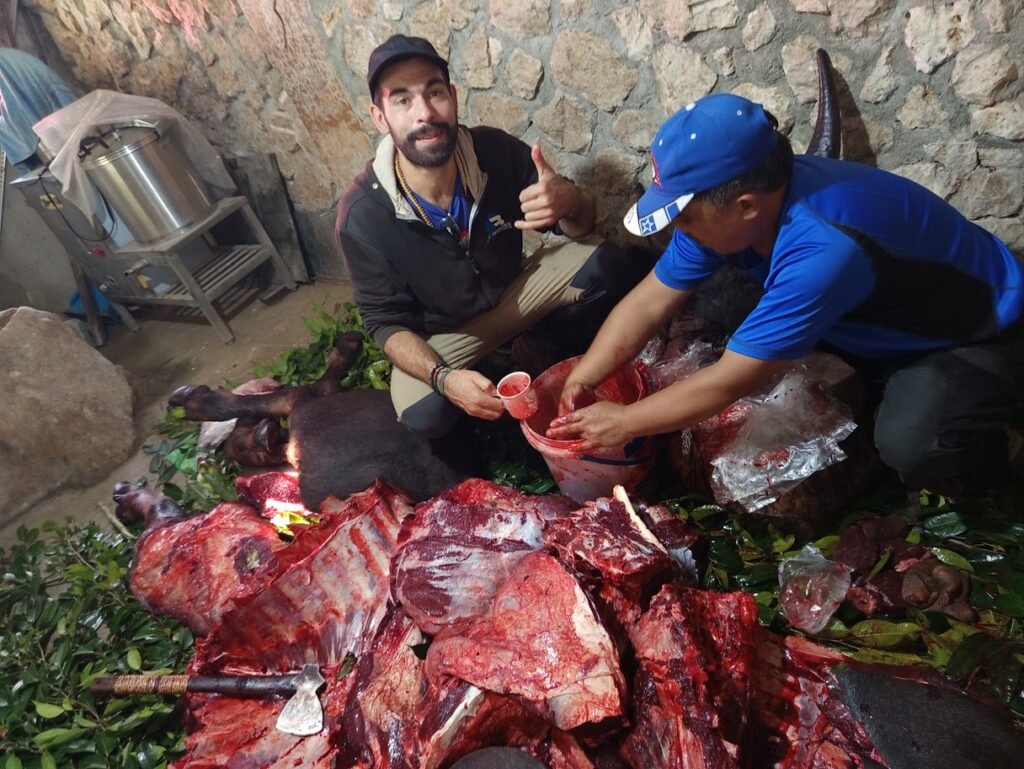
Walk through any Filipino neighborhood, and you’ll see this in action. When someone is cooking, extra portions are automatically prepared for elderly neighbors. When a family experiences a death, neighbors immediately contribute food, money, and time without any prompting. During harvest season in rural areas, farmers help each other gather crops, moving from field to field until everyone’s harvest is complete.
Bayanihan shines brightest during crises, and the Philippines faces more than its fair share. From an average of 20 typhoons per year to earthquakes, volcanic eruptions, and flooding, Filipino communities have developed remarkable resilience through collective action.
It’s not about how much you give, but that you give what you can. A wealthy family might donate money or building materials. A farmer might contribute sacks of rice. A skilled carpenter offers their labor. A student helps pack relief goods. An elderly person who can’t work physically offers their home as a distribution center or cooks for volunteers.
During Typhoon Haiyan in 2013, one of the strongest tropical cyclones ever recorded, the bayanihan spirit emerged immediately. Before international aid arrived, local communities were already organizing rescue operations, sharing food and water, and clearing debris. Understanding weather patterns in the Philippines helps visitors appreciate why this community spirit isn’t just admirable—it’s essential for survival.
What could be exhausting labor transforms into joyful collaboration. Harvesting rice, building structures, or preparing for fiestas—when done together, work becomes celebration. There’s laughter, singing, and the satisfaction of shared accomplishment.
During “pintakasi” (community work days), entire villages would work together in rice fields, moving from one family’s plot to another until all were planted or harvested. To make the hard work bearable, they would sing traditional work songs, tell stories, share jokes, and break for communal meals featuring local delicacies.
Perhaps the most beautiful aspect of bayanihan is how it dissolves the barriers between “us” and “them.” When people unite for a common goal, strangers quickly become kasama (companions), kababayan (fellow countrymen), and ultimately, family.
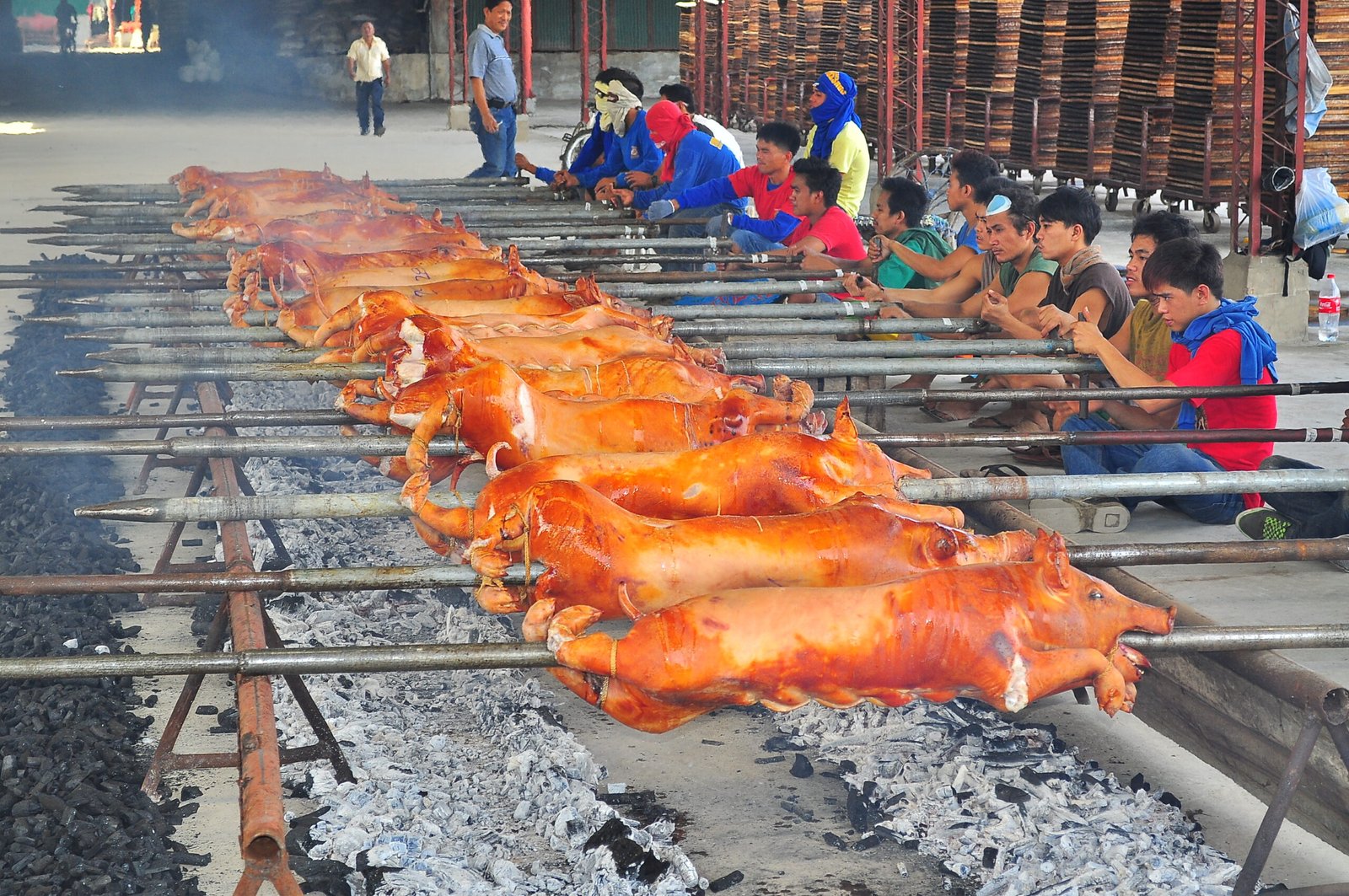
This phenomenon is particularly visible during Filipino festivals and religious celebrations. The “fiesta” tradition, observed in virtually every town and barangay, exemplifies how strangers are immediately welcomed into the fold. During fiestas, every home opens its doors. Families prepare elaborate feasts not just for relatives but for anyone who walks through their door—neighbors, friends, acquaintances, and complete strangers alike.
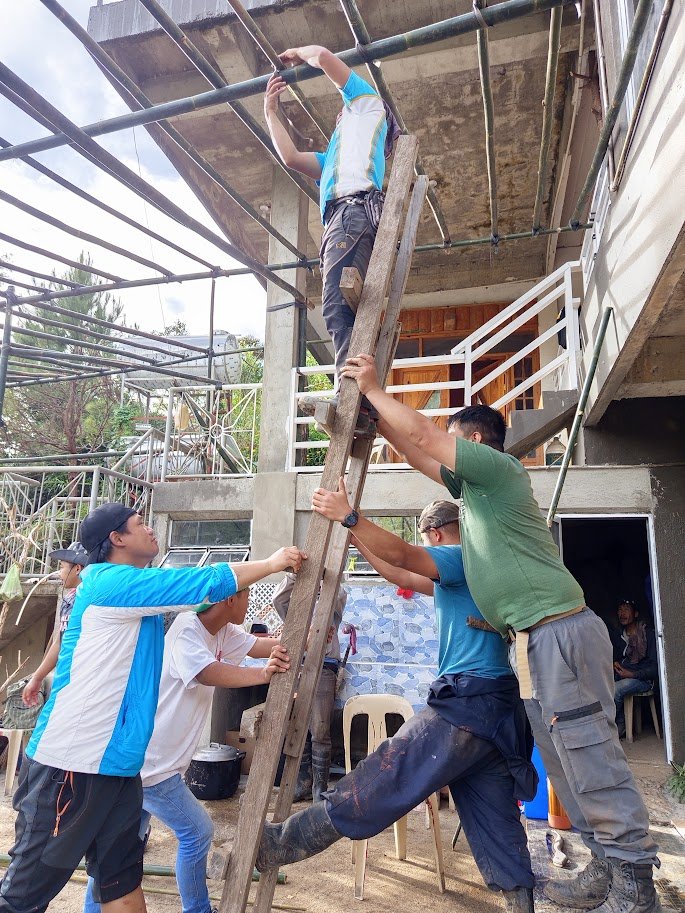
While you might not see entire houses being carried through the streets of Manila today, the spirit of bayanihan remains very much alive throughout the Philippines, adapting to urban settings and modern challenges while maintaining its core values.
During the COVID-19 pandemic, a remarkable grassroots movement emerged that perfectly captured the bayanihan spirit for the digital age. In April 2021, Ana Patricia Non set up a small bamboo cart in Quezon City with vegetables, canned goods, and rice, accompanied by a simple sign: “Magbigay ayon sa kakayahan, kumuha batay sa pangangailangan” (Give what you can, take what you need).
Within days, hundreds of community pantries appeared across the Philippines—on street corners, in residential neighborhoods, outside churches and schools. Unlike traditional charity, which often reinforces hierarchies between givers and receivers, community pantries embodied bayanihan’s egalitarian spirit. Anyone could give, anyone could take, and no one tracked who contributed what.
Sharing meals with neighbors, helping carry someone’s groceries, or watching a friend’s children—bayanihan lives in these small, consistent gestures that define daily life in Filipino communities.
The “pasalubong” tradition exemplifies this. Filipinos returning from travels—even just from another neighborhood—bring small gifts or treats for family, friends, and neighbors. This practice maintains social connections and ensures that individual experiences benefit the broader community.
Even in small daily interactions, bayanihan persists. Jeepney passengers pass fare money forward to the driver and return change backward through a chain of strangers. Market vendors hold your purchases while you continue shopping. Neighbors watch each other’s houses when families travel.
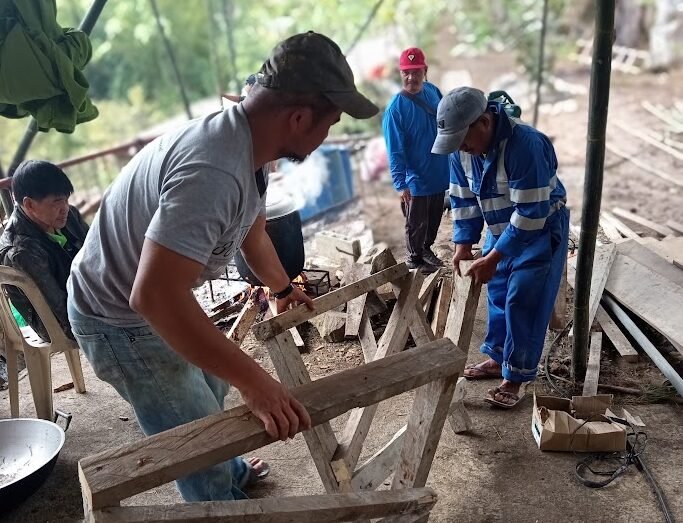
This is why when Filipinos say “our home is your home,” we truly mean it. It’s not just hospitality—it’s an invitation into a culture where community is paramount, where helping hands are always extended, and where you’re welcomed not as a tourist, but as part of the bayanihan. To truly understand this welcoming spirit, explore our guide on Filipino hospitality: understanding local customs and etiquette.
When you visit the Philippines, you have the opportunity to experience the bayanihan spirit firsthand through authentic cultural immersion. Unlike standard tours where tourists observe from a distance, community-based tourism invites participation. You don’t just visit a village—you stay with a family, eat meals together, join in daily activities, and contribute to community projects.
One of the best places to witness bayanihan in action is in rural mountain communities like Banaue, where indigenous Ifugao communities have maintained rice terraces for over 2,000 years through collective effort. Similarly, Sagada offers profound cultural experiences where traditional practices remain strong.
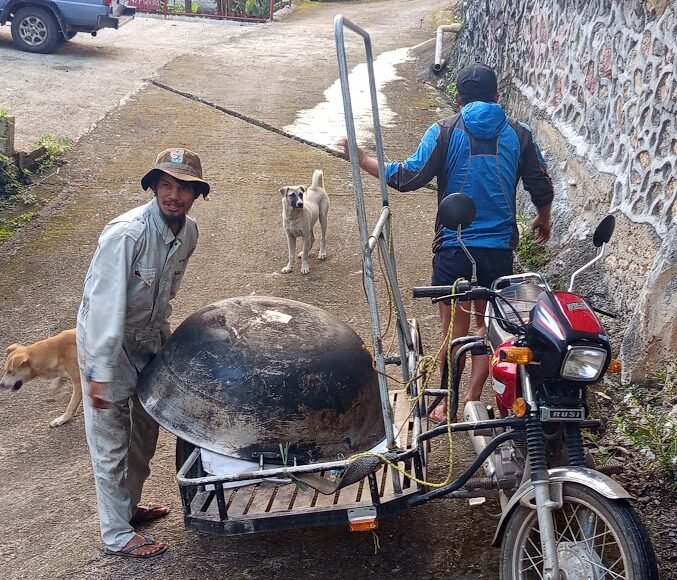
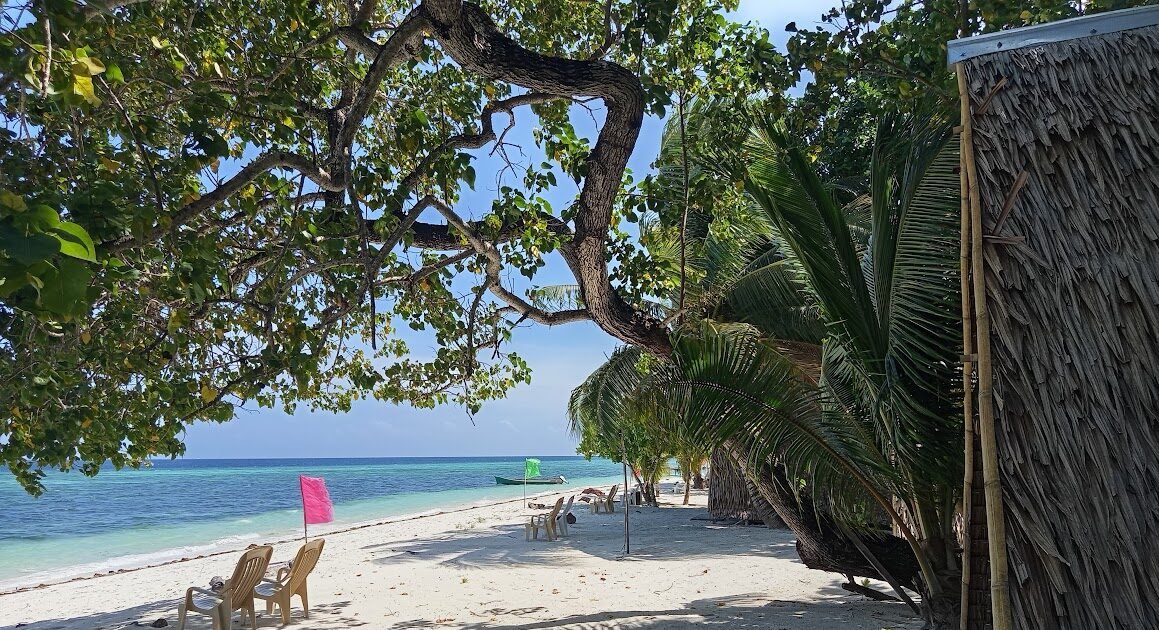
The bayanihan spirit exists throughout the Philippine archipelago. Whether you’re exploring the beaches of Bantayan Island, the pristine waters of El Nido, the historical sites of Manila, or the rural villages of Siquijor Island, you’ll encounter the warm welcome and community spirit that defines Filipino culture.
To explore more destinations where you can experience authentic Filipino life, check out our comprehensive guide to the most popular destinations in the Philippines.
Ready to experience authentic Filipino culture? Here’s how to plan a culturally immersive trip that prioritizes meaningful connection.
Whether you’re a first-time hiker in the Philippines or an experienced traveler, understanding the local culture enhances every aspect of your journey.
Research community-based tourism operators that prioritize cultural preservation and community benefit. Book homestays or community accommodations instead of conventional hotels. Schedule visits during local festivals to experience bayanihan in celebration—check the Philippines’ holidays calendar to plan accordingly.
For comprehensive planning assistance, visit our Philippines travel guide for everything you need to know before your trip.
Bayanihan represents more than a cultural practice—it’s a philosophy of life that emphasizes the fundamental interconnectedness of humanity. This Filipino tradition teaches us that true strength lies not in individual achievement, but in collective action; not in isolation, but in community.
The practice of literally carrying houses together symbolizes something profound: when we work together, we can move seemingly immovable things. Mountains can be terraced. Disasters can be survived. Communities can flourish despite scarcity. Strangers can become family.
When you experience bayanihan during your travels to the Philippines, you’re participating in a centuries-old tradition that continues to inspire people worldwide. Let the spirit of bayanihan transform your journey from a simple vacation into a meaningful cultural exchange.
Ready to experience the authentic Filipino spirit?
Start planning your cultural journey to the Philippines today and discover why bayanihan continues to move mountains, houses, and hearts. Explore our complete Philippines travel guide to begin your adventure.


Philippines Travel Guide seeks to share the vibe of an authentic experience through our idea of adventure travel for explorers and memory seekers in the Philippines.


Subscribe our newsletter for more update & news !!
Copyright © 2024. All rights reserved by Philippines Travel Guide.