Planning your first trip to the Philippines is exciting, but many travelers underestimate how different the country is compared to other Southeast Asian destinations. With over 7,000 islands, unique transport systems, and significant regional differences, small mistakes can quickly turn into costly or stressful experiences.
This guide breaks down the most common mistakes first-time travelers make in the Philippines and exactly how to avoid them so your trip runs smoothly from arrival to departure.
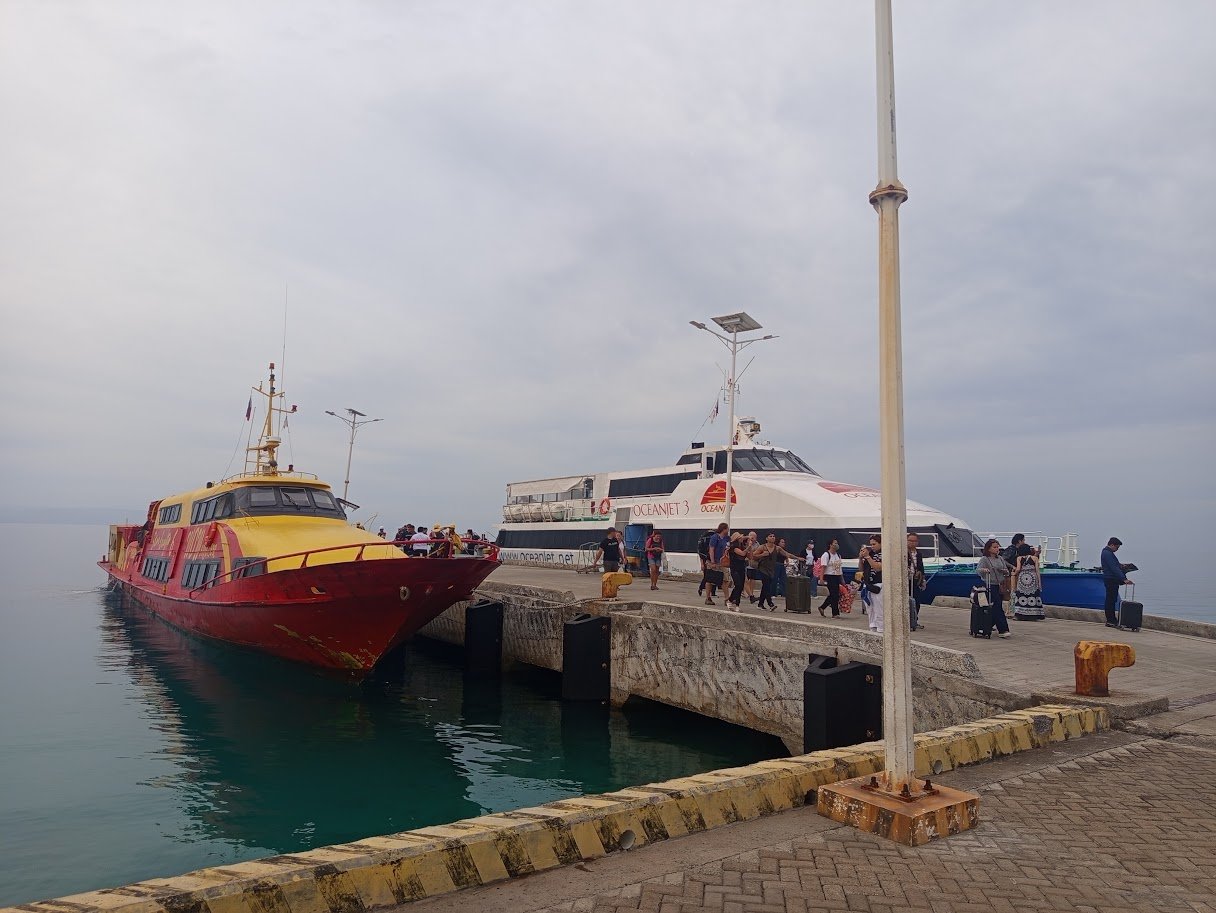
One of the biggest mistakes is assuming that travel between destinations is quick and straightforward. The Philippines has no intercity rail network, and road infrastructure on many islands is limited.
Getting around often involves:
A route that looks short on a map can easily take an entire day to complete. For example, Manila to El Nido is not just a flight. It typically involves airport transfers, waiting time at the terminal, and additional land travel once you arrive in Palawan. The Philippine Department of Tourism provides official inter-island route information that is worth checking before you finalize any itinerary.
How to avoid it: Plan buffer days between destinations, avoid overloading your itinerary, and prioritize fewer islands with deeper exploration. For a detailed breakdown, see our guide to the most popular destinations in the Philippines.
Island-hopping FOMO is real, and it is one of the most common itinerary mistakes. First-time travelers often try to see everything in one trip, resulting in:
A smarter approach is to focus on 2 to 3 key destinations instead of 5 or 6. You will see more, stress less, and actually enjoy the places you visit.
Recommended combinations for first-timers:
For curated destination advice, check out our guide on where to go in the Philippines for first-time visitors.
The Philippines has a tropical climate with distinct wet and dry seasons, and many travelers make the mistake of booking trips during peak typhoon months (typically June to November) without checking regional forecasts.
Important: Weather varies dramatically by region. Palawan may be sunny while Luzon is experiencing heavy rain. The eastern coast is far more exposed to typhoons, while western regions like Palawan are often sheltered during certain months. Before booking, it is worth checking PAGASA, the Philippines’ official weather authority, for real-time typhoon tracking and seasonal outlooks specific to your destination.
How to avoid it:
For a detailed breakdown by month, read our guide on the best Philippines destinations to visit each month in 2026 and what no one tells you about traveling during typhoon season.
Cash is still king across much of the Philippines. While cities like Manila and Cebu have decent ATM coverage, rural areas and smaller islands are a different story entirely.
Common issues travelers face:
How to avoid it:
For a complete breakdown of fees, rates, and the best banks to use, read our Philippines currency exchange and ATM guide.
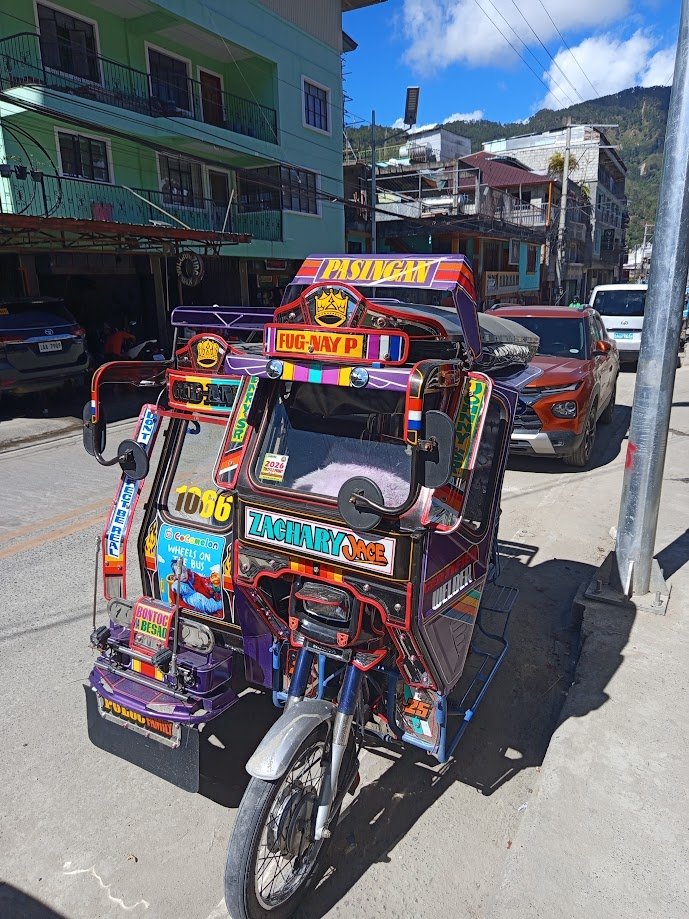
Transport in the Philippines can be genuinely confusing for first-time visitors. There is no single unified system, and each mode of transport operates differently without strict schedules.
You will encounter:
How to avoid it:
For city-specific guidance, read our guides on transport options in Metro Manila, Grab vs Angkas vs traditional taxis, and navigating Manila’s public transport.
Many travelers assume they will not need travel insurance until something goes wrong. The Philippines, with its mix of remote islands, adventure activities, and unpredictable weather, carries real risks that make insurance essential.
Risks include:
Why it matters: Healthcare quality varies significantly by location, and getting evacuated from a remote island can cost thousands of dollars without coverage. Providers like World Nomads are widely trusted by adventure travelers in Southeast Asia and cover activities like island hopping, motorbike riding, and water sports, making them a practical choice for a Philippines trip specifically.
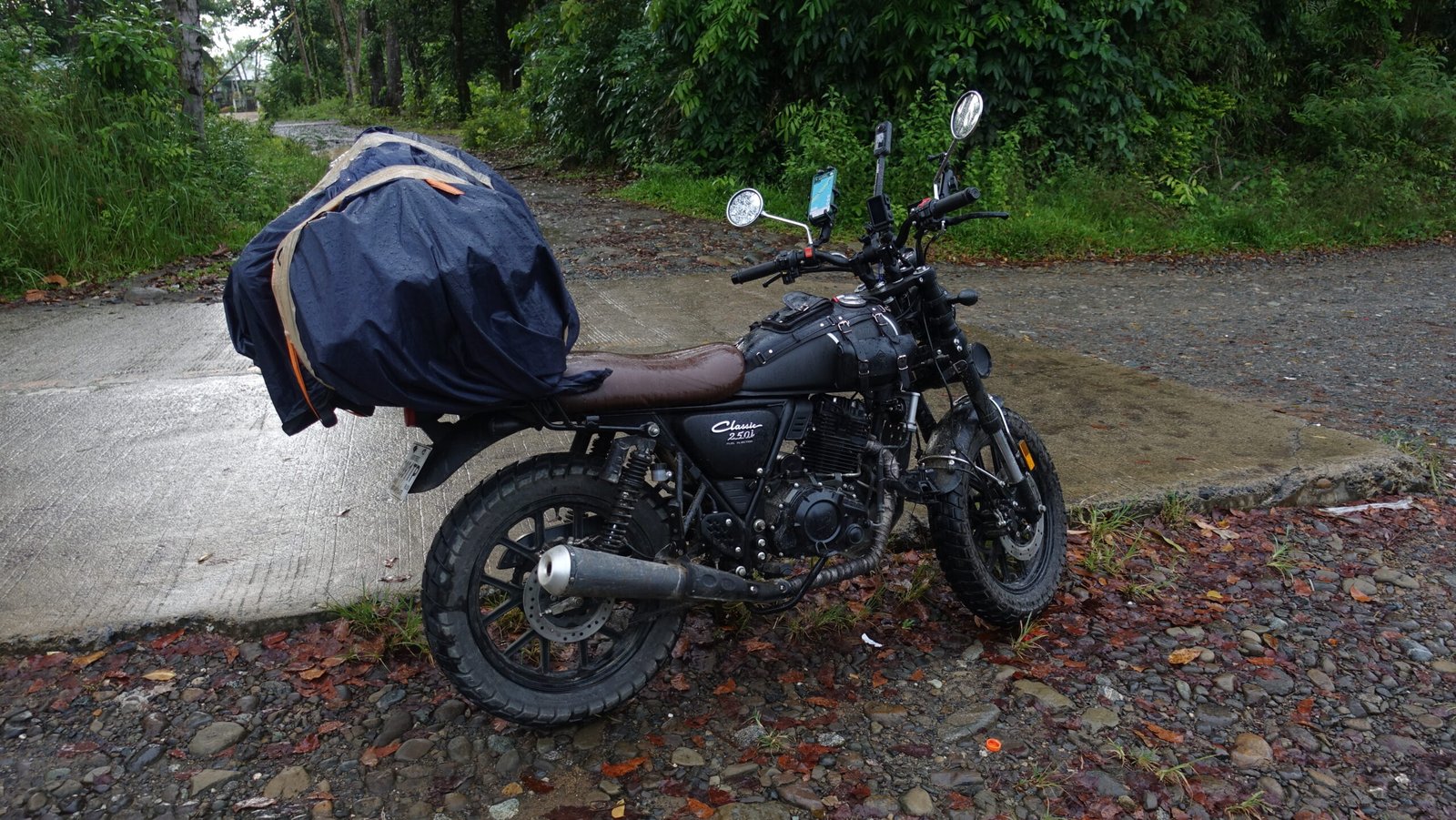
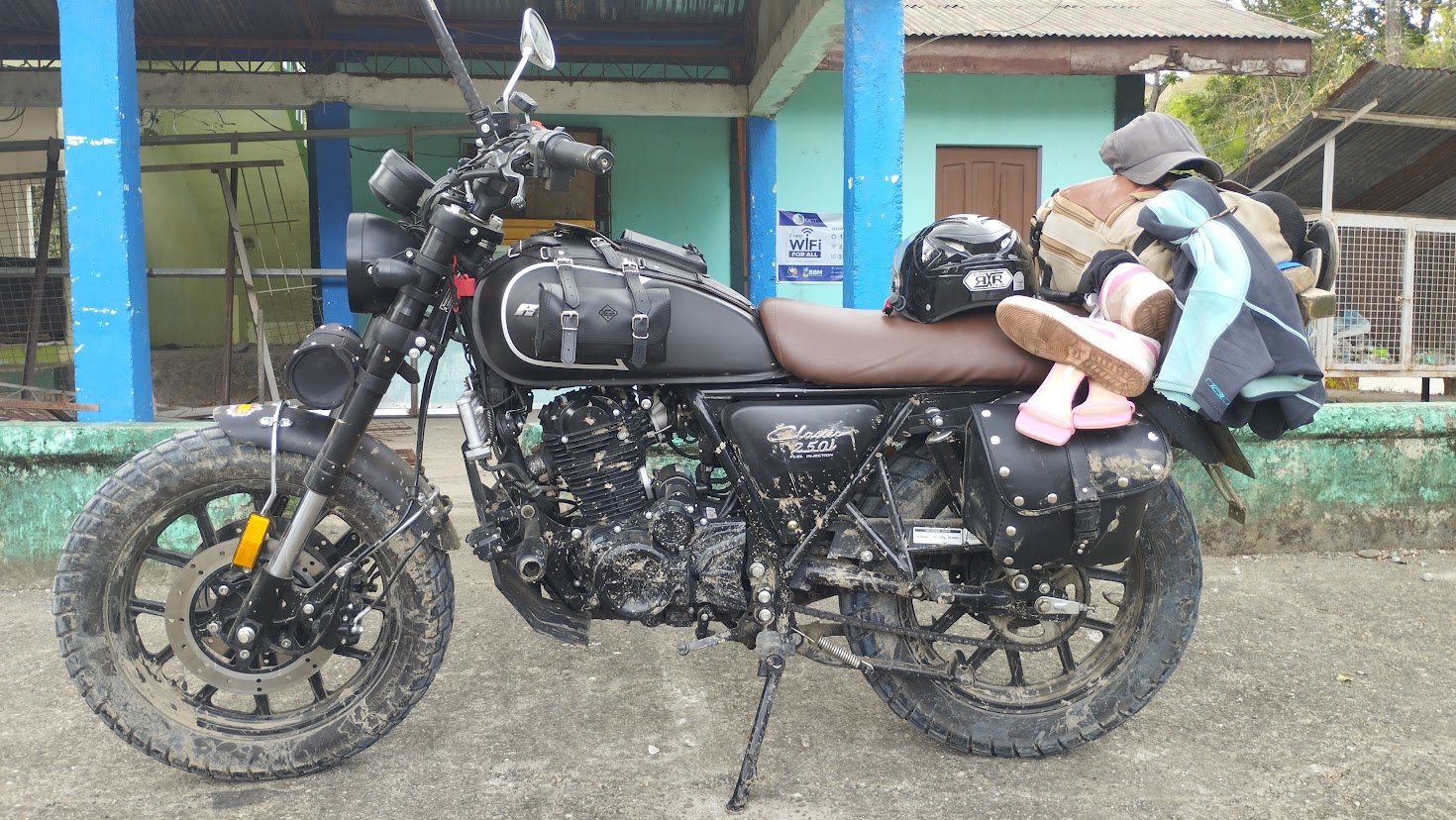
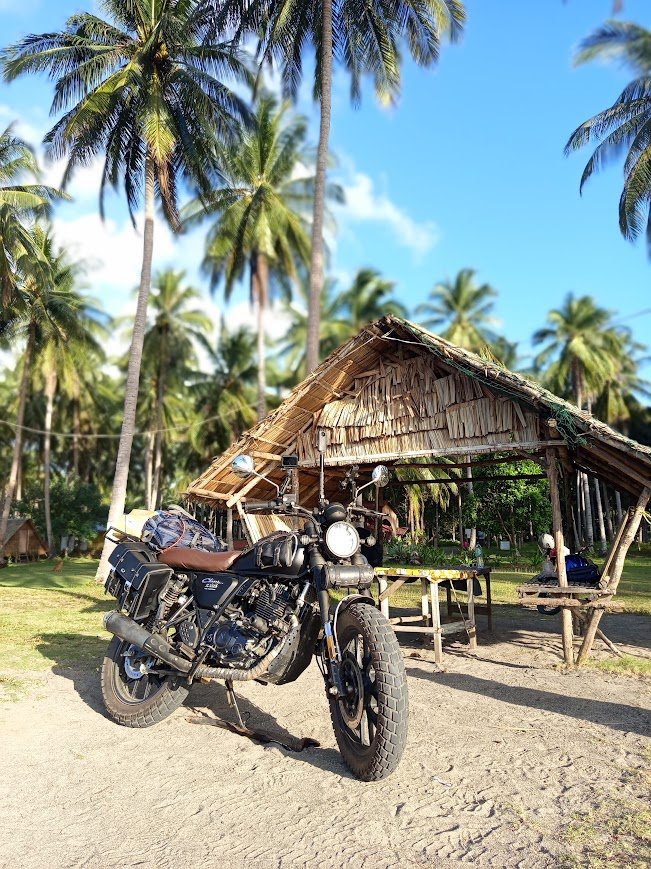
Motorbike rental is a popular and practical way to explore destinations like Palawan, Siquijor, and Bohol. However, it is one of the most common sources of accidents among tourists.
Common mistakes include:
Roads can be rough, traffic unpredictable, and signage limited, especially in rural areas.
How to avoid it:
Read our complete guides: How to rent a motorbike in Palawan as a foreigner and the ultimate guide to motorbike rentals in Palawan (2026).
WiFi connectivity in the Philippines can be slow or completely unreliable, particularly on islands and in rural provinces. Even some hotels and guesthouses that advertise WiFi may offer speeds too slow for video calls or streaming.
This can affect:
How to avoid it:
For everything you need to know about staying connected, read our Philippines SIM card and mobile data guide for travelers.
Filipino culture is genuinely warm and hospitable, but respect and sensitivity go a long way toward creating meaningful connections with locals. Travelers who are dismissive, overly direct, or unaware of local customs can unintentionally offend.
Common mistakes include:
The Philippines is a deeply religious country, predominantly Roman Catholic, and this shapes daily life and community values significantly. Learning even a few words of Filipino (Tagalog) is warmly appreciated by locals and often opens doors that money cannot.
For deeper cultural insight, read our guides on Filipino hospitality and local customs, and essential Filipino phrases every traveler should know.
The Philippines is generally a safe destination for tourists, but like any country, basic precautions are necessary, particularly in busy urban areas and late at night.
Common mistakes:
How to avoid it:
It is also worth reviewing the UK Foreign, Commonwealth and Development Office’s Philippines travel advice before your trip. It provides regularly updated safety assessments, entry requirements, and region-specific advisories that many travelers find more practical than generic travel warnings.
For safety planning, read our guides on emergency contacts in the Philippines and risk management for solo adventure travelers.
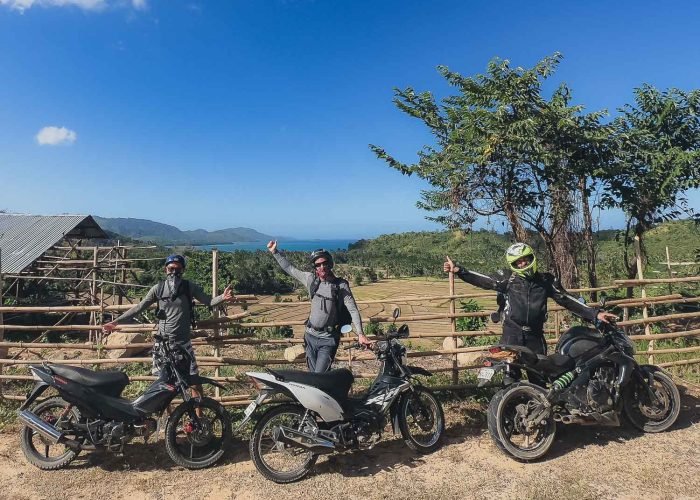
Some of the best experiences in the Philippines sell out quickly, especially during peak season (December to April). Waiting until you arrive often means missing out entirely or paying premium prices to last-minute fixers.
Activities that require booking:
How to avoid it:
For destination-specific planning, visit our guides on El Nido, Sagada, and Cebu City and South Cebu tours.
What should first-time travelers know about the Philippines?
First-time travelers should expect slower transport, significant regional weather differences, and a mix of modern cities and remote islands. Planning, carrying cash, and staying flexible are essential habits for a smooth trip.
Is the Philippines easy to travel for beginners?
The Philippines can be logistically challenging due to island-hopping requirements and infrastructure gaps, but with proper planning, it is highly manageable and deeply rewarding. Starting with well-connected destinations like Palawan or Cebu is recommended.
How many days are enough for a first trip to the Philippines?
A minimum of 10 to 14 days is recommended to comfortably explore 2 to 3 destinations without rushing. Shorter trips are possible but require careful destination selection.
What is the biggest mistake tourists make in the Philippines?
The most common mistake is trying to visit too many places in a short time, leading to travel fatigue, missed experiences, and unnecessary stress from constant transfers.
Do I need a visa to visit the Philippines?
Most nationalities receive a 30-day visa-free entry on arrival, with extensions available. Check the latest entry requirements for your nationality before travel.
The Philippines is not a destination to rush. The best experiences happen when you slow down, stay longer in fewer places, and embrace the beautiful unpredictability of island travel. Whether you are exploring the limestone cliffs of El Nido, swimming with whale sharks in Cebu, or trekking to the rice terraces of Banaue, the magic of the Philippines reveals itself to those willing to be patient.
Planning your trip? Explore our full Philippines travel guide for destination guides, transport tips, and the latest updates for 2026.


Philippines Travel Guide seeks to share the vibe of an authentic experience through our idea of adventure travel for explorers and memory seekers in the Philippines.