The Philippines’ 7,641 islands offer some of Southeast Asia’s most diverse rock climbing experiences. From limestone cliffs of Luzon to the dramatic karst formations of Palawan, Filipino climbing destinations combine world-class routes with stunning tropical scenery. Whether you’re seeking challenging sport routes or trying outdoor climbing for the first time, this guide covers everything you need to know about rock climbing in the Philippines.
Philippine climbing predominantly features limestone rock formations, ranging from young, soft stone to ancient, bullet-hard surfaces. Most established routes are sport climbs with fixed bolts, though trad climbing and bouldering opportunities exist at select locations.
The cool and dry season from November to February represents prime climbing period with comfortable temperatures and minimal rainfall. The hot season from March to May offers excellent conditions for deep-water soloing, with calm seas, while the rainy season from June to October brings unpredictable weather. For comprehensive weather patterns, check our guide on weather in the Philippines.
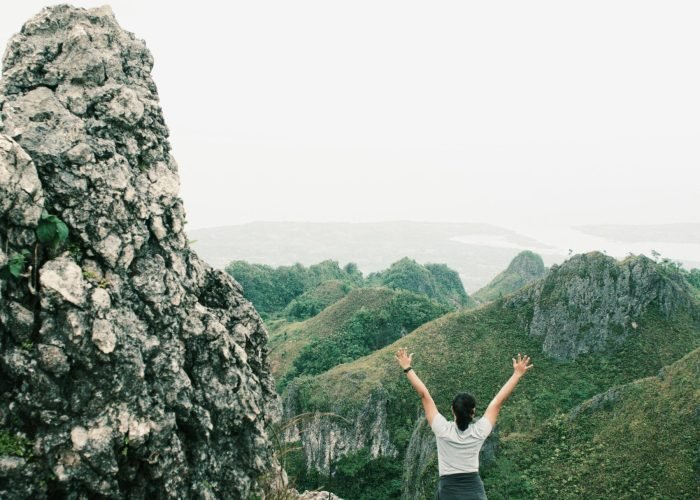
Located just 1.5 hours from Manila, Wawa Dam features over 20 crags with more than 100 routes ranging from 5.6 to 5.13 difficulty. The Uling Wall offers the highest concentration of routes suitable for various skill levels, while Veranda provides beginner-friendly options perfect for those experiencing their first time hiking in the Philippines.
Take the Cubao-Montalban jeepney or FX van (₱25-50) and register at the barangay office (₱300 per group). For more details on getting around, see our guide to transport options in Metro Manila. Contact Climb Philippines or Power Up Climbing Gym for guide services and equipment rental.
Cantabaco stands as the country’s premier climbing destination with varied limestone terrain and smooth pockets. The massive Kiokong White Wall presents a 180-meter sheer vertical face with potential for 400+ sport routes. The neighboring Poog crag offers excellent variety with routes ranging from 5.0 to 8b+ difficulty.
From Cebu City, take a bus to Toledo City (approximately 2 hours). For additional Cebu activities, explore our Cebu City and South Cebu tours guide.
Located 165 kilometers from Manila (5 hours), Atimonan offers quality technique-focused climbs at this abandoned rock quarry. Most climbers catch the 3:00 AM bus from Manila to arrive by 8:00 AM. Day tours can be arranged through Uncharted Philippines, with the best climbing from November to June.
El Nido’s Bacuit Archipelago ranks as a premier deep water soloing destination with at least seven areas and 30 DWS lines ranging from 6a to 7c difficulty. Deep water soloing involves climbing without ropes over deep water, where falls result in ocean splashes rather than hitting the ground.
Rent pump boats for day trips (₱2,000-4,000) or opt for 3-day island-hopping expeditions with beach camping. Direct flights from Manila take 55 minutes ($350), while budget travelers fly to Puerto Princesa and then take a bus to El Nido (₱150-250). Combine climbing with activities from our El Nido adventure tours guide.
Essential DWS gear includes waterproof chalk bags, dry bags, quick-dry towels, and waterproof first-aid supplies. Note that finding experienced DWS guides can be challenging.
Sagada, Mountain Province – Highland Rock Climbing
Sagada combines cool weather, caves, and waterfalls with beautiful climbing cliffs. Echo Valley features natural rock walls with varied difficulty set against spectacular mountain scenery. Inquire at the Sagada Tourist Information Center for guides with equipment.
Take a bus from Manila to Baguio (5-7 hours), then transfer to Coda Lines or GL Trans for Sagada (5-6 hours). For route details, see our guide on the provincial bus experience. Learn more with our Sagada adventure tours guide.
Igbaras, Iloilo, offers technical tufa climbing with routes up to 8a+ difficulty, while Dingle, Iloilo, features 3D stalactite navigation. Pico de Loro, Cavite, provides the famous Monolith challenge, combining trekking with technical climbing. Marabut, Samar, and Coron, Palawan offer additional deep water soloing opportunities.
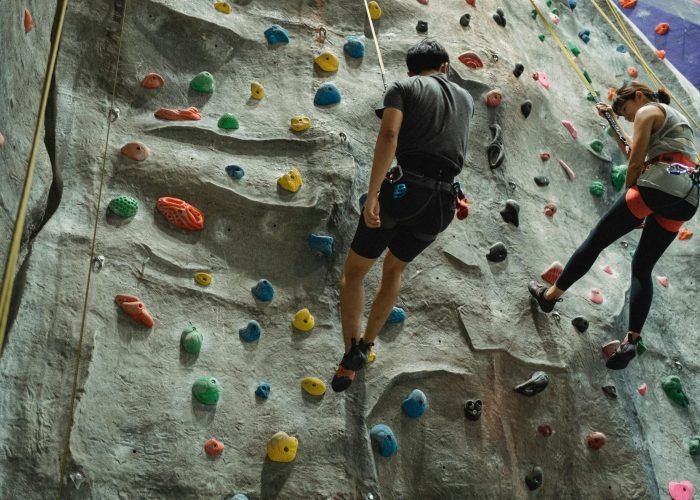
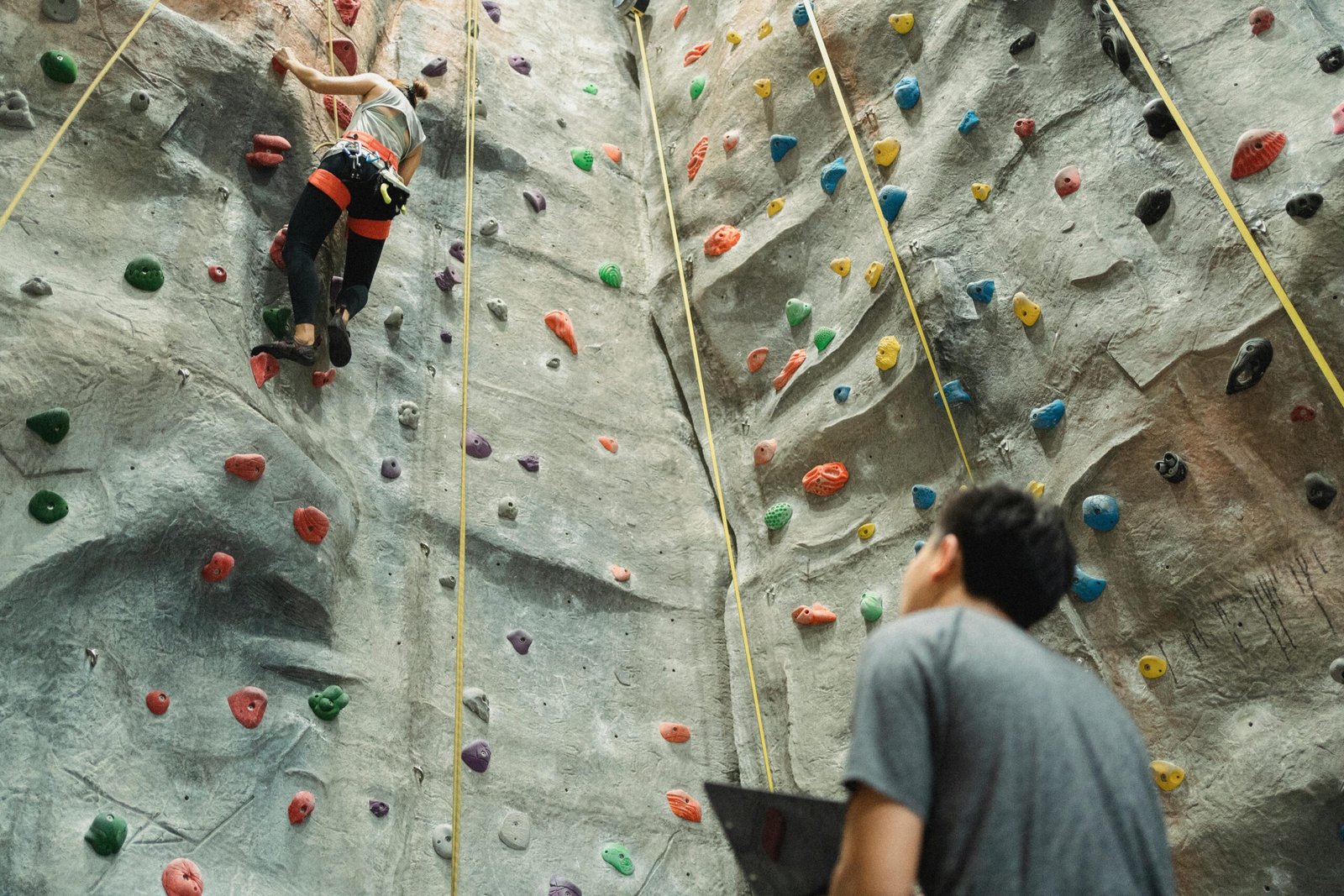
Climb Central Manila in Mandaluyong operates as the biggest indoor climbing venue with 750 square meters of wall space. Power Up R.O.X. maintains multiple Metro Manila locations, organizing outdoor trips to Wawa while offering equipment rental. Wall-Nut/MISA Climbing Systems in Antipolo features 33-foot walls suitable for all skill levels.
Regional gyms include Kalay-at Climb Adventures in Baguio, Viajero Climbing Gym in Cagayan de Oro, and Urban Peak in Cavite.
For sport climbing, bring rock climbing shoes, harness, belay device, chalk bag, helmet, and personal anchor system. Group gear includes ropes (60-70m), quickdraws (12-16), carabiners, and a first aid kit.
For deep water soloing, pack waterproof chalk bags, climbing shoes, dry bags, quick-dry towels, slings, and waterproof first-aid supplies. Recommended extras include a snorkel, a mask, UV protection, and water shoes.
ROX (Power Up) sells gear at multiple Manila locations. Before purchasing, review our ultimate Philippines packing list.
Philippine limestone can be extremely sharp—bring athletic tape for finger protection. Dehydration occurs rapidly in tropical conditions, so carry 2-3 liters of water per person. Start climbing early to avoid afternoon thunderstorms during the rainy season.
Never climb alone over water. Scout routes from the boat first to check depth and hazards. Climb within your ability, wear protective footwear, maintain boat support nearby, and climb only during calm seas. For solo adventure considerations, read our guide on adventure travel solo vs group.
Watch for heat exhaustion (dizziness, nausea) and heat stroke (confusion). Clean wounds immediately, as a tropical climate promotes infection. Use DEET repellent against dengue and malaria. For comprehensive safety information, see our emergency contacts guide.
Climb Philippines provides detailed crag information and community forums. Join Facebook groups like Climb Philippines Community for trip coordination. Visit gyms to meet climbers organizing weekend trips—many welcome newcomers.
Pack out all trash and stay on established trails. Pay all required fees supporting trail maintenance and local livelihoods. Support local businesses by eating at local eateries and hiring local guides. Filipino hospitality creates lasting friendships—learn basic phrases and show cultural interest. For more customs, see our guide to Filipino hospitality and local etiquette and essential Filipino phrases.
Weekend Wawa Trip: Depart Manila 6:30 AM, climb 9:30 AM-4:00 PM at Veranda or Uling, return evening or camp overnight. The second day features a morning session before returning to Manila. Suit beginners to intermediate climbers.
7-Day Cebu Adventure: Days 1-2 at Cantabaco, day 3 rest/sightseeing, days 4-5 at Poog, day 6 beach, day 7 return. Perfect for intermediate climbers wanting variety.
El Nido DWS Expedition: Day 1 arrive and organize, days 2-4 island-hopping with beach camping, day 5 rest, day 6 final DWS, day 7 depart. Suits experienced climbers. For risk management tips, read Safety First: Risk Management for Solo Adventure Travelers in Remote Areas.
November to February offers optimal conditions. Daily costs range from $20-40 (budget) to $50-80 (mid-range) to $100+ (comfort). Domestic flights cost $50-150, basic gear setup $200-500, guides $50-100 per day.
Most nationalities receive a 30-day visa-free entry. For details, visit our Philippines travel guide. Get specialized adventure insurance from World Nomads, BMC Insurance, or AAC Insurance covering rock climbing and DWS.
Globe Telecom offers the best Luzon/Visayas coverage, while Smart Communications excels in Mindanao. Purchase SIM cards at airports or 7-Eleven. For details, see our Philippines SIM cards and mobile data guide. Manage money with our Philippines currency exchange guide.
Is rock climbing safe in the Philippines?
Rock climbing in the Philippines is generally safe when following proper safety protocols, using appropriate gear, and respecting weather conditions. The climbing community maintains routes regularly, though some crags are better maintained than others.
What is the best time for rock climbing in the Philippines?
The cool and dry season from November to February provides optimal climbing conditions with comfortable temperatures and minimal rainfall across most destinations.
Do I need a guide for rock climbing in the Philippines?
Experienced climbers can access most crags independently, though guides prove helpful for first-time visitors to specific areas, particularly for deep water soloing expeditions where local knowledge of tides and hazards is crucial.
How much does rock climbing cost in the Philippines?
Daily costs range from $20-40 for budget climbers to $100+ for comfort level, plus one-time expenses for flights ($50-150), gear ($200-500 if purchasing), and optional guide services ($50-100 per day).
Can beginners rock climb in the Philippines?
Absolutely. Destinations like Wawa Dam’s Veranda wall and Cantabaco offer beginner-friendly routes. Start at indoor gyms in Manila or regional cities to build skills before attempting outdoor crags.
The Philippines offers unmatched climbing experiences—sport climb limestone cliffs in the morning, deep-water solo over crystal seas in the afternoon, and camp on white-sand beaches at night.
Whether sending hard grades at Cantabaco’s Kiokong White Wall, splashing into El Nido’s waters after DWS attempts, or learning at Manila gyms, Philippine climbing welcomes you. The community embodies Filipino hospitality—generous with beta, quick to share equipment, and eager to show visitors hidden gems.
Maligayang pag-akyat! (Happy climbing!)
Explore more adventures with our best diving spots in the Philippines, 20 stunning beaches beyond Boracay, and the best destinations to visit each month.


Philippines Travel Guide seeks to share the vibe of an authentic experience through our idea of adventure travel for explorers and memory seekers in the Philippines.